
The terms “hotel” and “motel” are often used interchangeably in casual conversation, yet they historically refer to distinct types of accommodation with unique characteristics. While the modern travel landscape has seen a significant blurring of these lines, understanding their fundamental differences can still help travelers make informed choices. From their architectural origins and service offerings to their typical locations and target clientele, hotels and motels have evolved along separate paths, catering to different needs and preferences in the vast world of travel. This article delves into the nuances that traditionally set them apart, explores how these distinctions have shifted over time, and offers insights into selecting the best option for your next journey.
Historical Roots and Evolving Concepts
To truly grasp the distinction between a hotel and a motel, it’s essential to look back at their origins. Both concepts emerged from the fundamental human need for shelter and rest during journeys, but their development was shaped by differing modes of transportation and evolving societal structures.
The Genesis of Hotels
The concept of the hotel is ancient, tracing its roots back to roadside inns and guesthouses that dotted ancient trade routes. These establishments provided lodging, food, and drink for travelers, pilgrims, and merchants. As cities grew and transportation became more sophisticated – particularly with the advent of stagecoaches, railways, and eventually air travel – hotels began to evolve into more refined and comprehensive establishments.
Early hotels, especially in major urban centers like London, Paris, and New York City, were often grand, multi-story buildings designed to offer a full range of services. They catered to a clientele primarily arriving by public transport, seeking a luxurious or at least comfortable stay in the heart of the city. These early establishments often featured opulent lobbies, fine dining restaurants, ballrooms, and concierge services, positioning them as social hubs as much as places to sleep. They were integral to the urban fabric, providing amenities that went far beyond a simple bed for the night. The focus was on providing a full-service experience, often including staff to assist with luggage, valet parking, and various other conveniences, reflecting a more formal approach to hospitality. Brands like Ritz-Carlton or Grand Hyatt continue this tradition, albeit with modern twists.
The Rise of Motels
The term “motel” is a portmanteau of “motor hotel,” a name that perfectly encapsulates its origin and purpose. Motels began to appear in the United States in the early 20th century, a direct response to the burgeoning popularity of automobile travel. As cars became more accessible and families embarked on road trips, particularly along iconic routes like Route 66, there was a growing demand for convenient, affordable, and easily accessible lodging located directly off highways.
Unlike hotels, which were often integrated into dense urban environments, motels were designed for the motorist. Their defining characteristic was direct access to rooms from a parking lot, allowing travelers to park their vehicles immediately outside their door. This “rooms with parking” concept prioritized convenience and speed for those on the move. Early motels were typically single-story or two-story structures, often laid out in a U-shape or along a strip, with minimalist amenities focused on basic comfort and a quick overnight stay. The target audience was primarily budget-conscious travelers, families on vacation, and business travelers making long drives. Brands like Motel 6 and Travelodge exemplified this model, offering no-frills accommodation for the mobile masses. The entire design philosophy was about facilitating a seamless transition from car to room and back to the road.
Key Distinctions: Structure, Services, and Location
While the historical context provides a strong foundation, examining the architectural design, range of services, and typical locations offers a clearer picture of the traditional differences.
Architectural and Layout Differences
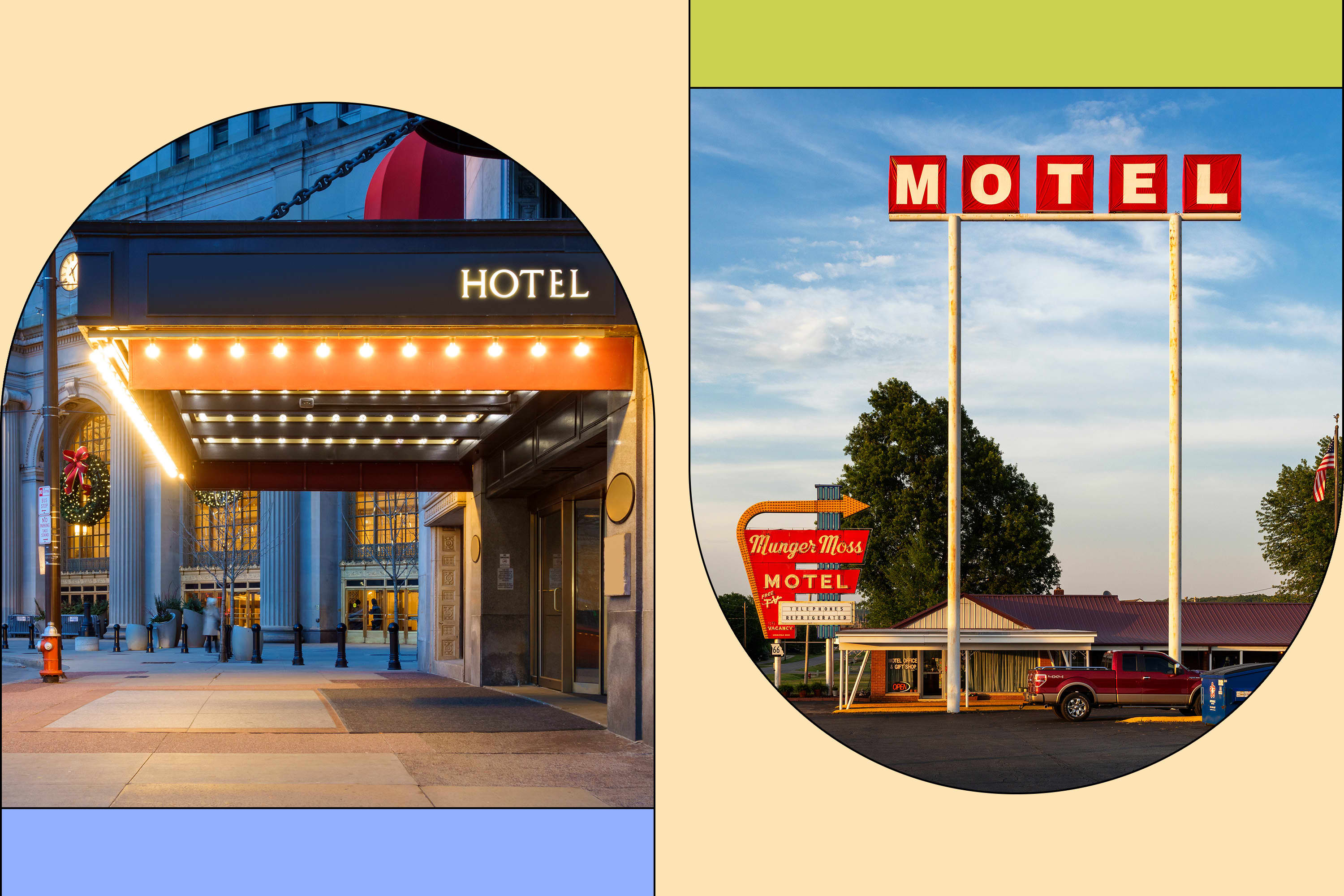
The most visually apparent difference between a hotel and a motel lies in their architectural design and layout.
Hotels are typically multi-story buildings, often with numerous floors, and are accessed via an interior lobby. Guests enter through a central entrance, check in at a front desk, and then proceed to their rooms via elevators or interior corridors. This design creates a sense of security and often allows for a wider range of indoor facilities, such as conference rooms, fitness centers, and multiple dining options. The focus is on vertical integration and maximizing space in often expensive urban real estate. Large-scale resorts like those found in Orlando or Las Vegas might combine multi-story hotel towers with extensive grounds and facilities, but the core access model remains internal.
Motels, by contrast, are typically low-rise structures, often one or two stories high. Their hallmark feature is direct outdoor access to individual rooms from a parking lot or exterior walkway. This “drive-up” convenience means guests can park directly in front of or very close to their room door. This design is highly efficient for travelers who want to quickly unload their luggage and hit the road the next morning. While some modern motels might have interior corridors for security reasons, the vast majority still adhere to this external access model, which emphasizes expediency over elaborate design. This layout is particularly common along highways and in less densely populated areas.
Amenities and Services Provided
The range and type of amenities and services offered traditionally formed a significant dividing line.
Hotels generally offer a much broader array of amenities and services, aiming to provide a comprehensive experience for their guests. These often include:
- Concierge services: Assistance with local attractions, bookings, and information.
- Restaurants and bars: Often multiple options, ranging from casual eateries to fine dining.
- Room service: Food and beverages delivered directly to the guest’s room.
- Fitness centers and swimming pools: Indoor pools are common, especially in urban hotels.
- Meeting and event spaces: Facilities for conferences, weddings, and other gatherings.
- Business centers: Computers, printers, and other office services.
- Bellhops and valet parking: Assistance with luggage and parking.
- Spa and wellness facilities: In higher-end hotels.
The emphasis in hotels is on providing a full-service environment, catering to guests who might stay for longer periods, conduct business, or seek a leisure experience that extends beyond just a place to sleep. Brands like Hilton or Marriott are prime examples of this full-service model.

Motels traditionally offer more basic amenities, focusing on essential comforts for a short-term stay. These typically include:
- Free parking: A fundamental feature, given their target audience.
- Basic Wi-Fi: Often standard, though sometimes at an additional cost.
- Television: Standard in most rooms.
- Basic bathroom essentials: Soap, shampoo, towels.
- Occasionally a small continental breakfast: Often self-service and limited in selection.
- Outdoor swimming pool: Common in warmer climates, often seasonal.
Motels aim for efficiency and affordability. The services are geared towards travelers who primarily need a clean, comfortable, and safe place to rest before continuing their journey. Extensive dining options, concierge services, or elaborate event spaces are rare, as they don’t align with the core mission of providing convenient overnight accommodation for motorists.
Location and Accessibility
The typical placement of hotels and motels further highlights their differing purposes.
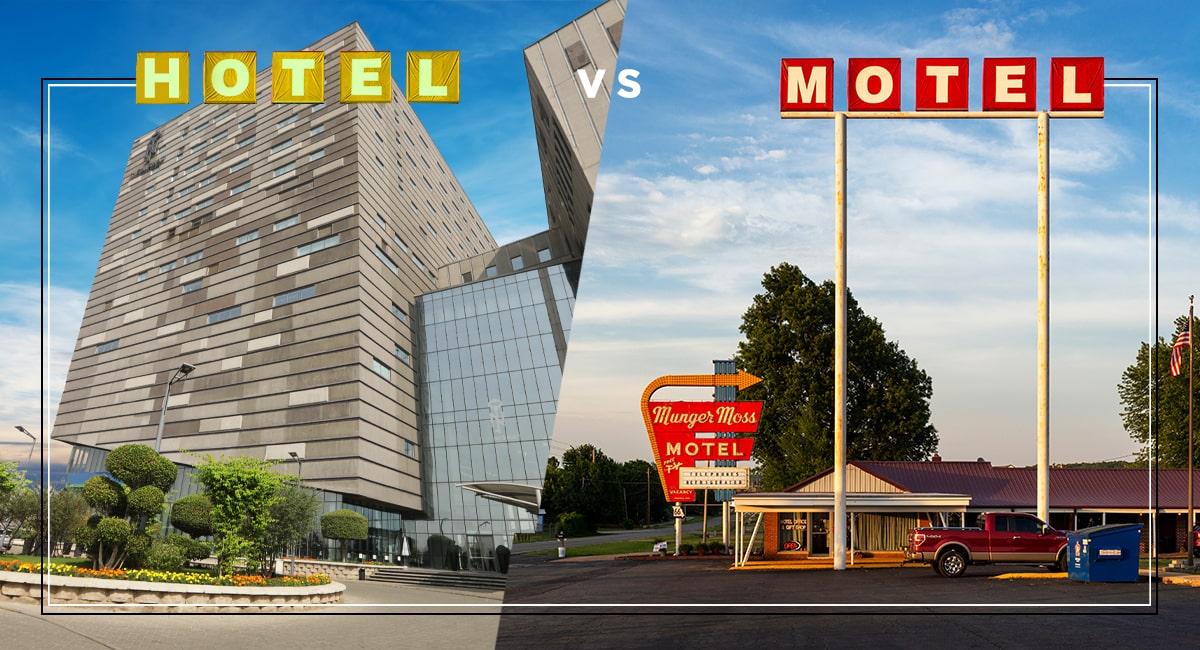
Hotels are predominantly found in urban centers, downtown areas, near major landmarks, business districts, and major tourist destinations like Times Square in New York City or the Eiffel Tower in Paris. Their location caters to guests arriving by various means of transport – flights, trains, buses, or taxis – and who intend to explore the city on foot or via public transport. They are often chosen for their proximity to cultural attractions, corporate offices, or entertainment venues. The premium on urban land means these establishments are often vertically integrated and blend into the existing city infrastructure.
Motels are typically situated along major highways, interstate exits, and suburban commercial strips. Their strategic location caters specifically to road travelers, offering easy on-and-off access from arterial roads. They are less about being a central hub for urban exploration and more about providing a convenient stopover point during a long drive. Proximity to gas stations, fast-food restaurants, and convenience stores is common, aligning with the needs of motorists. While some motels might be found on the outskirts of cities, their primary placement is dictated by vehicular accessibility, emphasizing the transient nature of their guests’ stays.
Target Audience and Travel Experience
The distinct features of hotels and motels naturally attract different types of travelers, leading to varying expectations regarding their overall travel experience.
Who Stays Where?
Hotels generally cater to a diverse clientele:
- Business travelers: Seeking full-service amenities like meeting rooms, business centers, and fine dining for corporate trips.
- Leisure travelers: Families, couples, or solo tourists looking for an immersive experience in a city, often desiring upscale amenities, proximity to attractions, and a comfortable base for their stay.
- Event attendees: Guests attending conferences, weddings, or other large gatherings where integrated facilities are key.
- International tourists: Who often rely on extensive services, language support, and a higher level of comfort during their journey.
- Luxury travelers: Seeking high-end suites, personalized service, and premium amenities associated with luxury travel.
The hotel guest often plans to spend a significant amount of time within the establishment, utilizing its various services and facilities. The stay is often part of the destination experience itself, whether it’s enjoying a gourmet meal at the hotel restaurant or unwinding by the pool after a day of sightseeing in Rome.
Motels primarily serve:
- Road trippers: Individuals or families on long drives who need a convenient and affordable place to stop for the night.
- Truck drivers and sales representatives: Business travelers whose work requires extensive driving and frequent overnight stops.
- Budget-conscious travelers: Those prioritizing affordability and basic comfort over extensive services and luxury.
- Temporary workers: Individuals needing short-term accommodation for work assignments away from home.
The typical motel guest views the establishment as a practical necessity – a place to sleep, shower, and perhaps grab a quick breakfast before continuing their journey. The focus is on functionality, cost-effectiveness, and ease of access. The stay is often just a brief interlude in a longer journey, with little expectation of elaborate services or extended leisure time within the property.
The Overall Guest Experience
The experience of staying in a hotel versus a motel is profoundly different.
In a hotel, the experience is often curated, designed to be part of the destination itself. Guests might enjoy sophisticated decor, personalized service from staff like a concierge or bellhop, multiple dining options, and a vibrant lobby atmosphere. Security is typically higher due to interior access, and soundproofing is often better. The emphasis is on comfort, convenience, and a sense of being cared for. From a business stay in Tokyo to a family trip to Walt Disney World Resort, hotels aim to enhance the overall purpose of the trip.
In a motel, the experience is typically more independent and transactional. Guests usually check in, drive to their room, and rarely interact with staff beyond the front desk. The atmosphere is generally quieter and more functional, with less emphasis on shared public spaces. While clean and comfortable, the aesthetic is often simpler, and the focus is on providing a good night’s sleep without unnecessary frills. The convenience of parking right outside the room is a major draw, allowing for quick arrivals and departures. It’s an efficient stop on a journey, rather than a destination in itself.
Price, Booking, and Modern Trends
Cost has always been a significant differentiator, and while modern trends are blurring some lines, booking methods and the evolution of both types of properties continue to offer contrasting choices.
Cost Considerations and Value
Generally, motels are more affordable than hotels. This difference in price stems directly from their simpler structure, fewer amenities, and typically less central locations. Motels operate with lower overheads, allowing them to offer more budget-friendly rates. For travelers on a tight budget or those needing a quick overnight stop, motels provide excellent value, delivering basic comfort at a lower cost per night. Budget travel often involves choosing motels for their economic advantage.
Hotels, with their extensive services, prime locations, and more elaborate facilities, generally command higher prices. The cost reflects the premium experience, the range of available amenities, and the convenience of being situated in key urban or tourist areas. Luxury hotels can be significantly more expensive, offering an unparalleled level of service and comfort. Even mid-range hotels often include amenities like a full-service breakfast or fitness center that add to their value proposition, justifying a higher price point for many travelers.
Booking Platforms and Flexibility
Both hotels and motels are widely available on various online booking platforms and travel websites. However, the decision-making process for each might differ.
When booking a hotel, travelers often consider factors like proximity to specific attractions or business venues, the availability of specific amenities (e.g., a spa, a particular type of restaurant), brand loyalty (e.g., Hilton Honors, Marriott Bonvoy), and the overall prestige or experience offered by the property. Many hotels also cater to advanced bookings for events or extended stays, offering various packages and discounts.
For motels, the decision often hinges on price, location relative to a highway exit, and guest reviews regarding cleanliness and basic comfort. Spontaneity is also a factor; many motel stays are booked last-minute by tired drivers looking for the next available stop. While online booking is prevalent, “no vacancy” signs are still a familiar sight for motels along popular routes, indicating their role in immediate, unplanned stops.
Blurring the Lines: The Modern Landscape
In recent decades, the clear distinctions between hotels and motels have become increasingly blurred.
- “Boutique Motels”: Some modern motels are embracing a more stylish design, offering updated amenities, and focusing on unique local experiences, moving away from the purely utilitarian model. These “boutique motels” might offer trendy cafes, outdoor communal areas, and personalized service, attracting a new generation of travelers seeking unique stays along scenic drives.
- “Select-Service Hotels”: Many hotel brands have introduced “select-service” or “limited-service” models, such as Holiday Inn Express or Hampton Inn. These properties adopt some motel-like efficiencies – often located off highways, offering complimentary breakfast, and focusing on essential services – while retaining the interior corridor access and higher level of comfort associated with hotels. They bridge the gap by providing a more streamlined hotel experience at a competitive price point, often appealing to both business and leisure travelers.
- Urban Motels: In some cities, older motels have been refurbished into trendy urban hotels, leveraging their unique architecture and location. Conversely, some budget hotels in less central areas might mimic the exterior access of motels to cut down on operational costs.
The rise of online travel agencies and peer-to-peer accommodation platforms has also diversified options, making it easier to find a spectrum of choices that don’t neatly fit into either category. What was once a clear binary has evolved into a continuum of lodging options, each offering a distinct blend of convenience, comfort, and cost.
Making the Right Choice for Your Trip
Understanding the traditional differences between hotels and motels is still valuable, even as the market evolves. Your ideal choice depends heavily on the nature of your trip, your budget, and your personal preferences.
If your journey involves:
- An urban exploration: Staying in a city center, relying on public transport or walking, seeking extensive amenities, and desiring a comprehensive experience (e.g., dining, fitness, concierge).
- A business trip: Needing meeting facilities, business services, and a comfortable, full-service environment.
- A longer leisure stay: Where the accommodation itself is part of the experience, offering luxury, special services, or a resort atmosphere.
Then a hotel is likely the more suitable choice. You’ll benefit from the convenience, service, and integrated facilities that hotels are designed to provide.
If your journey involves:
- A road trip: Where you’re covering long distances by car and need frequent, convenient, and affordable overnight stops.
- Budget-conscious travel: Prioritizing low cost and essential comforts over extensive services.
- Quick, transient stays: Where you primarily need a clean bed, a shower, and easy parking before getting back on the road.
Then a motel will probably offer better value and convenience. The ease of access, direct parking, and streamlined check-in/check-out process are specifically tailored for the motorist.
Ultimately, both hotels and motels serve the fundamental purpose of providing shelter away from home. While their historical paths and defining characteristics diverged significantly, the modern hospitality industry has embraced innovation, offering a wider spectrum of choices. By considering your specific travel needs and understanding the core distinctions, you can confidently select the accommodation that best enhances your overall travel experience. Whether it’s the bustling lobby of a grand urban hotel or the quiet efficiency of a roadside motel, both play a crucial role in enabling us to explore the world.
LifeOutOfTheBox is a participant in the Amazon Services LLC Associates Program, an affiliate advertising program designed to provide a means for sites to earn advertising fees by advertising and linking to Amazon.com. Amazon, the Amazon logo, AmazonSupply, and the AmazonSupply logo are trademarks of Amazon.com, Inc. or its affiliates. As an Amazon Associate we earn affiliate commissions from qualifying purchases.