
The world of travel and accommodation offers a seemingly endless array of choices, from rustic guesthouses to opulent resorts. Among the most common categories, “hotel” and “motel” are frequently used interchangeably, often leading to confusion for travelers seeking the perfect place to stay. While both provide a roof over your head and a bed for the night, their origins, structures, services, and overall guest experiences diverge significantly. Understanding these distinctions is key to making an informed decision that aligns with your travel style, budget, and itinerary.
The evolution of these two accommodation types mirrors the changing landscape of travel itself. Hotels, with their grand lobbies and extensive services, have a history rooted in the traditional inns and coaching houses that catered to travelers long before the advent of the automobile. Motels, on the other hand, are a distinctly American innovation, born from the boom of road travel in the early 20th century. This article will delve into the fundamental differences between motels and hotels, exploring their unique characteristics and helping you determine which option is best suited for your next adventure.

The Core Distinctions: History, Structure, and Location
The most apparent differences between motels and hotels often stem from their historical context, the way they are built, and where they are typically found. These foundational elements dictate much of their subsequent service offerings and guest experiences.
A Glimpse into History: Origins and Evolution
The very names “hotel” and “motel” offer a clue to their distinct pasts. The term “hotel” has French origins, derived from hôtel, referring to a grand house. Historically, hotels were established in urban centers like Paris, London, or New York City, catering to a diverse clientele including business travelers, wealthy tourists, and those seeking long-term stays. These establishments were often architectural marvels, designed to impress and provide a full suite of services within a self-contained building. They were places where one arrived by train, carriage, or, later, taxi, expecting a curated experience from the moment of arrival.
Motels, a portmanteau of “motor hotel,” emerged in the United States during the 1920s and 1930s. Their birth was directly linked to the widespread ownership of automobiles and the development of extensive highway networks, such as the iconic Route 66. Early motorists embarked on long road trips, needing convenient, affordable, and easily accessible lodging at the end of a day’s drive. Motels were designed specifically for these travelers, allowing them to pull their cars right up to their room door, unload luggage with ease, and quickly get back on the road in the morning. The first known motel, the Motel Inn in San Luis Obispo, California, opened in 1925, embodying this revolutionary concept of roadside accommodation.
Architectural and Structural Differences
The historical context directly influenced the physical design of motels and hotels, creating some of their most defining characteristics.
Motels:
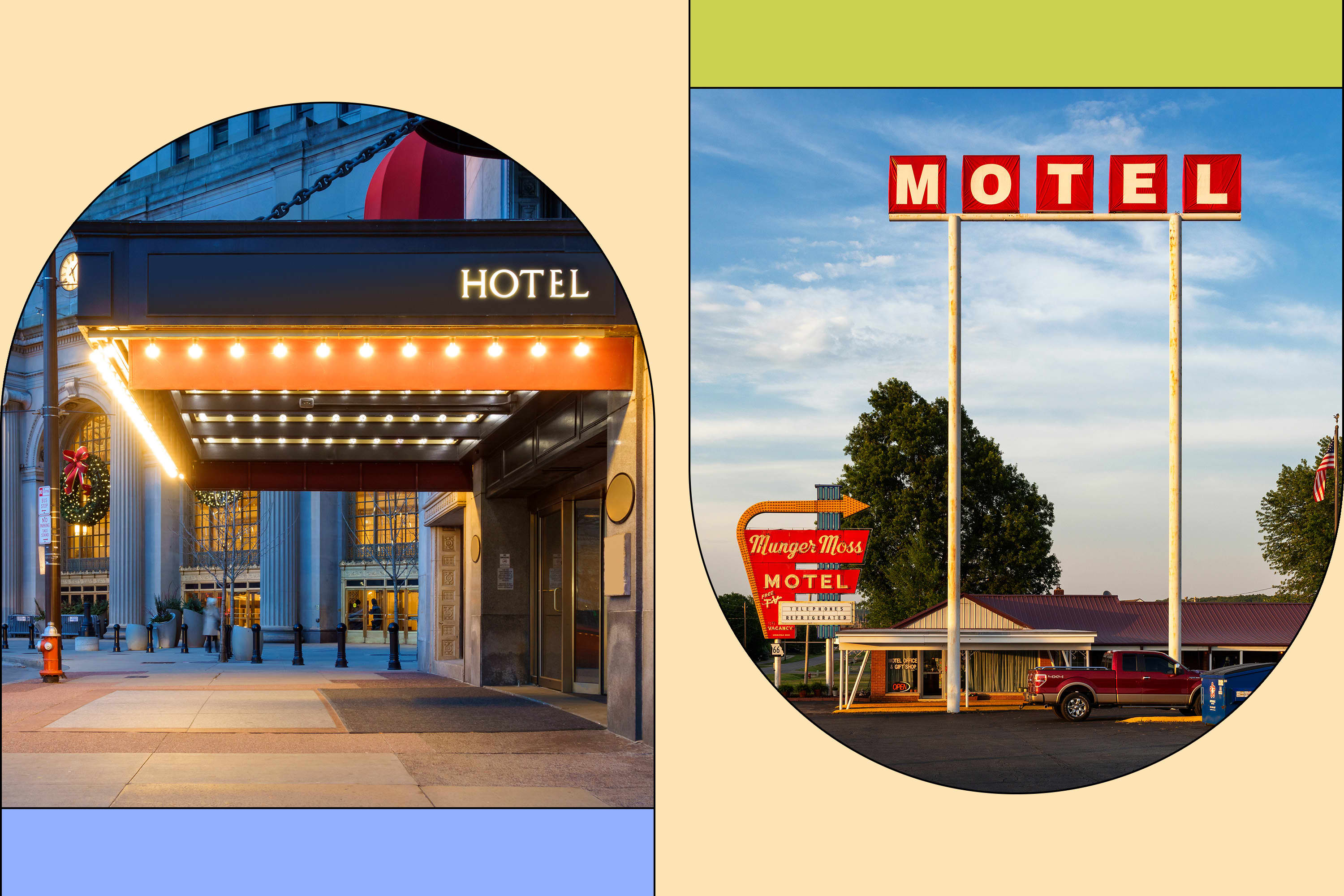
Motels are typically low-rise structures, often one or two stories high. Their most distinctive architectural feature is the direct outdoor access to each room. Guests park their vehicles in front of or very close to their room, and the room door opens directly onto an exterior walkway or the parking lot itself. This design prioritizes convenience for motorists, eliminating the need to navigate lobbies, elevators, or long internal corridors with luggage. Common layouts include U-shaped, L-shaped, or rectangular buildings surrounding a central parking area, sometimes with a small pool or courtyard in the middle. The reception or office area is usually a separate, small building at the entrance of the property. Chains like Motel 6 and Travelodge are prime examples of this classic motel architecture.
Hotels:
Hotels, in contrast, are usually multi-story buildings, ranging from boutique establishments with a few floors to towering skyscrapers found in major metropolises like Tokyo or Dubai. The defining structural characteristic of a hotel is its central lobby and interior corridor system. Guests enter through a main entrance, check-in at a front desk in a designated reception area, and then access their rooms via elevators and internal hallways. Parking, if available, is often in an underground garage, a multi-story parking structure, or a valet service. This design offers enhanced security, privacy, and a more controlled environment. Luxury hotel brands such as The Ritz-Carlton or Four Seasons exemplify the grand scale and interior focus of hotel design.
Location, Location, Location
The choice of location is another critical differentiator, reflecting the primary purpose each type of accommodation serves.
Motels:
By their very nature, motels are almost exclusively found along major roadways, highways, and interstates. They are strategically placed for ease of access for travelers in transit, often situated at exits or along arterial routes connecting towns and cities. This placement makes them ideal for spontaneous overnight stops during long road trips or for truckers needing a rest stop. While some can be found closer to towns, their primary function is to serve the transient motorist, rather than being a destination in themselves.
Hotels:
Hotels are typically located in prime real estate areas that serve specific travel purposes. This includes city centers, business districts, near popular tourist attractions (like the Eiffel Tower in Paris or Times Square in New York City), or adjacent to airports and convention centers. Their locations are chosen to provide guests with convenient access to a city’s amenities, public transportation, business opportunities, or leisure activities. A Grand Hyatt Hotel in a bustling downtown core or a Waldorf Astoria in a historic district perfectly illustrates this urban and destination-oriented placement.

Services, Amenities, and Guest Experience
Beyond their physical structures and locations, the operational philosophy of motels and hotels leads to distinct differences in the services and amenities they offer, profoundly shaping the guest experience.
The Range of Amenities and Facilities
The array of facilities available at a motel versus a hotel is one of the most significant indicators of their respective service levels.
Motels:
Motels generally offer a more basic and utilitarian set of amenities, designed to meet the fundamental needs of a short-stay traveler. Guests can expect a clean room with a bed, a private bathroom, a television, and perhaps a small desk or seating area. Beyond the room, common motel amenities might include a small outdoor swimming pool, ice machines, vending machines, and sometimes a complimentary continental breakfast served in a modest common area. Services like room service, fitness centers, full-service restaurants, or business centers are rare. The emphasis is on providing a comfortable, no-frills place to sleep. Brands such as Best Western often have properties that blur the line, but many of their more traditional roadside locations lean towards motel-style amenities.
Hotels:
Hotels, by contrast, offer a vast spectrum of amenities that vary dramatically with their star rating, brand, and target market. Even mid-range hotels typically provide more extensive facilities than a standard motel, including a lobby with a 24-hour reception desk, an on-site restaurant or bar, fitness centers, and meeting rooms. Higher-end hotels and luxury resorts can boast an impressive array of features: multiple dining options (fine dining, casual cafes), full-service spas, large swimming pools (indoor and outdoor), concierge services, valet parking, bellhops, business centers, gift shops, and sometimes even theaters or private beaches. Hotel chains like Hilton, Marriott, and IHG (InterContinental Hotels Group) are renowned for their diverse portfolios, offering everything from budget-friendly options to ultra-luxurious experiences tailored to specific guest needs.
Check-in, Security, and Guest Interaction
The way guests interact with the property and its staff, as well as the level of security, also differs considerably.
Motels:
Checking into a motel is typically a quick and informal process. Guests usually pull up to a small office building, complete a brief registration, receive their key, and then drive directly to their room. The direct outdoor access, while convenient for parking, means there’s generally less centralized security compared to a hotel. While locks and surveillance systems are standard, the immediate external access can sometimes feel less private or secure for some travelers. Interaction with staff is often minimal, primarily limited to check-in/check-out.
Hotels:
Hotel check-in is a more formal affair, taking place at a reception desk within a secure, grand lobby. Guests often pass through controlled access points and utilize elevators to reach their rooms, which are accessed via interior corridors. This design inherently provides a higher level of security and privacy, as access to guest floors is often restricted to key card holders. Hotels also typically have more staff on hand, including concierge services to assist with bookings and recommendations, bellhops to help with luggage, and security personnel, all contributing to a more comprehensive and service-oriented guest experience.
Target Audience and Typical Stays
The intended guest and the average length of stay also diverge significantly between the two accommodation types.
Motels:
Motels primarily cater to transient travelers, such as road trippers, truck drivers, sales representatives on the go, and budget-conscious vacationers seeking a convenient overnight stop. Stays are typically very short, often just one or two nights. The guest’s priority is usually a clean, comfortable, and affordable place to rest before continuing their journey. Think of families driving to Walt Disney World or adventurers exploring Yellowstone National Park who need a series of quick overnights along the way.
Hotels:
Hotels serve a much broader demographic, including business travelers, tourists exploring a specific city, families on longer vacations, and groups attending conferences or events. Stays can range from a single night to several weeks, particularly in extended-stay hotels or serviced apartments. The hotel experience is often integral to the overall trip, offering a base for exploration, a comfortable retreat after a day of meetings, or a luxurious escape. From honeymooners in the Maldives to executives on a business trip to Sydney, hotels accommodate diverse and often longer-term needs.
Pricing, Purpose, and Perceptions
The cost, underlying purpose, and public perception of motels and hotels further solidify their distinct identities in the hospitality landscape.
Cost-Effectiveness and Value Proposition
For many travelers, price is a deciding factor, and here, motels generally hold a clear advantage.
Motels:
Motels are almost universally more affordable than hotels. Their lower operational costs (less staff, fewer amenities, simpler construction) translate into lower room rates, making them an excellent choice for budget travel. The value proposition of a motel lies in providing clean, basic, and convenient accommodation at the lowest possible price point. This makes them ideal for travelers who view their lodging as purely a place to sleep, preferring to spend their money on experiences, dining, or other aspects of their trip.
Hotels:
Hotel prices vary dramatically, from budget-friendly options that compete with motels to ultra-luxury establishments with nightly rates in the thousands. The value of a hotel stay is derived not just from the room itself, but from the extensive services, enhanced amenities, prime location, and overall elevated experience it offers. Guests often pay a premium for comfort, security, personalized service, and access to a wider range of facilities like spas, gourmet restaurants, or sophisticated business centers.
The Evolving Purpose of Each Accommodation Type
While their core purposes remain, both motels and hotels have evolved to meet modern demands.
Motels:
The purpose of a motel remains rooted in roadside convenience. However, many contemporary motels are undergoing revitalization, transforming into “boutique motels” or “design motels.” These establishments retain the direct-access charm but elevate the design, amenities, and overall experience, appealing to a new generation of travelers seeking unique, stylish, and still relatively affordable lodging. This evolution ensures the motel concept remains relevant in an increasingly competitive accommodation market.
Hotels:
Hotels continue to be the cornerstone of leisure, business, and event travel. The hotel sector has diversified significantly, introducing new concepts like eco-lodges, serviced apartments for extended stays, and highly themed experience hotels (e.g., in Las Vegas or near major theme parks). They constantly innovate to cater to specific niches, from wellness retreats in Switzerland to family-friendly resorts in the Caribbean, ensuring their continued dominance in providing comprehensive travel experiences.
Perceptions and Stereotypes
Public perception, often influenced by media and historical context, also plays a role in how motels and hotels are viewed.
Motels:
Motels can sometimes carry a dated or even negative connotation, associated with older, rundown establishments or, in pop culture, with transient or less reputable activities. This stereotype, while not universally true, can influence a traveler’s perception. However, as mentioned, the rise of boutique motels is actively working to reshape this image, emphasizing unique character and modern comforts.
Hotels:
Hotels generally command a more upscale and professional image. They are often perceived as more secure, comfortable, and service-oriented. Major hotel chains have invested heavily in branding and consistency, fostering trust and a sense of reliability among travelers. While budget hotels exist, the overarching perception leans towards a higher standard of quality and service.
Choosing the Right Accommodation for Your Trip
Understanding the distinctions is one thing; applying that knowledge to your specific travel needs is another. The “better” option between a motel and a hotel is entirely subjective and depends on your individual circumstances.
Factors to Consider: Budget, Itinerary, and Preferences
When deciding between a motel and a hotel, several practical considerations should guide your choice:
- Budget: If minimizing accommodation costs is your top priority, a motel will almost always be the more economical choice. For travelers with more flexible budgets or those willing to spend more for amenities and services, a hotel offers a wider range of options.
- Itinerary and Purpose of Travel: Are you on a multi-day road trip with frequent overnight stops? A motel’s convenience and quick access make it ideal. Are you planning to explore a city for several days, attend a conference, or enjoy a luxurious getaway? A hotel, with its central location and extensive amenities, will likely enhance your experience.
- Amenities and Services Desired: Do you simply need a clean bed and a shower? A motel will suffice. Do you require a gym, swimming pool, on-site dining, room service, a business center, or concierge assistance? A hotel is necessary to meet these needs.
- Security and Privacy Concerns: While both offer security, the internal corridor system and staffed lobbies of hotels generally provide a heightened sense of safety and privacy for some guests.
- Travel Style and Company: A solo traveler on a tight budget might prefer a motel, while a family on vacation might prioritize a hotel with a pool, kid-friendly activities, and dining options. Business travelers often need the amenities a hotel provides, such as meeting spaces and reliable Wi-Fi.
Examples of Niche Accommodation
It’s also worth noting that the lines between motels and hotels can sometimes blur, and various niche accommodations exist that offer unique blends of features. For instance, some airport hotels, while multi-story, might offer more direct parking access or streamlined check-in processes akin to a motel for quick overnight layovers. Conversely, modern “boutique motels” offer high-design interiors, curated amenities, and personalized service typically associated with boutique hotels, all while retaining their roadside, direct-access structure. Similarly, other accommodation types like vacation rentals (e.g., Airbnb), hostels, or traditional bed and breakfasts cater to different segments of the travel market, each with its own set of characteristics and target audiences.
In conclusion, both motels and hotels play vital roles in the global tourism and accommodation landscape. While motels prioritize convenience, affordability, and direct access for the transient motorist, hotels focus on comprehensive services, diverse amenities, and strategic locations for a broader array of travelers seeking varied experiences. By understanding these fundamental differences, you can confidently choose the accommodation that best suits your journey, ensuring a comfortable and enjoyable stay no matter where your travels take you.