
The terms “motel” and “hotel” are often used interchangeably, leading to confusion about their distinctions. While both offer lodging, they cater to different needs and originated from distinct eras of travel. Understanding these differences can help travelers make informed choices based on their priorities, budget, and travel style. This exploration delves into the historical context, architectural characteristics, amenity offerings, and target demographics of motels and hotels, providing a clear comparison.
Historical Evolution and Origins
The divergence between motels and hotels is deeply rooted in the evolution of transportation and societal needs.

The Rise of the Hotel
Hotels, in their modern sense, emerged from the grand inns and coaching houses of centuries past. As travel became more sophisticated and accessible, particularly with the advent of the railway in the 19th century, larger, more established establishments arose in city centers and along major transportation routes. These early hotels aimed to provide a comprehensive hospitality experience, often including dining rooms, lounges, and services for a discerning clientele. They were symbols of urban development and often featured opulent architecture, reflecting the status of their patrons. Cities like Paris and London became renowned for their grand hotels, setting standards for comfort and service that would influence the industry for generations.
The Birth of the Motel
The motel’s genesis is inextricably linked to the rise of the automobile in the early 20th century. As the popularity of road trips surged across countries like the United States, travelers needed convenient, roadside accommodations that were easily accessible by car. The term “motel” itself is a portmanteau of “motor” and “hotel,” highlighting its direct association with automotive travel. The first establishment to coin the term “motel” was the Markel Inn in San Luis Obispo, California, opened in 1925. These early motels were characterized by their proximity to highways, ample parking, and a focus on providing a simple, functional place to rest for the night before continuing a journey. They were designed to be practical for motorists, often featuring exterior corridors and direct access to rooms from the parking lot.
Architectural and Design Differences
The distinct origins of motels and hotels have profoundly shaped their architectural and design characteristics.
Hotel Architecture: Grandeur and Centrality
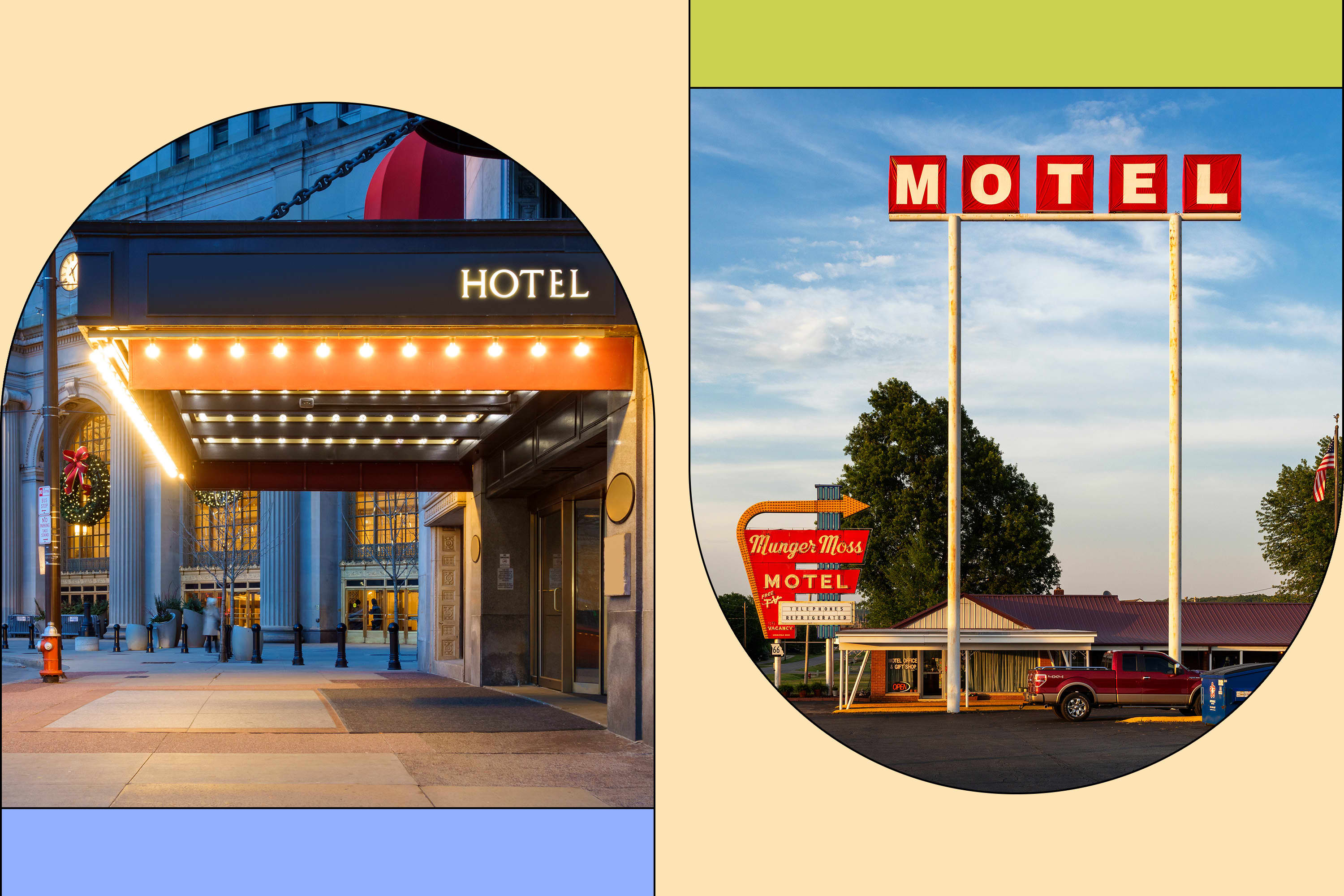
Hotels typically present a more imposing and centralized structure. They are often multi-story buildings, sometimes featuring a grand lobby as the focal point. The design prioritizes a controlled and secure environment, with guest rooms accessed via internal corridors, elevators, and stairwells. This layout contributes to a sense of privacy and can facilitate a wider range of on-site amenities, as space is often not a constraint. Many hotels, especially in urban settings, boast distinctive architecture, ranging from historic, landmark buildings to modern skyscrapers, reflecting their integration into the cityscape. The emphasis is on creating a comprehensive hospitality experience within a single, cohesive structure.
Motel Architecture: Accessibility and Practicality
Motels, by contrast, are characterized by a more spread-out, low-rise design. They often consist of a series of individual units or rooms arranged in a linear fashion, typically with exterior entrances that open directly onto a parking area. This design is a direct response to the needs of car travelers, allowing for easy unloading of luggage and immediate access to their rooms. The layout prioritizes convenience and efficiency for those on the move. While some modern motels have adopted more contemporary designs, the fundamental principle of direct vehicular access and parking outside individual rooms remains a defining feature.
Amenities and Services
The range and nature of amenities and services offered are another key differentiator between motels and hotels.

Hotel Amenities: Comprehensive and Full-Service
Hotels generally offer a wider array of amenities and services designed to cater to a diverse range of guest needs. These can include:
- On-site dining: Restaurants, cafes, and bars providing full meal services.
- Recreational facilities: Swimming pools, fitness centers, spas, and sometimes even golf courses or sports courts, particularly in resort hotels.
- Business services: Meeting rooms, conference facilities, business centers, and Wi-Fi access.
- Concierge services: Assistance with bookings, recommendations, and travel arrangements.
- Room service: The convenience of ordering food and beverages to be delivered to the room.
- Housekeeping and maintenance: Daily cleaning services and prompt attention to any guest needs.
- Lobby areas: Welcoming spaces for guests to relax, socialize, or work.
Hotels aim to provide a complete hospitality experience, allowing guests to fulfill most of their needs without leaving the premises.
Motel Amenities: Essential and Functional
Motels typically focus on providing essential amenities that meet the immediate needs of travelers. These are often more streamlined and functional, prioritizing comfort and a place to rest. Common motel amenities include:
- Basic in-room facilities: A bed, bathroom, television, and sometimes a small refrigerator or microwave.
- Parking: Ample, usually free, parking directly outside or adjacent to rooms.
- Wi-Fi: Increasingly standard, though sometimes at an additional cost or with variable quality.
- Vending machines: For snacks and beverages.
- Coffee makers: In some rooms or a central breakfast area.
- Exterior access: Direct entry from parking to rooms.
While some modern or upscale motels might offer additional features like a small breakfast area or a swimming pool, their core offering remains focused on providing a clean, safe, and convenient place to stay for a short duration.
Target Demographics and Travel Styles
The distinct characteristics of motels and hotels naturally attract different types of travelers and cater to specific travel styles.
Hotels: Business Travelers, Tourists, and Extended Stays
Hotels serve a broad spectrum of travelers. Business travelers often choose hotels for their convenient locations in urban centers, access to business facilities, and reliable services. Tourists may opt for hotels based on their proximity to attractions, the range of amenities that enhance their vacation experience, and the perceived level of comfort and service. Hotels also cater to extended stays, with many offering suites or apartment-style accommodations for longer durations. The varying price points and star ratings within the hotel sector allow for options ranging from budget-friendly accommodations to ultra-luxury resorts like those found in the Maldives.
Motels: Road Trippers, Budget-Conscious Travelers, and Short Stays
Motels are primarily the domain of road trippers and budget-conscious travelers. Those on cross-country journeys, passing through a town for a single night, find motels ideal due to their roadside accessibility and straightforward pricing. They offer a practical solution for resting between long drives, avoiding the need to deviate significantly from the route. Families on road trips or individuals seeking the most economical lodging option often gravitate towards motels. The emphasis is on functionality and affordability for short, transitional stays, making them a vital component of the travel infrastructure for those exploring by car.
Conclusion: A Matter of Purpose and Priority
In essence, the difference between motels and hotels boils down to their historical context, design intent, and the primary needs they aim to fulfill. Hotels, with their roots in established hospitality, offer a comprehensive, often amenity-rich experience for a diverse clientele, including business travelers and vacationers seeking comfort and services. Motels, born from the age of the automobile, provide accessible, functional, and budget-friendly lodging primarily for road travelers and those needing a simple overnight stop. While the lines can sometimes blur with modern renovations and evolving concepts, understanding these core distinctions empowers travelers to select the accommodation that best aligns with their journey’s purpose and their personal priorities.
LifeOutOfTheBox is a participant in the Amazon Services LLC Associates Program, an affiliate advertising program designed to provide a means for sites to earn advertising fees by advertising and linking to Amazon.com. Amazon, the Amazon logo, AmazonSupply, and the AmazonSupply logo are trademarks of Amazon.com, Inc. or its affiliates. As an Amazon Associate we earn affiliate commissions from qualifying purchases.