
California, often celebrated for its sun-drenched landscapes, iconic cities, and vibrant lifestyle, beckons millions of travelers and aspiring residents each year. From the bustling boulevards of Los Angeles and the tech-savvy corridors of Silicon Valley to the breathtaking coastal drives along the Pacific Coast Highway and the serene vineyards of Napa Valley, the Golden State offers an unparalleled tapestry of experiences. With so much time spent driving, whether commuting to work, embarking on a road trip through Yosemite National Park, or simply navigating the city streets, the comfort and protection offered by window tinting become an increasingly relevant consideration. For many, tinted windows are not just an aesthetic choice; they are a practical necessity, providing relief from the intense California sun, enhancing privacy, and even improving fuel efficiency by reducing the need for air conditioning.
However, the desire for cooler, more private vehicle interiors must be balanced with adherence to California’s specific and often stringent window tinting laws. Navigating these regulations can be a perplexing task for both long-time residents and newcomers, especially those arriving from states with different rules. The California Department of Motor Vehicles (DMV) and the California Highway Patrol (CHP) are diligent in enforcing these laws, and ignorance is rarely an acceptable excuse for non-compliance. Understanding “what’s the legal tint in California?” is not just about avoiding a ticket; it’s about ensuring safety, maintaining clear visibility for drivers and law enforcement, and enjoying your time in this magnificent state without unnecessary legal hassles. This comprehensive guide aims to demystify California’s window tint laws, offering practical advice for travelers, residents, and anyone considering a car purchase or rental in the state. We’ll delve into the specific percentages, explore the reasons behind the regulations, discuss their impact on your travel and lifestyle, and provide insights into navigating potential issues.
Understanding California’s Window Tint Regulations
The nuances of window tinting laws in the United States vary significantly from state to state, and California is no exception. Its regulations are meticulously outlined in the California Vehicle Code, designed to balance driver and passenger comfort with public safety and law enforcement visibility. The primary concept to grasp is Visible Light Transmission (VLT), which measures the percentage of visible light that passes through your car windows. A lower VLT percentage means darker tint; for example, 5% VLT is very dark, often referred to as “limo tint,” while 70% VLT is relatively light. California’s laws specify different VLT requirements for various windows of a vehicle, taking into account their critical roles in visibility.
The Basics: VLT Explained and Front Window Rules
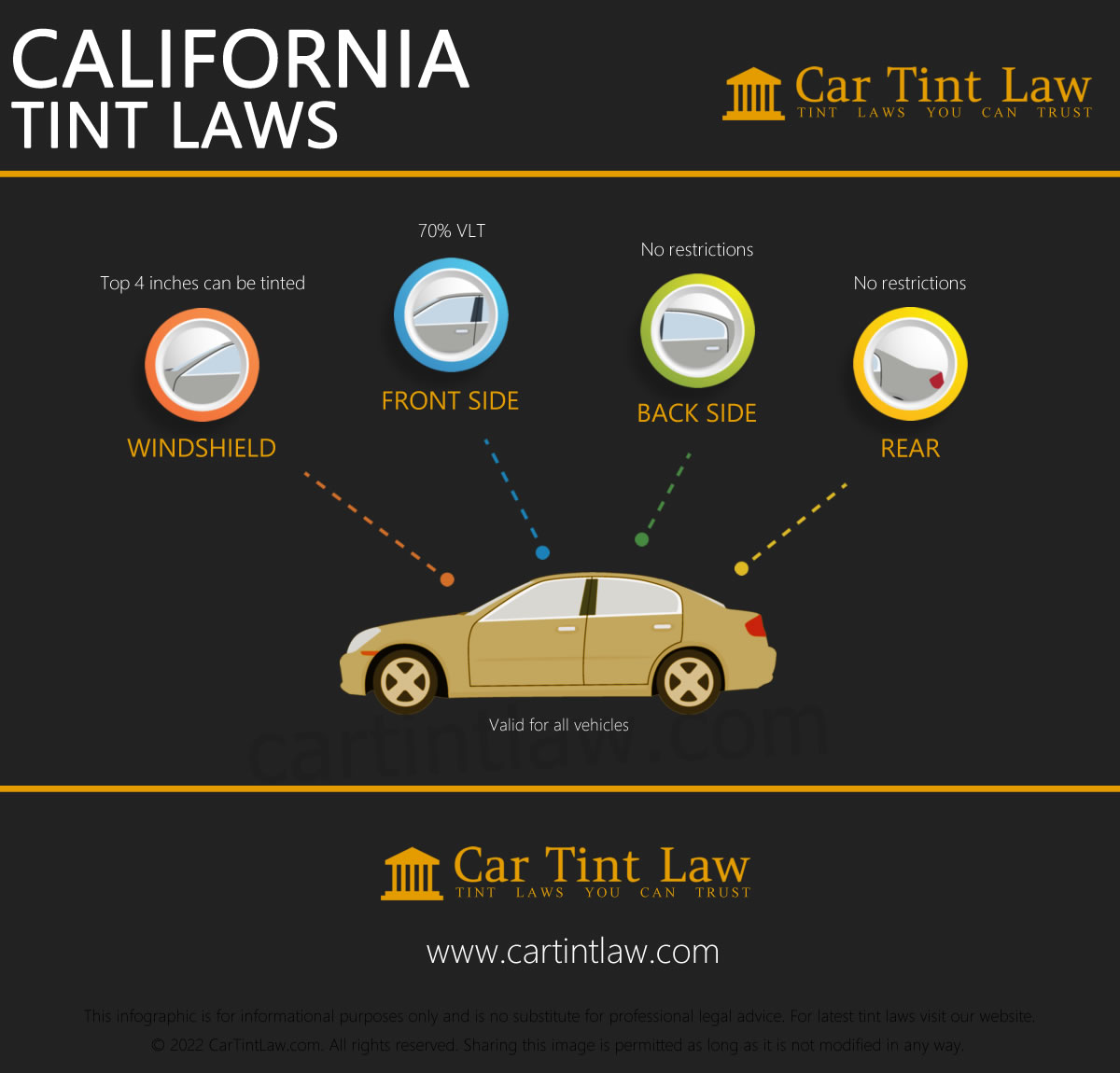
The most critical and often misunderstood aspects of California’s tint laws pertain to the front of the vehicle. According to the California Vehicle Code, specifically Section 26708, there are clear restrictions:
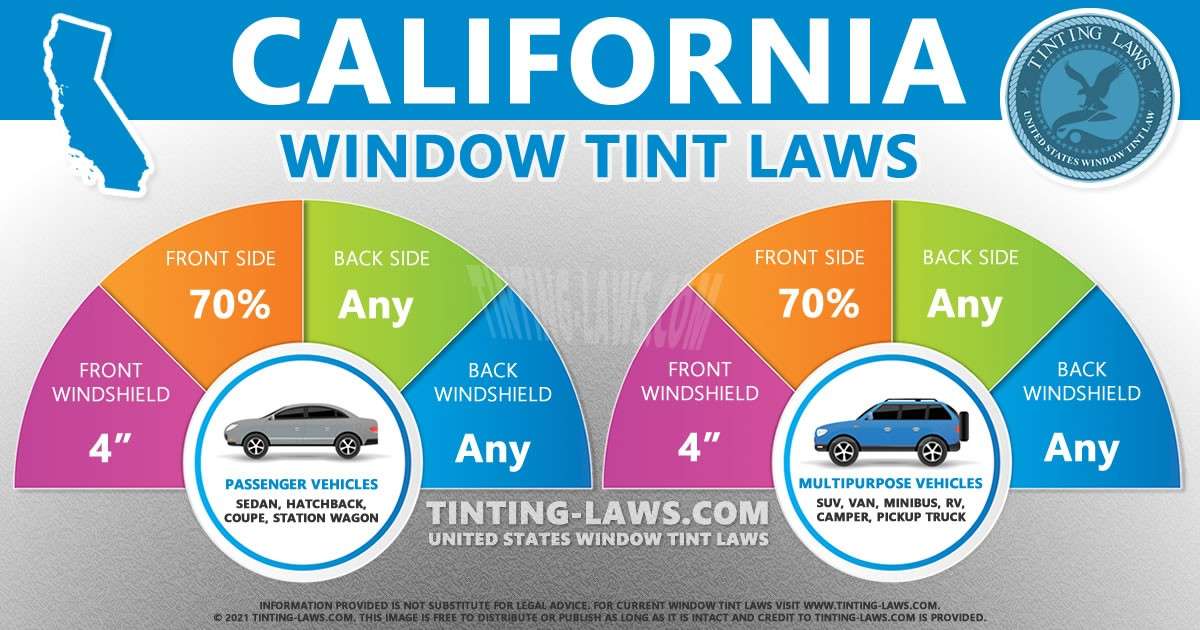
- Windshield: Absolutely no tinting is allowed on the windshield below the manufacturer’s AS-1 line or the top 4 inches of the windshield, whichever is lower. This strip must be transparent and not reflective. The purpose is to ensure an unobstructed view of the road ahead, crucial for safe driving. Any tint below this line is illegal, regardless of its VLT percentage.
- Front Side Windows: These are the windows directly to the left and right of the driver. California law mandates that these windows must allow at least 70% of visible light to pass through. This means that the tint combined with the factory glass must result in a VLT of 70% or higher. For most vehicles, the factory glass itself already has a slight tint, typically around 70-80% VLT. Therefore, applying any aftermarket tint, even a very light one, to these windows will likely push them below the 70% threshold, rendering them illegal. This strict rule is primarily for law enforcement and emergency personnel, allowing them a clear view of the vehicle’s occupants and interior.
Understanding these front window regulations is paramount. While some drivers might be tempted to opt for darker tints for added privacy or sun protection, the risks of non-compliance, particularly on these critical windows, are high. When renting a car for your trip to San Diego or a tour of Hollywood, ensure it complies with these rules, especially if it’s an out-of-state vehicle, to avoid unexpected issues with local authorities.
Rear Windows and Specific Exemptions
While the front window rules are quite restrictive, California offers more leniency for the rear of the vehicle, acknowledging the reduced safety impact of darker tints in these areas.
- Rear Side Windows: The windows immediately behind the front side windows can be tinted to any darkness, meaning there is no specific VLT percentage requirement. You can opt for 5% “limo tint” or anything lighter without violating this part of the law.
- Rear Window (Back Window): Similar to the rear side windows, the back window can also be tinted to any darkness. However, if the rear window is tinted, the vehicle must have dual outside rearview mirrors. This ensures that the driver still has adequate rear visibility, compensating for any obstruction caused by a very dark back window tint. Most modern vehicles are equipped with dual outside mirrors as standard, so this is rarely an issue for contemporary cars.
Medical Exemptions: California law does provide a narrow exemption for individuals with a medical condition that requires protection from the sun’s harmful rays. To qualify for a medical exemption, a driver must obtain a letter from a licensed physician stating the necessity for tinted windows. This letter must be carried in the vehicle at all times and presented to law enforcement upon request. Even with a medical exemption, there are still limitations, and the tint generally cannot be as dark as desired, particularly on the front windows. It’s crucial to consult with the DMV or a legal professional to fully understand the specific requirements and restrictions surrounding medical exemptions, as misinterpretation can still lead to penalties.
Why Tint Matters: Beyond the Law for Travelers and Residents
Beyond the legal framework, the decision to tint vehicle windows, or to rent a car that is already tinted, carries significant implications for comfort, safety, and the overall driving experience in California. The state’s climate, characterized by abundant sunshine and often high temperatures, makes window tinting an appealing, if not essential, feature for many drivers. For tourists exploring the vast expanses from Death Valley National Park to the beaches of Santa Monica, and for residents commuting through the perpetually sunny Central Valley or the urban sprawl of San Francisco, the benefits extend far beyond mere aesthetics.
Sun Protection and Comfort on California’s Roads
The radiant California sun, while beautiful, can be relentless. Driving under its intense glare, especially during peak hours or on long journeys, can lead to discomfort, eye strain, and even dangerous driving conditions. High-quality window tints offer several tangible benefits that enhance comfort and protection:
- UV Ray Protection: Most modern window films block a significant percentage (up to 99%) of harmful ultraviolet (UV) A and B rays. This is crucial for protecting occupants from skin damage, premature aging, and reducing the risk of skin cancer, a particular concern given the amount of time people spend in their cars. It also protects the vehicle’s interior from fading and cracking.
- Heat Reduction: Tinted windows can dramatically reduce the amount of solar heat entering the vehicle, keeping the interior cooler. This is especially valuable in California’s warmer regions like Palm Springs or during summer road trips across the Mojave Desert. A cooler interior reduces the reliance on air conditioning, which in turn can lead to improved fuel efficiency – a small but welcome benefit for budget-conscious travelers and residents alike.
- Glare Reduction: The intense glare from the sun, especially when driving west in the late afternoon, or reflections from other vehicles and surfaces, can impair visibility and cause driver fatigue. Tint reduces this glare, making for a safer and more comfortable driving experience. This is particularly beneficial when navigating the winding roads of Big Sur or the busy freeways around Sacramento.
For families traveling with children or individuals with sensitive skin, the protective aspect of window tinting cannot be overstated. It transforms the car interior into a more comfortable and safer environment, crucial for long sightseeing trips or daily commutes across the sprawling Southern California landscape.
Privacy, Security, and Aesthetic Appeal

Beyond the practical benefits of sun protection, window tinting also plays a significant role in privacy, security, and the overall look of a vehicle, aligning with various lifestyle choices:
- Enhanced Privacy: Darker tints, particularly on rear windows, offer increased privacy for occupants and belongings inside the vehicle. This can be particularly appealing for celebrities in Beverly Hills, families on vacation with luggage, or anyone carrying valuables. It provides a sense of seclusion, transforming the car into a more personal space.
- Increased Security: By making it harder for outsiders to peer into the vehicle, tint can act as a deterrent against smash-and-grab thefts. If potential thieves can’t easily see what’s inside, they’re less likely to target your vehicle. This added layer of security offers peace of mind, whether you’re parked at a popular San Francisco tourist attraction like Pier 39 or an overnight hotel.
- Aesthetic Enhancement: For many car enthusiasts, window tint is a fundamental component of their vehicle’s aesthetic. It can give a car a sleek, polished, and sophisticated look, enhancing its lines and adding to its overall appeal. Whether it’s a luxury sedan cruising through Malibu or a robust SUV embarking on an adventure to Joshua Tree National Park, tint can elevate its visual presence, reflecting a certain lifestyle choice.
From luxury travel to more budget-conscious adventures, the ability to customize one’s vehicle, or to select a rental that offers these features, significantly impacts the user experience. The desire for a vehicle that looks good, feels comfortable, and offers a degree of privacy and security is a common thread among drivers in California.
Navigating Enforcement and Penalties in the Golden State
Understanding California’s tint laws is one thing; navigating their enforcement is another. The California Highway Patrol (CHP) and local police departments are vigilant in identifying and citing vehicles with illegal tint. For residents, this can mean a routine traffic stop turning into an unexpected fine. For travelers, it can add an unwelcome layer of stress to a vacation, potentially derailing plans and incurring unforeseen costs. It’s crucial to be aware of the consequences and how to minimize your risk, especially when considering a long-term stay or a multi-city tour involving destinations like Anaheim’s theme parks or the cultural hubs of Oakland.
What Happens If You’re Pulled Over?
If a law enforcement officer suspects your vehicle has illegal window tint, they may pull you over. The typical procedure and potential penalties are as follows:
- Initial Stop and Inspection: An officer will usually use a tint meter to measure the VLT percentage of your windows on the spot. If the tint is found to be in violation of the legal limits, particularly on the front side windows or windshield, you will likely receive a citation.
- “Fix-It” Ticket: In most cases, a first offense for illegal window tint in California results in a “fix-it ticket,” also known as a compliance or correctable violation. This means you are given a certain period (usually around 30 days) to remove the illegal tint and then have a law enforcement officer sign off on the correction. Once corrected and signed off, you must submit proof of correction to the court, usually with a small administrative fee. If you fail to correct the tint or provide proof of correction by the deadline, the ticket can escalate into a much more significant fine, potentially with additional court fees and even points on your driving record.
- Fines: While the initial fine for a “fix-it” ticket might be relatively low, the total cost can quickly add up when considering the cost of tint removal (which can be professional, or a time-consuming DIY task), the administrative fees, and any potential court surcharges. Repeat offenders or those who refuse to correct the violation may face higher fines and more severe consequences.
- Vehicle Code Sections: The primary section of the California Vehicle Code pertaining to window tinting is 26708 VC. Officers often cite this section, which covers various aspects of windshield and window transparency.
It’s important to approach any interaction with law enforcement respectfully and cooperatively. Arguing about the tint laws or refusing to comply will only exacerbate the situation.
Tips for Car Rental and Vehicle Purchase in California
For individuals traveling to California or considering a move, understanding tint laws impacts both car rentals and purchases:
- Car Rentals: When renting a vehicle from agencies in cities like San Jose, Riverside, or Long Beach, it’s generally safe to assume that the vehicles provided will comply with California tint laws. Rental companies are diligent in maintaining their fleet to legal standards to avoid liabilities. However, if you rent an exotic or luxury vehicle, or if you’re renting from a peer-to-peer car-sharing service, it’s wise to visually inspect the windows, particularly the front ones, to ensure they aren’t excessively tinted. This is especially true if you are picking up a vehicle that might have been recently brought in from a state with more lenient tint laws, such as Arizona or Nevada.
- Vehicle Purchase: If you are purchasing a used car in California, especially from a private seller or an independent dealership, explicitly ask about the window tint. If the car has aftermarket tint on the front windows, verify its legality. It’s common for sellers to remove illegal tint before selling, but it’s not always guaranteed. Factor in the cost of tint removal if you discover the tint is non-compliant, as you will be responsible for it once you own the vehicle.
- Out-of-State Vehicles: If you’re moving to California with a vehicle tinted in another state, you will need to ensure it meets California’s regulations. When you register your car in the state, it may undergo an inspection, and non-compliant tint could cause delays or require immediate removal. It’s advisable to address any illegal tint before or shortly after your arrival to avoid issues during vehicle registration and subsequent driving.
The Broader Context: Tinting and Your California Experience
Window tinting in California is more than just a regulatory detail; it’s a topic that touches upon aspects of travel, lifestyle, and even personal preference within the state’s unique environment. Understanding its broader context helps residents and visitors make informed decisions, ensuring a seamless and enjoyable experience in the Golden State.
Comparing California to Other States and International Travel
The variety of tint laws across the United States can be a source of confusion. Many states, such as Florida or Texas, have more lenient laws regarding front window tint, often allowing 25% or 35% VLT. This stark contrast makes California’s 70% VLT rule for front side windows particularly restrictive in comparison. For residents of neighboring states like Oregon or Nevada who frequently cross into California for tourism in places like Lake Tahoe or San Francisco, it’s crucial to be aware that your vehicle’s tint, legal in your home state, might be illegal in California. While enforcement might be less aggressive for out-of-state vehicles on short visits, it’s still a risk.
Internationally, tinting laws also vary widely. Visitors from countries with very dark legal tints might find California’s rules surprisingly strict. This global perspective underscores why local regulations, even seemingly minor ones, are essential knowledge for any international traveler planning to drive.
Choosing the Right Tint: Practical Advice for a Seamless Journey
Given the strict regulations, if you’re a California resident or planning to become one, choosing the right tint involves more than just selecting a shade.
- Opt for Professional Installation: Always choose a reputable and experienced professional installer. They are familiar with California’s specific laws and will be able to advise you on legal options. A professional installer will also use high-quality film that lasts longer, performs better, and comes with a warranty. They often have tint meters to ensure compliance with the 70% VLT rule for front windows, should you choose to apply a very light, almost clear, UV-blocking film that still meets the legal threshold.
- Types of Tint: Consider different types of tint films.
- Dyed Film: Most affordable, offers privacy and some heat reduction, but fades over time.
- Metalized Film: Contains metallic particles, offers good heat rejection and UV blocking, but can interfere with GPS and radio signals.
- Carbon Film: Contains carbon particles, offers excellent heat rejection and UV blocking, doesn’t fade, and doesn’t interfere with signals.
- Ceramic Film: The highest quality and most expensive, uses ceramic particles to block up to 99% of UV rays and significant heat, without interfering with electronics. It’s also highly durable and can be very clear, making it a viable option for front windows if you only need UV and heat protection without significant darkening.
- Prioritize Safety and Legality: Remember that the primary goal of tint laws is safety. While a darker tint might offer more privacy, it can also reduce visibility, especially at night or in adverse weather conditions. Always prioritize clear visibility, particularly for the driver’s front and side views. For the rear windows, where darker tints are permissible, you can indulge in more privacy while still adhering to the dual rearview mirror requirement.
In conclusion, navigating the legal landscape of window tint in California is an integral part of responsible vehicle ownership and enjoyable travel throughout the state. By understanding the specific VLT percentages, the rationale behind the laws, and the potential consequences of non-compliance, you can ensure your vehicle not only looks great and provides comfort from the sun but also remains fully compliant with the Golden State’s regulations. Whether you’re planning a scenic drive through Carmel-by-the-Sea, a business trip to Silicon Valley, or settling into a new home in Orange County, knowing your tint limits will contribute to a hassle-free and memorable California experience.
LifeOutOfTheBox is a participant in the Amazon Services LLC Associates Program, an affiliate advertising program designed to provide a means for sites to earn advertising fees by advertising and linking to Amazon.com. Amazon, the Amazon logo, AmazonSupply, and the AmazonSupply logo are trademarks of Amazon.com, Inc. or its affiliates. As an Amazon Associate we earn affiliate commissions from qualifying purchases.