
While planning a trip to the vibrant state of Alabama, whether for a relaxing resort getaway, exploring historical landmarks, or indulging in the local lifestyle, understanding the economic landscape can offer a deeper appreciation for the region. One fundamental aspect of this economic picture is the minimum wage. For many travelers, especially those interested in budget travel or understanding local living costs, knowing the minimum wage in Alabama is a crucial piece of information. This guide delves into what the minimum wage is in Alabama, how it compares to national standards, and what implications it might have for your travel experiences, from choosing accommodations to engaging with local tourism.
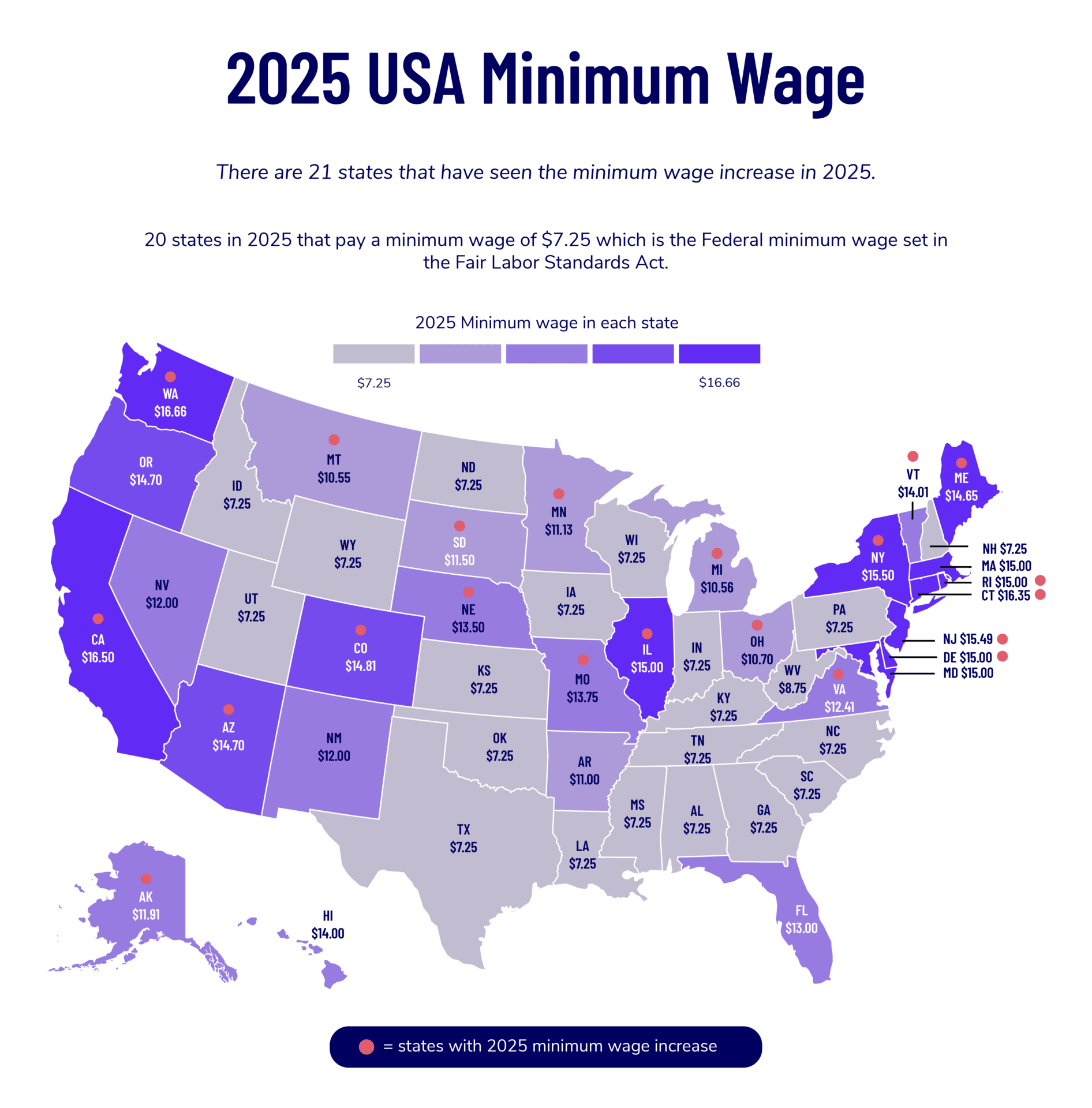
Alabama, like many states in the United States, operates under a minimum wage structure that aims to provide a baseline income for workers. This figure is not static and can be subject to change based on federal and state legislative actions. For anyone planning to work in Alabama, even temporarily, or simply curious about the economic underpinnings of the places they visit, understanding this rate is essential. It impacts everything from the cost of services at various hotels and resorts to the affordability of local activities and dining experiences.
Federal vs. State Minimum Wage in Alabama
Understanding the minimum wage in Alabama requires looking at both federal and state regulations. Alabama does not have its own state-mandated minimum wage that is higher than the federal rate. This means that the federal minimum wage is the operative minimum wage for most employees in the state.
The Federal Minimum Wage Standard
The federal minimum wage is established by the Fair Labor Standards Act (FLSA). This act sets the baseline hourly wage that most employers must pay their employees. As of the current federal guidelines, the minimum wage stands at $7.25 per hour. This rate has been in place for many years, and while there have been ongoing discussions and proposals to increase it at the federal level, it remains the prevailing minimum wage across the United States for those not covered by higher state or local mandates.
For Alabama, this $7.25 per hour is the standard that applies to most employees. This includes workers in various sectors, from retail and hospitality to agriculture and construction, unless specific exemptions apply. For example, certain tipped employees might have a lower direct wage, with the expectation that tips will bring their total earnings up to at least the federal minimum wage. Employers are required to ensure that tipped employees earn at least the federal minimum wage for all hours worked.
Alabama’s Position: Adherence to Federal Law
When considering the minimum wage in Alabama, the key takeaway is that the state adheres to the federal minimum wage of $7.25 per hour. There is no separate state minimum wage law in Alabama that mandates a higher rate. This often leads to discussions about whether this rate is sufficient to cover living costs, especially in popular tourist destinations or areas experiencing economic growth.
This adherence to the federal rate means that businesses in Alabama are generally operating under the same minimum wage floor as businesses in many other states. For travelers, this can simplify understanding the baseline labor costs associated with services they consume. However, it’s also worth noting that some individual cities or counties within other states might enact their own higher minimum wage ordinances, which is not the case in Alabama at the state level. Therefore, when looking at accommodation options like Courtyard by Marriott Birmingham Downtown at Financial Center or activities around the Us Space And Rocket Center, the cost of labor influencing service prices is generally benchmarked against the $7.25 federal rate.
Implications for Travelers and Tourism in Alabama
The minimum wage in Alabama has several ripple effects that can influence the travel experience. Understanding these connections can help you make informed decisions, whether you’re a budget traveler, a luxury seeker, or someone simply interested in the local economic vitality.
Impact on Accommodation and Service Costs
The minimum wage directly affects the cost of labor for hotels, resorts, and other accommodation providers. When the minimum wage is lower, the operational costs for businesses that employ many hourly workers, such as hotels, can be reduced. This might translate into more competitive pricing for rooms, especially for budget-friendly options or during off-peak seasons. For instance, a stay at a charming bed and breakfast in Daphne or a family-friendly resort near Gulf Shores might reflect the prevailing wage standards in their pricing.
However, a lower minimum wage can also impact the quality and availability of service. Businesses might face challenges in attracting and retaining skilled staff if wages are not competitive. This could potentially affect the level of service provided, from housekeeping at the Renaissance Montgomery Hotel & Spa at the Convention Center to concierge services at a luxury resort in Huntsville. Travelers seeking premium experiences, which often depend on highly trained and motivated staff, might find that while base rates are lower, the overall value proposition is determined by service quality.
For those interested in longer-term stays or apartment rentals, the minimum wage can also influence rental prices indirectly. A healthy local economy, where workers can earn a decent living, often correlates with stronger demand for housing, potentially driving up rental costs. Conversely, a lower minimum wage might suppress local purchasing power, which could, in turn, affect demand for certain types of accommodations.
Influence on Local Tourism and Activities

The minimum wage also plays a role in the affordability and accessibility of local tourism and activities. When the cost of labor is lower, businesses offering tours, attractions, and dining experiences can potentially offer their services at more attractive price points. This could make destinations like Montgomery, with its rich history, or the natural beauty of Cheaha State Park, more accessible to a wider range of travelers, including those on a strict budget.
Consider the cost of a guided tour through the historic streets of Mobile, or the entrance fees to attractions like the Birmingham Civil Rights Institute. These prices are influenced by the operating costs of the businesses, including labor. A lower minimum wage might mean that these experiences are more affordable for visitors.
Furthermore, the economic well-being of local residents, which is influenced by wages, also impacts the tourism industry. When residents have more disposable income, they are more likely to engage in local tourism, dining out, and supporting small businesses. This creates a more vibrant local economy that can benefit both residents and visitors. The lifestyle aspect of travel, whether it’s enjoying local cuisine in Birmingham or exploring arts and culture in Tuscaloosa, is often enhanced by a thriving local community.
The “Living Wage” Debate and its Relevance to Travel
The discussion around the minimum wage in Alabama inevitably leads to the broader concept of a “living wage.” A living wage is generally defined as the minimum income necessary for a worker to meet their basic needs, such as housing, food, healthcare, and transportation. Critics of the current federal minimum wage argue that $7.25 per hour is insufficient to provide a living wage in many parts of the United States, including Alabama.
This debate has implications for travelers interested in responsible tourism and supporting local economies. Choosing to patronize businesses that are known to pay their employees above the minimum wage, or that are committed to fair labor practices, can be a way for travelers to contribute positively to the communities they visit. While it can be challenging for tourists to ascertain these details, awareness of the living wage debate can inform their choices and encourage a more mindful approach to travel.
For example, when choosing between different dining options in a city like Huntsville, a traveler might consider local restaurants that emphasize sourcing from local farms or that are transparent about their employee compensation. Similarly, in selecting accommodation, opting for smaller, locally-owned establishments over large chain hotels might sometimes lead to supporting businesses with a more direct connection to the local economic well-being. This mindful approach aligns with the broader lifestyle considerations that many modern travelers embrace, aiming for experiences that are not only enjoyable but also ethically conscious.
Exploring Alabama: From Landmarks to Lifestyle
Beyond the economic considerations of the minimum wage, Alabama offers a rich tapestry of experiences for every type of traveler. Whether you’re drawn to the historic significance of landmarks, the allure of beach resorts, or the vibrant pulse of city life, the state provides diverse opportunities for exploration.
Historical and Natural Landmarks
Alabama is steeped in history, from the Civil Rights Movement to its role in Confederate history. Landmarks such as the Edmund Pettus Bridge in Selma, a pivotal site during the Civil Rights era, offer profound insights into the nation’s past. The USS Alabama Battleship Memorial Park in Mobile provides a tangible connection to military history, while the historic architecture of cities like Montgomery and Tuscaloosa tells stories of bygone eras.
Nature enthusiasts will find plenty to admire as well. Cheaha State Park, the oldest state park in Alabama, boasts the highest point in the state and offers breathtaking views, hiking trails, and opportunities for camping. The scenic beauty of the Gulf Coast, with its white sandy beaches and emerald waters, makes places like Gulf Shores and Orange Beach popular destinations for relaxation and water-based activities. Exploring these natural wonders, from the Cahaba River to the numerous state parks, provides a refreshing escape and a chance to connect with the state’s diverse ecosystems.
Accommodation and Dining Experiences
When it comes to accommodation, Alabama caters to all preferences and budgets. From luxurious resorts along the coast, such as those found in Gulf Shores, to boutique hotels in historic districts and family-friendly suites in cities like Birmingham, travelers have a wide array of choices. Apartments and villas are also available for those seeking a more private or extended stay. Amenities vary widely, from full-service spas and fine dining restaurants to simple, comfortable lodgings that serve as a perfect base for exploring.
The culinary scene in Alabama is a delightful exploration of Southern flavors, with a strong emphasis on fresh seafood along the coast and hearty, traditional dishes inland. Visitors can savor authentic barbecue, indulge in fresh Gulf shrimp, and explore a growing farm-to-table movement in cities like Birmingham. Local eateries, diners, and fine dining establishments all contribute to the state’s rich gastronomic landscape, offering a true taste of Southern hospitality.

Lifestyle and Cultural Immersion
Alabama offers a diverse range of lifestyle travel experiences. For those interested in luxury travel, the upscale resorts and fine dining establishments provide an elegant escape. Budget travelers can find affordable accommodations and enjoy the many free attractions, from scenic drives to public parks. Family trips are well-catered to with numerous attractions suitable for all ages, including the Gulf Coast beaches and educational sites like the Us Space And Rocket Center. Business travelers will find well-equipped hotels and convention centers in major cities like Birmingham and Huntsville.
Engaging with local culture is also a rewarding aspect of visiting Alabama. This can involve attending local festivals, exploring art galleries, visiting historical sites, and interacting with the warm and friendly residents. The rich musical heritage of the state, with its connections to blues and country music, can be experienced through live performances and local music venues. Whether you’re a history buff, a nature lover, a foodie, or someone seeking a relaxed getaway, Alabama promises a memorable journey, influenced by its unique blend of history, culture, and economic realities.
LifeOutOfTheBox is a participant in the Amazon Services LLC Associates Program, an affiliate advertising program designed to provide a means for sites to earn advertising fees by advertising and linking to Amazon.com. Amazon, the Amazon logo, AmazonSupply, and the AmazonSupply logo are trademarks of Amazon.com, Inc. or its affiliates. As an Amazon Associate we earn affiliate commissions from qualifying purchases.