
Planning a getaway to the stunning landscapes of Arizona, or perhaps even contemplating a longer stay in the Grand Canyon State? Whether you’re dreaming of a luxurious escape to a Scottsdale resort, an adventurous trek through the Grand Canyon National Park, or exploring the vibrant arts scene of Tucson, understanding the local economic landscape is a savvy move. One fundamental aspect of this is the minimum wage. While it might seem like a dry topic, knowing the minimum wage in Arizona offers crucial insights for travelers on a budget, those considering seasonal work, or anyone simply keen to grasp the cost of living and the local economy that supports the vibrant tourism industry.
For visitors, the minimum wage indirectly influences everything from the price of your morning coffee to the cost of a guided tour, and even the quality of service you might expect. For those contemplating a longer stay or a relocation, it’s a direct factor in budgeting for daily life, accommodation, and overall lifestyle. Let’s delve into the specifics of Arizona’s minimum wage, exploring how it shapes your travel experience and what you need to know to navigate this incredible state confidently.

Understanding Arizona’s Minimum Wage Landscape
Arizona has been proactive in adjusting its minimum wage, often leading the charge among states to ensure a living wage for its workers. These adjustments are typically made annually, reflecting changes in the cost of living and economic conditions. This commitment to a fair wage has significant implications for both the local populace and the tourism sector that thrives on their labor and local spending power.
The Statewide Standard: Current Rates and Annual Adjustments
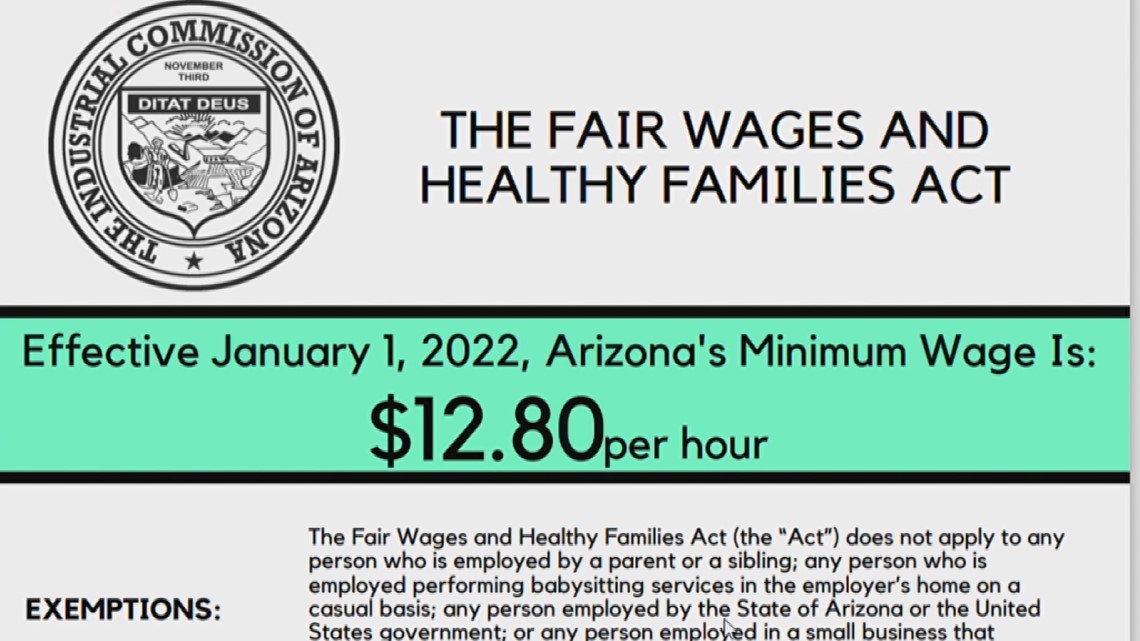
As of January 1, 2024, the statewide minimum wage in Arizona is set at $14.35 per hour. This rate represents a steady increase over previous years, a reflection of the Arizona Minimum Wage Act, often referred to as Proposition 206. This proposition, passed by voters in 2016, mandates annual adjustments based on the cost of living, ensuring that the minimum wage keeps pace with inflation. This means that year after year, you can expect the wage to be reviewed and potentially increased, usually at the start of the new year.
For tipped employees, the minimum cash wage is typically lower, but employers are required to ensure that an employee’s total hourly earnings, including tips, meet or exceed the standard minimum wage. This is an important distinction for travelers, as tipping is an integral part of the service industry, and understanding this can help you appreciate the economic realities for many workers in hotels, restaurants, and tour operations across the state. The difference between the standard minimum wage and the cash wage for tipped employees in Arizona cannot exceed $3.00 per hour. Therefore, a tipped employee must earn at least $11.35 per hour in direct wages, with the expectation that tips will bring them up to or above the $14.35 minimum. This system helps ensure a baseline income for those in the hospitality sector, which is the backbone of Arizona’s tourism.
Local Variances: Higher Wages in Key Cities
While the statewide minimum wage provides a strong foundation, some cities within Arizona have taken the initiative to establish their own, higher minimum wages. This reflects local economic conditions, cost of living, and community priorities. The most notable example is Flagstaff, a popular destination known for its proximity to the Grand Canyon and its vibrant mountain town atmosphere.
In Flagstaff, the minimum wage is significantly higher than the state average. As of January 1, 2024, Flagstaff’s minimum wage is $17.40 per hour. This substantial difference directly impacts the cost of goods and services in the city, but also means a higher quality of life for workers in this often expensive tourist hub. Understanding this local variance is crucial for travelers planning a trip through different regions of Arizona. While a meal might cost a little more in Flagstaff than in Phoenix, you are also contributing to a local economy where workers earn a more robust wage, which can enhance the overall visitor experience by ensuring a more contented and stable workforce.
Other cities or counties might also consider or implement localized minimum wages, so it’s always wise to check specific regulations if you’re venturing into a less common destination or planning an extended stay in a particular municipality. However, Flagstaff remains the most prominent example of a significant local increase.
Budgeting for Your Arizona Adventure: How Minimum Wage Impacts Travelers
For many, Arizona conjures images of luxurious resorts, world-class golf courses, and high-end dining experiences, particularly in areas like Scottsdale. However, Arizona also caters beautifully to budget travelers, offering an abundance of natural attractions and affordable activities. The minimum wage plays a subtle yet significant role in shaping the cost of your adventure, whether you’re splurging or saving.
Daily Expenses: Dining, Attractions, and Souvenirs
The cost of labor is a component in the price of almost everything you consume as a traveler. A higher minimum wage, like Arizona’s, means that businesses, especially those in the service sector, have higher payroll expenses. This can translate into slightly higher prices for meals at restaurants, tickets to local attractions like the Desert Botanical Garden in Phoenix or entrance fees to cultural sites. Even the cost of a souvenir from a local artisan shop might reflect the wages paid to the staff running the store.
For example, a casual diner in Phoenix might find menu prices slightly higher than in a state with a lower minimum wage. Similarly, a guided jeep tour in Sedona or a paddleboarding rental on Lake Havasu will factor in the cost of employing drivers, guides, and rental staff. However, this also often means you are supporting a workforce that is better compensated, leading to a more stable local economy and potentially higher quality service, which enhances the overall visitor experience. Budget travelers can counteract this by opting for self-catering accommodations, utilizing grocery stores, enjoying free outdoor activities, and seeking out happy hour deals or daily specials.
Accommodation Considerations: From Budget Stays to Luxury Resorts
Accommodation is often the largest expense for travelers, and here too, the minimum wage can have an indirect influence. Hotels and resorts, from the budget-friendly motels near the Phoenix Sky Harbor International Airport to opulent five-star properties like The Phoenician in Scottsdale or the Enchantment Resort in Sedona, employ a vast number of staff: housekeepers, front desk agents, concierges, valets, and maintenance personnel. The higher minimum wage for these roles contributes to the operational costs of these establishments, which is then factored into room rates.
For travelers seeking affordable accommodation, this might mean that very basic motels or independent guesthouses might have slightly higher base rates compared to similar establishments in lower-wage states. Conversely, for those indulging in luxury, the impact might be less noticeable as these properties already operate with higher service standards and amenities. However, it’s worth noting that the stable wage environment helps attract and retain quality staff, contributing to the renowned hospitality Arizona is known for. Long-term stays in serviced apartments or extended-stay hotels also see this cost factored in, making budgeting for these options a crucial part of the planning process.
Tipping Culture and Service Industry Expectations
Understanding Arizona’s tipping regulations is vital for travelers. As mentioned, while tipped employees have a lower cash minimum wage, their total earnings (cash wage plus tips) must meet or exceed the standard statewide minimum. This system means that tips are often expected to make up a significant portion of a service worker’s income.
When dining out, enjoying a spa treatment at a Sedona spa, or utilizing hotel services, customary tipping percentages (15-20% for good service) remain the norm. While the minimum wage provides a safety net, tips are still highly valued and a direct way for visitors to acknowledge excellent service. For instance, after a delightful meal at a restaurant on Old Town Scottsdale’s main street or a seamless check-in at the Hyatt Regency Phoenix, remembering to tip appropriately ensures you are contributing to the livelihoods of those who make your travel experience enjoyable. Being mindful of these expectations not only helps local workers but also reflects well on you as a respectful and informed visitor.
Lifestyle and Long-Term Stays: Beyond the Tourist Trail
For those enchanted enough by Arizona to consider a longer stay, seasonal work, or even relocation, understanding the minimum wage moves from a budgeting consideration to a foundational element of daily life. The minimum wage directly impacts the cost of living, the types of jobs available, and the overall lifestyle one can maintain.
Cost of Living in Arizona’s Major Hubs
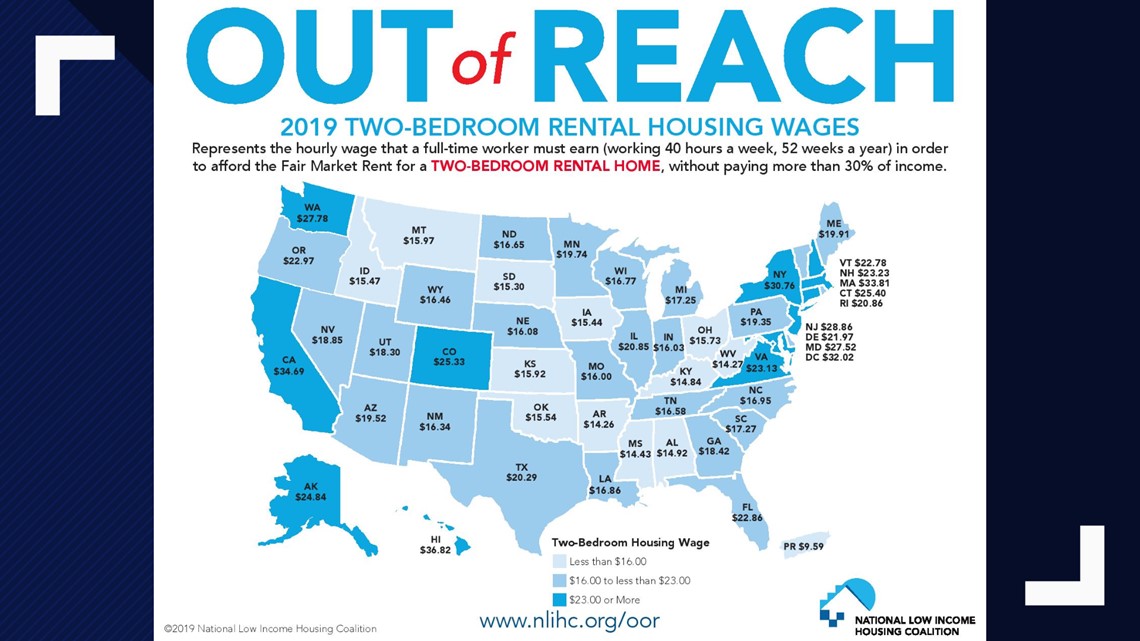
Arizona’s major cities like Phoenix, Tucson, and Flagstaff offer diverse lifestyles, but the cost of living can vary significantly. While a statewide minimum wage of $14.35 provides a decent baseline, it’s important to match this against local expenses. Phoenix and Tucson generally have more accessible housing costs compared to major coastal cities, but they are still rising. A single individual earning minimum wage might find it challenging to comfortably afford rent in central areas without additional income or shared living arrangements.
Flagstaff, with its significantly higher minimum wage of $17.40, also comes with a notoriously higher cost of living, particularly for housing. This is often due to its desirability as a tourist destination and its proximity to natural wonders, making real estate and rental markets competitive. Understanding these nuances is crucial for anyone planning a long-term stay, as a seemingly good wage might still require careful budgeting depending on your chosen location within the state. Resources like local cost of living calculators and community forums can offer deeper insights into specific neighborhoods and their affordability.
Employment Opportunities for Seasonal or Relocating Visitors
Arizona’s robust tourism industry means there are often seasonal employment opportunities, especially during the peak winter months when snowbirds flock to the warmer climate, or during summer in cooler mountain towns like Payson or Prescott. These jobs are frequently in hospitality, retail, and food service sectors, where the minimum wage is most relevant.
For digital nomads or those considering a working holiday, the minimum wage in Arizona offers a competitive income floor compared to many other states. A job paying the statewide minimum of $14.35 can provide a reasonable income to cover basic expenses like hostel stays, groceries, and local transportation, especially if supplemented by tips or combined with other income streams. In Flagstaff, the higher minimum wage could make seasonal work particularly attractive, provided one can manage the higher cost of living. Exploring job boards specific to Arizona tourism or hospitality can reveal various roles, from front desk positions at a Tempe hotel to adventure tour guides in the Sonoran Desert.
Embracing the Arizona Lifestyle on a Budget
Despite varying costs, the Arizona lifestyle is accessible even on a budget, especially for those who appreciate the great outdoors. The state boasts an unparalleled array of free or low-cost natural attractions: hiking trails in Papago Park, scenic drives through Oak Creek Canyon, stargazing in dark sky communities, and countless picnic spots amidst stunning desert vistas.
A minimum wage income, while requiring smart financial planning, can still allow for an enjoyable Arizona experience. This means prioritizing experiences over material possessions, cooking at home more often, taking advantage of free local events and festivals, and exploring state parks with an annual pass. From experiencing the vibrant nightlife of Old Town Scottsdale on a budget to discovering hidden gems in downtown Mesa, a thoughtful approach to spending can unlock the true essence of Arizona without breaking the bank. The warm climate and abundant sunshine also reduce expenses like heating, further stretching a budget.
Navigating Arizona: Tips for Smart Spending
Understanding the minimum wage is just the first step. To truly make the most of your travel budget or long-term stay in Arizona, a few practical strategies can go a long way.
Savvy Strategies for Budget Travelers
- Cook Your Own Meals: Opt for accommodations with kitchenettes or access to shared kitchens. Visiting local farmers’ markets or grocery stores like Fry’s Food and Drug or Safeway can significantly cut down on dining expenses. This also allows you to sample local produce and flavors.
- Utilize Free Attractions: Arizona is a treasure trove of natural beauty. Focus on hiking, exploring national forests, driving scenic routes, and visiting free museums or art galleries in cities like Phoenix and Tucson. For instance, a stroll through the historic streets of Jerome costs nothing.
- Travel During Shoulder Seasons: Spring (March-April) and Fall (October-November) offer pleasant weather and often lower prices for flights and accommodations compared to the peak winter months. This can significantly reduce overall travel costs.
- Public Transportation and Carpooling: In larger cities like Phoenix and Tucson, public transport (buses, light rail in Phoenix) can be a cost-effective way to get around. For venturing further, consider carpooling or utilizing ride-sharing services for longer distances.
- Look for Deals and Discounts: Many attractions offer discounts for students, seniors, or military personnel. Check local tourism websites for coupon books or special offers, especially for multi-attraction passes.
Supporting Local Economies Ethically
A higher minimum wage, while potentially leading to slightly higher prices for consumers, ultimately supports the local economies and the individuals who make Arizona such a welcoming place to visit. By understanding the economic realities, travelers can make conscious choices that contribute positively:
- Patronize Local Businesses: Choose independently owned restaurants, shops, and tour operators over large chains. These businesses are often the most impacted by minimum wage increases but also reinvest more directly into the local community.
- Tip Generously for Good Service: As discussed, tips are crucial for many service workers. If you receive excellent service, consider tipping at the higher end of the customary range as a sign of appreciation.
- Educate Yourself: Be aware of the local minimum wage in different areas you visit. This awareness helps you appreciate the true cost of goods and services and the effort behind them.
In conclusion, the minimum wage in Arizona is more than just a number; it’s a vital indicator of the state’s economic health, its commitment to its workforce, and an indirect factor shaping your travel experience. By understanding these dynamics, you can better budget for your trip, appreciate the service you receive, and make informed choices that contribute to a vibrant and thriving Grand Canyon State. So, pack your bags, prepare for adventure, and explore Arizona with newfound economic awareness!
LifeOutOfTheBox is a participant in the Amazon Services LLC Associates Program, an affiliate advertising program designed to provide a means for sites to earn advertising fees by advertising and linking to Amazon.com. Amazon, the Amazon logo, AmazonSupply, and the AmazonSupply logo are trademarks of Amazon.com, Inc. or its affiliates. As an Amazon Associate we earn affiliate commissions from qualifying purchases.