
The allure of Las Vegas is undeniable. Known globally as the “Entertainment Capital of the World,” it beckons millions with its dazzling lights, world-class casinos, extravagant shows, and unparalleled dining experiences. Visitors flock to its iconic Strip, seeking the thrill of a jackpot, the luxury of a five-star resort, or the vibrant pulse of a city that never sleeps. But behind the shimmering facade and the promise of unforgettable experiences, lies a significant economic reality that impacts the lives of those who call this desert oasis home. For anyone planning a trip, curious about the local economy, or even considering a longer stay in Nevada, understanding the minimum wage in Las Vegas is crucial. It’s a factor that influences the cost of living, the viability of certain lifestyle choices, and ultimately, the experience of the local workforce that makes the city’s magic possible.
Understanding Minimum Wage in the Silver State
When discussing the minimum wage in Las Vegas, it’s important to first clarify that Nevada operates with a unique, tiered minimum wage system. This system is not a single, static number but rather varies based on whether an employee receives health insurance benefits from their employer. This distinction is a key element in understanding the wage landscape of the state, and by extension, its most famous city.
The Two-Tiered System Explained
Nevada’s minimum wage is set by the state legislature and is adjusted periodically. The current rate, as of the most recent legislative changes, reflects this bifurcated approach:
- With Qualifying Medical Benefits: For employees who are offered and accept qualifying health insurance benefits from their employer, the state minimum wage is set at a lower rate. This reflects the idea that a portion of the employee’s compensation is being provided in the form of healthcare, thereby reducing the cash wage needed to reach a comparable total compensation level.
- Without Qualifying Medical Benefits: Conversely, employees who are not offered or do not accept qualifying health insurance benefits are entitled to a higher minimum wage. This ensures that individuals who bear the full cost of their healthcare receive a higher base pay.
The specific dollar amounts for these tiers are subject to change and are typically adjusted annually to account for inflation and other economic factors. It is always advisable to consult the most up-to-date figures from the Nevada Department of Labor or a reputable legal resource for the precise current rates. However, the principle of the two-tiered system remains a constant. This nuanced approach aims to balance employer costs with employee needs, acknowledging the significant expense of healthcare in the United States.
Impact on Hospitality Workers
The hospitality industry is the lifeblood of Las Vegas, employing a vast number of individuals across various roles, from hotel staff and restaurant servers to casino dealers and entertainment crew. Many of these positions fall under the purview of the state’s minimum wage laws. The two-tiered system has a particularly pronounced effect on this sector.
For instance, many large resorts and hotel chains on the Las Vegas Strip, such as the Bellagio, Caesars Palace, and The Venetian, offer comprehensive health insurance benefits to their full-time employees. This means that many workers in these establishments might be paid at the lower minimum wage tier. While the benefit of employer-provided health insurance is significant, it also means that their take-home pay might appear lower than someone in a different industry, or even in a different role within the same city, who is not offered such benefits.
Conversely, smaller businesses, independent restaurants, or service providers that do not offer health benefits will pay their employees at the higher minimum wage tier. This can create disparities in earnings even for jobs that might seem comparable on the surface. The complexity of this system often leads to discussions about the true living wage in Las Vegas, as factors beyond the hourly wage, like the value of benefits, need to be considered.
Minimum Wage vs. Living Wage in Las Vegas
While the minimum wage sets a legal floor for earnings, it’s a separate concept from a “living wage.” A living wage is the theoretical amount of income necessary to cover basic needs and maintain a decent standard of living in a particular area, without needing government subsidies. In a city like Las Vegas, where the cost of living can be influenced by tourism and a concentrated demand for services, this distinction becomes particularly important.
The Cost of Living in Las Vegas
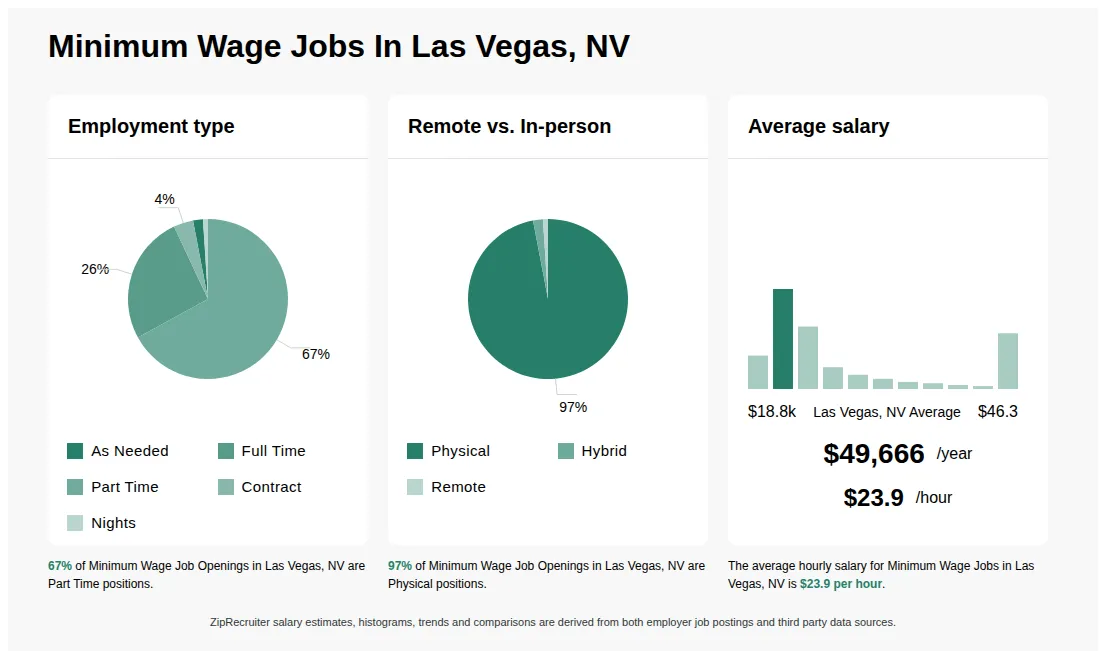
Las Vegas has a cost of living that is generally considered to be in line with, or slightly above, the national average. Key components of this cost include housing, utilities, transportation, food, and healthcare.
- Housing: Rent for apartments and the cost of homeownership can vary significantly depending on the neighborhood and proximity to the Strip. While there are more affordable areas, the demand in desirable locations can drive up prices.
- Utilities: Energy costs, especially for cooling during the hot Nevada summers, can be substantial.
- Transportation: While Las Vegas has a public transportation system, many residents rely on personal vehicles, incurring costs for gas, insurance, and maintenance.
- Food and Groceries: The price of food can be impacted by factors such as transportation costs and local market dynamics.
- Healthcare: As mentioned, healthcare is a significant expense, even with employer-provided benefits, and can be a major financial burden for those without.
When these costs are factored in, the question arises whether the minimum wage, even at its higher tier, is sufficient to comfortably cover these essentials for an individual or a family. Many studies and advocacy groups argue that the minimum wage in Nevada, like in many other parts of the United States, often falls short of what is considered a true living wage. This gap can necessitate second jobs, careful budgeting, and a reliance on public assistance programs for some residents.
Debates and Advocacy
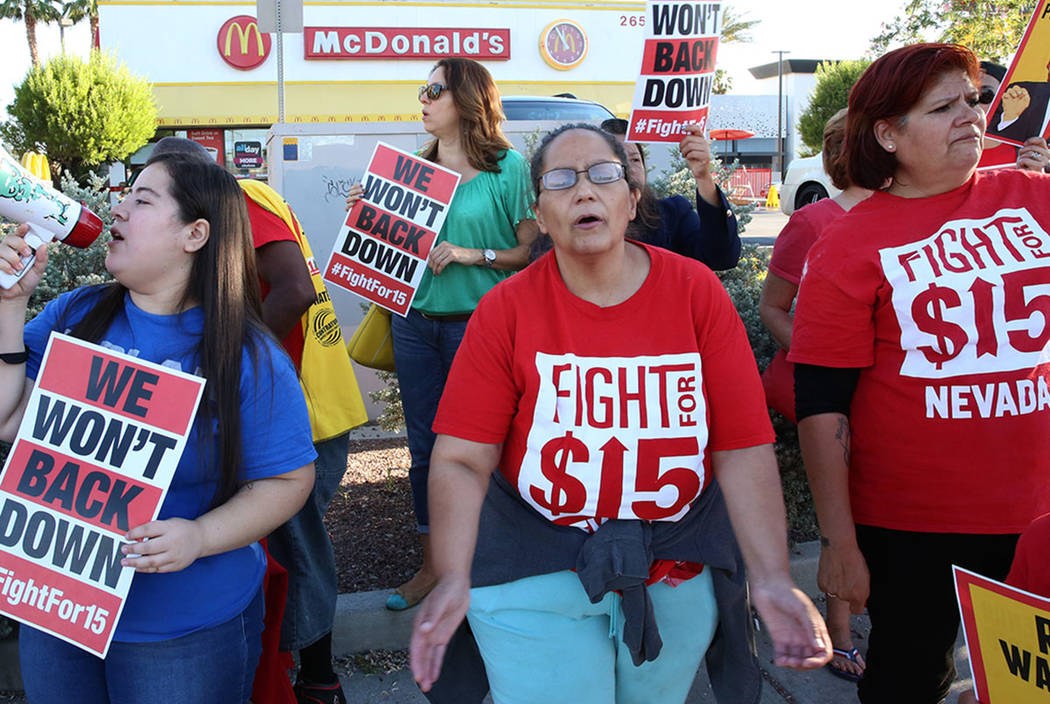
The discussion around minimum wage and living wage in Las Vegas is often fueled by ongoing debates and advocacy efforts. Labor unions, community organizations, and individual workers frequently call for higher minimum wage standards, arguing that it would not only improve the quality of life for low-wage earners but also stimulate the local economy by increasing consumer spending.
Conversely, some business owners and industry associations express concerns that significant increases in the minimum wage could lead to job cuts, reduced operating hours, or increased prices for goods and services, potentially impacting the competitiveness of Las Vegas as a tourist destination. The delicate balance between supporting workers and maintaining a thriving business environment is at the heart of these discussions. For visitors planning to experience the luxurious hotels like the Wynn Las Vegas or enjoy the vibrant nightlife, understanding this local economic context adds another layer to their appreciation of the city.
Factors Influencing Wage Standards in Las Vegas
Several factors contribute to the wage standards in Las Vegas, extending beyond the state-mandated minimum wage. The unique nature of its economy, the power of certain industries, and the influence of federal and local policies all play a role in shaping what workers can expect to earn.
The Dominance of Tourism and Hospitality
As previously highlighted, the tourism and hospitality sectors are the primary economic drivers of Las Vegas. This concentration of industries has a significant impact on wage structures.
- Tipped Minimum Wage: A crucial aspect for many hospitality workers, particularly servers and bartenders, is the tipped minimum wage. In Nevada, employers can pay tipped employees a lower hourly wage, provided that tips bring their total earnings up to the standard minimum wage. If tips do not reach that threshold, the employer is obligated to make up the difference. This system is a source of ongoing debate, with some arguing it leads to wage instability for employees, while others maintain it incentivizes excellent service.
- Unionization: The presence of strong labor unions in certain sectors, particularly in hospitality and gaming, can lead to higher wages and better benefits than what might be mandated by minimum wage laws alone. Unions negotiate collective bargaining agreements that often set wage scales above the state minimum.
- Job Market Dynamics: The demand for workers in Las Vegas is heavily influenced by the health of the tourism industry. During periods of high visitor numbers, such as major conventions or holidays, the demand for labor increases, potentially driving wages up for some positions. Conversely, economic downturns or unforeseen events like a pandemic can lead to job losses and wage stagnation.

Federal and Local Influences
While Nevada sets its minimum wage, federal laws also establish a baseline. The federal minimum wage, currently at $7.25 per hour, is lower than Nevada’s rates. However, in states with higher minimum wages, the state law takes precedence. This means that employers in Las Vegas must adhere to the higher Nevada rates.
There have also been discussions and proposals at the local level regarding wage ordinances, though Nevada state law often preempts cities from establishing their own minimum wage rates that differ from the state. However, local policies can influence other aspects of worker compensation and labor standards, indirectly affecting the overall economic landscape for residents. As the city continues to evolve and attract diverse businesses beyond its traditional offerings, the wage landscape may also see further shifts. Understanding these intricate layers is key to grasping the economic reality of working and living in this dynamic city, whether you’re enjoying a show at The Colosseum at Caesars Palace or exploring the Neon Museum.
LifeOutOfTheBox is a participant in the Amazon Services LLC Associates Program, an affiliate advertising program designed to provide a means for sites to earn advertising fees by advertising and linking to Amazon.com. Amazon, the Amazon logo, AmazonSupply, and the AmazonSupply logo are trademarks of Amazon.com, Inc. or its affiliates. As an Amazon Associate we earn affiliate commissions from qualifying purchases.