
Understanding the economic landscape of a destination is crucial for any traveler, especially for those planning extended stays or seeking to immerse themselves in the local way of life. While seemingly a matter of public policy, the minimum wage in a state like Mississippi has a ripple effect that touches upon various aspects of tourism, from the cost of goods and services to the overall visitor experience. This article delves into the current minimum wage in Mississippi and explores its implications for travelers and those considering visiting or even residing in the Magnolia State.

The Federal Floor and Mississippi’s Stance
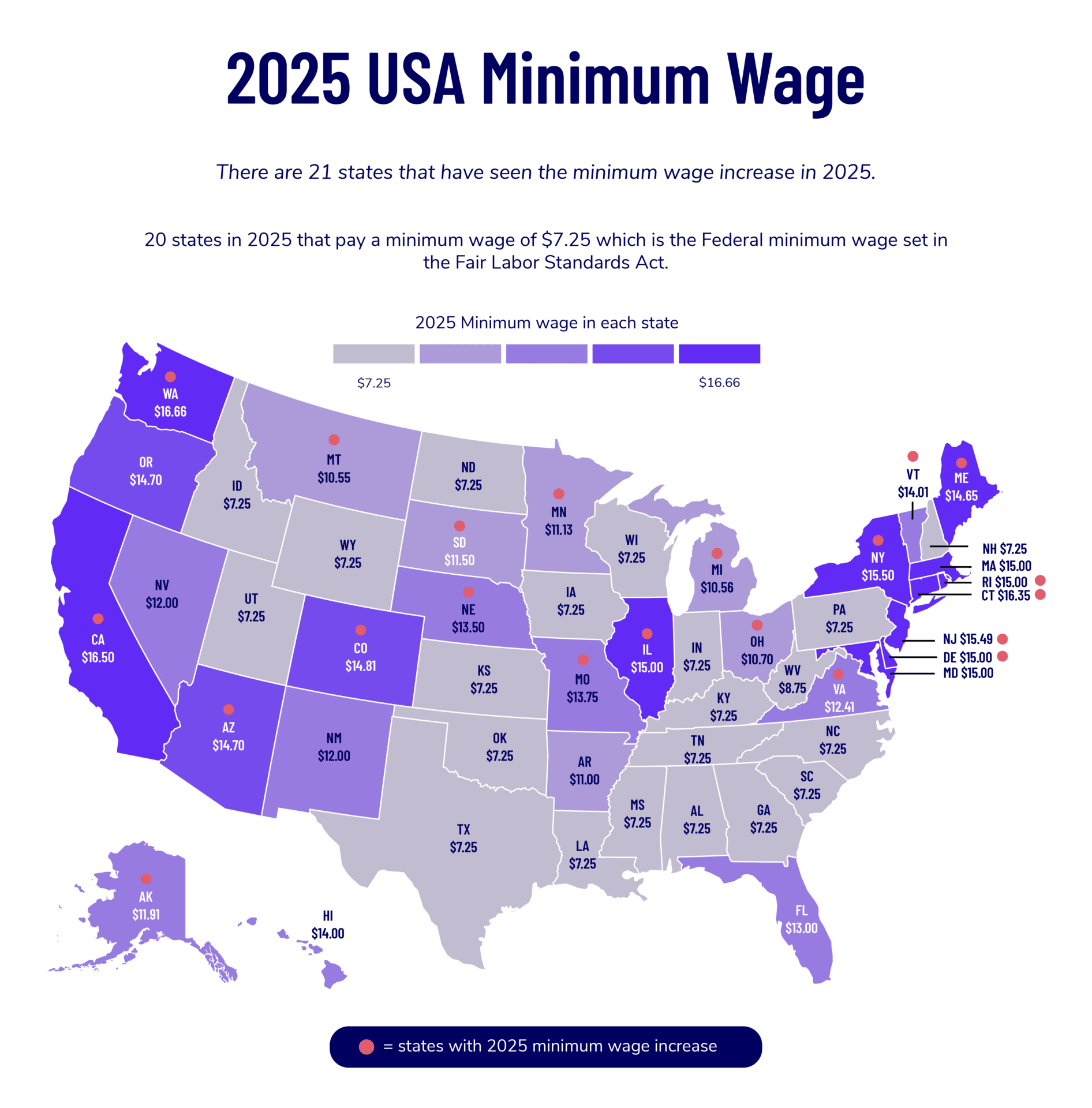
The United States operates under a federal minimum wage, established by the Fair Labor Standards Act (FLSA). This federal rate serves as a baseline, meaning that no employer covered by the FLSA can pay their employees less than this amount per hour. As of my last update, the federal minimum wage stands at $7.25 per hour. This rate has been in effect since July 24, 2009.
Crucially, states are permitted to set their own minimum wage rates, provided they are higher than the federal minimum. If a state’s minimum wage is lower than the federal rate, or if it has no state minimum wage law, then the federal minimum wage applies to most employees within that state.
In the case of Mississippi, the state has not enacted its own minimum wage law. Consequently, the federal minimum wage of $7.25 per hour is the effective minimum wage for most employers and employees within the state. This means that businesses operating in Mississippi, unless specifically exempt, are legally obligated to pay their workers at least this amount per hour.
Implications for Budget Travelers
For travelers who are particularly mindful of their budgets, understanding the minimum wage can offer a unique perspective on the cost of living and the affordability of various experiences. A lower minimum wage, as is the case in Mississippi, often correlates with lower prices for certain goods and services. This can translate into more affordable dining options, lower costs for local crafts and souvenirs, and potentially more budget-friendly accommodation rates outside of major tourist hubs.
For instance, dining at local diners or casual eateries in smaller towns across Mississippi might prove to be significantly less expensive than in states with higher minimum wages. Similarly, while luxury resorts and high-end restaurants will set their own pricing structures, the overall cost of everyday consumer goods and basic services tends to be more accessible when the baseline wage is lower.
This doesn’t necessarily mean that all prices are drastically lower. The cost of goods is influenced by many factors, including supply chains, demand, and competition. However, the labor cost component, which is a significant part of the price of many services and products, is capped at a lower rate. This can make Mississippi an attractive destination for those seeking value and an opportunity to stretch their travel funds further.
Understanding the Broader Economic Context
While the minimum wage figure itself is straightforward, its impact extends beyond the hourly pay of a cashier or a server. A minimum wage of $7.25 per hour in Mississippi reflects a broader economic context that is shaped by various factors, including the state’s predominant industries, labor market dynamics, and cost of living.
Mississippi has a diverse economy that includes significant sectors such as agriculture, manufacturing, and a growing tourism industry. The interplay between these sectors and the labor market dictates wage levels. In areas where labor is abundant and demand is moderate, wages may naturally stay closer to the federal minimum. Conversely, in sectors facing labor shortages or requiring specialized skills, wages can be significantly higher.
For travelers, understanding this context can help in setting realistic expectations. While you might find affordable meals in a small town, the service at a high-end restaurant in a city like Jackson or along the Mississippi Gulf Coast will likely reflect the broader economic conditions and competitive pressures in those areas.
Tourism and the Minimum Wage Connection
The tourism industry is a significant contributor to Mississippi’s economy, and the minimum wage directly impacts its workforce. Many positions within the hospitality sector, such as front desk staff, housekeepers, restaurant servers, and kitchen assistants, often fall into the category of minimum wage or slightly above.
Impact on Service Quality and Visitor Experience
The minimum wage can influence the quality of service a traveler experiences. When wages are low, businesses may face challenges in attracting and retaining skilled and motivated employees. This can sometimes lead to higher staff turnover, which can impact service consistency. However, it’s also important to note that many businesses in Mississippi prioritize excellent customer service and invest in training their staff, regardless of the prevailing minimum wage.
Furthermore, the overall economic well-being of a region, which is indirectly linked to wage levels, can also affect the visitor experience. A thriving local economy, even with a lower minimum wage, can lead to better-maintained attractions, more vibrant local culture, and a generally more welcoming environment.
Opportunities for Economic Engagement
For travelers interested in truly engaging with the local culture, understanding the economic realities, including wage levels, can add another layer of appreciation. Supporting local businesses that pay fair wages and provide good working conditions is a way to contribute positively to the communities visited. While direct knowledge of every business’s wage structure is impossible for a tourist, being aware of the general economic context can inform choices about where to spend money.
For example, choosing to dine at a locally-owned restaurant that emphasizes its commitment to its staff, or purchasing souvenirs directly from artisans rather than mass-market retailers, can be a more meaningful way to support the local economy.
Beyond the Minimum Wage: Factors Influencing Prices
It is crucial to remember that the minimum wage is just one piece of the puzzle when it comes to the cost of travel and services in Mississippi. Many other factors play a significant role:
- Cost of Living: Mississippi generally has a lower cost of living compared to many other states, which can influence prices across the board, not just those directly tied to minimum wage labor.
- Industry Demand: Popular tourist destinations and high-demand services will naturally command higher prices, irrespective of the minimum wage. For example, prime beachfront property on the Mississippi Gulf Coast will influence hotel rates, regardless of what the hotel staff earns at minimum wage.
- Competition: The level of competition among businesses in a particular sector or region can also affect pricing.
- Taxes and Regulations: State and local taxes, as well as various business regulations, also contribute to the final cost of goods and services.
- Consumer Expectations: In areas with a strong tourism focus, businesses may align their pricing with what they perceive travelers are willing to pay.
Navigating Prices as a Traveler
As a traveler in Mississippi, the most effective way to navigate pricing is to conduct research tailored to your specific interests and budget.
- Accommodation: Look for deals and compare prices across different types of lodging, from chain hotels in cities like Gulfport to charming bed and breakfasts in historic towns such as Natchez.
- Dining: Explore a range of culinary experiences. Casual eateries and local cafes often offer great value, while fine dining establishments will reflect higher price points. Many popular dishes, like Mississippi Delta tamales or fried catfish, can be found at accessible prices in many parts of the state.
- Activities: Research the cost of admission to attractions like the Vicksburg National Military Park or historical sites. Many natural attractions, such as hiking trails in the Tishomingo State Park, are often free or have minimal entrance fees.

Conclusion: An Economic Snapshot for the Savvy Traveler
In summary, the minimum wage in Mississippi is governed by the federal minimum wage of $7.25 per hour, as the state has not enacted its own higher rate. This economic factor contributes to a generally lower cost of living and can make Mississippi an appealing destination for budget-conscious travelers.
While the minimum wage directly impacts those working in the state’s service industries, its influence on the visitor experience is multifaceted. It plays a role in pricing, the availability of certain services, and the overall economic vibrancy of the communities you will explore. For the savvy traveler, understanding this economic snapshot, alongside other factors like local demand and competition, allows for more informed planning and a richer, more appreciative travel experience in the diverse and welcoming state of Mississippi. From the blues music heritage of the Delta to the coastal charm of the Mississippi Gulf Coast, there are countless experiences to be had, often at a more accessible price point than in many other parts of the country.
LifeOutOfTheBox is a participant in the Amazon Services LLC Associates Program, an affiliate advertising program designed to provide a means for sites to earn advertising fees by advertising and linking to Amazon.com. Amazon, the Amazon logo, AmazonSupply, and the AmazonSupply logo are trademarks of Amazon.com, Inc. or its affiliates. As an Amazon Associate we earn affiliate commissions from qualifying purchases.