
Planning a trip to the Empire State or considering a lifestyle change that involves calling New York home, even temporarily? Understanding the minimum wage in New York State is more than just a matter for economists or job seekers; it’s a crucial piece of the puzzle for anyone navigating the vibrant travel, tourism, and hospitality landscape of this iconic region. From the bustling streets of New York City to the serene beauty of the Adirondack Mountains, the cost of living and the compensation for the dedicated individuals who make your travel experiences unforgettable are deeply intertwined with these vital economic benchmarks.
For travelers, the minimum wage indirectly influences everything from the price of a latte in Greenwich Village to the hourly rates for tour guides, impacting your overall budget and the perceived value of services. For those exploring opportunities within New York’s expansive tourism sector – be it in hotels, restaurants, or local attractions – knowing the minimum wage is fundamental to assessing potential earnings and quality of life. This guide delves into the specifics of New York’s minimum wage, exploring its regional variations, its significant impact on the state’s thriving tourism and hospitality industries, and how both visitors and residents can navigate the economic realities of one of the world’s most dynamic destinations. Whether you’re planning a luxurious stay at The Grand Central Hotel or a budget-friendly adventure exploring local culture, a grasp of these figures offers invaluable insight into the economic heartbeat of New York.
Understanding New York’s Minimum Wage Landscape
New York State’s approach to minimum wage is characterized by its tiered structure, reflecting the diverse economic realities across its vast geography. This differentiation is a key factor for anyone looking to understand the financial implications of working or living in various parts of the state, especially within the tourism and hospitality sectors. The goal is to provide a living wage that accounts for the varying costs of living, from high-density urban centers to more rural communities. These rates are not static; they are periodically reviewed and adjusted, often with scheduled increases designed to keep pace with economic changes and inflation. Staying informed about these updates is crucial, as they directly influence the operational costs for businesses, the earning potential for workers, and ultimately, the pricing of services that travelers encounter. The state’s commitment to fair labor practices is evident in these structured adjustments, aiming to support both the workforce and the economic vitality of local communities.
The Current Rates Across the State
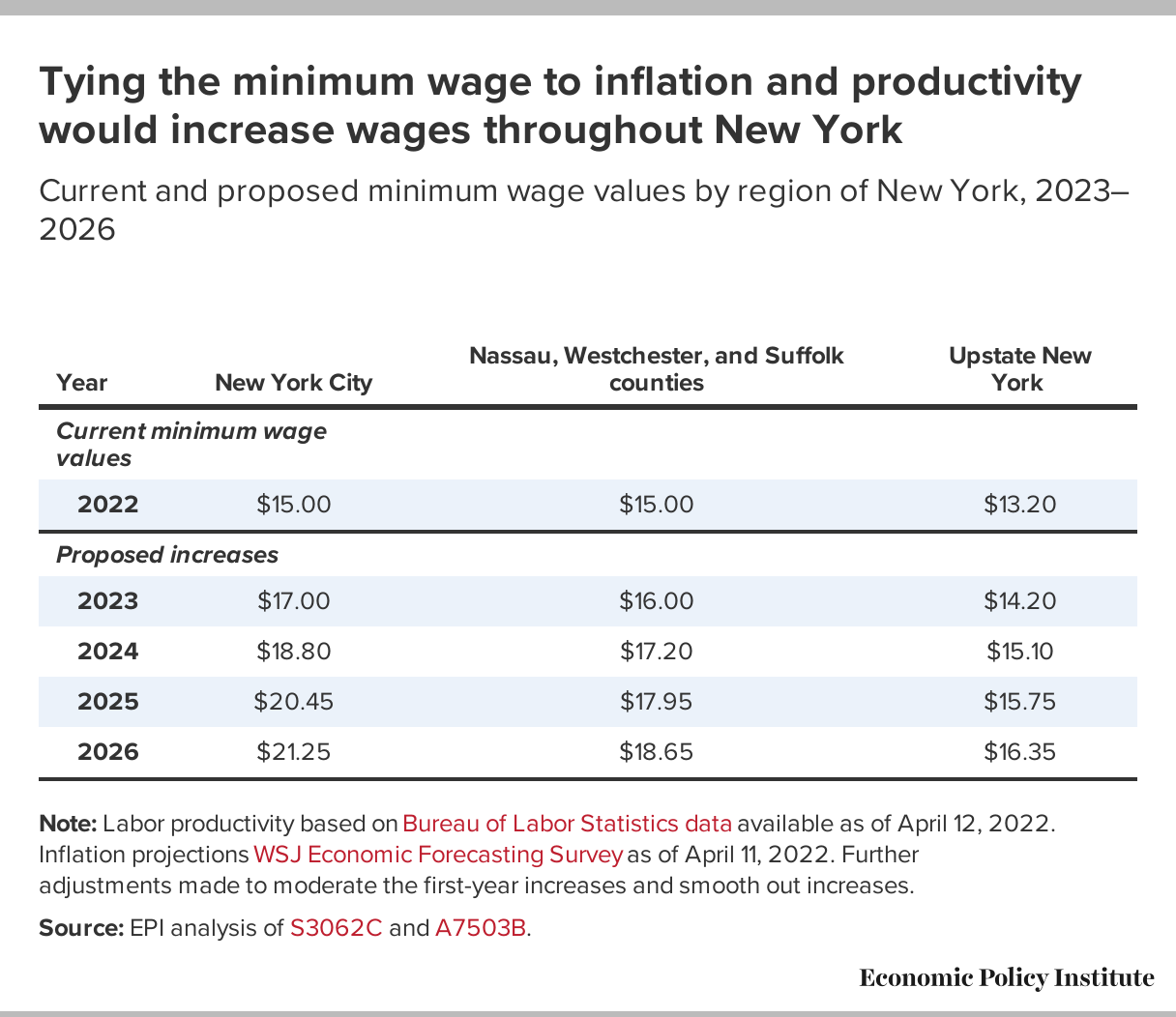
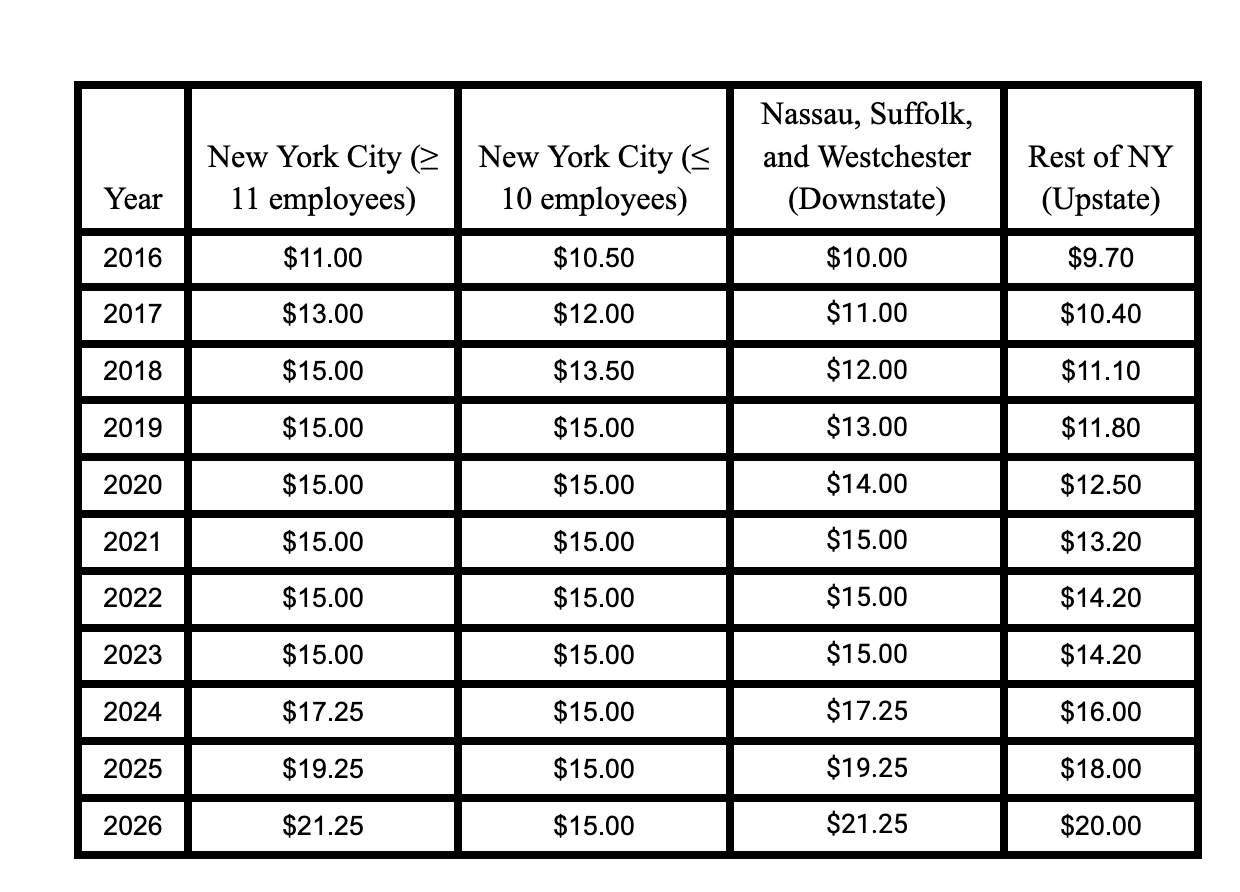
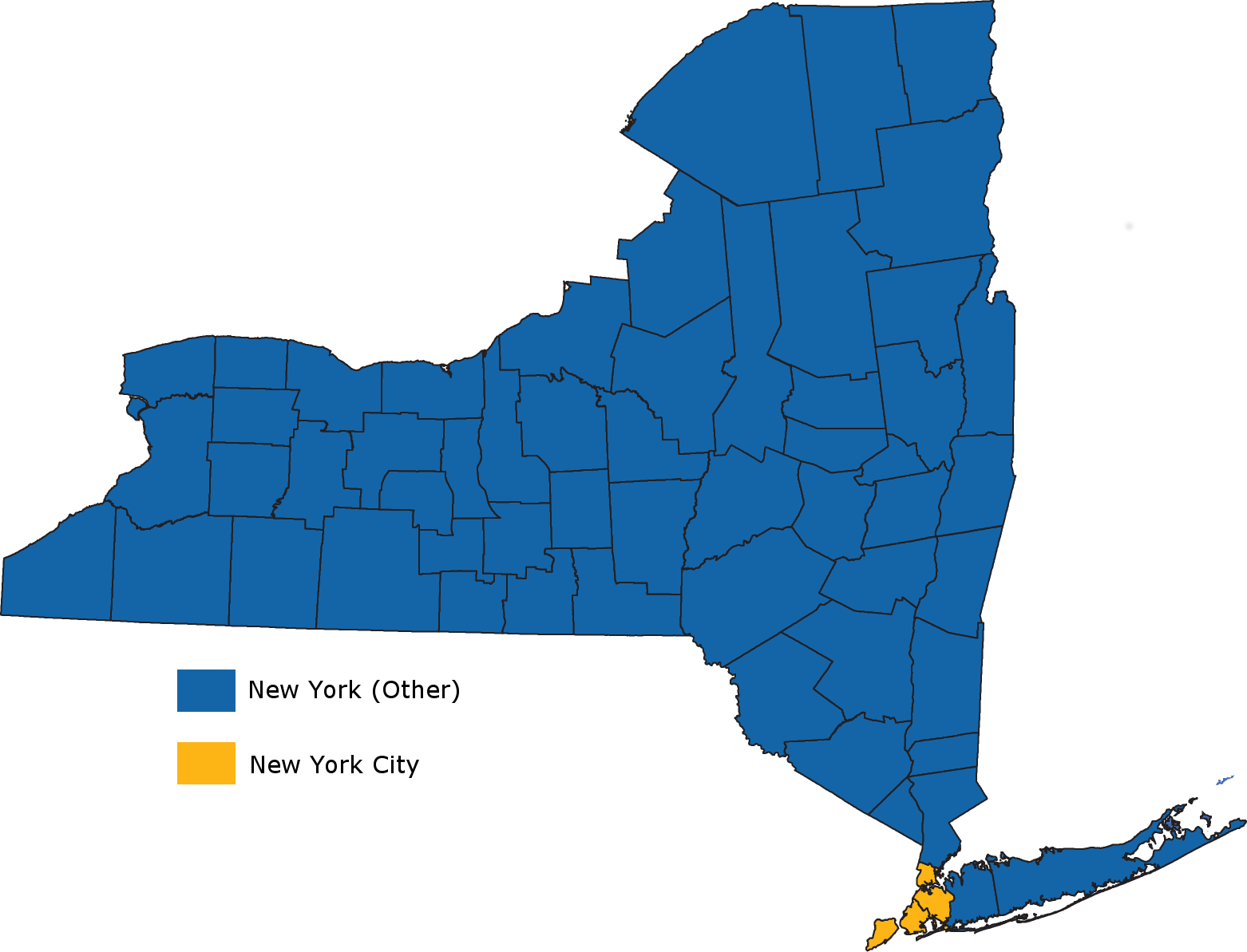
As of January 1, 2024, New York State implements a differentiated minimum wage structure, a pragmatic approach recognizing the varied economic landscapes within its borders. The highest minimum wage rates apply to New York City, Long Island, and Westchester County, where the hourly rate stands at $16.00. These regions, particularly New York City, are known for their significantly higher cost of living, including housing, transportation, and everyday expenses. This elevated minimum wage aims to provide workers in these areas with a more sustainable income, enabling them to better afford the essentials.
For the remainder of New York State – encompassing all other counties from Albany to Buffalo and Rochester – the minimum wage is set at $15.00 per hour. While still robust, this rate acknowledges the generally lower cost of living in upstate areas compared to the metropolitan core. It’s important to note that these rates are part of a scheduled series of increases. For instance, on January 1, 2025, the minimum wage in New York City, Long Island, and Westchester is slated to rise to $17.00 per hour, and to $16.00 per hour for the rest of the state. These incremental adjustments are designed to provide predictability for both employers and employees while steadily moving towards a more equitable wage standard across the entire state. Understanding these regional differences is vital for travelers planning their budgets, as it reflects underlying economic factors that can influence everything from restaurant prices to the cost of local activities. For individuals considering seasonal work or a long-term stay, these figures are foundational to financial planning.
Beyond the Baseline: Tipped Workers and Special Industries
While the general minimum wage rates provide a solid foundation, New York State also has specific regulations for certain categories of workers, most notably those who receive tips. The hospitality industry, which is the backbone of New York’s tourism, heavily relies on tipped employees, including restaurant servers, bartenders, and hotel bellhops. For these workers, there is a “tipped minimum wage” or “cash wage” that employers must pay, which is lower than the standard minimum wage. However, employers are legally obligated to ensure that an employee’s total hourly earnings – combining their cash wage and tips – meet or exceed the full minimum wage for their respective region. If an employee’s tips do not bring them up to the full minimum wage, the employer must make up the difference. This “tip credit” system is designed to allow service industry businesses to manage labor costs while ensuring employees are fairly compensated.
Beyond tipped workers, other sectors like farm labor and certain non-profit organizations may also have specific minimum wage requirements or exemptions. For example, farmworkers in New York have their own wage standards, which are also subject to periodic increases. Additionally, there are provisions for learners, apprentices, and individuals with disabilities that might allow for sub-minimum wage rates under specific conditions, always with the aim of promoting employment while protecting against exploitation. Understanding these nuances is especially pertinent for individuals considering work in diverse fields within New York’s economy or for travelers keen to appreciate the economic dynamics behind the services they enjoy. It highlights the complexity of labor laws designed to accommodate various industries while striving for overall fairness.
The Ripple Effect: Minimum Wage on New York’s Tourism and Hospitality
The minimum wage isn’t merely a figure on a paycheck; it’s a fundamental economic lever that sends ripples throughout New York’s colossal tourism and hospitality sectors. These industries, from boutique hotels in Brooklyn to fine dining establishments in Manhattan, are highly labor-intensive, meaning that wage rates directly impact operational costs. When the minimum wage increases, businesses face higher payroll expenses, which in turn can influence their pricing strategies. For travelers, this often translates into slightly higher costs for services like hotel stays, restaurant meals, and guided tours. However, it also has a profound impact on the quality of the workforce. Fair wages can lead to reduced employee turnover, greater job satisfaction, and a more motivated, experienced staff, all of which contribute to a superior visitor experience. Moreover, a robust minimum wage helps sustain the local economies of tourist destinations by ensuring that those who work in the industry can afford to live and spend locally, thereby creating a virtuous cycle of economic activity. It’s a delicate balance between affordability for tourists and sustainability for the workforce that underpins the vibrant culture of New York’s travel industry.
Impact on Service Costs and Travel Budgets
For travelers, the minimum wage in New York has a tangible, albeit often indirect, impact on their travel budgets. When restaurants, hotels, and attractions pay their staff higher wages, these increased labor costs are frequently passed on to consumers through slightly higher prices for goods and services. For example, the cost of a meal in a New York City restaurant, a room at Metropolitan Suites, or a ticket for a guided tour of the Statue of Liberty may reflect these underlying wage structures. This is particularly true in high-wage regions like Manhattan or Long Island.
Understanding this relationship allows budget-conscious travelers to plan more effectively. Those seeking to minimize expenses might look for more affordable dining options, consider accommodation outside prime tourist districts, such as a Brooklyn Boutique Inn, or explore free attractions like Central Park and the Brooklyn Bridge. It also influences tipping culture; while tips are generally expected and appreciated in New York’s service industry, the higher minimum cash wage for tipped workers means that staff are not solely reliant on gratuities to meet the basic minimum hourly income. This doesn’t negate the importance of tipping for excellent service, but it does alter the underlying economic safety net for service professionals. Travelers should factor in these potential higher costs for services when budgeting for their New York adventure, recognizing that these prices contribute to a more sustainable livelihood for the local workforce.
Workforce & Quality of Service in Hotels and Attractions
The relationship between minimum wage and the quality of service in New York’s hotels, landmarks, and attractions is profound. A competitive minimum wage helps businesses attract and retain skilled, motivated employees. When hotel staff, from front desk associates at a Hudson River Resort to housekeeping teams, are paid a fair wage, it can lead to higher job satisfaction and lower turnover rates. This means more experienced staff serving guests, which often translates into superior service, greater attention to detail, and a more welcoming atmosphere. Imagine a knowledgeable concierge at your New York City hotel, eager to recommend local hidden gems, or an engaging tour guide at the Empire State Building who genuinely loves sharing facts about its history. These positive interactions are often a direct result of a workforce that feels valued and financially secure.
Conversely, a minimum wage that struggles to keep pace with the cost of living can lead to high employee turnover, a less experienced workforce, and potentially diminished service quality as staff may be stretched thin or less engaged. For an industry that thrives on personal interaction and memorable experiences, such as the vibrant shows on Broadway or the iconic views from Times Square, investing in staff through fair wages is an investment in the overall visitor experience. It ensures that the friendly faces welcoming you, preparing your meals, or maintaining your accommodation are supported, allowing them to provide the exceptional service that makes New York a world-class destination. This economic reality underscores the lifestyle aspect for those who choose a career in New York’s bustling hospitality sector.
Navigating New York: Lifestyle and Accommodation Considerations
The economic landscape shaped by New York’s minimum wage is a critical consideration for both visitors planning their trips and individuals contemplating a move or extended stay. The state’s diverse regions, each with its unique charm and cost structures, demand careful planning. From the luxury travel experiences in Manhattan to budget-friendly excursions to Niagara Falls, understanding the underlying costs associated with labor can help travelers make informed decisions about their lifestyle choices and accommodation bookings. For those working within the hospitality sector, the minimum wage directly dictates their quality of life, influencing everything from housing choices in Queens or The Bronx to their ability to enjoy the very attractions they help to operate. This section explores how to optimize your New York experience, whether you’re a tourist or a prospective resident, by understanding the interplay between wages, living costs, and the vibrant local culture. It’s about more than just booking a room; it’s about engaging with the economic realities that define the New York experience for everyone.
Budgeting for Your Big Apple Adventure
Embarking on a New York adventure, especially to New York City, requires a strategic approach to budgeting, and an understanding of the minimum wage helps put costs into perspective. With higher wages for hospitality workers in the metropolitan area, expect prices for dining, tours, and certain services to reflect these labor costs. For the budget traveler, this means prioritizing and making smart choices. When it comes to accommodation, instead of always aiming for a lavish suite in Midtown Manhattan, consider exploring options in other boroughs like Brooklyn or Queens, where hotels or long-term stay apartments might offer better value without sacrificing accessibility. Places like the Brooklyn Boutique Inn can provide excellent amenities at a more approachable price point.
Dining can be managed by balancing fine dining experiences with exploring the incredible array of diverse and affordable food trucks, delis, and ethnic eateries found throughout the city. Visiting attractions during off-peak hours or taking advantage of free activities like walking the Brooklyn Bridge, exploring Central Park, or riding the Staten Island Ferry for Statue of Liberty views, can significantly reduce expenses. Additionally, purchasing a MetroCard for public transportation is much more cost-effective than relying on taxis or ride-shares. By being mindful of these factors, travelers can enjoy the quintessential New York experience, supporting the local economy and its workers, without breaking the bank. It’s all about making informed decisions to stretch your budget further in this dynamic state.
A Look at Living: For Those Considering a Move or Seasonal Work
For individuals contemplating a move to New York or seeking seasonal work within its bustling tourism and hospitality sectors, the state’s minimum wage is a cornerstone of their financial planning. Whether you’re considering a job at an Upstate Lodge & Spa or a restaurant in Harlem, understanding how your potential earnings align with the cost of living is paramount. While the minimum wage provides a baseline, the significant regional variations in housing, transportation, and daily expenses mean that $16.00 an hour in New York City offers a very different quality of life compared to $15.00 an hour in Syracuse. Accommodation, in particular, is often the largest expenditure. Young professionals or seasonal workers might explore shared living arrangements or consider neighborhoods further afield in Queens or The Bronx if working in Manhattan, leveraging efficient public transit systems to commute.
Beyond the basic wage, it’s essential to factor in tips for service roles, which can significantly augment income but vary with customer traffic and generosity. Workers should also research local benefits, such as health insurance mandates or public assistance programs, that might complement their earnings. Living in New York, even on a minimum wage, is feasible with diligent budgeting and smart lifestyle choices, such as cooking at home, utilizing free public spaces, and finding entertainment that doesn’t demand high expenditures. For those passionate about a career in travel or hospitality, New York offers unparalleled opportunities and experiences, but these must be weighed against the financial realities that a structured minimum wage system seeks to address. Understanding these aspects allows individuals to make informed decisions about their potential new lifestyle in the state.
Iconic Landmarks and Economic Realities: A Balanced Perspective
New York State is globally renowned for its iconic landmarks and vibrant tourist attractions, from the Statue of Liberty to Niagara Falls. These magnificent sites, along with the world-class hotels, restaurants, and cultural experiences, are not self-sustaining; they rely on a dedicated workforce whose livelihoods are directly influenced by the state’s minimum wage policies. A balanced perspective reveals that the economic realities for these workers are intrinsically linked to the overall quality and sustainability of the tourism experience. When the individuals who operate these attractions, serve in the hotels, or guide tours are fairly compensated, it fosters a more positive and enriching environment for everyone. It’s a testament to the fact that while visitors come for the grandeur of the Empire State Building or the artistic flair of Broadway, the human element—the service, the welcome, the expertise—is what often leaves the most lasting impression. Supporting a robust minimum wage is therefore not just a social policy; it’s an investment in the very fabric of New York’s appeal as a premier global destination.
Supporting Local Businesses and the Workforce
The minimum wage in New York State plays a critical role in sustaining the ecosystem of local businesses and supporting the dedicated workforce that drives its thriving tourism industry. When visitors choose to spend their money at local eateries, independent shops, or family-run accommodations, they are directly contributing to the economic health of the communities they explore. The minimum wage ensures that a baseline of these earnings flows back to the employees who power these establishments, enabling them to afford housing, food, and other necessities within their communities. This creates a virtuous cycle where local spending strengthens local businesses, which in turn can invest more in their employees and operations.
For a traveler, understanding this connection adds another layer of meaning to their journey. Opting for a locally-owned cafe over a chain, staying at a Brooklyn Boutique Inn instead of a global brand (where feasible and budget-permitting), or tipping generously for exceptional service, all contribute to this broader economic well-being. It helps ensure that the vibrant culture and unique character of places like Greenwich Village or Harlem remain authentic, supported by a local population that can afford to live and work there. Ultimately, a fair minimum wage is an essential component in maintaining the unique charm and welcoming spirit that defines the New York experience, ensuring that the people behind the scenes can also enjoy a quality of life reflective of the incredible state they call home.
Conclusion
The question, “What’s the New York State Minimum Wage?” unearths far more than just a set of numbers; it reveals the intricate economic foundations of one of the world’s most dynamic travel destinations. From the urban bustle of New York City to the serene landscapes of the Adirondack Mountains, the state’s tiered minimum wage structure is a critical factor influencing everything from the cost of a luxury suite at The Grand Central Hotel to the livelihood of the individuals who keep the tourism and hospitality industries vibrant.
For travelers, understanding these wage rates helps in astute budget planning, offering insight into the value and cost of services across diverse regions. It encourages mindful consumption, perhaps inspiring a choice to support local businesses that are pillars of their communities. For those contemplating work or an extended stay in New York, the minimum wage is a key determinant of potential earnings and quality of life, demanding careful consideration of regional cost-of-living differences.
Ultimately, the minimum wage in New York State represents a vital balance: striving to provide a sustainable income for its workforce while maintaining a competitive and attractive environment for businesses and tourists alike. It underscores the profound connection between fair labor practices and the overall visitor experience. By ensuring a living wage for the countless individuals who contribute to New York’s global appeal, the state not only upholds its commitment to social equity but also strengthens the very foundation of its world-renowned travel, accommodation, and lifestyle offerings. As you plan your next adventure or lifestyle transition in New York, remember that these economic benchmarks are integral to the rich tapestry of experiences awaiting you.
LifeOutOfTheBox is a participant in the Amazon Services LLC Associates Program, an affiliate advertising program designed to provide a means for sites to earn advertising fees by advertising and linking to Amazon.com. Amazon, the Amazon logo, AmazonSupply, and the AmazonSupply logo are trademarks of Amazon.com, Inc. or its affiliates. As an Amazon Associate we earn affiliate commissions from qualifying purchases.