
The sheer scale of Los Angeles is often the first thing that strikes visitors. It’s a sprawling metropolis, a mosaic of diverse neighborhoods, and a global hub for culture, entertainment, and industry. Understanding its population is key to grasping the city’s dynamism, its challenges, and its immense opportunities. While a precise, up-to-the-minute census figure is elusive, we can explore the widely accepted estimates and the factors that shape this ever-evolving demographic landscape.
Understanding the Population Metrics
When discussing the population of a place as vast as Los Angeles, it’s crucial to distinguish between different geographic definitions. The numbers can vary significantly depending on whether one is referring to the city proper, the county, or the greater metropolitan area.
The City of Los Angeles
The City of Los Angeles, the core urban entity, is one of the most populous cities in the United States. Current estimates from reliable demographic sources, such as the U.S. Census Bureau, place its population in the late 3.8 to 3.9 million range. This figure represents the residents within the officially defined city limits, encompassing iconic areas like Downtown Los Angeles, Hollywood, and Santa Monica.
This number reflects a dense urban environment, characterized by high-rise buildings, bustling commercial districts, and a vibrant residential fabric. The city’s population has seen fluctuations over the decades, influenced by economic trends, housing availability, and migration patterns. Despite periods of growth and occasional slight declines, it consistently ranks among the top tier of American cities in terms of population size.
Los Angeles County
The concept of “population in Los Angeles” often extends beyond the city limits to encompass the entirety of Los Angeles County. This county is the most populous in the United States, a testament to the sheer scale of the region.
Los Angeles County is home to an estimated over 10 million residents. This expansive area includes not only the City of Los Angeles but also numerous independent cities and unincorporated communities, such as Long Beach, Pasadena, and Santa Clarita. The county’s population is incredibly diverse, mirroring the multicultural tapestry of the region. This vast population base supports a massive economy and a complex social infrastructure.
The Greater Los Angeles Metropolitan Area
For a truly comprehensive understanding of the region’s demographic footprint, one must consider the Greater Los Angeles Metropolitan Area. This definition extends even further, encompassing several surrounding counties that are economically and socially intertwined with Los Angeles County. This includes areas like Orange County, Riverside County, San Bernardino County, and Ventura County.
The population of the Greater Los Angeles Metropolitan Area is staggering, estimated to be around 18 to 19 million people. This makes it one of the largest metropolitan areas in the world, rivaling major global megacities. This vast population supports a diverse array of industries, from entertainment and technology to manufacturing and international trade.
Demographic Characteristics of Los Angeles
Beyond the raw numbers, the population of Los Angeles is characterized by its remarkable diversity and distinct demographic trends. This richness contributes significantly to the city’s unique identity and cultural vibrancy.
Ethnic and Racial Diversity
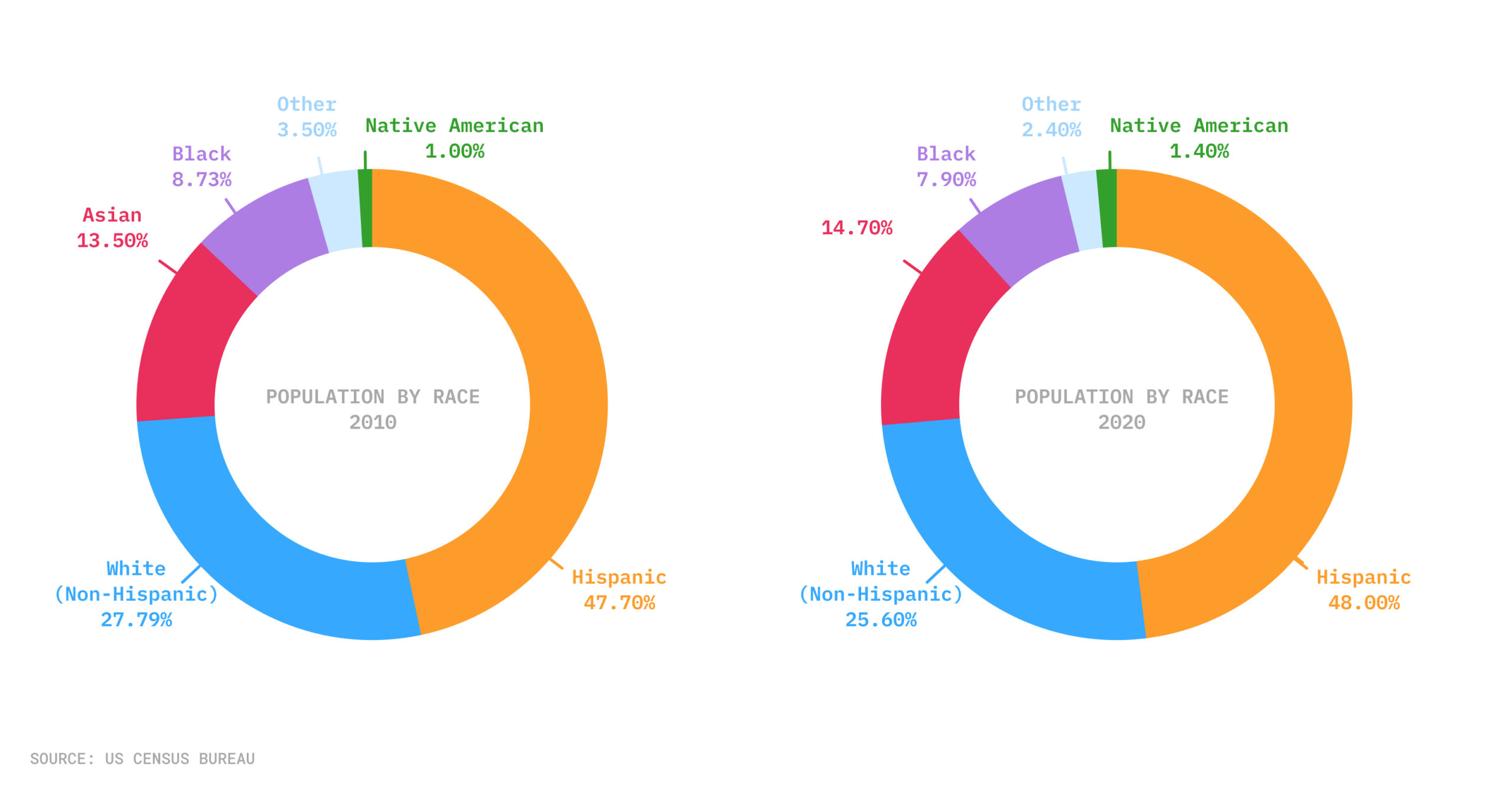
Los Angeles is a true melting pot, a city where people from virtually every corner of the globe have found a home. Its population is exceptionally diverse, with significant populations of:
- Hispanic/Latino: This is the largest ethnic group in Los Angeles, with a profound influence on the city’s culture, cuisine, and social fabric. Their presence is felt across all sectors of society.
- White: A substantial portion of the population identifies as White, contributing to the city’s diverse heritage.
- Asian: Los Angeles has a very large and growing Asian population, with significant communities from China, Korea, Vietnam, the Philippines, and India, among others. These communities have established vibrant enclaves with distinct cultural offerings.
- Black or African American: While the proportion has shifted over time, the Black community has historically played a vital role in shaping Los Angeles’s culture, particularly in areas like music and the arts.
This multiculturalism is not merely an abstract concept; it manifests in the city’s neighborhoods, its culinary scene, its languages spoken, and its traditions. Exploring different districts of Los Angeles is like traversing different worlds, each with its own unique character and heritage.
Age Distribution and Trends
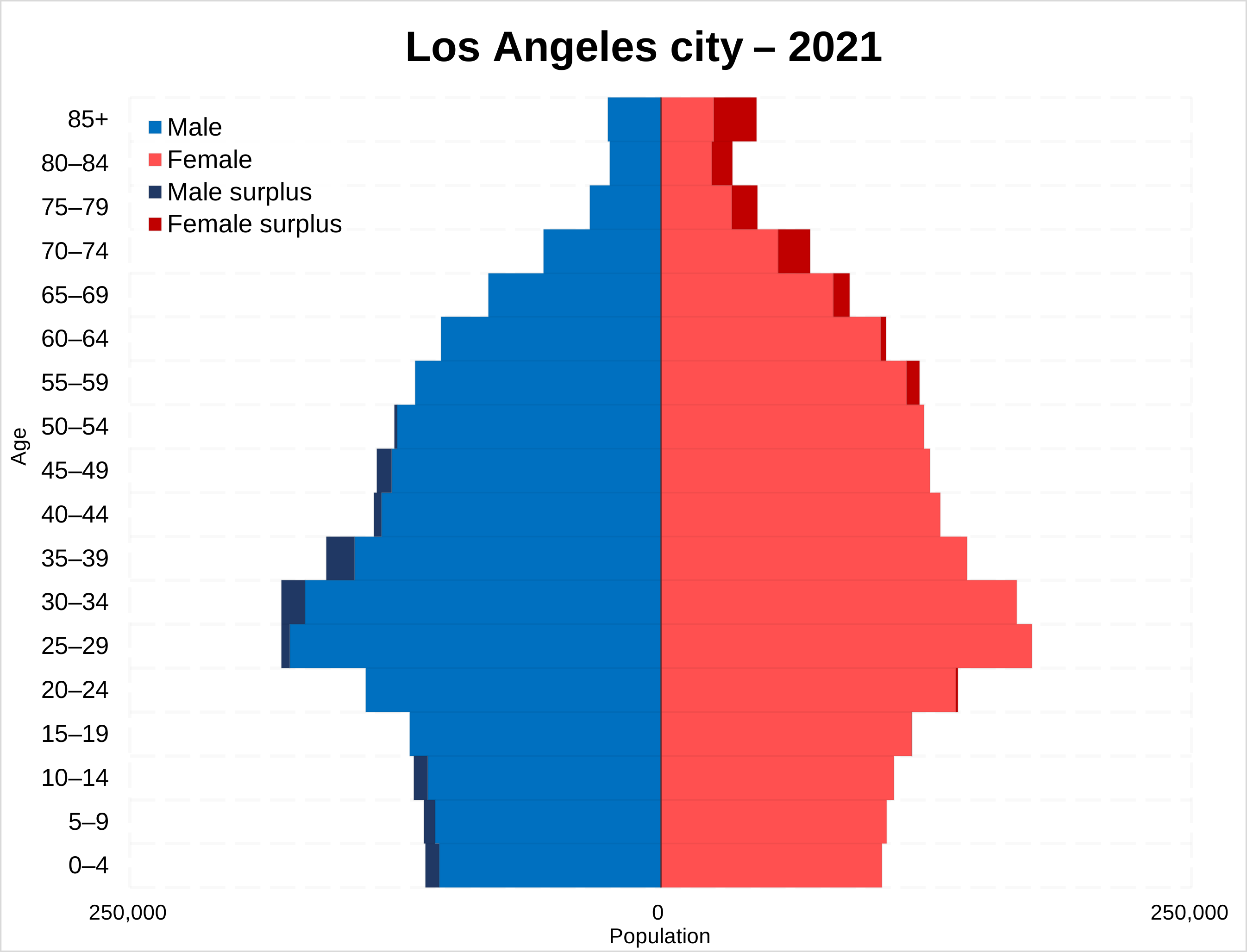
The age demographics of Los Angeles are also dynamic. Like many large urban centers, it attracts a significant population of young adults and working professionals drawn by career opportunities, particularly in sectors like entertainment, technology, and finance. This contributes to a relatively youthful median age.

However, Los Angeles also has a substantial population of families and older adults. The aging population, a trend seen nationwide, is also present here, necessitating considerations for healthcare, retirement communities, and senior services. The city continuously adapts to support its diverse age groups, from early childhood education to elder care.
Migration and Urbanization
Los Angeles has historically been a magnet for migration, both domestic and international. Its promise of opportunity, its temperate climate, and its cultural allure have drawn people from across the United States and from around the globe.
This continuous influx of new residents contributes to the city’s economic dynamism but also presents challenges related to housing affordability, infrastructure, and resource management. The ebb and flow of migration are integral to the story of Los Angeles, shaping its growth and its identity.
Factors Influencing Population Dynamics
Several key factors contribute to the ebb and flow of population in Los Angeles, influencing its growth, distribution, and demographic composition.
Economic Opportunities
The economic landscape of Los Angeles is a primary driver of its population. The presence of major industries such as the entertainment industry (Hollywood), the technology sector, aerospace, and international trade attracts a skilled workforce. High-paying jobs in these sectors draw individuals and families seeking career advancement and financial stability. Conversely, economic downturns or shifts in industry can lead to out-migration.
Housing Market and Affordability
The cost of living, particularly housing, is a significant factor influencing who can afford to live in Los Angeles. High housing prices and rental rates can be a barrier for many, leading to outward migration to more affordable surrounding areas or even to different states. The demand for housing often outstrips supply, a perpetual challenge for policymakers and residents alike. This dynamic significantly shapes the city’s socioeconomic makeup.
Quality of Life and Amenities
Beyond economic prospects, Los Angeles offers a desirable quality of life for many. Its renowned beaches, diverse cultural institutions like the Getty Center, vibrant arts scene, professional sports teams, and a generally desirable climate are powerful draws. These amenities contribute to the city’s appeal and help retain its residents, particularly those who value its unique lifestyle offerings.
Infrastructure and Transportation
As a sprawling metropolis, the efficiency of its infrastructure and transportation networks plays a crucial role in its population dynamics. While Los Angeles is heavily reliant on personal vehicles, ongoing investments in public transportation, such as the expansion of the LA Metro system, aim to improve connectivity and reduce commute times. The availability and quality of transportation can influence where people choose to live and work within the vast region.
The Significance of Population Size for Tourism and Lifestyle
Understanding the population of Los Angeles offers valuable insights for both visitors and those considering a more permanent stay. The sheer number of people shapes the city’s energy, its offerings, and its daily rhythm.
Impact on Tourism Experiences
The large population means Los Angeles is a major tourist destination, drawing millions of visitors annually. This translates into a vast array of attractions, from world-class theme parks like Disneyland and Universal Studios Hollywood to cultural landmarks such as the Griffith Observatory and the Hollywood Walk of Fame.
However, the dense population also means that popular attractions can be crowded, especially during peak seasons. Planning visits during off-peak hours or weekdays can enhance the visitor experience. The diversity of the population also means a rich tapestry of cultural experiences, from authentic ethnic cuisines to unique local festivals and events.
Shaping the Lifestyle of Residents
For residents, living in a populous region like Los Angeles means navigating a dynamic environment. It offers unparalleled access to diverse job markets, educational institutions, and entertainment options. The constant buzz of activity, the variety of neighborhoods, and the multicultural fabric contribute to a rich and often fast-paced lifestyle.
However, it also means dealing with traffic congestion, competition for resources, and the need to find personal space within a densely populated area. The lifestyle in Los Angeles is often characterized by its blend of opportunity, creativity, and the unique challenges of urban living on a grand scale. The sheer number of people ensures that there is always something happening, something new to discover, and a diverse community to engage with.
LifeOutOfTheBox is a participant in the Amazon Services LLC Associates Program, an affiliate advertising program designed to provide a means for sites to earn advertising fees by advertising and linking to Amazon.com. Amazon, the Amazon logo, AmazonSupply, and the AmazonSupply logo are trademarks of Amazon.com, Inc. or its affiliates. As an Amazon Associate we earn affiliate commissions from qualifying purchases.