
New York State, often recognized as a global epicenter of culture, commerce, and innovation, is a region of immense diversity, stretching from the bustling streets of New York City to the serene wilderness of the Adirondack Mountains. Understanding its population is not merely about reciting a number; it’s about grasping the vibrant tapestry of people who inhabit this iconic state and how their presence shapes its unique character, attractions, and opportunities for travelers and residents alike. From influencing the variety of local cultures and cuisines to driving the demand for diverse accommodation options and shaping travel trends, the population of New York State is a foundational element defining its identity. This article delves into the demographic landscape of the Empire State, exploring not just its current figures but also the implications for tourism, lifestyle, and the rich array of experiences it offers.
Demographics of a Dynamic State: A Closer Look at New York’s People
New York State stands as one of the most populous states in the United States, a testament to its enduring appeal as a hub for opportunity, culture, and a vibrant way of life. Its population is a complex mix, constantly evolving and reflecting both historical trends and contemporary shifts in society.
The Current Snapshot: Numbers and Distribution
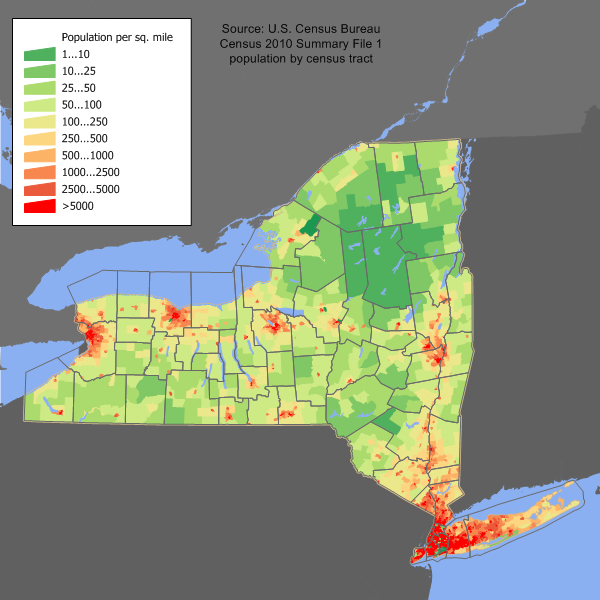
As of the latest estimates from the US Census Bureau, the population of New York State hovers around 19.5 million residents. This makes it the fourth most populous state in the nation, following California, Texas, and Florida. However, raw numbers only tell part of the story. The distribution of this population is critically important, revealing stark contrasts between its heavily urbanized south and its more rural upstate regions.
The overwhelming majority of New York State’s population is concentrated in the New York City metropolitan area, which includes the five boroughs—Manhattan, Brooklyn, Queens, the Bronx, and Staten Island—and extends into Long Island and the lower Hudson Valley. New York City alone is home to approximately 8.3 million people, making it the most populous city in the United States and a global megalopolis. This dense concentration creates a dynamic urban environment, fostering an unparalleled array of cultural institutions, businesses, and tourist attractions.
Beyond the immediate gravitational pull of New York City, other significant population centers dot the state map. Upstate cities like Buffalo, Rochester, Yonkers, Syracuse, and the state capital, Albany, each contribute hundreds of thousands of residents, serving as regional hubs for industry, education, and healthcare. These cities, while smaller in scale than New York City, possess their own distinct charm, history, and tourist offerings, from the revitalized waterfront of Buffalo to the historical significance of Albany. Conversely, vast expanses of the state, particularly in the Adirondack Mountains and the western rural areas, are sparsely populated, offering pristine natural beauty and a tranquil escape from urban life. This dual nature—hyper-urban and profoundly rural—is a defining characteristic of New York State’s population landscape.

A Melting Pot of Cultures: Diversity and Identity
New York State’s population is arguably its greatest asset when it comes to cultural richness and diversity. Historically, New York has been a primary gateway for immigrants to the United States, a legacy beautifully encapsulated by the Statue of Liberty in New York Harbor. This continuous influx of people from every corner of the globe has cultivated an unparalleled multicultural environment. Residents speak hundreds of languages, celebrate myriad traditions, and contribute to an incredibly diverse culinary scene that is a major draw for tourists.
Neighborhoods in New York City like Chinatown, Little Italy, Harlem, and Jackson Heights in Queens are living testaments to this vibrant multiculturalism, offering authentic experiences that transport visitors across continents without leaving the city limits. This diversity isn’t confined to the metropolis; upstate cities also boast their own unique cultural enclaves and traditions, often shaped by successive waves of immigration from Europe, Asia, and beyond. For travelers, this means an endless array of cultural activities, festivals, world-class museums like the Metropolitan Museum of Art and MoMA, and a gastronomic journey that reflects global influences. The state’s population isn’t just a number; it’s a dynamic, ever-changing community that fuels its identity as a truly global and welcoming destination.

Population Trends and Growth Factors
While New York State has long been a population magnet, recent trends indicate a complex picture of growth and decline. Like many established states in the Northeast, New York has experienced periods of population fluctuation. Historically, it saw significant growth driven by industrial expansion and immigration. More recently, however, the state has faced challenges such as outward migration to sunnier and lower-tax states, particularly among older residents and those seeking more affordable living. This has led to a slight population decline in some years, though this is often offset by continued international immigration and higher birth rates in certain urban areas.
Factors influencing New York State’s population dynamics include economic opportunities in its diverse industries—finance on Wall Street, technology in “Silicon Alley,” arts and entertainment on Broadway, and advanced manufacturing upstate—as well as the high cost of living, particularly within the New York City metropolitan area. Policy decisions, infrastructure investments, and the changing global economic landscape also play a significant role. Despite these shifts, New York State continues to attract a substantial number of domestic and international newcomers drawn by its cultural vibrancy, educational institutions, and career prospects. The state government and various organizations are actively working on initiatives to retain and attract residents, focusing on improving infrastructure, fostering economic growth in upstate regions, and enhancing quality of life. Understanding these trends helps predict future demands on tourism, accommodation, and public services.
Population’s Impact on Travel and Tourism in New York
The sheer volume and diversity of New York State’s population are fundamental drivers of its robust travel and tourism industry. From defining the character of its iconic landmarks to shaping the types of experiences available, the human element is central to the state’s appeal as a destination.
Urban Hubs: Attracting Millions
New York City, with its formidable population, is a primary magnet for global tourism. Its 8.3 million residents not only create a constant buzz and dynamic atmosphere but also form the essential infrastructure of services, entertainment, and hospitality that supports millions of annual visitors. The city’s dense population ensures a continuous demand for and supply of world-class attractions. Landmarks like the Empire State Building, Times Square, Rockefeller Center, and Central Park are not just architectural marvels but stages for human interaction and cultural exchange, bustling with both locals and tourists at all hours.
The vast population fuels a competitive and diverse culinary scene, ranging from Michelin-starred restaurants to ubiquitous food trucks, catering to every palate and budget. Similarly, the city’s performing arts, epitomized by Broadway, thrive on a massive audience base. The city’s dynamic population also means that there’s always something new happening, from pop-up art installations in Greenwich Village to cutting-edge fashion shows in the Meatpacking District. For travelers, New York City offers an urban lifestyle experience unlike any other, driven by the energy of its residents and the constant innovation their collective presence inspires. This concentration of people fosters a competitive market for hotels and accommodations, ensuring a wide selection for every type of traveler.
Upstate Charms: From Cities to Wilderness
While New York City dominates population figures, the upstate regions offer a different, yet equally compelling, array of attractions influenced by their own population densities and demographics. Cities like Buffalo, known for its architectural heritage and proximity to Niagara Falls; Rochester, with its rich history in optics and photography (George Eastman Museum); and Syracuse, a collegiate and cultural hub, each attract visitors with their unique offerings. These cities serve as gateways to the wider upstate region, providing a network of local businesses, restaurants, and cultural institutions that cater to both residents and tourists.
Beyond the cities, the less dense populations of regions like the Finger Lakes (renowned for its wineries and scenic beauty around Seneca Lake and Cayuga Lake), the Catskill Mountains (a haven for outdoor enthusiasts), and the expansive Adirondack Mountains (offering hiking, skiing, and pristine lakes like Lake Placid and Lake George) create a different kind of tourism ecosystem. Here, the focus shifts to nature-based activities, quaint small towns like Saratoga Springs with its mineral springs and horse racing, and historical sites like Cooperstown. The local populations in these areas, while smaller, are often deeply invested in preserving their natural environments and promoting local heritage, fostering a sense of community and authenticity that appeals to travelers seeking relaxation, adventure, or a taste of rural New York life. These communities support charming bed and breakfasts, family-run restaurants, and unique local shops, creating a distinct tourism niche.
Lifestyle and Niche Travel: Catering to Diverse Tastes
The varied demographics within New York State’s population directly influence the development of niche travel markets and diverse lifestyle experiences. For instance, the large concentration of families across the state ensures a steady demand for family-friendly attractions, from amusement parks like Darien Lake to interactive museums like the Strong National Museum of Play in Rochester. The affluent segments of the population, particularly around New York City and in destinations like The Hamptons on Long Island, drive a luxury travel market, demanding high-end resorts, fine dining, and exclusive experiences.
Conversely, the significant student population in university towns like Ithaca (home to Cornell University) and Syracuse supports a vibrant budget travel scene, including hostels, casual eateries, and lively nightlife. The state’s diverse ethnic groups also create specific cultural tourism opportunities, such as exploring the food markets and festivals of Queens or the historical sites in Harlem. Furthermore, the population’s interest in arts and history fuels a robust heritage tourism sector, with attractions like the Erie Canal, countless Gilded Age mansions along the Hudson Valley, and military academies like West Point. The varied lifestyles and interests of New York’s populace ensure that there is literally something for everyone, making it a perennially popular destination for myriad travel styles.
Accommodation and Infrastructure: Catering to the Masses
To support a population of nearly 20 million residents and welcome millions of visitors annually, New York State has developed an extensive and sophisticated network of accommodation options and transportation infrastructure. This capacity is vital for maintaining its status as a premier global destination.
A Spectrum of Stays: From Luxury to Budget
The demand generated by New York State’s large and diverse population directly influences the breadth of accommodation choices available. In New York City, travelers can find everything from opulent luxury hotels like the Plaza Hotel, the Waldorf Astoria New York, or the St. Regis New York offering unparalleled service and amenities, to stylish boutique hotels in neighborhoods like SoHo, and practical budget-friendly options for backpackers. Mid-range hotels, extended-stay suites, and serviced apartments cater to business travelers and families seeking more space. The proliferation of vacation rentals through platforms like Airbnb also offers a hyper-local accommodation experience, particularly popular among younger travelers or those looking for an authentic neighborhood feel.
Upstate, the accommodation landscape is equally varied but often reflects the regional character. The Adirondack Mountains boast rustic lodges and charming cabins; the Finger Lakes region is dotted with cozy bed and breakfasts located near wineries; and cities like Buffalo and Albany offer a mix of historic hotels, modern chains, and convention-friendly resorts. Resorts and villas are popular in scenic areas like Lake George and Saratoga Springs, catering to leisure travelers seeking recreation and relaxation. This wide range ensures that regardless of budget, preference, or travel purpose, visitors can find suitable accommodation, a direct consequence of catering to the complex needs of millions of residents and guests.
Urban vs. Rural Accommodation Challenges
The contrast in population density between urban and rural New York also presents unique challenges and opportunities for accommodation providers. In New York City, space is at a premium, leading to higher prices, smaller room sizes, and an emphasis on vertical development, such as towering hotel complexes and luxury apartment buildings. Hotels in Manhattan leverage their prime locations, offering unparalleled access to landmarks and business districts. Competition is fierce, driving innovation in amenities, from rooftop bars to state-of-the-art fitness centers.
In upstate and rural areas, while land is more abundant, the challenge lies in attracting consistent visitor numbers to support accommodation businesses. Here, the emphasis shifts from density to experience. Many properties capitalize on their natural surroundings, offering amenities like spa services, outdoor activities, and farm-to-table dining experiences. Unique accommodations such as glamping sites, lakeside cottages, and historic inns are prevalent. The distinct patterns of resident populations and tourist flows in these different regions dictate specific strategies for developing and marketing accommodation, ensuring that both the city dweller and the nature enthusiast can find their perfect temporary home in New York State.
Infrastructure for Millions: Keeping New York Moving
Serving a population of nearly 20 million, along with its constant influx of tourists, demands an incredibly robust and efficient transportation infrastructure. New York State is home to some of the busiest airports in the world, including John F. Kennedy International Airport (JFK) and LaGuardia Airport in New York City, and Newark Liberty International Airport just across the Hudson River in New Jersey, managed by the Port Authority of New York and New Jersey. These airports connect millions of travelers annually to domestic and international destinations.
Within New York City, the Metropolitan Transportation Authority (MTA) operates the largest public transportation network in North America, encompassing subways, buses, and commuter rail lines, essential for both residents’ daily commutes and tourists navigating the city. This system is a lifeline for millions, reducing reliance on private vehicles in an incredibly dense urban environment. Upstate, a network of interstates and scenic parkways, such as the New York State Thruway and the Taconic State Parkway, facilitates travel between cities and to rural attractions. Amtrak provides passenger rail services connecting major cities within the state and to other parts of the Northeast. This intricate web of transportation ensures that residents can work and live, and that visitors can explore the vast and varied landscapes of New York State with relative ease, showcasing how population density drives critical infrastructure development.
The Economic and Cultural Landscape Shaped by Population
The massive and diverse population of New York State is not just a statistical fact; it is the engine that drives its powerful economy and cultivates its renowned cultural vibrancy. This human capital is foundational to the state’s global influence and its enduring appeal.
Economic Powerhouse: Fueled by People
With nearly 20 million residents, New York State commands one of the largest state economies in the United States, often ranking just below California and Texas. This economic might is a direct result of its large and diverse workforce, which fuels a multitude of high-value sectors. New York City’s Financial District, home to Wall Street, remains a global center for finance, banking, and commerce, attracting top talent from around the world. The state is also a leader in technology, with “Silicon Alley” in Manhattan and growing tech hubs upstate contributing significantly to innovation and job creation.
Beyond finance and tech, New York State’s economy thrives on healthcare, education (with numerous world-class universities), media, fashion, and, crucially, tourism. The sheer volume of residents supports a robust local consumer market, while the influx of tourists injects billions of dollars annually into the hospitality sector, supporting hotels, restaurants, shops, and entertainment venues. The diverse skill sets and entrepreneurial spirit of its immigrant population further enrich the economic fabric, fostering small businesses and driving innovation across various industries. This dynamic economic environment not only provides opportunities for its residents but also presents a compelling backdrop for business travelers and those seeking career growth within its borders.
Cultural Vibrancy: A Mosaic of Experiences
The multicultural fabric of New York State’s population is the wellspring of its unparalleled cultural vibrancy. The blending of traditions, languages, and artistic expressions from around the world creates a cultural landscape that is constantly evolving and endlessly fascinating. This richness is evident in the state’s culinary scene, where every global cuisine can be found, from authentic Szechuan in Flushing, Queens to traditional Italian in Arthur Avenue in the Bronx.
New York is a global arts capital, boasting iconic institutions like the Metropolitan Museum of Art, the Museum of Modern Art (MoMA), and thousands of galleries. The performing arts flourish on Broadway, in Lincoln Center, and in countless smaller venues across the state. Festivals celebrating various cultures, music genres, and artistic endeavors are held year-round, from the Puerto Rican Day Parade in New York City to the Lilac Festival in Rochester. This cultural effervescence provides an inexhaustible source of activities and experiences for residents and tourists, embodying the “live out of the box” philosophy that encourages exploration and immersion in diverse lifestyles. The high population density supports these ventures, ensuring a constant audience and a steady stream of creative talent.
Conclusion
The population of New York State, standing at approximately 19.5 million, is far more than just a statistic. It is the living, breathing essence of a state that embodies dynamism, diversity, and boundless opportunity. From the dense, multicultural vibrancy of New York City to the serene, community-focused towns of upstate New York, the people of this state shape every aspect of its appeal. They drive its economic engine, inspire its cultural innovations, and create the demand for its vast array of travel and accommodation experiences.
For anyone planning to explore New York State, understanding its population helps contextualize the richness and variety of journeys available. Whether you seek the bustling energy of a global metropolis, the tranquil beauty of its natural parks, or the historical charm of its smaller cities, the state’s population ensures that every corner offers a unique perspective. It’s this intricate human mosaic that makes New York State not just a place to visit, but a world to experience, where every individual contributes to its enduring legend.
LifeOutOfTheBox is a participant in the Amazon Services LLC Associates Program, an affiliate advertising program designed to provide a means for sites to earn advertising fees by advertising and linking to Amazon.com. Amazon, the Amazon logo, AmazonSupply, and the AmazonSupply logo are trademarks of Amazon.com, Inc. or its affiliates. As an Amazon Associate we earn affiliate commissions from qualifying purchases.