
Alaska, often referred to as “The Last Frontier,” is a land of unparalleled natural beauty, immense wilderness, and a population density that stands in stark contrast to its colossal size. As the largest state in the United States by area, its population figures offer a fascinating insight into human resilience, adaptation, and the unique draw of living in such a dramatic environment. Understanding the population of Alaska is not merely about reciting numbers; it’s about comprehending the intricate relationship between people, vast landscapes, economic drivers, and the vibrant culture that defines this northernmost state.
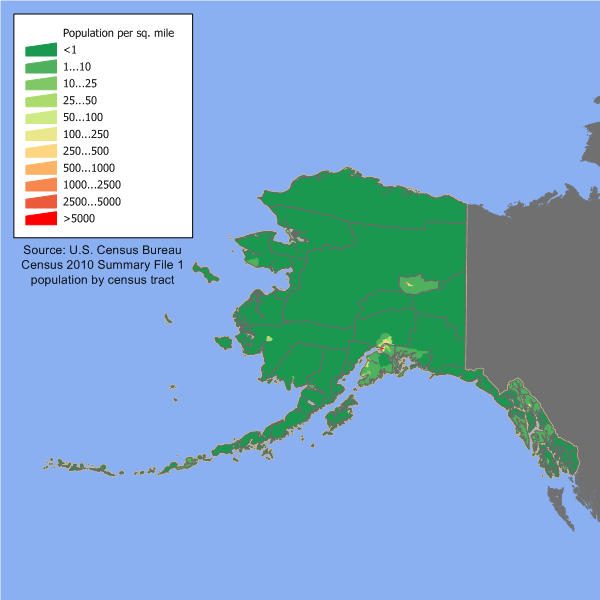
At first glance, the question “What’s the population of Alaska?” might seem straightforward. However, the answer quickly reveals the state’s distinctive demographic profile. Recent estimates place Alaska’s population at approximately 733,391 people as of 2023. This number, while seemingly modest for such a large landmass, represents a diverse tapestry of cultures, occupations, and lifestyles, all contributing to the state’s unique character. When considering Alaska’s nearly 665,000 square miles of territory, this population translates to roughly 1.2 people per square mile, making it one of the most sparsely populated regions in North America. This low density profoundly influences everything from travel logistics and tourism development to accommodation options and the daily rhythm of life for its residents.
Unpacking Alaska’s Unique Demographics
The demographic landscape of Alaska is unlike any other in the United States. Its vastness dictates a scattered distribution, with pockets of concentrated human activity surrounded by immense, often untouched, wilderness. This pattern is not arbitrary; it’s a direct consequence of geographical features, historical development, and economic opportunities.
A Vast Land, A Sparse Populace
The sheer scale of Alaska means that its population, though numerically small, is spread across an area roughly equivalent to one-fifth of the entire continental United States. This immediately highlights the challenges and unique aspects of travel and living within the state. For tourists, this sparseness translates into unparalleled opportunities for wilderness exploration and solitude, a far cry from the bustling cities of the lower 48. For residents, it often means longer travel times between communities, a reliance on bush planes or ferries, and a deep appreciation for community bonds in often isolated settings. The low population density also impacts the availability and types of amenities, from restaurants and shops to hotels and resorts. While major cities offer a range of modern conveniences, more remote areas often feature rustic lodges, cabins, or bed and breakfasts, catering to adventurers seeking an authentic Alaskan experience.
The Hubs of Human Activity: Major Cities
Despite its overall low population density, Alaska does have significant population centers that serve as economic, cultural, and logistical hubs. These cities are crucial for understanding where most Alaskans live and where much of the state’s tourism infrastructure is concentrated.
The largest city by far is Anchorage, located in the south-central part of the state. With a metropolitan area population exceeding 290,000, Anchorage is home to more than 40% of Alaska’s residents. It serves as the primary gateway for air travel into the state and offers the widest array of hotels, from luxury high-rises to comfortable budget accommodations. Anchorage boasts a vibrant urban lifestyle while still providing immediate access to wilderness, with Chugach State Park bordering the city. It’s a key destination for travelers seeking a blend of city amenities and outdoor adventures, offering direct access to the Alaska Railroad and numerous road connections to popular attractions.
Following Anchorage, the next largest city is Fairbanks in the interior, with a population of around 32,000 within the city limits and over 95,000 in its borough. Fairbanks is known as the “Golden Heart City” and is a hub for military activity, mining, and tourism, especially for those hoping to witness the Northern Lights. Its hotels cater to both business travelers and tourists, offering a range of options from chain hotels to more unique local establishments. Fairbanks also serves as a crucial staging point for trips further north to the Arctic Circle or south to Denali National Park and Preserve.

The state capital, Juneau, is unique in that it’s the only U.S. state capital not accessible by road, adding to its mystique and reliance on air and sea travel. With a population of approximately 32,000, Juneau is nestled amidst stunning fjords and glaciers, including the famous Mendenhall Glacier. It’s a popular port for cruise ships navigating the Inside Passage, leading to a robust tourism industry and a variety of hotel and accommodation options, from boutique hotels to charming B&Bs that cater to visitors exploring the city’s historical sites and natural wonders.
Other significant communities include Ketchikan, known as the “First City” due to its location at the southern entrance of the Inside Passage and its rich Alaska Native culture, particularly evident in its totem pole collections. Sitka, on Baranof Island, offers a blend of Russian and Tlingit heritage. Kodiak is a major fishing port and home to the renowned Kodiak bear. These smaller cities, while not as populous as Anchorage or Fairbanks, are vital components of Alaska’s economic and cultural fabric, often serving as gateways to remote wilderness areas and offering unique tourism experiences.
Factors Shaping Alaskan Population Dynamics
The population of Alaska is not static; it’s a dynamic entity influenced by a complex interplay of natural, economic, and social factors. These elements dictate not only the overall numbers but also where people choose to live and the kind of lifestyle they lead.
The Influence of Geography and Climate
It’s impossible to discuss Alaska’s population without acknowledging its formidable geography and extreme climate. The state spans multiple climatic zones, from the temperate rainforests of the southeast to the frigid Arctic tundra of the north. Much of the interior experiences harsh, long winters and short, intense summers. This environment naturally limits where human settlements can thrive. Mountain ranges like the Alaska Range, home to Mount Denali, and vast expanses of glaciers and permafrost make large-scale development challenging and costly. Consequently, population centers tend to cluster in more accessible coastal areas or along major river systems.
For travelers, this geographical reality defines the tourist experience. Remote lodges, accessible only by floatplane, capitalize on the isolation. Cruises along the Inside Passage or into Prince William Sound offer glimpses of landscapes largely untouched by human development. The extreme climate also influences the seasonality of tourism, with peak travel occurring during the warmer summer months when access is easiest and daylight hours are longest. This seasonality, in turn, can lead to fluctuations in temporary populations in tourist-dependent communities as seasonal workers arrive and depart.
Economic Engines: Resources and Military
Alaska’s economy has historically been driven by its abundant natural resources and strategic military importance. These sectors have played a pivotal role in attracting and retaining residents. The oil and gas industry, particularly on the North Slope around Prudhoe Bay, has been a major employer since the discovery of oil in the late 1960s. High-paying jobs in this sector drew many individuals and families to the state, contributing to growth in cities like Anchorage and Fairbanks. The fisheries sector, focused on salmon, halibut, and crab, supports numerous coastal communities, providing livelihoods and attracting seasonal workers. Mining, forestry, and, increasingly, tourism, also contribute significantly to the state’s economic base.
Military installations, such as Joint Base Elmendorf-Richardson in Anchorage and Fort Wainwright in Fairbanks, bring a substantial transient population of service members and their families. These individuals contribute to the local economies and demographic diversity, though their stays are often temporary. The presence of these economic drivers directly impacts the demand for housing, services, and amenities, from hotels catering to visiting military families to long-term apartment rentals for civilian contractors.

Indigenous Roots and Cultural Significance
A significant and deeply rooted component of Alaska’s population is its diverse Alaska Native communities, encompassing various groups such as the Iñupiat, Yup’ik, Aleut, Athabascan, Tlingit, Haida, and Tsimshian. These indigenous peoples have inhabited Alaska for thousands of years, long before European contact, and their cultures, languages, and traditional ways of life remain vital. While specific populations vary, Alaska Native people constitute a larger proportion of the state’s overall population (around 15-20%) compared to indigenous populations in most other U.S. states. Many live in rural villages, often in remote locations, maintaining traditional subsistence lifestyles alongside modern influences.
For tourism, the rich heritage of Alaska Native cultures offers profound experiences, from visiting cultural centers and museums to witnessing traditional dances and art forms in places like Ketchikan and Sitka. Understanding the distribution and significance of these communities is crucial for any visitor seeking to engage respectfully with the full spectrum of Alaskan life and history. Their presence also shapes local economies, including unique accommodation options such as cultural immersion stays and guided tours offered by Native corporations.
The Interplay of Population and Tourism in Alaska
The relatively small and dispersed population of Alaska creates a unique dynamic for its booming tourism industry. The very factors that limit population growth – vast wilderness, extreme climate, and remoteness – are precisely what attract millions of visitors annually.
From Wilderness Exploration to Urban Comforts
The sparse population means that large tracts of Alaska remain wild and undeveloped, offering unparalleled opportunities for wilderness tourism. Visitors flock to Denali National Park and Preserve to see Mount Denali and its wildlife, to the glaciers of Prince William Sound, or to the remote fishing lodges for world-class angling. These experiences are inherently tied to the low human footprint across much of the state. Travel to these remote areas often involves small aircraft, ferries (like the Alaska Marine Highway System), or even dog sleds, becoming an adventure in itself.
However, the tourism industry also thrives in Alaska’s more populated areas. Cities like Anchorage, Fairbanks, and Juneau serve as essential gateways, providing urban comforts, fine dining, cultural attractions, and a wide range of hotel accommodations. Travelers can enjoy a luxurious resort stay in Anchorage before embarking on a rugged backcountry expedition. This dual nature of Alaskan tourism – embracing both untouched wilderness and developed urban centers – is a direct reflection of its population distribution. The infrastructure in these cities, from international airports to comprehensive hotel chains and boutique lodges, enables the continuous flow of visitors and supports the surrounding tourism ecosystem.
Accommodation Trends Across the State
The accommodation landscape in Alaska mirrors its population distribution. In the more populous areas, especially Anchorage, you’ll find a full spectrum of options, from well-known hotel brands like Hilton and Marriott to independent hotels, extended-stay apartments, and charming bed and breakfasts. These cater to a diverse clientele, including business travelers, families, and luxury seekers. Juneau and Fairbanks also offer a good selection of hotels, particularly those geared towards cruise passengers and aurora borealis watchers, respectively.
As one ventures into less populated regions, the accommodation options shift dramatically. Remote lodges become prevalent, offering an immersive wilderness experience. These might be rustic cabins with basic amenities, luxurious fly-in fishing resorts, or eco-lodges focused on sustainable tourism. In small towns and villages, independent motels, inns, and guesthouses are common, often reflecting local character and providing a more intimate experience. The choice of accommodation in Alaska is often dictated by the destination’s population density and accessibility, ranging from five-star urban hotels to tent camps deep in the backcountry, illustrating the versatility required for travel in such a diverse state.
Lifestyle and Living in the Last Frontier
Life in Alaska, for its relatively small population, is shaped profoundly by its environment and the unique challenges and rewards it presents. The Alaskan lifestyle is often characterized by a spirit of independence, self-sufficiency, and a deep connection to the outdoors.
The population’s distribution plays a role in fostering a strong sense of community. In smaller, more isolated towns, neighbors often rely on each other, creating tight-knit social networks. Even in larger cities like Anchorage, a sense of shared identity and resilience prevails, often stemming from the common experience of Alaskan winters and the adventures of summer. Many Alaskans embrace an active, outdoor-oriented lifestyle, engaging in activities such as fishing, hunting, hiking, skiing, and wildlife viewing. This is a natural consequence of living amidst such vast natural beauty and accessible wilderness.
From a lifestyle travel perspective, Alaska caters to a wide array of preferences. For those seeking luxury travel, high-end lodges offer gourmet dining and exclusive guided tours in stunning settings. Budget travelers can find affordable camping options, hostels, and simpler accommodations in various towns. Family trips are well-supported with numerous parks, wildlife attractions, and family-friendly hotels. Even business stays are accommodated, particularly in Anchorage and Fairbanks, where conference facilities and corporate hotels are readily available. The essence of the Alaskan lifestyle, for residents and visitors alike, is about embracing the vastness and wildness of the land, finding adventure and beauty in its remote corners, and valuing the distinct character that only such a sparsely populated and grand state can offer.
In conclusion, while the population of Alaska hovers around 733,391, this number is just the beginning of understanding the state. It signifies a profound relationship between people and one of the world’s most untamed environments. It shapes travel routes, dictates the availability of diverse accommodations, fuels unique tourism experiences, and defines a lifestyle of rugged beauty and close-knit communities. For anyone planning to visit or simply curious about this magnificent state, recognizing its population dynamics is key to appreciating the true spirit of “The Last Frontier.”
LifeOutOfTheBox is a participant in the Amazon Services LLC Associates Program, an affiliate advertising program designed to provide a means for sites to earn advertising fees by advertising and linking to Amazon.com. Amazon, the Amazon logo, AmazonSupply, and the AmazonSupply logo are trademarks of Amazon.com, Inc. or its affiliates. As an Amazon Associate we earn affiliate commissions from qualifying purchases.