
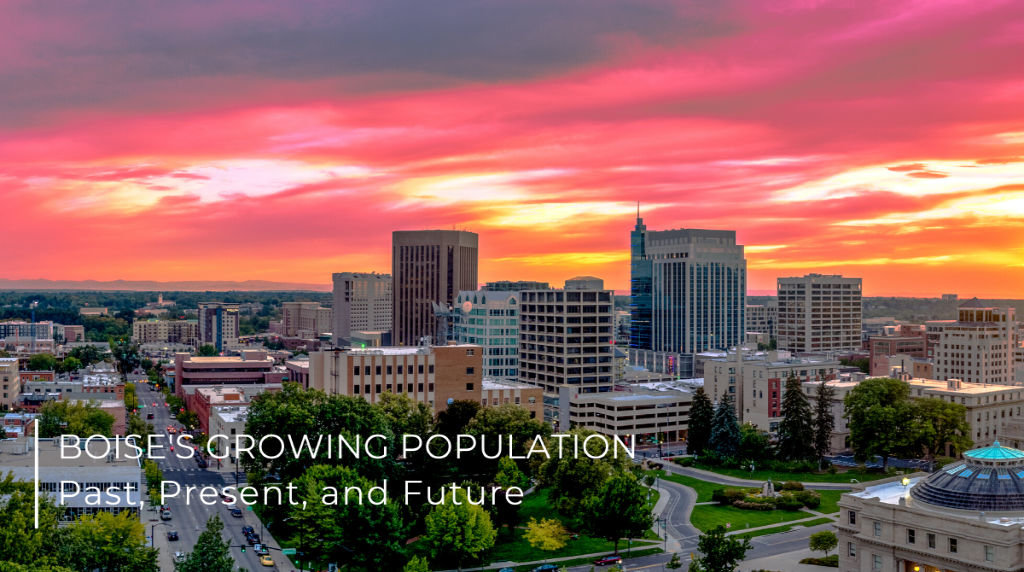
When considering a move or a trip to the capital city of Idaho, understanding the demographic landscape of Boise is essential. As the most populous city in the state, this vibrant urban center serves as the anchor for the Treasure Valley, a region that has experienced significant expansion over the past two decades. With a population currently estimated to be hovering around 235,000 to 240,000 residents within the city limits, Boise represents a unique blend of high-growth energy and the storied, laid-back atmosphere of the American West.
The Growth Trajectory of the Treasure Valley
The story of Boise’s population is inextricably linked to the broader growth of the Treasure Valley. While the city proper holds a substantial number of inhabitants, the metropolitan area—which encompasses Ada County and Canyon County—boasts a combined population that exceeds 800,000 people. This surge is not merely a statistical anomaly but the result of sustained migration from across the United States.
Factors Influencing Urban Migration
Many individuals are drawn to the region by the promise of a higher quality of life. The combination of a relatively low cost of living, compared to coastal tech hubs, and access to an abundance of outdoor recreational opportunities has made the capital a top destination for remote workers and young families. As Silicon Slopes and other tech corridors continue to influence the regional economy, the influx of professionals looking for a balanced lifestyle continues to push the population numbers upward.
Balancing Urban Density and Sprawl
This rapid growth presents a distinct set of challenges for local government and urban planners. Maintaining the character of the city while managing the infrastructure needs of a swelling population requires careful navigation. The city has focused on sustainable development, aiming to densify the downtown area while preserving the green corridors that define the Boise River landscape.
Demographic Composition and Community Impact
Understanding who makes up the population is just as important as knowing the total number of people living in Boise. The city has become a melting pot of demographics, shifting away from its historically homogenous roots toward a more diverse, youthful, and intellectually vibrant community.
The Influence of Academia and Youth
A major driver of the demographic profile is Boise State University. With a student population that injects thousands of young adults into the city each year, the energy of the urban core remains remarkably youthful. This academic presence fosters a culture of innovation, art, and intellectual discourse that permeates the local coffee shops, craft breweries, and public parks.

Changing Cultural Landscapes
Over the last ten years, the city has seen a steady increase in cultural diversity. This is evident in the burgeoning culinary scene, where traditional western fare now sits comfortably alongside international cuisine. The Basque Block, for instance, stands as a testament to the city’s deep-rooted Basque heritage, attracting visitors from around the world and highlighting how the community celebrates its multicultural origins.
Infrastructure and Economic Outlook
Population density dictates the pulse of any city’s infrastructure. As the number of residents increases, so does the demand for efficient transit, housing, and public services. The City of Trees has responded to these pressures with a strategic vision that prioritizes long-term viability over short-term gain.
Housing Market Trends
The housing market in Idaho has mirrored national trends, seeing significant appreciation in home values as demand outpaces supply. For potential residents, this means that while the city remains attractive, the competitive nature of the real estate market is a critical factor to consider. Many families are looking toward the growing suburbs of Meridian and Nampa to find more space, further contributing to the regional population boom.
Transportation and Mobility
Transportation planning has become a focal point for city officials. The increasing number of cars on the road has necessitated improvements to Interstate 84 and secondary arterial roads. However, there is also a strong push toward alternative transportation, such as expanding the network of biking paths and improving public transit efficiency. The commitment to maintaining a walkable and bikeable urban environment helps mitigate the negative side effects of a larger, more dense population.
Future Projections and Sustainability
Looking toward the future, projections suggest that Boise will continue to grow at a rate faster than many other cities in the Pacific Northwest. This growth is anticipated to be steady and sustained, fueled by the area’s resilience and its reputation as a “hidden gem” that has now been firmly discovered by the rest of the country.
Managing Resources
The primary concern for future growth is resource management. Water usage, energy consumption, and the preservation of wild spaces are at the forefront of the public conversation. Residents of Boise take immense pride in their connection to the surrounding Rocky Mountains and the Sawtooth National Forest. Protecting these natural assets is not just an environmental imperative; it is essential to the city’s identity and its appeal to future residents.

Cultivating an Enduring Community
Ultimately, the population of Boise is defined by its citizens’ commitment to community. Whether it is supporting the local Boise Art Museum or participating in the vibrant farmers’ markets on Saturdays, the people here are highly engaged. As the population grows, the challenge and the opportunity for the city will be to integrate newcomers while maintaining the welcoming spirit that characterized the town when it was much smaller.
In summary, Boise is a city in transition, moving from a regional hub to a significant western metropolis. Its population of roughly a quarter-million represents a demographic shift toward professional, outdoor-oriented, and community-minded individuals. For those watching the trajectory of Idaho, the growth of its capital is a fascinating case study in how a mid-sized city can evolve while attempting to keep the heart of its culture intact. By balancing development with conservation and fostering an inclusive environment, the region is poised to continue its upward momentum for years to come.
LifeOutOfTheBox is a participant in the Amazon Services LLC Associates Program, an affiliate advertising program designed to provide a means for sites to earn advertising fees by advertising and linking to Amazon.com. Amazon, the Amazon logo, AmazonSupply, and the AmazonSupply logo are trademarks of Amazon.com, Inc. or its affiliates. As an Amazon Associate we earn affiliate commissions from qualifying purchases.