
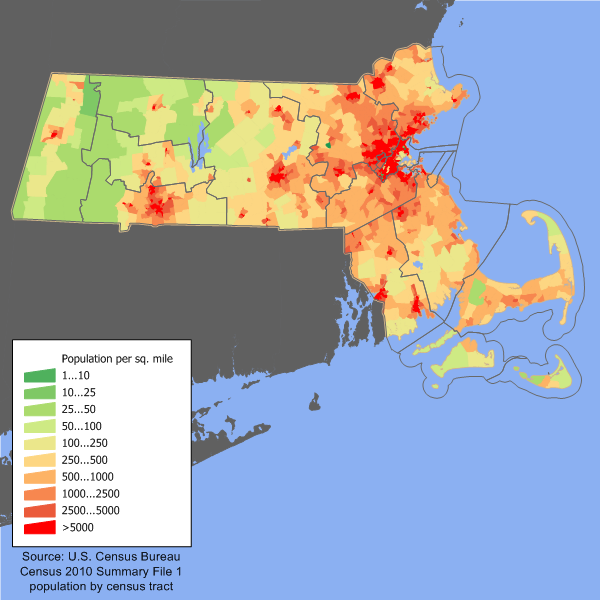
The population of Boston, Massachusetts, within its municipal limits, hovers around 670,000 to 690,000 residents, according to recent estimates from the U.S. Census Bureau. This figure, while significant, only tells part of the story, as Boston anchors a much larger metropolitan area, often referred to as Greater Boston, which encompasses several million people. Understanding these demographics is crucial for appreciating the city’s unique historical trajectory, its distinctive urban fabric, and the evolution of its iconic landmarks and natural spaces. The ebb and flow of its population have profoundly shaped Boston’s architecture, its preservation efforts, and its ongoing relationship with both its storied past and its dynamic future.

Boston’s Demographic Tapestry: A Historical Perspective
The story of Boston’s population is inextricably linked to the narrative of America itself. From its founding as a small Puritan settlement to its status as a bustling global city, population growth and demographic shifts have been fundamental forces in shaping its physical and cultural landscape.
Early Growth and Colonial Foundations
When English colonists, led by John Winthrop, first settled the Shawmut Peninsula in 1630, the nascent town of Boston was home to a mere handful of families. Its strategic harbor and intellectual fervor quickly drew more settlers, making it one of the largest and most influential cities in colonial America. By the mid-18th century, on the eve of the American Revolution, Boston’s population reached approximately 16,000. This relatively high density for the era, constrained by the narrow peninsula, led to the tightly packed street plan still evident in areas like the North End. The limited space directly influenced the construction of multi-story brick buildings and the development of public spaces such as Faneuil Hall and Boston Common, which became central to civic life and public discourse. These early population pressures laid the groundwork for the urban character and the location of many of Boston’s most famous historical landmarks, many of which can be explored along the Freedom Trail.
Industrialization and Immigration Waves
The 19th century witnessed an explosion in Boston’s population, fueled by industrialization and massive waves of immigration, primarily from Ireland and Italy. The city’s population swelled from around 25,000 in 1800 to over 560,000 by 1900. This rapid growth necessitated significant urban expansion, leading to ambitious land-filling projects that dramatically altered the city’s geography. The creation of the Back Bay neighborhood, built entirely on reclaimed land, stands as a monumental example of how population pressure spurred architectural innovation and urban engineering. This era also saw the construction of countless triple-decker homes and rowhouses to accommodate the influx of new residents, transforming the architectural landscape beyond the colonial core. The diverse immigrant communities established vibrant neighborhoods, each contributing unique cultural landmarks, from churches and synagogues to community centers and markets, shaping the city’s rich cultural tapestry.
Population Density and Urban Development: Shaping Boston’s Landscape
Boston’s relatively high population density, especially for an American city, has always been a defining characteristic. This density has driven innovative solutions in urban planning, architectural design, and the thoughtful integration of green spaces.
Architectural Evolution Amidst Growth
The dense urban environment of Boston has fostered distinct architectural styles and building practices. In older areas, the narrow, winding streets and compact lots are legacies of the colonial era, with Federal and Greek Revival townhouses standing shoulder-to-shoulder. The expansion into areas like the Back Bay and the South End in the 19th century, driven by the need for more housing, resulted in the elegant Victorian brownstone facades that define these historic districts today. These neighborhoods are a testament to how population growth can lead to distinctive architectural statements that become beloved landmarks. In the 20th and 21st centuries, as population continued to grow and demand for space intensified, modern skyscrapers began to punctuate the skyline, particularly in the Financial District and Seaport, adding new layers to Boston’s evolving architectural narrative. Each new building, from the John Hancock Tower to the contemporary glass towers along the Waterfront, reflects the ongoing demand for space within a growing, dynamic urban core.
Preserving Green Spaces and Waterfronts
Despite its density, Boston has a commendable commitment to preserving and creating green spaces. The foresight of planners like Frederick Law Olmsted in the late 19th century, during a period of significant population boom, led to the creation of the Emerald Necklace. This chain of interconnected parks and waterways, including Franklin Park, the Arnold Arboretum, and the Charles River Esplanade, provides vital recreational areas and natural habitats within the dense urban fabric. These parks are not merely amenities; they are integral landmarks that reflect a historical understanding of the importance of nature in an urbanized society. Similarly, ongoing efforts to revitalize the Boston Harbor Islands National and State Park and to ensure public access to the city’s extensive Waterfront demonstrate a continued commitment to balancing population needs with environmental preservation and access to natural beauty.
The Influence of Population on Boston’s Famous Places
The sheer number of people living in and visiting Boston has dictated which places become famous, how they are used, and how they are preserved. From historic battlefields to vibrant cultural institutions, population directly influences the city’s landmark status.
Historic Districts and Neighborhoods
The concentration of people in Boston over centuries has imbued certain areas with profound historical significance. Neighborhoods like Beacon Hill, with its cobblestone streets and gas lamps, or the North End, the city’s oldest residential community, retain their historic character largely because they were continuously inhabited and adapted by successive generations. The sustained population meant that rather than being razed, buildings were repurposed, and stories were passed down. Landmarks such as the Old North Church or Paul Revere’s House would not have the same resonance without the context of the dense, bustling community that once surrounded them. These areas, preserved and celebrated, serve as living museums, their continued existence a direct result of continuous human habitation and the reverence for history among their residents.
Modern Landmarks and Future Development
As Boston’s population continues to grow and diversify, particularly with an influx of young professionals and students, new landmarks emerge, reflecting contemporary needs and aspirations. The transformation of the Seaport District from industrial wasteland to a hub of innovation, residential towers, and cultural attractions like the Institute of Contemporary Art is a prime example. This development is directly driven by population demands for housing, workspace, and modern amenities. Furthermore, major infrastructure projects like the Big Dig, while controversial, fundamentally reshaped the city’s core, creating new greenways like the Rose Fitzgerald Kennedy Greenway, which has quickly become a modern landmark and a beloved public space, born out of the necessity to manage increased traffic from a growing population.
Nature and Urban Planning: Adapting to Density
Managing natural resources and integrating green elements within a densely populated city like Boston requires continuous and thoughtful urban planning. The city’s relationship with its environment, particularly its waterfront, is a crucial aspect of its identity.
The Emerald Necklace and Urban Parks
The concept of the Emerald Necklace was revolutionary for its time, recognizing that a growing urban population needed access to nature for health and well-being. This system, including parks like the Boston Common, the Public Garden, and the Charles River Esplanade, not only provides recreational space but also serves as critical natural infrastructure, managing stormwater and supporting urban biodiversity. These natural landmarks are vital “lungs” for the city, enabling a high quality of life despite the dense population. Their preservation and ongoing maintenance are constant reminders of the historical and contemporary imperative to balance urban expansion with ecological stewardship.
Coastal Adaptation and Public Access
As a coastal city with a significant portion of its land created through infill, Boston’s relationship with the Atlantic Ocean is paramount. With a growing population and the increasing threats of climate change, the city is actively engaged in coastal adaptation strategies. These plans not only aim to protect existing landmarks and neighborhoods but also seek to enhance public access to the Waterfront, creating new parks and pathways. The goal is to ensure that even with increasing population density, residents and visitors can continue to enjoy the natural beauty of Boston Harbor and the Charles River, reinforcing the idea that nature is an integral part of Boston’s celebrated public spaces and landmarks.
Current Demographics and Future Outlook
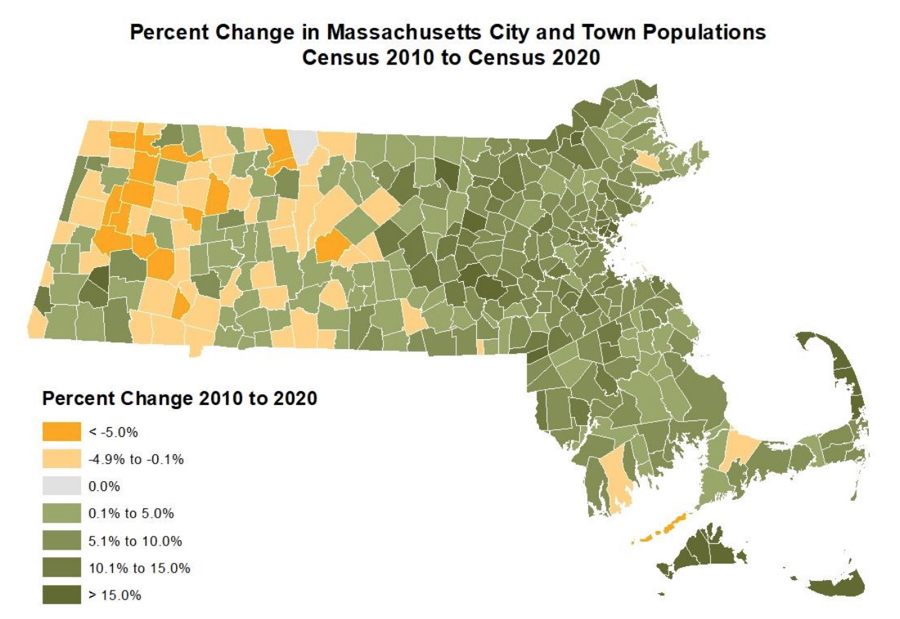
Boston’s current population, while relatively stable in recent years, continues to be highly diverse and dynamic. The city boasts a large student population, with numerous universities and colleges contributing to its vibrant, youthful energy and intellectual capital. This demographic influx drives demand for housing, services, and cultural amenities, continuously shaping the city’s future development. Planning for this evolving population includes strategic investments in transportation infrastructure, affordable housing initiatives, and the thoughtful development of new neighborhoods while honoring the preservation of historical landmarks. As Boston looks ahead, its population figures will continue to be a primary driver in how its famous places are preserved, adapted, and created, ensuring that the city remains a captivating blend of history, innovation, and natural beauty for generations to come.
LifeOutOfTheBox is a participant in the Amazon Services LLC Associates Program, an affiliate advertising program designed to provide a means for sites to earn advertising fees by advertising and linking to Amazon.com. Amazon, the Amazon logo, AmazonSupply, and the AmazonSupply logo are trademarks of Amazon.com, Inc. or its affiliates. As an Amazon Associate we earn affiliate commissions from qualifying purchases.