
Florida, often referred to as the Sunshine State, is a beacon of opportunity, leisure, and natural beauty for millions. As one of the fastest-growing states in the United States, its population figures are not merely statistics; they are a vibrant testament to its enduring appeal, shaping everything from its bustling metropolises to its serene coastal towns, and profoundly influencing its thriving tourism and accommodation sectors. Understanding Florida’s population is key to grasping the dynamic landscape of travel, lifestyle, and economic development within this diverse peninsula.
Florida’s Population: A Snapshot of Growth and Diversity
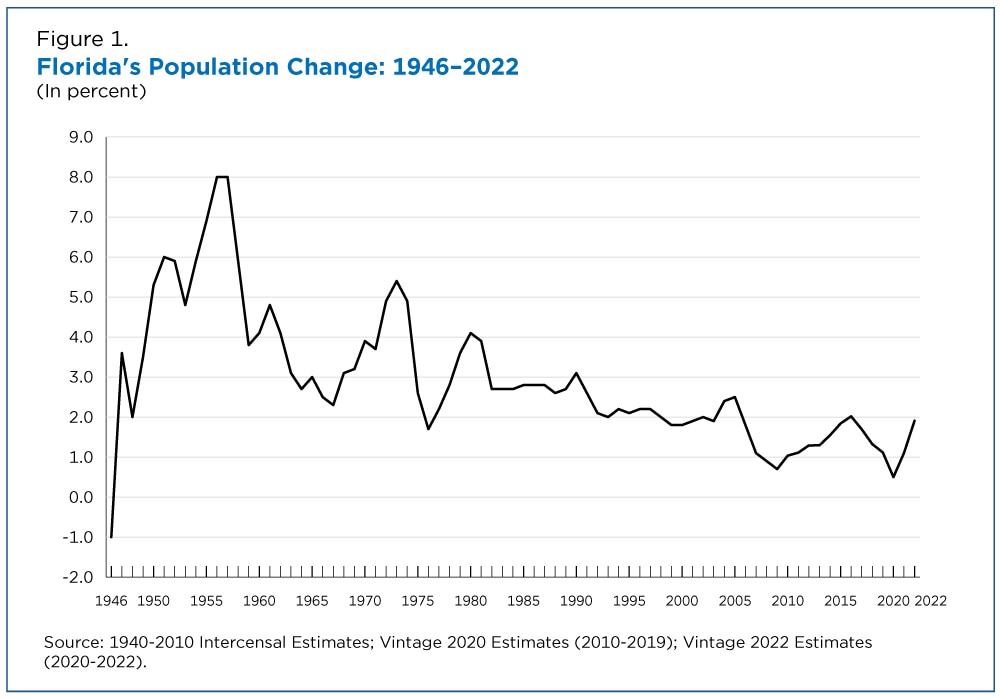
Florida’s population has consistently been on an upward trajectory, making it one of the most populous states in the nation. This growth reflects a complex interplay of economic opportunities, quality of life factors, and its unparalleled appeal as a tourist destination that often converts visitors into permanent residents.
Unpacking the Latest Figures
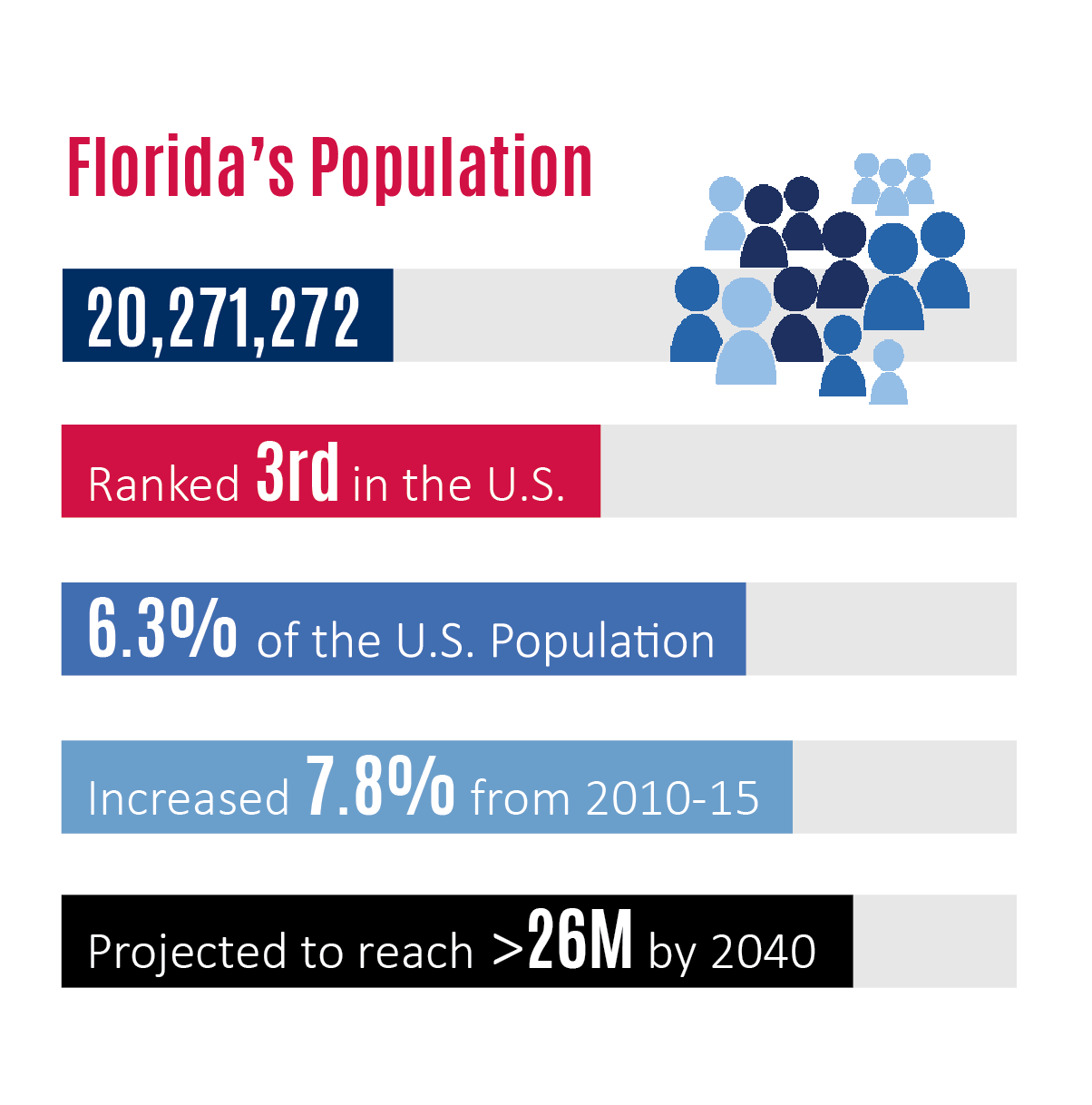
While exact numbers fluctuate with each census and subsequent estimates, Florida’s population currently hovers around 22.6 million residents, positioning it third in the United States in terms of population size. This remarkable figure represents decades of sustained growth, driven by both domestic migration from other U.S. states and international immigration. The sheer scale of this population has significant implications for urban planning, infrastructure development, and critically, the hospitality industry.
The rapid expansion isn’t uniform across the state. Major urban hubs like Miami, Orlando, Tampa, and Jacksonville continue to draw the largest influx of new residents, leading to burgeoning metropolitan areas. These population centers become focal points for both residential living and tourism, necessitating a constant evolution in local culture, food scenes, activities, and infrastructure to cater to a diverse and growing populace.
The Magnetism of the Sunshine State
What draws so many people to make Florida their home? The reasons are multifaceted, directly impacting the state’s lifestyle and travel appeal:
- Favorable Climate: The most obvious draw is Florida’s subtropical and tropical climate, offering year-round sunshine and mild winters. This is a primary motivator for retirees and “snowbirds” seeking refuge from colder northern climates, as well as families looking for an outdoor-centric lifestyle.
- Economic Opportunity: Beyond tourism, Florida boasts a diversifying economy, with strong sectors in aerospace, technology, finance, healthcare, and logistics. The absence of a state income tax is a significant financial incentive, attracting businesses and individuals alike.
- Diverse Lifestyles: From the bustling cosmopolitan vibe of Miami to the relaxed beachfront living along the Gulf of Mexico or Atlantic Ocean, Florida offers a lifestyle for every preference and budget. This diversity also fuels the state’s tourism, as different regions cater to distinct travel experiences.
- Cultural Richness: Influences from the Caribbean, Latin America, and a deep historical past contribute to a vibrant cultural mosaic, especially evident in cities like Miami and St. Augustine. This enriches the local tourism experience, offering visitors unique food, music, and traditions.
The continuous influx of residents creates a feedback loop: more people mean more demand for services, jobs, and infrastructure, which in turn attracts even more people, cementing Florida’s position as a dynamic and ever-evolving destination.
Demographics and Their Impact on Travel and Lifestyle
Florida’s population is incredibly diverse, comprising various age groups, cultural backgrounds, and economic strata. This demographic mosaic directly shapes the types of travel experiences available, the nature of its accommodation options, and the overarching lifestyle prevalent throughout the state.
Retirees and Snowbirds: A Seasonal Surge
A significant portion of Florida’s reputation as a retirement haven is well-earned. The state is home to a large population of retirees who have chosen to spend their golden years enjoying the warm climate and active communities. This demographic often seeks long-term stay accommodation options, from gated communities to independent living facilities, and contributes significantly to the demand for healthcare and leisure services.
Adding to this are the “snowbirds” – seasonal residents who migrate from colder northern states during the winter months. While not counted in the permanent population, their presence creates an annual, temporary surge, particularly in South Florida and along the Gulf Coast. This seasonal population profoundly impacts the hospitality sector, driving demand for:
- Vacation rentals: Condos, apartments, and villas for several months.
- Resorts: Offering extended stay packages with amenities like golf courses, tennis courts, and fitness centers.
- Boutique hotels: Providing personalized services for discerning long-term guests.
This demographic also influences the lifestyle of many Florida communities, with an emphasis on outdoor activities, cultural events, and wellness programs. They often prefer a relaxed pace, value accessibility, and contribute to a vibrant local scene through their participation in community events and local businesses.
Families, Professionals, and the Urban Appeal
While retirees are a prominent demographic, Florida is also a magnet for families and young professionals. Cities like Orlando, with its world-famous theme parks, attract families year-round. Tampa and Jacksonville are experiencing booms in their job markets, drawing younger professionals seeking career growth and a vibrant urban experience. Miami, of course, is a global hub for finance, trade, and culture, attracting a diverse international workforce.
These demographics have distinct travel and accommodation needs:
- Families: Seek family-friendly resorts, vacation homes with multiple bedrooms, and hotels offering amenities like kids’ clubs and pools. Their travel often revolves around attractions such as Walt Disney World Resort, Universal Orlando Resort, and beautiful beaches.
- Young Professionals: Look for trendy boutique hotels, vibrant city-center accommodations, and easy access to nightlife, dining, and cultural attractions. Their lifestyle is often fast-paced, valuing convenience, connectivity, and novel experiences. They might prefer budget travel options for weekend getaways but indulge in luxury travel for special occasions.
- Business Travelers: Require hotels with robust business centers, conference facilities, and strategic locations near corporate hubs or convention centers. Brands like Hyatt Regency Miami, Grand Hyatt Tampa Bay, or JW Marriott Orlando, Grande Lakes cater specifically to business stays.
The coexistence of these diverse demographics creates a rich tapestry of lifestyle options across Florida, from the family-centric suburbs of Orlando to the luxurious enclaves of Palm Beach and Naples, or the youthful energy of St. Petersburg. Each segment contributes to the vibrant pulse of the state and its continuous evolution as a top global destination.
Population Centers and Their Unique Tourist Footprints
Florida’s population isn’t evenly distributed; it clusters around distinct urban and coastal areas, each developing its own unique character and tourist appeal. These population centers serve as gateways to specific attractions, cultures, and travel experiences.
The Bustle of Miami and South Florida
Miami, the crown jewel of South Florida, is a vibrant metropolis often dubbed the “Gateway to the Americas.” Its diverse population, with a strong Latin American and Caribbean influence, imbues the city with an incomparable energy. This fusion creates a unique tourist experience centered on:
- Cultural immersion: Explore Little Havana, savor Cuban coffee, and dance to salsa rhythms.
- Luxury and nightlife: Experience the world-renowned South Beach nightlife, high-end shopping, and opulent hotels in areas like Coral Gables and Brickell.
- Art and architecture: Wander through the iconic Art Deco Historic District or admire the street art of Wynwood Walls.
- Cruises: PortMiami is one of the busiest cruise ports in the world, serving millions of passengers annually.
Beyond Miami, the South Florida region includes bustling cities like Fort Lauderdale, known for its extensive canal system and pristine beaches, and the affluent communities of Palm Beach and Boca Raton, offering upscale resorts and fine dining. The population density in this region supports a vast array of accommodation options, from towering luxury resorts to charming boutique hotels and efficient vacation rentals, catering to every conceivable travel style and budget.
Orlando’s Theme Park Metropolis
In Central Florida, Orlando’s population growth is inextricably linked to its status as the world capital of theme parks. Millions of domestic and international tourists flock here annually, drawn by global giants like Walt Disney World Resort (Magic Kingdom, EPCOT, Hollywood Studios, Animal Kingdom), Universal Orlando Resort (Universal Studios Florida, Islands of Adventure), SeaWorld Orlando, and LEGOLAND Florida Resort.
- The resident population, comprised significantly of families and a workforce supporting the tourism industry, creates a vibrant local economy.
- The accommodation landscape is dominated by large resorts like The Ritz-Carlton, Orlando, Grande Lakes and Waldorf Astoria Orlando, along with countless hotels, motels, and vacation rental communities designed for family trips.
- Lifestyle here is largely shaped by leisure and entertainment, with world-class dining, shopping, and entertainment venues complementing the theme park experience.
The symbiotic relationship between Orlando’s resident population and its tourism economy is a powerful engine, driving continuous innovation in attractions and hospitality services.
Coastal Charms and Natural Wonders
Beyond the major metropolises, Florida’s population also spreads across charming coastal towns and regions rich in natural beauty, each offering distinct experiences:
- The Florida Keys: This string of islands, culminating in Key West, offers a laid-back, bohemian lifestyle and unparalleled opportunities for diving, fishing, and boating. The smaller, more intimate guesthouses and boutique hotels reflect the relaxed atmosphere.
- The Gulf Coast: Cities like Tampa, St. Petersburg, Sarasota, and Naples boast some of the nation’s best beaches, including Siesta Key Beach and Clearwater Beach. These areas attract both families and retirees, offering a mix of luxury resorts, charming beachfront inns, and a thriving arts and culture scene (e.g., Dali Museum in St. Petersburg).
- North Florida and the Florida Panhandle: Historical gems like St. Augustine, the oldest continuously inhabited European-established settlement in the United States (home to Castillo de San Marcos), and the beautiful beaches of Destin and Panama City Beach, cater to history buffs and beachgoers. Jacksonville, Florida’s largest city by land area, offers urban amenities alongside nature preserves. The state capital, Tallahassee, provides a different feel, steeped in history and Southern charm. Amelia Island offers a tranquil, upscale experience.
- Natural Landmarks: Everglades National Park, Biscayne National Park, and Dry Tortugas National Park are vital natural landmarks that attract visitors interested in ecological tourism and conservation. The population surrounding these areas often plays a crucial role in advocating for their preservation.

Each of these areas thrives on its unique population mix and cultural identity, which in turn shapes its particular niche in the vast Florida tourism market.
The Symbiotic Relationship: Population, Infrastructure, and Tourism
The sheer volume and continuous growth of Florida’s population create a dynamic relationship with its infrastructure and tourism industry. This interdependence ensures that development in one area inevitably impacts the others, leading to constant adaptation and innovation.
Accommodation Trends and Development
With millions of residents and an even greater number of annual visitors, the demand for accommodation in Florida is immense and diverse. This has fueled a robust and ever-expanding hotel industry, offering everything from sprawling resorts and luxury villas to budget-friendly hotels and innovative apartments for long-term stay.
- Luxury Segment: High-net-worth individuals, both residents and tourists, drive demand for five-star properties like the Four Seasons Resort Orlando at Walt Disney World Resort or exclusive beachfront resorts along Palm Beach and Naples. These properties focus on unparalleled amenities, concierge services, and bespoke experiences.
- Mid-Range and Budget Options: The vast majority of tourists and many new residents seek more affordable options. This segment is characterized by strong competition, innovative booking platforms, and a focus on essential amenities and good value.
- Vacation Rentals: The rise of platforms for private vacation rentals has significantly impacted the accommodation landscape, especially for family trips and long-term stays. This allows visitors to experience a more local lifestyle, often choosing properties in residential areas like Winter Park or Fort Myers.
- Reviews and Comparison: With so many options, online reviews and comparison websites have become indispensable tools for travelers, highlighting the importance of guest satisfaction for hotels and other accommodations.
This constant development in accommodation is a direct response to population growth and the resulting tourism boom, ensuring that there are suitable options for every type of traveler and resident.
Preserving Natural Treasures Amidst Growth
As Florida’s population continues to expand, so does the pressure on its natural environment. The delicate ecosystems of the Everglades National Park, the pristine beaches, and the numerous springs and lakes (including Lake Okeechobee) are vital landmarks and attractions that require careful management.
- Sustainable Tourism: There’s a growing emphasis on sustainable tourism practices to mitigate the impact of both residents and visitors on these natural assets. This includes eco-tours, conservation efforts, and educational programs (e.g., at the Florida Museum of Natural History in Gainesville).
- Infrastructure Challenges: Population growth necessitates significant investment in infrastructure, from roads and public transportation to water management and waste disposal. Key transportation hubs, like those around Orlando International Airport or seaports such as Port Canaveral and Port Everglades, are continually upgraded to handle increased traffic. Coastal cities like Melbourne on the Space Coast also see significant infrastructure development.
- Balancing Development and Preservation: The ongoing challenge for Florida is to balance the economic benefits of population growth and tourism with the critical need to preserve its unique natural heritage. This involves careful urban planning, environmental regulations, and community engagement to ensure that future generations can also enjoy the Sunshine State’s unparalleled beauty.
In conclusion, Florida’s population is more than just a number; it is the heartbeat of a thriving state, shaping its culture, economy, and identity. It drives the demand for innovative travel experiences, diverse accommodation options, and a dynamic lifestyle. As the state continues to grow, its population will remain the central force behind its evolution, ensuring that Florida remains a compelling destination for both residents and visitors alike.
LifeOutOfTheBox is a participant in the Amazon Services LLC Associates Program, an affiliate advertising program designed to provide a means for sites to earn advertising fees by advertising and linking to Amazon.com. Amazon, the Amazon logo, AmazonSupply, and the AmazonSupply logo are trademarks of Amazon.com, Inc. or its affiliates. As an Amazon Associate we earn affiliate commissions from qualifying purchases.