
Los Angeles, often simply referred to as L.A., stands as a global icon, a sprawling metropolis synonymous with glamour, innovation, and diverse cultures. It’s a city that conjures images of movie stars, sun-drenched beaches, and endless freeways. But beneath the glitz and the vast urban landscape lies a fundamental question that impacts every aspect of its vibrant existence, from its tourism infrastructure to its daily lifestyle: What is the population of Los Angeles?
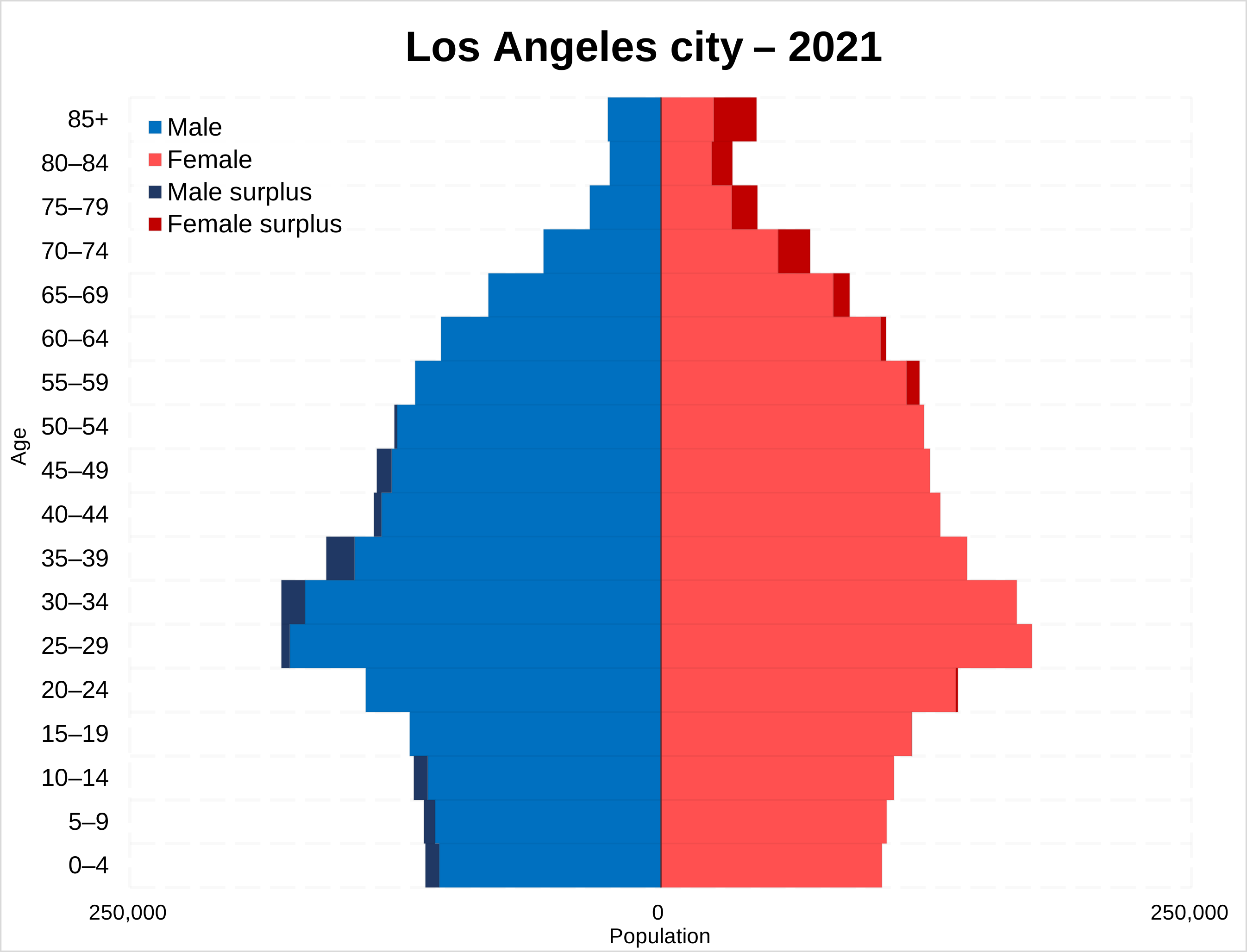
Understanding the sheer scale of Los Angeles’s population is crucial for any traveler, resident, or business looking to engage with this dynamic city. It dictates everything from the availability of hotel rooms and the bustling atmosphere of its renowned attractions to the incredible diversity of its culinary scene and the pulse of its public transportation. As of the most recent estimates, the City of Los Angeles boasts a population of approximately 3.8 million people. However, this figure only tells part of the story. The broader Los Angeles County is home to over 10 million residents, making it the most populous county in the United States. When considering the larger Los Angeles-Long Beach–Anaheim metropolitan area, the numbers swell to nearly 13 million, establishing it as the second-largest metropolitan area in the United States, only behind New York City. These colossal numbers paint a vivid picture of a city teeming with life, energy, and an unparalleled array of experiences for anyone venturing within its boundaries.
A Megacity’s Pulse: Understanding Los Angeles’s Demographics
The demographic landscape of Los Angeles is as vast and varied as its geography. It’s not just a collection of individuals but a tapestry woven from countless cultures, languages, and stories. This immense population is the driving force behind the city’s global influence and its enduring appeal as a prime destination for travel and exploration.
The Core Numbers: City vs. Metro Area
When discussing the population of Los Angeles, it’s essential to distinguish between the city proper and the greater metropolitan area, as these distinctions significantly impact how one perceives and experiences the region. The City of Los Angeles itself, spanning an impressive 469 square miles, is home to roughly 3.8 million people. This makes it the most populous city in California and the second most populous city in the United States. This core urban hub includes iconic neighborhoods such as Hollywood, Downtown Los Angeles, West Hollywood, and parts of the San Fernando Valley.
However, the true scale of Los Angeles’s population impact becomes apparent when considering Los Angeles County. This expansive administrative region encompasses not only the city of Los Angeles but also numerous other independent cities, unincorporated areas, and diverse communities. With a population exceeding 10 million residents, Los Angeles County is a gargantuan entity, larger than many U.S. states and even some countries. This broader context includes major cities like Long Beach, Pasadena, Santa Monica, and Beverly Hills, each contributing its unique flavor to the overall L.A. experience.
Further expanding this scope is the Los Angeles-Long Beach-Anaheim Metropolitan Statistical Area (MSA). This vast economic and cultural zone stretches across Los Angeles and Orange Counties, boasting a population of nearly 13 million. This larger metropolitan area includes popular destinations such as Anaheim, home to Disneyland Park, and the affluent coastal communities of Orange County. For travelers, understanding these different definitions is key. While many famous landmarks are within the city of Los Angeles, a significant portion of what makes the “L.A. experience” truly special lies within the broader county and metropolitan area. The sheer number of people living and working across this immense region generates an unparalleled demand for everything from housing and infrastructure to entertainment and tourism services. This constant influx and flow of people also mean that Los Angeles is a city in perpetual motion, continuously evolving and adapting to its growing population.

Diversity: The Fabric of Los Angeles Life
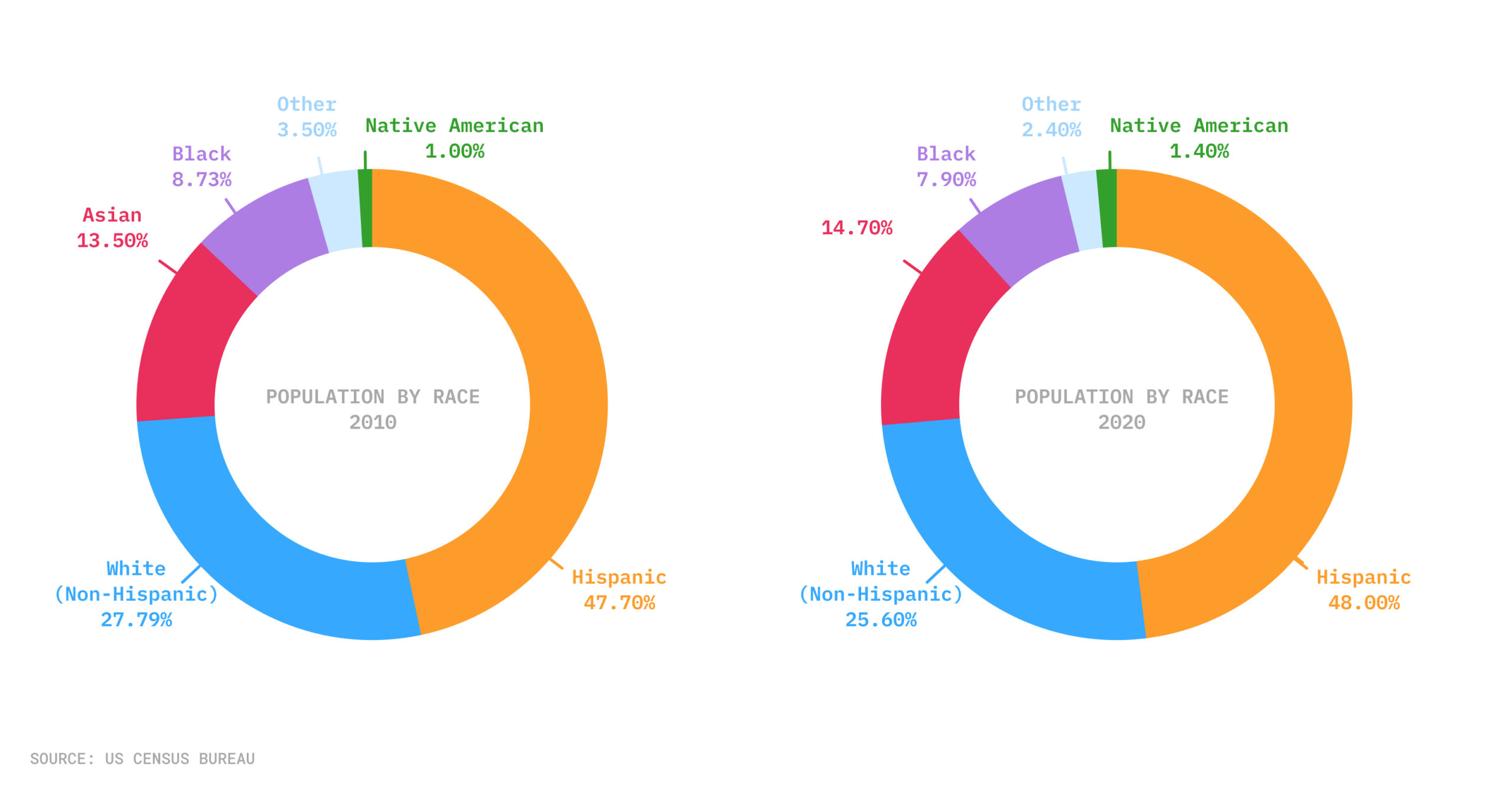
Perhaps one of the most compelling aspects stemming from Los Angeles’s massive population is its extraordinary diversity. It is a true melting pot, a global city where over 200 languages are spoken and cultures from every corner of the world converge. This rich tapestry of backgrounds is not merely a statistic; it is the living, breathing essence of the city, profoundly influencing its local culture, culinary scene, and daily life.
For visitors, this demographic diversity translates into an incredible array of authentic experiences. You can explore vibrant ethnic enclaves like Koreatown, with its bustling BBQ restaurants and K-Pop culture; historic Chinatown, offering traditional markets and dim sum; or Little Ethiopia, where you can savor flavorful injera and stews. Beyond specific neighborhoods, the multicultural influences infuse every facet of Los Angeles, from its art galleries and music venues to its festivals and fashion. This cultural mosaic offers tourists an opportunity to embark on a truly global journey without ever leaving the city limits. The vast population ensures a constant demand for diverse cultural expressions, leading to a flourishing scene of international restaurants, specialty shops, and community events that are a delight to discover. This rich blend not only makes Los Angeles a fascinating place to visit but also contributes to its reputation as a trendsetter and a hub of creativity, continually drawing new talent and ideas from around the globe.
Population Dynamics and the Los Angeles Travel Experience
The immense population of Los Angeles is a double-edged sword for the traveler. On one hand, it fuels the city’s dynamic energy, variety, and opportunities. On the other, it necessitates strategic planning to navigate the crowds and secure desired accommodations.
Navigating the Crowds: Attractions and Landmarks
With millions of residents and an even greater influx of tourists each year, popular Los Angeles attractions and landmarks can often be bustling. Iconic sites like the Hollywood Walk of Fame, the Griffith Observatory, and the lively Santa Monica Pier are magnets for visitors, and experiencing them often means sharing the space with many others. Major theme parks, such as Universal Studios Hollywood, also draw massive crowds, especially during peak seasons and holidays.
However, a large population also means sophisticated infrastructure and a wide range of services designed to accommodate these numbers. Savvy travelers can employ several strategies to enhance their experience:
- Off-Peak Visits: Schedule visits to popular sites during weekdays or early mornings to avoid weekend and midday rushes.
- Advance Booking: For attractions like Universal Studios Hollywood or timed-entry museums like The Getty Center, purchasing tickets online in advance is highly recommended to bypass long queues.
- Utilize Public Transport (Strategically): While Los Angeles is known for its car culture, its expanding Metro system can be an efficient way to reach certain areas, particularly Downtown Los Angeles or Hollywood, especially to avoid parking hassles.
- Explore Beyond the Obvious: With such a vast population, there are countless hidden gems beyond the most famous sites. Discover less-crowded but equally fascinating museums like the Petersen Automotive Museum or the Academy Museum of Motion Pictures, or enjoy a performance at the architecturally stunning Walt Disney Concert Hall. The sheer volume of people ensures that there’s always something new to discover, often away from the main tourist drag.
Accommodation Choices in a Populous City
The population density and constant flow of business and leisure travelers in Los Angeles guarantee an incredibly diverse and competitive accommodation market. From ultra-luxury resorts to budget-friendly hostels and extensive vacation rental options, the city caters to every preference and price point.
Hotels: Los Angeles boasts an impressive collection of hotels. In areas like Beverly Hills, you’ll find world-renowned luxury establishments such as the Beverly Wilshire, A Four Seasons Hotel, The Peninsula Beverly Hills, and the Waldorf Astoria Beverly Hills, offering opulent suites, impeccable service, and amenities that cater to the most discerning guests. Downtown Los Angeles and Hollywood feature a mix of high-rise hotels, boutique hotels, and business-focused accommodations. For those seeking beachfront relaxation, Santa Monica and Malibu offer stunning resorts and hotels with direct access to the Pacific Ocean.
Vacation Rentals and Apartments: The large residential population and the popularity of services like Airbnb mean that vacation rentals, from cozy apartments in urban neighborhoods to lavish villas in the Hollywood Hills, are abundant. These options often provide a more local and immersive experience, particularly beneficial for longer stays or family trips, allowing guests to cook their meals and live more like a local.
Booking and Comparison: Given the constant demand driven by both residents and visitors, early booking is often advisable, especially during peak travel seasons, major events, or holidays. Utilizing booking platforms and comparison websites is crucial to finding the best deals and reading up-to-date reviews. The sheer volume of options means that while prices can be high, there’s always potential to find accommodation that fits your budget if you plan ahead and compare diligently.
The Lifestyle of a Megacity: Living and Visiting Los Angeles
The vibrant pulse of Los Angeles’s enormous population shapes its lifestyle in profound ways, creating an urban environment that is both endlessly stimulating and surprisingly diverse in its offerings.
Culinary Scenes and Entertainment Hubs
The colossal and diverse population of Los Angeles is undeniably the engine behind its world-renowned culinary scene. The city is a gastronomic paradise, offering an unparalleled range of cuisines, from Michelin-starred fine dining to humble food trucks and everything in between. The demand from a population that appreciates authentic flavors has fostered thriving ethnic food scenes across the city. Beyond the aforementioned Koreatown and Chinatown, you can explore Olvera Street for Mexican cuisine, Little India in Artesia, or the diverse offerings at Grand Central Market in Downtown Los Angeles. Food is not just sustenance here; it’s a cultural experience, a reflection of the city’s global residents.
Similarly, the entertainment landscape of Los Angeles is a direct consequence of its status as a global hub and its massive population. It is, after all, the entertainment capital of the world. Beyond film and television, the city boasts a thriving music scene, with legendary venues and countless emerging artists. Live performances range from grand concerts at the Hollywood Bowl to intimate shows in West Hollywood clubs. Art galleries, theaters, and museums cater to every aesthetic, showcasing local talent and international masterpieces alike. For sports enthusiasts, Los Angeles is home to multiple professional teams across various leagues, with state-of-the-art arenas like Crypto.com Arena, Dodger Stadium, and SoFi Stadium regularly hosting major events. The city’s nightlife is equally diverse, offering everything from sophisticated rooftop bars with panoramic views to lively dance clubs and cozy speakeasies. This constant buzz of activity, fueled by the preferences and demands of millions, ensures there’s always something to do, see, or taste in Los Angeles, whether you’re seeking luxury travel or budget-friendly fun.
Beyond the Bustle: Green Spaces and Coastal Escapes
Despite its reputation as a densely populated urban jungle, Los Angeles remarkably offers numerous opportunities for residents and visitors to escape the bustle and connect with nature. The city’s vastness means that even with millions of people, there are significant green spaces and access to stunning natural landscapes.
Parks and Hiking Trails: Griffith Park, one of the largest urban parks in North America, provides a massive natural retreat right in the heart of the city. Here, you can hike miles of trails, enjoy panoramic views of the city and the Hollywood Sign from the Griffith Observatory, or simply relax amidst nature. Other popular spots like Runyon Canyon Park in the Hollywood Hills offer challenging hikes and celebrity sightings. These parks serve as vital lungs for the city, offering residents and tourists alike a chance to exercise, unwind, and enjoy outdoor activities, directly addressing the lifestyle needs of a large urban population.
Beaches and Coastal Recreation: The Pacific Ocean forms Los Angeles’s western boundary, providing miles of iconic coastline that are easily accessible to its millions of inhabitants. From the bohemian energy of Venice Beach with its boardwalk performers and street art to the pristine shores of Malibu and Santa Monica, there’s a beach for every mood. These coastal areas are not just tourist attractions; they are integral to the Los Angeles lifestyle, offering opportunities for surfing, swimming, sunbathing, cycling, and simply enjoying breathtaking sunsets. The availability of such diverse natural escapes within such a populous area is a testament to Los Angeles’s thoughtful urban planning and its residents’ appreciation for outdoor recreation. Whether you seek adventure or tranquility, the city’s natural amenities cater to a wide range of lifestyle choices, proving that even a megacity can offer a balanced way of life.
In conclusion, the population of Los Angeles—whether considered at the city, county, or metropolitan level—is a foundational element that shapes its character, challenges, and boundless opportunities. This massive and incredibly diverse populace is the very reason for its vibrant culture, its extensive range of travel experiences, its competitive accommodation market, its world-class culinary scene, and its dynamic entertainment landscape. For anyone planning a visit, understanding these demographic realities is key to unlocking the true potential of this sprawling, fascinating city. Los Angeles is not just a place where millions live; it’s a place where millions create, innovate, and thrive, making it an endlessly captivating destination for travelers worldwide.
LifeOutOfTheBox is a participant in the Amazon Services LLC Associates Program, an affiliate advertising program designed to provide a means for sites to earn advertising fees by advertising and linking to Amazon.com. Amazon, the Amazon logo, AmazonSupply, and the AmazonSupply logo are trademarks of Amazon.com, Inc. or its affiliates. As an Amazon Associate we earn affiliate commissions from qualifying purchases.