
The captivating state of Maine, affectionately known as the “Pine Tree State,” beckons travelers with its rugged coastline, charming seaside towns, and a rich tapestry of natural beauty and cultural heritage. While its picturesque landscapes and vibrant communities are well-documented, a fundamental aspect that often underpins our understanding of a destination is its population. Knowing the population of Maine offers insights into the scale of its cities, the density of its rural areas, and the overall human element that shapes its unique character. This exploration delves into the population of Maine, contextualizing it within its geography, demographics, and the lifestyle it offers to residents and visitors alike.
Understanding Maine’s Population Landscape
The population of Maine is a key metric for understanding the state’s development, infrastructure, and the character of its communities. As the northeasternmost state in the United States, Maine possesses a distinct identity shaped by its geography, history, and a population that largely resides along its coast. This section will explore the current population figures, how they’ve evolved, and what these numbers signify for the state.
Current Population Estimates
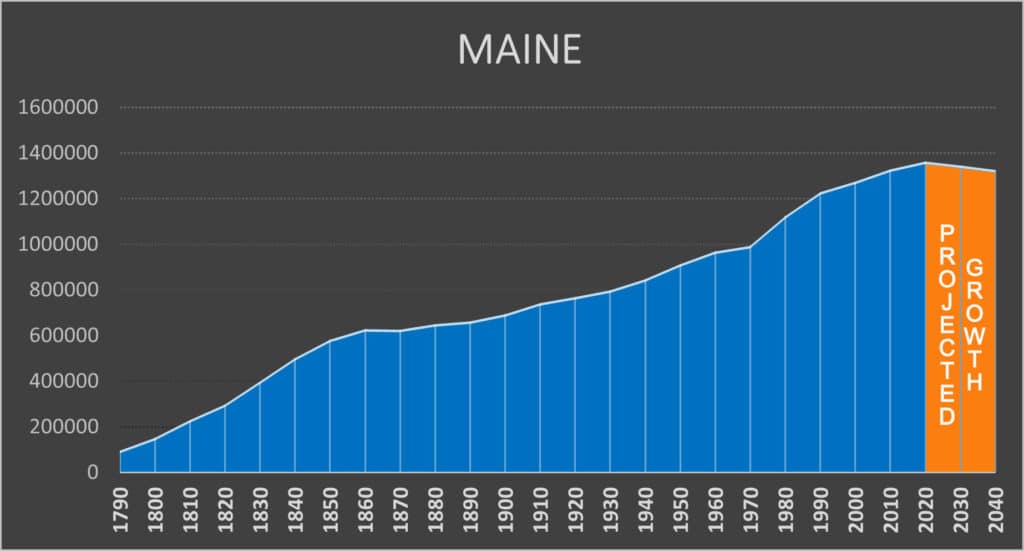
As of the latest available data, the population of Maine hovers around 1.36 million residents. This figure, while not as large as many other United States states, is significant for its geographic size and its unique demographic profile. Maine is the ninth least populous state in the United States, yet it ranks as the 12th largest by area, giving it a relatively low population density. This characteristic contributes to the prevalence of vast, undeveloped wilderness and a slower pace of life in many parts of the state.
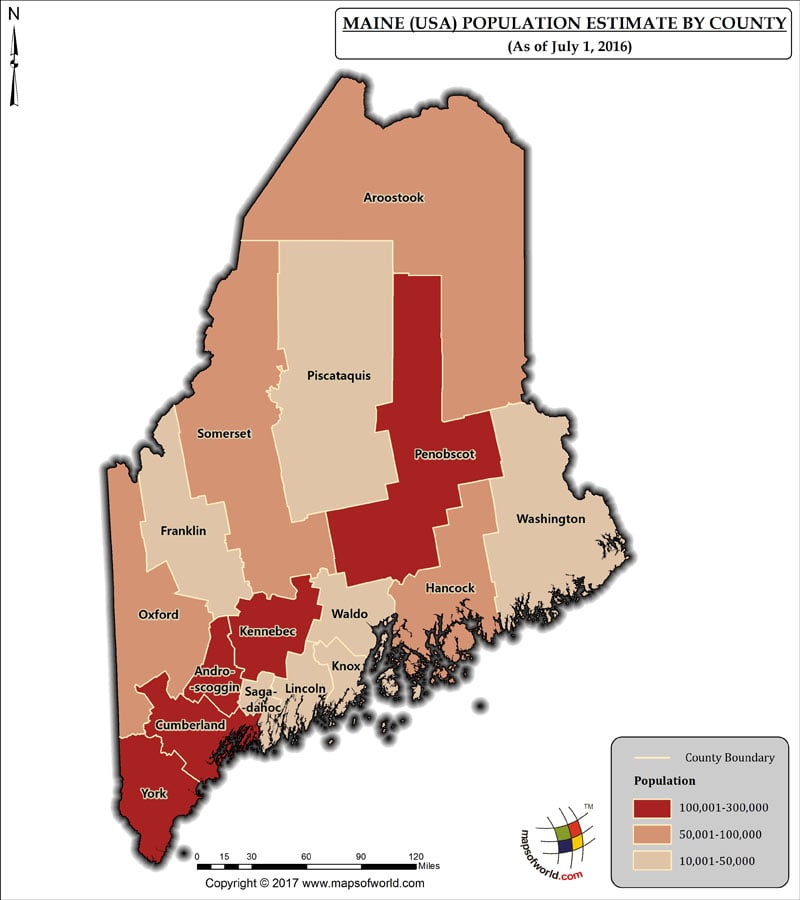
The state’s population is not evenly distributed. The majority of Maine’s residents are concentrated in the southern and coastal regions, particularly around the metropolitan areas of Portland, Lewiston, and Bangor. These areas serve as economic and cultural hubs, attracting both permanent residents and a significant influx of tourists during peak seasons. The inland and northern regions, while offering immense natural beauty and recreational opportunities, are sparsely populated, showcasing Maine’s commitment to preserving its wild spaces.
Historical Population Trends
The population of Maine has experienced a steady, albeit moderate, growth over the decades. Like many New England states, Maine saw its population grow significantly during the 19th century, fueled by industrialization and immigration. The 20th century brought a more gradual expansion, with periods of both growth and stagnation.
In recent years, Maine has seen a renewed interest from people seeking a more tranquil lifestyle, a connection with nature, and a refuge from more congested urban environments. This trend has led to modest population increases, particularly in desirable coastal towns and areas with access to outdoor amenities. However, Maine also faces demographic challenges, including an aging population and a slower birth rate compared to the national average, which are factors that influence long-term population projections. Understanding these historical trends provides a valuable context for the current population figures and the future trajectory of the Pine Tree State.
Maine’s Demographics and Distribution
The population of Maine is characterized by its unique demographic makeup and its distinctive geographical distribution. Understanding these facets provides a deeper appreciation for the state’s social fabric and the distinct experiences offered across its diverse regions. From the bustling urban centers to the serene, remote wilderness, the population’s presence shapes the character of Maine in profound ways.
Major Population Centers and Rural Areas
The distribution of Maine’s population is heavily influenced by its geography. The southern coast and the areas surrounding major cities like Portland, Lewiston, and Bangor are where the majority of the state’s residents live. Portland, as Maine’s largest city, is the primary economic and cultural engine, attracting a diverse population and serving as a gateway for many visitors. The Lewiston-Auburn area also represents a significant population cluster with its own industrial history and evolving urban landscape. Bangor, situated in the eastern part of the state, serves as a hub for its region, offering services and amenities to a broader geographical area.
Conversely, large swaths of inland and northern Maine are characterized by very low population densities. These areas are dominated by forests, mountains, and lakes, offering unparalleled opportunities for outdoor recreation. Towns in these regions are often small, and many are seasonal communities that see a significant influx of visitors during the summer and winter months. This contrast between densely populated coastal areas and sparsely populated inland regions is a defining characteristic of Maine, contributing to its dual identity as a place of vibrant communities and vast, untamed wilderness.
Age, Ethnicity, and Socioeconomic Factors
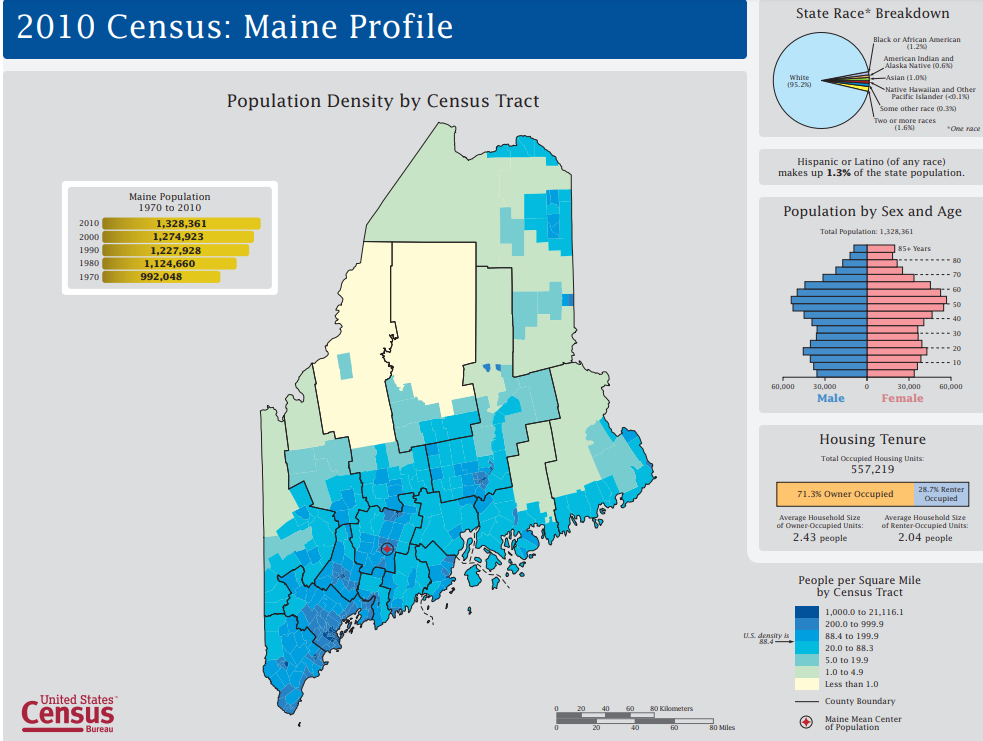
The demographics of Maine’s population reveal several key characteristics. Maine has one of the oldest median ages in the United States, a trend that is shared by many other New England states. This aging demographic has implications for the state’s workforce, healthcare needs, and social services. While the state has a predominantly white population, there has been a growing diversity in recent years, particularly in urban areas, with increasing numbers of residents from various ethnic backgrounds.
Socioeconomic factors also play a role in shaping Maine’s population dynamics. While Maine offers a high quality of life, particularly for those seeking an escape from urban pressures, it also faces economic challenges, including a relatively lower median income compared to some other states. However, the state’s robust tourism industry, its burgeoning craft food and beverage scene, and its growing tech sector are creating new economic opportunities. The lifestyle in Maine can range from the sophisticated urban living found in Portland to the rustic charm of a remote lakeside cabin, catering to a wide spectrum of preferences and lifestyles.
Experiencing Maine: Beyond the Population Count
While understanding the population of Maine provides a statistical overview, it is the lived experience and the diverse offerings of the state that truly capture its essence. From its world-class attractions to its unique culinary scene and diverse accommodation options, Maine offers an unforgettable journey for every traveler. The relatively low population density in many areas contributes to the sense of space and tranquility that many visitors seek.
Exploring Maine’s Iconic Attractions
Maine is renowned for its stunning natural beauty and its wealth of attractions that cater to a wide range of interests. The Acadia National Park, a crown jewel of the National Park Service, draws millions of visitors annually to its dramatic coastline, granite peaks, and scenic carriage roads. Within the park, Cadillac Mountain offers breathtaking panoramic views, especially at sunrise. The picturesque towns along the coast, such as Kennebunkport, with its charming boutiques and historic waterfront, and Bar Harbor, the gateway to Acadia, are popular destinations for their quintessential New England charm.
Beyond the coast, Maine’s inland offers a different kind of beauty. The vast forests and numerous lakes provide opportunities for hiking, fishing, boating, and wildlife viewing. The Allagash Wilderness Waterway is a prime example of Maine’s commitment to preserving its natural heritage, offering a remote and pristine canoeing experience. For those interested in history and architecture, exploring the lighthouses that dot the coastline, such as the iconic Pemaquid Point Light, provides a glimpse into Maine’s maritime past.
A Culinary Journey Through Maine
Maine’s reputation as a culinary destination has grown exponentially, driven by its abundant natural resources and a vibrant food scene. Unsurprisingly, fresh seafood, particularly lobster, is a staple and a must-try for any visitor. From casual lobster shacks serving up steamed lobsters and lobster rolls to upscale restaurants in Portland offering innovative seafood dishes, the opportunities to savor this delicacy are endless.
Beyond lobster, Maine is a haven for those who appreciate farm-to-table dining. The state’s fertile land yields an abundance of fresh produce, and its burgeoning craft beverage industry, featuring breweries, distilleries, and wineries, adds another layer to the gastronomic experience. Exploring farmers’ markets is a great way to sample local cheeses, baked goods, and seasonal produce. The food scene in cities like Portland is particularly dynamic, with a concentration of award-winning restaurants and a lively atmosphere that reflects the state’s growing sophistication.
Accommodation and Lifestyle Choices in Maine
When planning a visit to Maine, travelers are presented with a diverse array of accommodation options, catering to every budget and travel style. From luxurious resorts and boutique hotels to cozy inns and rustic cabins, the choices are as varied as the landscapes themselves. For those seeking a pampered experience, Maine offers several high-end resorts, particularly in coastal areas and around notable attractions.
For travelers who prefer the comforts of home or are looking for longer stays, vacation rentals, including apartments and villas, are readily available. These options often provide more space and privacy, making them ideal for families or groups. Many accommodations focus on providing amenities that enhance the Maine experience, such as fireplaces for cozy evenings, access to outdoor activities, or stunning ocean views.
The lifestyle in Maine can be broadly categorized, appealing to different traveler types. Luxury travel enthusiasts can indulge in fine dining, spa treatments, and exclusive experiences. Budget travelers can find numerous affordable options, from charming motels to campgrounds, allowing them to experience the natural beauty and local culture without breaking the bank. Family trips are well-catered to, with many attractions and activities designed for all ages, from beaches and amusement parks to nature centers and historical sites. Business travelers can also find suitable accommodations and amenities in Maine’s larger cities, often with easy access to business districts and conference facilities.
The population of Maine, though modest, shapes a state that is rich in experiences. Its sprawling natural beauty, coupled with its vibrant communities and diverse offerings, makes it a compelling destination for travelers seeking both adventure and relaxation. Whether you are drawn by the allure of its rugged coastline, the charm of its towns, or the promise of its natural wilderness, Maine offers a unique and memorable escape.
LifeOutOfTheBox is a participant in the Amazon Services LLC Associates Program, an affiliate advertising program designed to provide a means for sites to earn advertising fees by advertising and linking to Amazon.com. Amazon, the Amazon logo, AmazonSupply, and the AmazonSupply logo are trademarks of Amazon.com, Inc. or its affiliates. As an Amazon Associate we earn affiliate commissions from qualifying purchases.