
When planning a journey through the heart of the United States, understanding the demographic landscape of a state like Nebraska offers more than just cold statistics. It provides a lens through which to view the culture, the pace of life, and the vast, open horizons that define this Great Plains destination. Currently home to approximately 1.98 million residents, Nebraska is a state defined by its sprawling landscapes and a unique concentration of community hubs.
The Demographic Distribution of the Cornhusker State
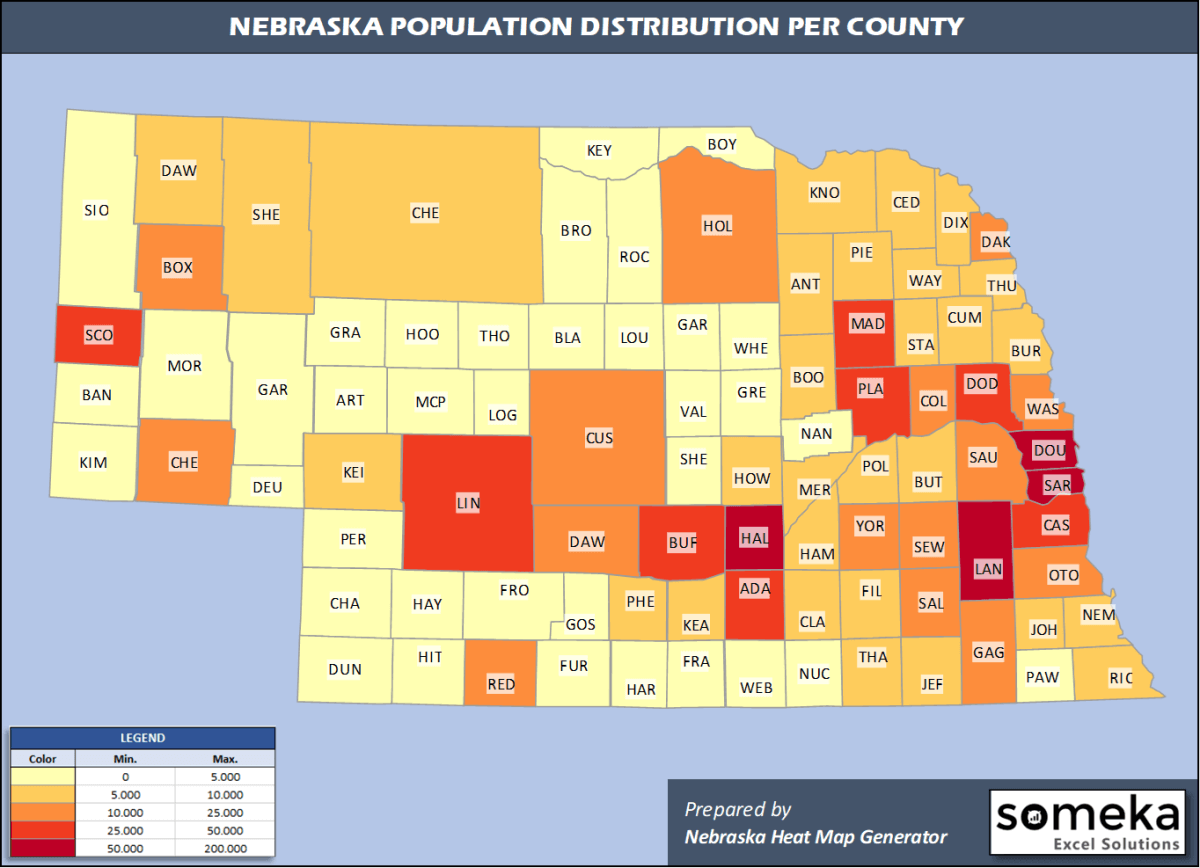
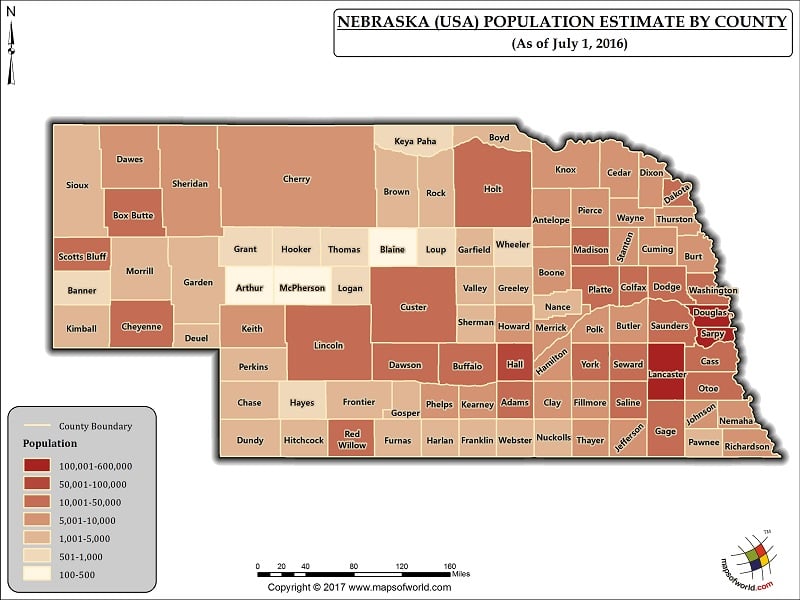
To understand Nebraska’s population, one must look at the geographic concentration of its people. Despite its total land area being substantial, a significant portion of the populace resides in a few key urban centers. This creates a fascinating dynamic for travelers: you can find bustling, modern city life within an hour’s drive of vast, tranquil prairies that have remained largely unchanged for generations.
Urban Density vs. Rural Solitude
The majority of Nebraskans live in the eastern third of the state. The Omaha metropolitan area serves as the primary engine for the state’s population growth. As the largest city in Nebraska, it accounts for a large slice of the demographic pie. Following closely is Lincoln, the state capital. These cities offer a high density of services, cultural institutions, and entertainment, making them the primary entry points for most tourists.
Conversely, as you travel westward toward the Panhandle, the population density drops significantly. This creates a “frontier” experience for visitors. In counties further west, it is common to find vast stretches of land where the population per square mile is among the lowest in the nation. For those seeking a road trip defined by solitude, reflection, and natural beauty, this demographic reality is exactly what makes Nebraska such a compelling travel destination.
Growth Trends and Future Projections
Nebraska has seen a steady, moderate growth rate over the last decade. This growth is largely driven by a combination of young professionals moving into the tech and agricultural sectors in Omaha and Lincoln, as well as international migration. For the traveler, this means that the state is constantly evolving. New restaurants, boutique hotels, and modernized cultural attractions are appearing with frequency, balancing the state’s deep-rooted historical pride with a progressive, forward-looking attitude.
Cultural Impacts of Population Patterns
The population density of a region directly dictates the flavor of its local culture, and Nebraska is no exception. The way people congregate in these plains influences everything from the culinary scene to the way festivals are organized.
The Community-Centric Lifestyle
Because the population is relatively spread out, the concept of “community” in Nebraska is magnified. Whether you are in a neighborhood in Benson or visiting a small town near the Platte River, there is a palpable sense of hospitality. Smaller populations often correlate with higher levels of local engagement. Visitors will notice that in places like Kearney or Grand Island, community events, local farmers’ markets, and high school sports are not just hobbies—they are central pillars of daily existence.
This environment allows travelers to feel like more than just tourists. It is easy to strike up a conversation in a local diner or coffee shop, as the lower population density fosters a culture of openness and curiosity that is sometimes lost in more crowded coastal regions.
Influence on Regional Tourism
The population size has also preserved the state’s natural wonders. Because there has not been runaway over-development, natural landmarks like Scotts Bluff National Monument and Chimney Rock remain majestic and accessible. You can visit these sites without fighting the massive crowds that plague more densely populated tourist destinations. This accessibility makes Nebraska an ideal spot for family road trips where the emphasis is on genuine connection with the land and history.
Strategic Travel Through the Great Plains
When you are mapping out your itinerary, knowing how the population is distributed helps in selecting the right home base. Whether you prefer the energy of the city or the quiet of the country, your population-aware travel plan will improve your experience.
Hub-and-Spoke Exploration
For most travelers, the best approach is to use Omaha or Lincoln as your primary anchor. These cities offer the best infrastructure: international airports, top-tier hotel accommodations, and a wide variety of dining options. From these hubs, you can take day trips into the surrounding counties to witness the dramatic change in scenery.
For instance, driving from the urban sprawl of Omaha to the rolling hills of the Loess Hills takes you through diverse landscapes in a relatively short amount of time. You get to witness the transition from high-density urban living to the sparse, agricultural heartland where, at times, you might find yourself alone on the road—a rare and peaceful luxury in the modern age.
Timing Your Visit
Because the population is not overly dense, infrastructure can occasionally feel quieter during the off-season. However, if you visit during peak times, such as the College World Series in Omaha or the Nebraska State Fair in Grand Island, you will see the state’s population swell with visitors from across the country. These events are the best times to see the true spirit of the Cornhusker State. The population may be humble in number, but their ability to gather and celebrate is vast.

Why Demographic Data Matters for Your Itinerary
While 1.98 million might seem like a small number compared to coastal metropolises, it is the perfect amount of people to support a thriving, authentic culture without the chaos of overcrowding. The demographic composition of Nebraska suggests a state that is comfortable in its own skin. It is not trying to be a sprawling megalopolis, and it is not a ghost town; it is a balanced ecosystem of vibrant urban centers and quiet, resilient rural landscapes.
When you pack your bags for the Great Plains, remember that you are heading into a destination where your presence is noticed, your interactions are meaningful, and the land remains the primary draw. The population numbers represent the people who act as stewards of these vast landscapes—people who are welcoming, industrious, and deeply proud of the unique space they occupy between the Missouri River and the Rocky Mountains. By understanding the rhythm of the people who call Nebraska home, you align yourself with the slow, steady heartbeat of the American Midwest.
LifeOutOfTheBox is a participant in the Amazon Services LLC Associates Program, an affiliate advertising program designed to provide a means for sites to earn advertising fees by advertising and linking to Amazon.com. Amazon, the Amazon logo, AmazonSupply, and the AmazonSupply logo are trademarks of Amazon.com, Inc. or its affiliates. As an Amazon Associate we earn affiliate commissions from qualifying purchases.