
New Mexico, a state rich in history, culture, and breathtaking landscapes, offers a unique tapestry of experiences for any traveler. From the ancient Pueblo villages to the modern art scene of Santa Fe, the Land of Enchantment beckons with its diverse attractions. Understanding the demographics, particularly the population of New Mexico, provides a foundational insight into the state’s character and the opportunities it presents for exploration and engagement. While specific population figures fluctuate, the general trend offers a glimpse into the communities that shape this captivating region.
Understanding New Mexico’s Population Dynamics
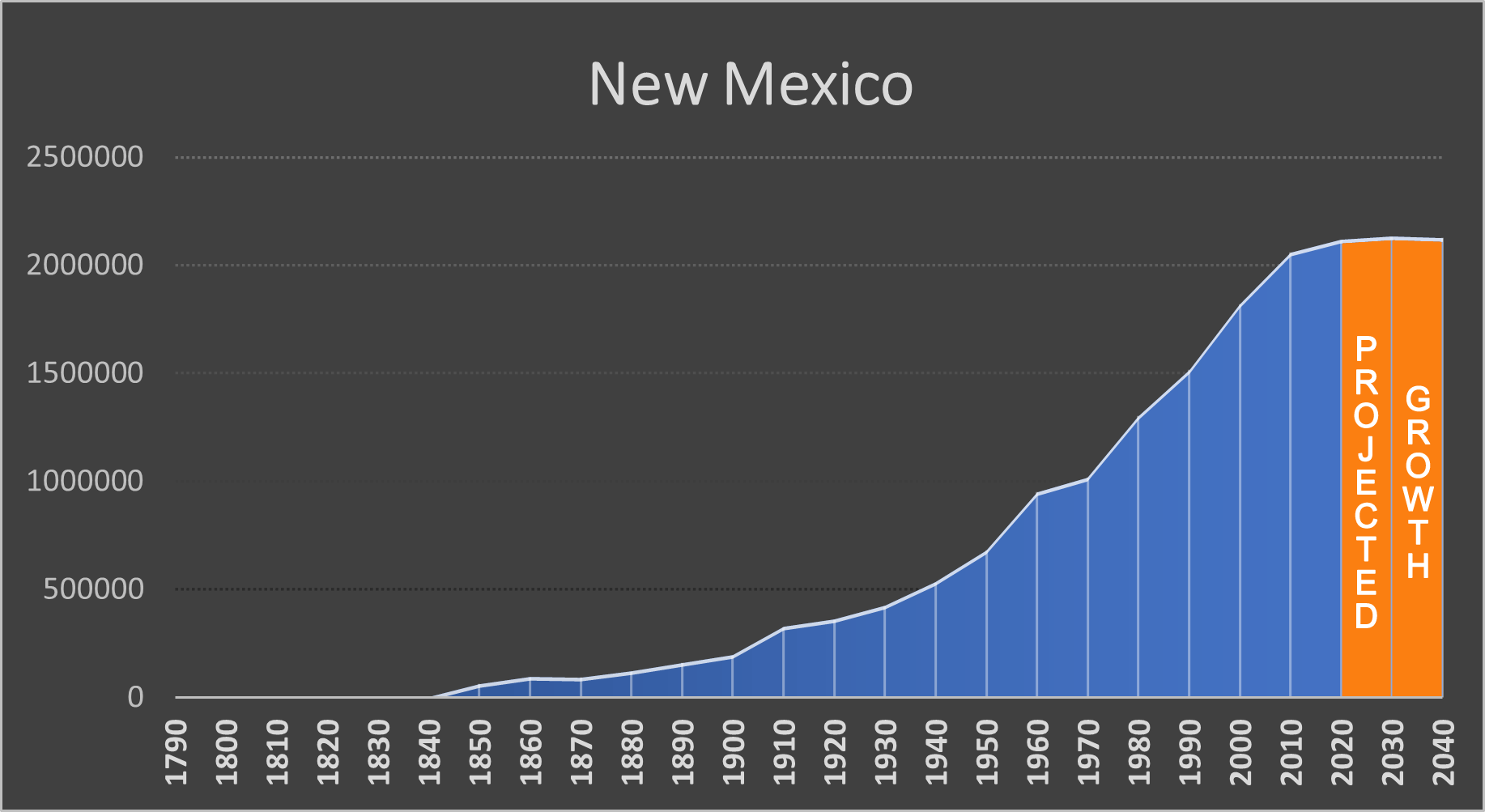
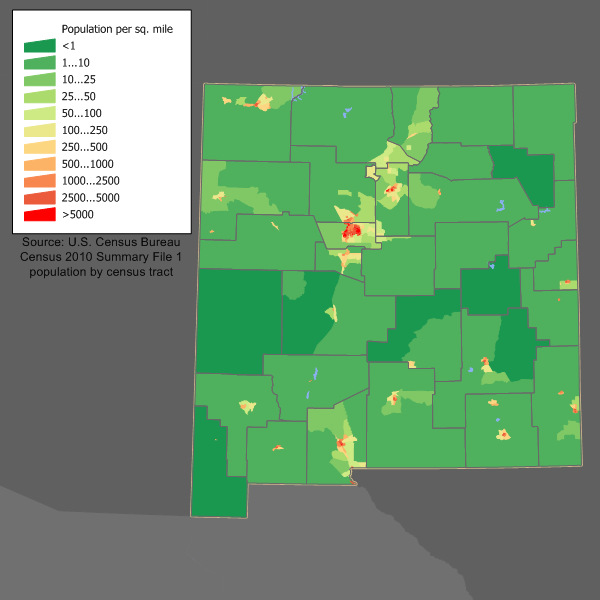
The population of New Mexico is a key factor in understanding its cultural mosaic and the development of its tourism infrastructure. As of recent estimates, the state’s population hovers around the two million mark. This number, while modest compared to some of its neighboring states, represents a vibrant and diverse community with deep historical roots. The distribution of this population is also significant, with major urban centers like Albuquerque and Santa Fe serving as hubs for culture, commerce, and tourism, while vast expanses of rural beauty remain sparsely populated, offering a sense of solitude and untamed nature.
Key Population Centers and Their Significance for Tourists
The two primary population centers, Albuquerque and Santa Fe, are indispensable for any visitor to New Mexico. Albuquerque, the state’s largest city, is a gateway to numerous attractions, including the iconic Petroglyph National Monument, the Indian Pueblo Cultural Center, and the annual International Balloon Fiesta. Its more extensive population base translates into a wider range of accommodations, dining options, and entertainment venues, catering to diverse travel styles.
Santa Fe, on the other hand, is renowned for its unique adobe architecture, thriving art scene, and rich historical heritage. As the nation’s oldest capital city, Santa Fe boasts a more intimate and artistic ambiance. Visitors can explore the Plaza, visit world-class galleries along Canyon Road, and immerse themselves in the history of the Palace of the Governors. The population here, though smaller than Albuquerque’s, is deeply connected to the state’s cultural identity, making it a compelling destination for those seeking an authentic New Mexican experience.
Beyond these major hubs, other significant population centers contribute to the state’s appeal. Cities like Las Cruces in southern New Mexico, with its proximity to White Sands National Park, and the college town of Las Cruces, offer distinct regional flavors and attractions. Even smaller towns and villages are often gateways to unique historical sites, natural wonders, and opportunities to connect with local traditions.
Impact of Population on Tourism Infrastructure and Accessibility
The population size and distribution in New Mexico directly influence the development and accessibility of its tourism infrastructure. States with larger populations typically support more extensive transportation networks, a greater variety of accommodations, and a broader range of guided tours and activities.
Transportation Networks and Connectivity
While New Mexico may not have the dense network of highways found in more populous states, its major cities are well-connected by interstate highways, such as I-40 and I-25. Albuquerque International Sunport serves as the primary air travel hub, offering direct flights to major U.S. cities. For travelers venturing into more remote areas, particularly those focused on national parks and scenic byways, renting a car is often essential. The lower population density in many areas contributes to a more relaxed pace of travel, but it also means that some destinations may require longer drives between points of interest. This can be an advantage for those seeking an escape from urban hustle, allowing for a deeper immersion in the state’s natural beauty.
Accommodation Options Reflecting Population Density
The variety of accommodation options available in New Mexico generally correlates with its population centers. Major cities like Albuquerque and Santa Fe offer a comprehensive range, from luxury resorts and boutique hotels to budget-friendly motels and vacation rentals. Santa Fe, with its significant tourism industry, is particularly noted for its charming inns and historic hotels that reflect the city’s unique architectural style.
As one travels further from these urban centers, accommodation options tend to become more limited, often consisting of smaller, independently owned lodges, bed and breakfasts, or cabins. This can be a delightful aspect for travelers seeking an authentic, off-the-beaten-path experience, providing opportunities to connect with local hosts and gain insider knowledge of the region. However, for those planning to visit more remote attractions, it is crucial to book accommodations well in advance, as availability can be scarce. The sparse population in many of New Mexico’s vast natural areas means that lodging is often situated strategically to serve visitors to specific landmarks, such as near Carlsbad Caverns National Park or in the Gila National Forest.
Cultural Diversity and Community Life in New Mexico
The population of New Mexico is a rich blend of Native American, Hispanic, and Anglo cultures, each contributing significantly to the state’s unique identity and offering a wealth of cultural experiences for visitors. This diversity is not just historical; it is a living, breathing aspect of the communities that make up the state.
Indigenous Heritage and Living Traditions
New Mexico is home to 23 federally recognized Native American Pueblos, including the ancient Acoma Pueblo, also known as the Sky City, and the influential Pueblo of Isleta. The descendants of these indigenous peoples continue to inhabit their ancestral lands, maintaining vibrant traditions, languages, and spiritual practices. For tourists, this presents an unparalleled opportunity to learn about Native American history and culture through respectful visits to the Pueblos. Many Pueblos offer guided tours, cultural demonstrations, art markets, and festivals that provide deep insights into their enduring heritage. Understanding the population of these indigenous communities is key to appreciating the foundational cultural layers of New Mexico.
Hispanic Roots and Spanish Influence
The Spanish colonial legacy is deeply embedded in New Mexico, evident in its architecture, language, cuisine, and religious traditions. Generations of Hispanic families have shaped the cultural landscape, contributing to the state’s vibrant traditions. Visitors can experience this influence in the historic missions found throughout the state, such as the San Miguel Mission in Santa Fe, which is considered the oldest church in the continental United States. The influence of Hispanic culture is also palpable in the lively fiestas, traditional music, and the world-renowned New Mexican cuisine, characterized by its use of red and green chile.
The Modern Melting Pot
While Native American and Hispanic cultures form the historical bedrock, New Mexico has also attracted a diverse population of Anglo settlers and immigrants from around the world. This has resulted in a dynamic and evolving cultural scene, particularly in cities like Santa Fe and Taos, which have become meccas for artists and creatives. This modern influx has enriched the state with a variety of perspectives, further contributing to its unique cosmopolitan yet grounded atmosphere. The interactions between these diverse population groups create a continuous cultural dialogue, offering visitors a complex and layered experience of New Mexico.
Exploring New Mexico’s Natural Wonders: A Population Perspective
The vast geographical diversity of New Mexico is intimately linked to its population distribution. The state boasts a remarkable array of natural landscapes, from the arid beauty of the Chihuahuan Desert to the majestic peaks of the Rocky Mountains. The relatively low overall population density means that many of these natural wonders remain pristine and accessible for exploration, offering solitude and a profound connection with nature.
The Magic of National Parks and Monuments
New Mexico is home to numerous national parks and monuments, each offering a unique glimpse into the state’s natural and historical significance. Carlsbad Caverns National Park, with its spectacular underground formations, draws visitors from across the globe. White Sands National Park, a breathtaking expanse of gypsum dunes, provides an otherworldly landscape for hiking and photography. The Gila National Forest, a vast wilderness area, offers opportunities for backpacking, camping, and wildlife viewing, appealing to those seeking a truly remote outdoor adventure. The accessibility of these sites, despite their often remote locations, is a testament to the state’s commitment to preserving its natural heritage for all to enjoy, even with a relatively smaller population base to manage.
Scenic Byways and Untamed Landscapes
Beyond the designated national parks, New Mexico is crisscrossed by scenic byways that wind through dramatic canyons, high desert plateaus, and pine-forested mountains. Driving the High Road to Taos is a journey through charming villages and stunning vistas, showcasing the rural heart of the state. The River of Dreams Scenic Byway offers a different perspective, highlighting the agricultural landscapes along the Rio Grande. The low population density in these rural areas means that travelers can often find themselves with vast landscapes all to themselves, experiencing a sense of freedom and wonder that is increasingly rare in more populated regions. This allows for a more intimate and personal encounter with the raw beauty of New Mexico.
Considering Population for Planning Your Visit
When planning a trip to New Mexico, understanding the population dynamics can enhance your experience. Visiting popular attractions during peak seasons might require advance booking for accommodations and tours, especially in Santa Fe and Albuquerque. However, the state’s overall lower population density compared to many other tourist destinations means that even during busy times, it’s often possible to find moments of solitude and tranquility, particularly if you venture off the main tourist trails. Embrace the opportunity to explore the less populated corners of the state and discover the quiet magic that makes New Mexico such an extraordinary place to visit.
LifeOutOfTheBox is a participant in the Amazon Services LLC Associates Program, an affiliate advertising program designed to provide a means for sites to earn advertising fees by advertising and linking to Amazon.com. Amazon, the Amazon logo, AmazonSupply, and the AmazonSupply logo are trademarks of Amazon.com, Inc. or its affiliates. As an Amazon Associate we earn affiliate commissions from qualifying purchases.