
Understanding the demographic landscape of New Orleans is essential for anyone planning to immerse themselves in the rich tapestry of this unique American city. Whether you are a curious traveler, a history enthusiast, or a prospective resident, knowing the numbers behind the “Big Easy” provides a deeper context for the vibrant culture, the scale of its tourism industry, and the resilience of its neighborhoods.
Current Population Trends and Demographics
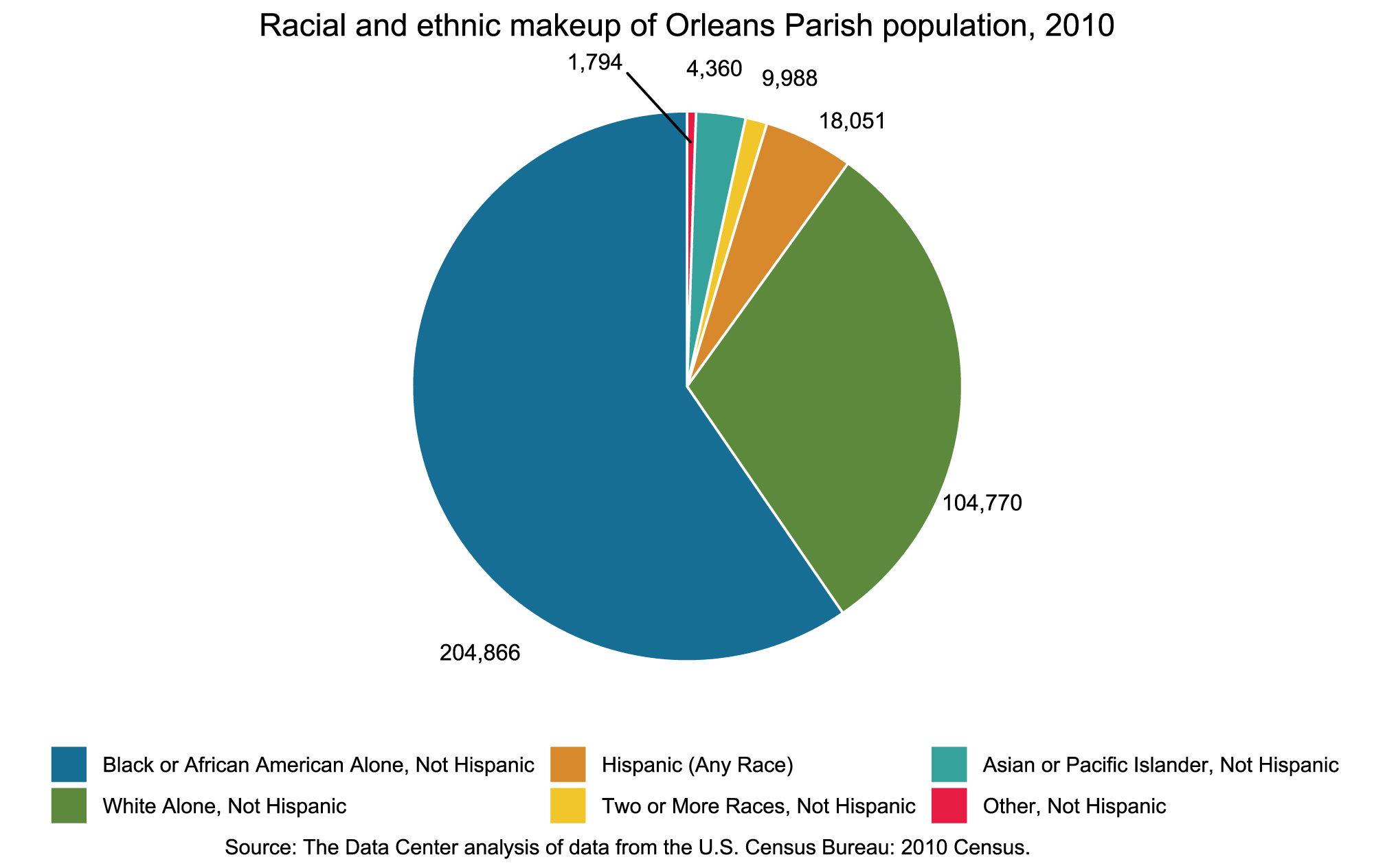
As of recent census data and subsequent estimates, the population of the city of New Orleans sits at approximately 370,000 to 380,000 residents. This figure represents the city proper, located within Orleans Parish. However, looking at the city in isolation misses a significant portion of its daily rhythm. The greater New Orleans metropolitan area, which encompasses surrounding regions like Jefferson Parish, St. Tammany Parish, and St. Bernard Parish, boasts a total population exceeding 1.2 million people.
Shifts Following Historical Milestones
The population of New Orleans has historically been dynamic. It famously saw a dramatic decline following Hurricane Katrina in 2005, which displaced a significant portion of the city’s inhabitants. In the two decades since, the city has undergone a steady, transformative recovery. This period has not only been defined by numerical growth but by a shift in demographics, attracting a new wave of entrepreneurs, artists, and young professionals who have revitalized neighborhoods such as the Bywater and the Marigny.
Ethnic and Cultural Diversity
The cultural identity of New Orleans is intrinsically tied to its diverse population. Historically a melting pot of African, French, Spanish, Caribbean, and Indigenous cultures, the city maintains a unique demographic profile compared to the rest of Louisiana. This diversity is the engine behind the city’s world-renowned culinary scene, its distinctive architectural vernacular, and the polyrhythmic sounds of Jazz that permeate the air from Frenchmen Street to Jackson Square.
The Transient Population: Tourism and Its Impact
When asking about the population of New Orleans, one must account for the massive influx of temporary visitors. With millions of tourists descending upon the city annually, the “effective” population on any given weekend can feel significantly higher than the census data suggests.
The Seasonal Nature of the City
The density of people in New Orleans fluctuates wildly with the seasons. During major events like Mardi Gras or the New Orleans Jazz and Heritage Festival, the population of the French Quarter and the Central Business District swells. This creates an environment where the city’s infrastructure is tested by a temporary population that often rivals the number of permanent residents living in the inner wards.

Balancing Tourism and Local Living
This high ratio of visitors to residents influences how New Orleans operates. The economy is heavily weighted toward tourism, hospitality, and conventions. This reliance shapes the labor market, with a significant percentage of the local workforce employed in sectors serving travelers. Understanding this helps explain why New Orleans feels like a much larger, more bustling city than its resident population figures would imply. The symbiotic relationship between the local population and the transient visitor base is what keeps the culture of the Crescent City alive and profitable.
Neighborhood Distribution and Growth
The population density of New Orleans is not spread evenly. Certain areas are densely packed with history and residents, while others are more suburban or industrial in nature.
The Historic Core
The French Quarter and the Garden District represent the architectural soul of the city. While the French Quarter is largely commercial and tourism-driven today, the Garden District remains a highly sought-after residential area. These neighborhoods reflect the historical shifts in population, from the elite plantation owners of the 19th century to the preservation-minded residents of today who maintain the city’s aesthetic charm.
Expansion into the Uptown and Mid-City
The population has seen organic movement toward areas like Uptown, where the presence of Tulane University and Loyola University keeps the demographic profile youthful and academically focused. Similarly, Mid-City has become a popular hub for residents who want to be close to the City Park and the streetcar lines. These areas show a resilient population that values community, green space, and access to local transit.
Future Outlook for the Crescent City
Looking ahead, the population of New Orleans is expected to experience steady, sustainable growth. As a city that sits below sea level, urban planning and climate resilience are at the forefront of the civic conversation. Efforts to improve water management, public education, and affordable housing are designed to ensure that the city remains attractive to both long-term families and newcomers.
Attracting New Residents
New Orleans continues to market itself as a viable alternative to the high cost of living found in major coastal hubs like New York City or San Francisco. Its unique ability to provide a high quality of life—marked by world-class food, low-stress living, and a deep-seated culture—is attracting a new demographic of remote workers and creative professionals.

The Resilience Factor
At the heart of the New Orleans population is a defining trait: resilience. Whether facing economic shifts, natural disasters, or the global challenges of the last few years, the people of this city remain deeply committed to their home. This collective tenacity ensures that, regardless of the official census tally, the “heartbeat” of the city remains as strong as ever. Visitors who walk the streets of Tremé or hear the brass bands in the Lower Garden District are witnessing a population that celebrates life with a vigor rarely found elsewhere in the United States.
By understanding the population numbers and the factors that drive them, you gain a better appreciation for why New Orleans remains one of the most culturally significant and frequently visited destinations on the planet. It is not just about the numbers; it is about the stories, the heritage, and the future of the people who call the Mississippi River delta home.
LifeOutOfTheBox is a participant in the Amazon Services LLC Associates Program, an affiliate advertising program designed to provide a means for sites to earn advertising fees by advertising and linking to Amazon.com. Amazon, the Amazon logo, AmazonSupply, and the AmazonSupply logo are trademarks of Amazon.com, Inc. or its affiliates. As an Amazon Associate we earn affiliate commissions from qualifying purchases.