
New York City, often heralded as the “Capital of the World” and a beacon of global culture and commerce, is a city defined as much by its monumental skyline as it is by the sheer number and incredible diversity of its inhabitants. More than just a collection of iconic landmarks and bustling streets, New York City is a vibrant, living organism fueled by the constant ebb and flow of its massive population. For anyone planning to visit, considering a move, or simply curious about this unparalleled metropolis, understanding its demographic landscape is crucial. It’s the engine that drives its unique local culture, shapes its [tourism](https://lifeoutofthebox.com/tourism industry, and influences every aspect of lifestyle within its sprawling confines.
The question “What’s the population of New York City?” delves deeper than a simple number; it’s an inquiry into the very soul of a city that constantly reinvents itself. This dynamic urban center is a magnet for dreamers, innovators, and adventurers from every corner of the globe, each contributing to its rich tapestry. This article will explore the current demographic figures, delve into how this enormous populace crafts the city’s identity, impacts travel and accommodation experiences, and ultimately, defines what it means to be a part of the Big Apple.

The Ever-Evolving Count: Understanding New York City’s Demographics
At its heart, New York City is a city of people, and their number is a testament to its enduring allure. This population isn’t static; it’s a constantly shifting entity, influenced by birth rates, migration patterns, and economic shifts, all of which contribute to its dynamic character.
A Snapshot of Current Figures
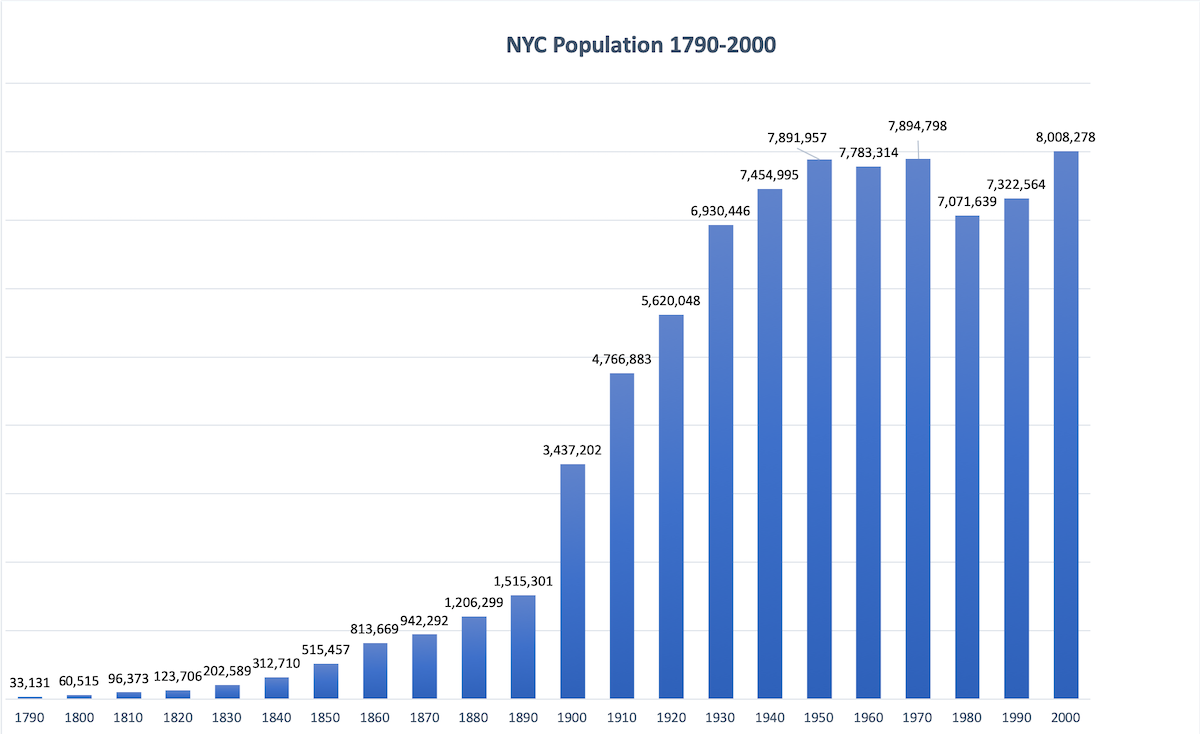
According to the latest estimates from the U.S. Census Bureau, the population of New York City hovers around 8.4 to 8.8 million people. This figure specifically refers to the five boroughs: Manhattan, Brooklyn, Queens, The Bronx, and Staten Island. To put this into perspective, New York City is the most populous city in the United States and one of the most densely populated major cities in North America. Its population density is truly staggering, with tens of thousands of people per square mile, particularly in areas like Manhattan. This density is not merely a statistic; it’s a palpable force that shapes daily life, influencing everything from the sheer volume of pedestrians on Fifth Avenue to the packed cars on the subway.
The demographic breakdown reveals an incredibly diverse populace. No single ethnic group constitutes a majority, making New York City a true melting pot where over 800 languages are reportedly spoken. This multicultural fabric is a source of immense cultural wealth, contributing to the city’s unique identity as a global hub. Understanding this density and diversity is key to appreciating the city’s vibrant energy and its often-intense pace. It also explains why, despite its size, New York City feels like a collection of distinct neighborhoods, each with its own character and community.
The Five Boroughs: A Mosaic of Communities
The city’s formidable population is distributed across its five distinct boroughs, each contributing its unique flavor and history to the metropolis.
- Manhattan: The iconic island borough, home to financial powerhouses like Wall Street, world-renowned cultural institutions such as the Metropolitan Museum of Art and Museum of Modern Art, and dazzling Broadway shows. Despite being the smallest in area, it is the most densely populated, housing around 1.6 million residents. Its towering skyscrapers, including the Empire State Building and One World Trade Center, symbolize urban ambition. Neighborhoods like Greenwich Village, SoHo, and the Financial District each offer distinct vibes and attract different segments of the population.
- Brooklyn: With over 2.6 million residents, Brooklyn is the most populous borough and a cultural powerhouse in its own right. Known for its brownstones, burgeoning arts scene, and diverse neighborhoods ranging from the trendy Williamsburg to the family-friendly Park Slope, Brooklyn offers a vibrant blend of historical charm and modern innovation. It’s a prime destination for local culture, food, and activities.
- Queens: The largest borough by area and the second most populous, Queens boasts an astonishing level of ethnic diversity. It’s often cited as the most ethnically diverse urban area in the world, home to large immigrant communities from Latin America, Asia, and Europe. With around 2.4 million residents, Queens offers a culinary journey around the globe and a rich tapestry of cultural experiences, from Flushing’s Chinatown to the Greek enclaves of Astoria.
- The Bronx: With over 1.4 million people, The Bronx is the birthplace of hip-hop and home to iconic attractions like Yankee Stadium and the expansive Bronx Zoo. It’s characterized by its vibrant Caribbean and Latin American influences, historic neighborhoods like Riverdale, and abundant green spaces, including Pelham Bay Park.
- Staten Island: The least populated of the boroughs, with approximately 480,000 residents, Staten Island offers a more suburban feel while still being part of the urban fabric. Accessible via the iconic Staten Island Ferry, it provides stunning views of the Manhattan skyline and the Statue of Liberty. Its North Shore is experiencing significant revitalization, drawing new residents and visitors alike.
This mosaic of communities demonstrates that New York City’s population is not a monolith but a complex, interconnected network of distinct worlds, each contributing to the city’s unparalleled vibrancy.
The Human Tapestry: How Population Shapes New York City’s Appeal
The sheer number of people in New York City is not just a demographic fact; it’s a foundational element that defines the city’s character, its global appeal, and the myriad experiences it offers. This massive human tapestry weaves together countless stories, cultures, and aspirations, creating an energy found nowhere else on earth.
Culture, Cuisine, and Community: A Melting Pot Experience
The astonishing diversity of New York City’s population translates directly into its rich and varied local culture. Each community brings its traditions, languages, and culinary heritage, resulting in an endless array of food options that can take you on a journey around the world without ever leaving the five boroughs. From the authentic dim sum in Chinatown to the aromatic curries of Jackson Heights, the savory slices of pizza in Little Italy, or the high-end gastronomic experiences in Michelin-starred restaurants in Manhattan, the city is a paradise for foodies.
Beyond dining, this demographic richness fuels a vibrant calendar of festivals, parades, and cultural events. The Puerto Rican Day Parade, the Chinese New Year Parade, and the West Indian Day Parade are just a few examples of how communities celebrate their heritage on a grand scale, inviting everyone to participate. This continuous celebration of global cultures makes New York City an incredibly enriching destination for travelers seeking authentic experiences. Whether you’re interested in luxury travel exploring exclusive art galleries or budget travel discovering hidden gems in diverse neighborhoods, the city’s population ensures an unparalleled cultural immersion.

Landmarks and Attractions: Built by and for Millions
The sheer volume of people who have called and continue to call New York City home has directly led to the creation and maintenance of its world-famous landmarks and attractions. These sites are not merely tourist destinations; they are integral parts of the city’s identity, built to serve and inspire its millions of residents and visitors.
Think of Times Square, with its dazzling billboards and constant throng of humanity, a testament to the city’s relentless energy. Central Park, an urban oasis designed in the mid-19th century, provides essential green space for millions to relax, play, and connect with nature amidst the concrete jungle. The Statue of Liberty, an enduring symbol of freedom and democracy, greeted countless immigrants arriving in America through Ellis Island, reflecting the city’s history as a gateway for global populations.
Other architectural marvels like the Empire State Building, the Chrysler Building, the Flatiron Building, Rockefeller Center, and Grand Central Terminal stand as monuments to human ingenuity and the collective effort of a vast population. These structures serve functional purposes but also embody the city’s ambition and its ability to continually reinvent itself. Modern additions like The High Line demonstrate how urban spaces can be reimagined for the enjoyment of its dense population, creating innovative parks and public areas. For those looking for famous places and groundbreaking architecture, New York City’s built environment is an endless source of fascination, directly shaped by its people.
Navigating the Metropolis: Living and Visiting in a Densely Populated Hub
Living in or visiting New York City means embracing the unique challenges and exhilarating opportunities presented by its colossal population. From finding the perfect place to stay to simply getting around, understanding the urban dynamics is key to a rewarding New York City experience.
Accommodation Challenges and Opportunities
The immense population directly impacts the accommodation landscape of New York City. Demand is consistently high, driving up prices but also fostering an incredible variety of options to cater to every need and budget. For visitors, this means a wide range of hotels, from opulent suites at historic establishments like The Plaza Hotel or the Waldorf Astoria to more budget-friendly hotels and boutique options scattered throughout the boroughs.
Beyond traditional hotels, the city also offers numerous apartments and villas available for short-term stays, providing a more local experience. Platforms for booking these accommodations are abundant, allowing for easy comparison and access to reviews. Whether you’re planning family trips requiring spacious suites with specific amenities, a business stay needing proximity to the Financial District, or a luxury travel experience at a high-end resort (or the closest thing New York City has to one), the options are vast.
For residents, long-term stay options are similarly diverse but often come with the challenge of high costs and competitive markets. The continuous influx of people seeking job opportunities and lifestyle experiences means the housing market is constantly in flux, reflecting the city’s ongoing growth.
The Pulse of Tourism: Experiencing New York City’s Bustle
New York City welcomes tens of millions of visitors annually, all interacting with its resident population. This incredible volume of tourists is testament to the city’s enduring appeal as a premier travel destination. Navigating the city’s hustle and bustle is part of the quintessential New York experience.
Tourism flourishes thanks to readily available guides and abundant attractions. Whether it’s catching a show in the Broadway Theater District, exploring the cultural treasures of the Guggenheim Museum, or visiting the solemn 9/11 Memorial & Museum, every experience is magnified by the shared energy of millions.
To make the most of a visit, some tips are invaluable: utilize public transport (the subway system is extensive and efficient), walk whenever possible to soak in the street life, and be prepared for crowds, especially in popular spots like Times Square or during holiday seasons. Embracing the crowds and the constant movement is part of understanding and appreciating the heartbeat of New York City.
The Future of a Global City: Trends and Projections
New York City’s population is not merely a static number but a dynamic force that continues to shape its trajectory as a global leader. Understanding the factors that drive its growth and the challenges it faces provides insight into the city’s ongoing evolution.
Economic Drivers and Growth
The primary magnet drawing people to New York City is its unparalleled array of job opportunities. As a global center for finance, fashion, media, technology, arts, and education, the city continually attracts talent from across the United States and the world. Industries like tech have seen significant growth, with major companies establishing a strong presence, creating new economic engines alongside traditional sectors like finance on Wall Street.
Beyond employment, world-class educational institutions like New York University and Columbia University draw a large student population, many of whom decide to stay and contribute to the workforce after graduation. This constant influx of educated, ambitious individuals fuels the city’s innovation and economic vitality, ensuring its continued growth and dynamism. Development projects, from new residential towers to revitalized public spaces like Hudson Yards and the transformation of Coney Island, reflect an ongoing investment in the city’s future, designed to accommodate and cater to its ever-growing populace.
Sustainability and Urban Planning
Managing a population of nearly 9 million people in a confined geographic area presents significant challenges related to infrastructure, environment, and housing. New York City is at the forefront of urban planning initiatives aimed at making the city more livable and sustainable for its residents.
Efforts include expanding and upgrading public transportation, promoting green buildings, developing more parks and public spaces, and implementing climate resilience strategies. The city’s commitment to improving quality of life for its dense population is evident in projects like the creation of Brooklyn Bridge Park and the ongoing expansion of the subway system. These initiatives reflect a forward-thinking approach to urban development, ensuring that New York City can continue to thrive as a magnet for people for generations to come, balancing growth with the imperative of environmental responsibility.
In conclusion, the question of New York City’s population reveals a multifaceted story of a global metropolis. Its nearly 9 million residents form a vibrant, diverse community that is the beating heart of its unique culture, economy, and legendary appeal. This immense human presence shapes every aspect of the city, from its celebrated landmarks and diverse cuisine to its accommodation options and unparalleled travel experiences. For anyone captivated by its energy, understanding the scale and character of its population is key to unlocking the true magic of the Big Apple.
LifeOutOfTheBox is a participant in the Amazon Services LLC Associates Program, an affiliate advertising program designed to provide a means for sites to earn advertising fees by advertising and linking to Amazon.com. Amazon, the Amazon logo, AmazonSupply, and the AmazonSupply logo are trademarks of Amazon.com, Inc. or its affiliates. As an Amazon Associate we earn affiliate commissions from qualifying purchases.