
Often described as the “City That Never Sleeps,” New York City is not just a geographical location but a global icon, a melting pot of cultures, and a vibrant hub of commerce, art, and innovation. When travelers and prospective visitors inquire about the population of New York, New York, they’re asking more than a mere statistical question. They’re often seeking to understand the sheer scale of the metropolis, the density of its urban fabric, and how this human tapestry influences everything from travel experiences and culinary adventures to the availability of accommodation and the very pulse of tourism.
The population of New York City is a dynamic figure, a testament to its enduring appeal as a destination for millions seeking opportunity, excitement, or simply an unforgettable travel experience. Understanding these numbers provides a crucial lens through which to appreciate the city’s unique charm, its bustling streets, and the incredible diversity that defines it. From the towering skyscrapers of Manhattan to the artistic enclaves of Brooklyn and the multicultural neighborhoods of Queens, the population isn’t just a count of residents; it’s the living, breathing essence of what makes New York City an unparalleled global destination for any lifestyle.
A Metropolis of Millions: Decoding New York City’s Population
At the heart of any discussion about New York City lies its immense population. It’s a key factor in understanding the city’s energy, its challenges, and its boundless opportunities. The scale of human life concentrated within its five boroughs is truly staggering, making it one of the most densely populated major cities in the United States and indeed, the world.
The Latest Figures and What They Mean
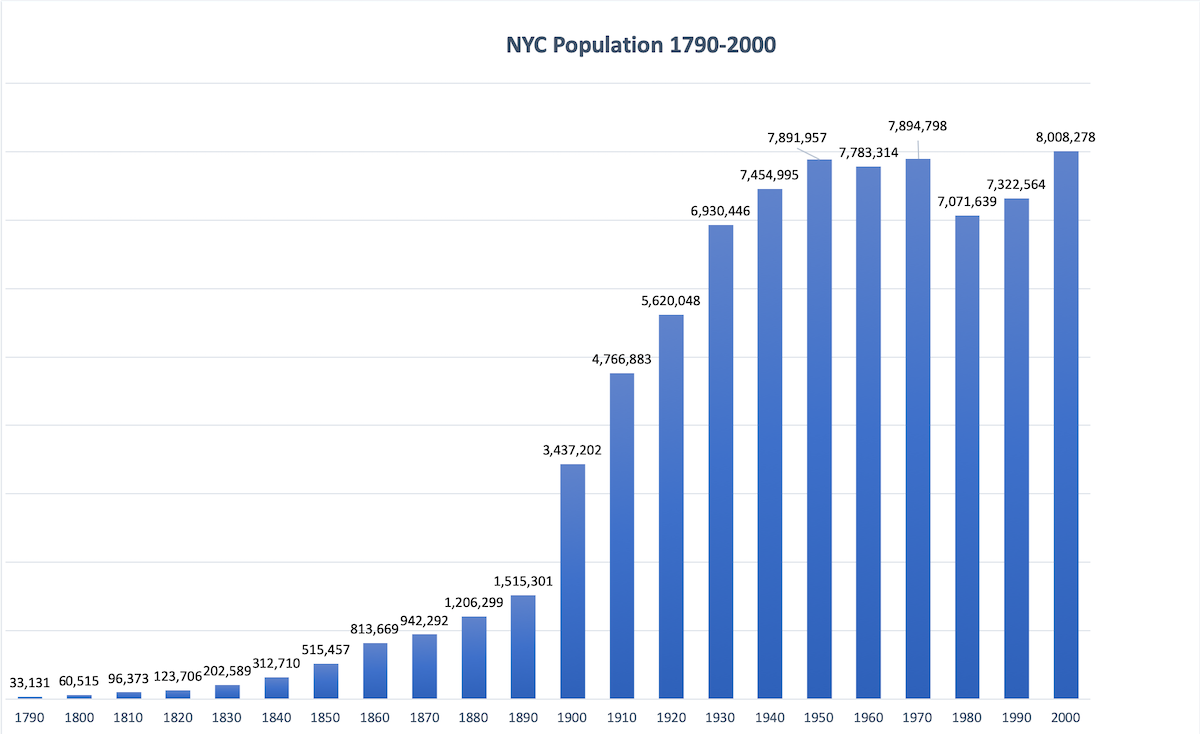
As of recent estimates, the population of New York City hovers around 8.5 to 8.8 million residents. This figure pertains to the five boroughs: Manhattan, Brooklyn, Queens, The Bronx, and Staten Island. This makes New York City the most populous city in the United States by a significant margin. The population density is equally remarkable, particularly in Manhattan, where millions live and work within a relatively small island footprint. This extreme density contributes directly to the city’s famous energy, its comprehensive public transportation system, and the verticality of its architecture.
Beyond the city limits, the broader New York metropolitan area, often referred to as the Tri-State Area (encompassing parts of New Jersey and Connecticut), boasts a population exceeding 20 million. This vast urban sprawl significantly influences the city’s economy, its workforce, and the flow of daily commuters and visitors, adding another layer of complexity to its dynamic environment. For travelers, understanding this scale is crucial – it explains why booking hotels or even dining reservations can be competitive, and why the city infrastructure is designed to handle immense crowds.
A Mosaic of Cultures: The Diversity That Defines NYC
Perhaps more significant than the sheer numbers is the incredible demographic tapestry woven by New York City’s population. It is one of the most diverse cities on Earth, with residents hailing from virtually every country in the world. Over 800 languages are spoken across the five boroughs, making it a truly global microcosm. This rich cultural blend isn’t just a statistic; it’s the very soul of the city, deeply influencing its local culture, food, arts, and overall atmosphere.
From the vibrant street life of Chinatown and Little Italy in Manhattan to the diverse communities of Jackson Heights in Queens or Bushwick in Brooklyn, every neighborhood tells a unique story of immigration, aspiration, and fusion. This unparalleled diversity directly translates into an infinitely richer experience for visitors. It means an astounding variety of authentic cuisines, a calendar packed with cultural festivals, and a pervasive sense of open-mindedness and innovation that permeates every aspect of city life. This demographic dynamism is a core element of why New York City remains a top choice for those seeking unique experiences.

The Vibrant Heartbeat: How Population Shapes the New York Experience
The millions of people who call New York City home are not just numbers; they are the architects of its identity, the source of its relentless energy, and the driving force behind its appeal as a global destination. The population directly influences the city’s dynamic character, offering an endless array of activities and attractions.
Culinary Delights: A World on Your Plate
One of the most immediate and delicious impacts of New York City’s diverse population is its unrivaled culinary scene. The city is a veritable paradise for food lovers, offering everything from Michelin-starred fine dining to hole-in-the-wall ethnic eateries and an explosion of street food vendors. Due to its multicultural population, you can savor authentic dishes from almost every corner of the globe. Want to try genuine Ethiopian injera, Korean BBQ, Argentinian empanadas, or classic New York-style pizza? The choices are endless, often within a few blocks of each other. This vast culinary landscape means that dining out is not just a meal; it’s a cultural exploration, a testament to the diverse communities that thrive here. Food tours are popular, offering guided journeys through specific neighborhoods to sample their distinct flavors.
Iconic Landmarks and Bustling Streets
The sheer volume of people contributes to the iconic imagery of New York City. Imagine Times Square without its throngs of pedestrians and flashing lights, or Central Park without picnickers, joggers, and street performers. The millions of residents and daily visitors create the vibrant atmosphere that makes these landmarks come alive. From the historic presence of the Statue of Liberty welcoming new arrivals, to the breathtaking views from the Empire State Building or One World Observatory, these sites are not just structures; they are stages for millions of daily interactions. Even the simple act of walking down a street in Manhattan becomes an immersive experience, a visual symphony of different lives intersecting. Navigating these bustling areas requires a certain level of comfort with crowds, but it’s precisely this energy that many travelers seek when they visit the Big Apple.
Arts, Culture, and Entertainment Galore
With such a massive population base, New York City sustains an unparalleled concentration of world-class arts and cultural institutions. Broadway wouldn’t be Broadway without millions of theatergoers annually. The city boasts an incredible array of museums like the Metropolitan Museum of Art, the Museum of Modern Art (MoMA), and the American Museum of Natural History, each drawing millions of visitors who are both residents and tourists. The sheer density of people provides the audience and the talent pool for an endless calendar of concerts, art exhibitions, dance performances, and independent film screenings. Music venues range from iconic halls like Carnegie Hall and Radio City Music Hall to intimate jazz clubs in Greenwich Village. For those interested in history, the 9/11 Memorial & Museum offers a poignant and reflective experience. This cultural richness ensures that there is always something new and exciting to discover, catering to every taste and interest.
Lifestyle and the Unmistakable NYC Pace
The dense population fundamentally shapes the lifestyle and rhythm of New York City. It’s famous for its fast pace, its 24/7 nature, and a unique blend of grit and glamour. This is a city where things happen quickly, and efficiency is often prized. The competitive environment spurred by millions striving for success fuels innovation and creativity, which in turn benefit visitors through cutting-edge services, trendy boutique hotels, and novel attractions. Whether you’re interested in luxury travel or exploring on a budget travel plan, the sheer variety of options is a direct consequence of the city’s vast and diverse populace. The constant motion and vibrant energy are infectious, drawing millions back time and again.
Navigating the Urban Jungle: Accommodation, Transport, and Planning Your Stay
With millions of residents and an equally impressive influx of daily visitors, planning a trip to New York City requires strategic thinking, especially when it comes to finding the right accommodation and understanding its extensive transportation network.
Finding Your Perfect Urban Retreat: Hotels and Accommodation
Given the city’s population density and popularity, accommodation in New York City can range from ultra-luxurious resorts to charming boutique hotels and more affordable apartments or hostels. The demand is consistently high, particularly in prime areas like Midtown Manhattan, Times Square, or near popular landmarks. Iconic properties such as The Plaza Hotel and The St. Regis New York offer unparalleled luxury and service, while stylish options like The Standard, High Line cater to those seeking a modern, trendy vibe. For business stays, properties like the Marriott Marquis provide extensive amenities and conference facilities.
When booking, consider your priorities: proximity to attractions, budget, and preferred atmosphere. Manhattan offers the most central access to major sites but often comes with a higher price tag. Brooklyn and Queens provide excellent alternatives, often with more space, a local feel, and better value, while still being easily accessible via public transport. Utilize booking platforms for comparison and to read reviews, and always book well in advance, especially during peak seasons like holidays or major events. For long-term stays, serviced apartments or villas in residential neighborhoods might be a more suitable choice.
Getting Around the City That Never Sleeps
With millions of people constantly on the move, New York City’s transportation network is extensive and remarkably efficient. The New York City Subway is the fastest and most popular way to get around, operating 24/7. It connects all five boroughs, offering an authentic New York experience. Understanding the subway map and utilizing apps for real-time updates are essential tips for navigating like a local. Taxis and ride-sharing services are readily available but can be slow and expensive due to traffic congestion. Walking is often the best way to explore individual neighborhoods, allowing you to discover hidden gems and soak in the city’s unique ambiance. For arriving by air, JFK Airport, LaGuardia Airport, and Newark Liberty International Airport serve the Tri-State Area, all with multiple transport options into the city.
Beyond the City Limits: The Greater New York Area
While the five boroughs are the main draw, the influence of New York City’s population extends far into the surrounding areas. The New York metropolitan area includes vast stretches of Long Island, Hudson Valley, and parts of New Jersey and Connecticut. Many residents commute daily from these regions, contributing to the economic vitality and cultural exchange within the city. For travelers, this means opportunities for easy day trips to charming towns, scenic parks, and historic sites outside the immediate urban bustle, offering a different perspective on the region’s diverse offerings.
Crafting Your Ultimate New York Adventure: Essential Travel Tips
A trip to New York City is a bucket-list item for many, and with millions of residents and countless visitors, planning is key to maximizing your guides and enjoyment.
Best Times to Visit and Managing the Crowds
The city’s population, combined with heavy tourist traffic, means that New York City is almost always bustling. Spring (April-May) and Fall (September-October) offer the most pleasant weather and are generally considered the best times to visit, though crowds can be significant. Winter is magical, especially during the holidays with festive decorations, but temperatures can be frigid. Summer offers outdoor concerts and events but can be hot and humid. To manage crowds, consider visiting popular attractions early in the morning or late in the afternoon, or exploring lesser-known neighborhoods like Dumbo in Brooklyn or the High Line on weekdays. Booking tickets for major attractions online in advance is highly recommended to save time and avoid queues.

Budgeting for Your Big Apple Dream
While New York City has a reputation for being expensive, especially for accommodation and dining, it is entirely possible to visit on a budget travel plan. Factor in the cost of hotels which can be higher due to the demand from its large population and constant influx of tourists. Utilizing the subway, taking advantage of free attractions like walking across the Brooklyn Bridge or exploring Central Park, and opting for casual dining or market food can help significantly. Many museums offer free admission days or suggested donation options. Plan your expenses carefully, read guides on saving money in NYC, and look for accommodation deals well in advance.
Immersive Experiences: Live Like a Local
To truly appreciate New York City and its vast population, try to immerse yourself in local life beyond the main tourist circuits. Visit a local park, browse a neighborhood market like Chelsea Market, catch an off-Broadway show, or enjoy a coffee in a less-trafficked area. Engaging with the city’s diverse communities through local culture and cuisine offers a deeper insight into what makes this metropolis so unique. Consider staying in a neighborhood outside Manhattan to experience a different side of the city’s vibrant daily life. These immersive experiences are often the most memorable and reveal the true spirit of the millions who call New York, New York home.
In conclusion, the population of New York, New York is not merely a number; it is the very essence of its being. It defines its energy, drives its diversity, shapes its culture, and influences every aspect of the travel and tourism experience. From the bustling streets to the quiet corners of its residential areas, the millions of people in New York City create an unforgettable urban symphony, inviting visitors from around the globe to explore, discover, and be part of its incredible story.
LifeOutOfTheBox is a participant in the Amazon Services LLC Associates Program, an affiliate advertising program designed to provide a means for sites to earn advertising fees by advertising and linking to Amazon.com. Amazon, the Amazon logo, AmazonSupply, and the AmazonSupply logo are trademarks of Amazon.com, Inc. or its affiliates. As an Amazon Associate we earn affiliate commissions from qualifying purchases.