
New York City, often heralded as the “Capital of the World” and affectionately known as The Big Apple, is a metropolis of unparalleled energy, diversity, and cultural significance. But beneath the iconic skyline, the bustling streets, and the endless array of attractions lies a fundamental question that shapes every aspect of its existence: what is its population? Understanding the sheer number of people who call this vibrant city home, or visit its famous shores, is key to grasping its unique character, its challenges, and its enduring allure for travelers and residents alike.
As of the latest estimates, New York City’s population hovers around 8.3 to 8.4 million residents. This makes it the most populous city in the United States by a considerable margin. However, this impressive figure only tells part of the story. The metropolitan area, which includes surrounding suburbs and extends into neighboring states, swells to over 20 million people, creating one of the largest and most dynamic urban agglomerations on Earth. These numbers are not just statistics; they are the lifeblood of a city that constantly reinvents itself, a mosaic of cultures, ambitions, and dreams that converge in one extraordinary place. For anyone planning a visit, considering a move, or simply curious about this global titan, comprehending its demographic scale is the first step to truly appreciating its magnificence.

A City of Millions: Understanding New York’s Demographics
The population of New York City is a dynamic entity, constantly shifting due to birth rates, death rates, and the ebb and flow of migration both internationally and domestically. This fluidity is part of what gives the city its ceaseless energy and ever-evolving character. The density of its population, especially in core areas like Manhattan, profoundly impacts everything from its world-class public transportation system to the availability of accommodations and the sheer variety of cultural experiences on offer.
The Big Apple’s Staggering Numbers
With over 8 million people packed into roughly 300 square miles, New York City boasts an incredible population density. This density is a defining feature, giving rise to the city’s vertical architecture, its reliance on mass transit, and its vibrant street life. It’s a city where millions of individual stories unfold simultaneously, creating a collective narrative of ambition, resilience, and constant motion. The sheer number of residents fuels an incredibly diverse economy, from finance and fashion to technology and tourism. Each year, millions of visitors contribute to this bustling ecosystem, temporarily swelling the daily population, especially in high-traffic tourist zones like Times Square or Central Park.
The population isn’t just large; it’s incredibly diverse. People from virtually every country in the world call New York home, speaking hundreds of languages and bringing with them a tapestry of traditions, cuisines, and perspectives. This diversity is not merely a demographic fact; it’s a foundational element of the city’s identity, enriching its cultural landscape and making it a truly global microcosm. From the vibrant street festivals in Queens to the culinary delights of Chinatown and Little Italy, the city’s population composition is its greatest strength, offering an unparalleled experience for anyone looking to explore local culture, food, and activities.
Beyond Manhattan: Borough-by-Borough Breakdown
While Manhattan often captures the imagination with its skyscrapers and iconic landmarks, New York City’s population is distributed across its five distinct boroughs, each with its own unique character, demographics, and attractions.
-
Brooklyn: As the most populous borough, Brooklyn is home to approximately 2.6 million residents. Known for its distinct neighborhoods, from the historic brownstones of Brooklyn Heights to the trendy streets of Williamsburg and the vibrant arts scene in DUMBO, Brooklyn offers a rich blend of residential charm, cultural institutions, and burgeoning culinary hotspots. Its population is incredibly diverse, contributing to a rich tapestry of local cultures. Landmarks like the Brooklyn Bridge and Coney Island are major draws for tourists and locals alike.
-
Queens: With around 2.3 million residents, Queens is the largest borough by area and arguably the most ethnically diverse urban area in the world. It’s a true melting pot, where you can find authentic cuisine and vibrant communities representing nearly every corner of the globe. Areas like Flushing offer a genuine taste of Asia, while Jackson Heights is a hub for South Asian and Latin American cultures. Long Island City provides stunning skyline views and a growing number of contemporary hotels, reflecting the borough’s increasing popularity.
-
Manhattan: Despite being the most famous, Manhattan’s population is approximately 1.6 to 1.7 million. What it lacks in sheer numbers compared to Brooklyn and Queens, it makes up for in density and iconic status. Home to major landmarks like the Empire State Building, Statue of Liberty (accessible via ferry from Manhattan), and Broadway theaters, Manhattan is the economic, cultural, and administrative heart of the city. Its population is characterized by a mix of long-term residents, high-income professionals, and a transient population of students and young professionals drawn by opportunities.
-
The Bronx: With about 1.4 million residents, The Bronx offers a rich cultural heritage, known as the birthplace of hip-hop and home to Yankee Stadium. It features diverse neighborhoods, expansive parklands like Van Cortlandt Park, and the beautiful New York Botanical Garden. The population is predominantly Hispanic and African American, contributing to a vibrant community spirit and distinct local flavors.
-
Staten Island: The least populous borough, with approximately 480,000 residents, Staten Island offers a more suburban feel while still being part of the city. Connected by the free Staten Island Ferry, which provides stunning views of the Manhattan skyline and the Statue of Liberty, it features historical sites, natural landscapes, and a quieter pace of life.
These diverse populations within each borough contribute to the overall unique character of New York City, making it a truly multifaceted destination for any traveler.
The Dynamic Impact of Population on NYC Life and Tourism
The sheer volume and diversity of New York City’s population are not mere statistics; they are the driving forces behind its unique urban experience and its magnetic appeal to tourists. From the pulsating energy of its streets to the vast array of dining and accommodation options, population density shapes every interaction and opportunity.
How Population Shapes the Urban Experience
Life in a city of over 8 million people is inherently different from life anywhere else. The high population density means everything is often closer, more concentrated, and more competitive. This fosters incredible innovation, diverse services, and a vibrant cultural scene. Public transportation, primarily the subway and bus system, is a lifeline, moving millions efficiently across the boroughs every day. This dense network is a direct response to the population’s needs, offering travelers an authentic way to experience the city like a local.
Moreover, the high population means a constant flow of ideas, trends, and artistic expression. Broadway isn’t just a collection of theaters; it’s a testament to the audience demand for world-class entertainment. The hundreds of museums, galleries, and performance venues, from the Metropolitan Museum of Art to smaller, independent spaces in Greenwich Village, thrive on a massive local and tourist population eager for cultural enrichment. This creates an environment where new experiences are always around the corner, from pop-up art installations to international film festivals.
Infrastructure, Accommodation, and the Visitor’s Journey
For tourists, the population density of New York City has significant implications for planning their trip. The extensive infrastructure, including airports (JFK, LGA, EWR), the port system, and the aforementioned public transit, is designed to handle this massive influx of people. However, during peak seasons, even this robust system can feel stretched.
Accommodation options are incredibly varied, catering to the diverse preferences and budgets of millions. From ultra-luxury hotels like The Plaza or Ritz-Carlton Central Park in Manhattan to boutique hotels in SoHo and budget-friendly hostels or serviced apartments in Brooklyn or Queens, the options are almost limitless. The sheer number of hotels and apartments available for short-term stays is a direct consequence of the city’s status as a major global travel destination. However, the high demand, driven by both resident population and tourist volume, means booking well in advance is crucial, especially for specific dates or highly-rated properties. Comparison websites become invaluable tools for finding the best deals amidst this competitive landscape.
Long-term accommodation for those considering an extended stay or relocation is also abundant but similarly competitive. The population’s transient nature means a constant turnover of rental properties, from cozy studios to spacious family apartments, but prices reflect the high demand to live in such a desirable location.
Cultural Richness and Diversity: A Melting Pot’s Appeal
The population’s diversity is perhaps the most captivating aspect for anyone visiting or living in New York City. It truly is a global crossroads. This multiculturalism translates into an astonishing array of local cultures, food scenes, and activities. You can literally travel the world through your taste buds, from authentic Sichuan cuisine in Flushing, Jamaican jerk chicken in Brooklyn, Ethiopian injera in Harlem, to traditional Italian pasta in Little Italy.
This cultural richness is not confined to food. It’s evident in the city’s festivals, its music, its art, and its everyday interactions. Walking through different neighborhoods, you might hear a dozen different languages spoken, witness a myriad of architectural styles, and encounter traditions from every continent. This vibrant, living cultural tapestry is what makes New York City an unparalleled destination for experiential travel, offering continuous opportunities to engage with local communities and expand one’s global understanding. It exemplifies why tourism to New York is often about more than just seeing landmarks; it’s about immersing oneself in a truly global lifestyle.
Navigating New York: Tips for Visitors in a Densely Populated Metropolis
Visiting New York City is an exhilarating experience, but its dense population requires some strategic planning to make the most of your trip. Knowing how to navigate the crowds, find suitable accommodation, and embrace the local lifestyle can transform a good trip into an unforgettable adventure.
Planning Your Visit: Timing and Crowds
Given the millions of residents and additional millions of annual tourists, crowd management is an unofficial skill required for a smooth New York experience.
- Off-Peak Seasons: Consider visiting during the shoulder seasons (spring, early fall) or even winter (excluding holidays like Christmas and New Year’s) to experience slightly fewer crowds and potentially better deals on flights and hotels. The summer months are popular, but also hot and extremely busy, especially at major attractions.
- Weekdays vs. Weekends: Many attractions and museums are less crowded on weekdays. If possible, save your weekend for exploring parks, less central neighborhoods, or enjoying Broadway shows, which often have weekend matinees.
- Early Bird Gets the Worm: For popular landmarks like the Empire State Building, Statue of Liberty, or One World Observatory at the World Trade Center site, arriving right when they open can significantly reduce wait times. Booking tickets online in advance is almost always a good idea.

Accommodation Choices in a Bustling City
The sheer population guarantees a vast array of accommodation options, but also means high demand.
- Hotels: Manhattan offers the highest concentration of hotels, from luxury resorts around Central Park and Fifth Avenue (e.g., St. Regis New York, Mandarin Oriental New York) to stylish boutique hotels in SoHo or budget-conscious options near Times Square. Consider staying in Brooklyn or Long Island City, Queens, for potentially lower prices and a different neighborhood vibe, often with excellent subway access to Manhattan.
- Serviced Apartments & Villas: For longer stays, families, or those preferring self-catering, serviced apartments offer more space and amenities. Options vary widely, from corporate housing to vacation rentals, found across all boroughs.
- Hostels: Budget travelers will find numerous hostels, particularly in Manhattan and Brooklyn, providing affordable, communal accommodation.
- Booking & Reviews: Always consult booking platforms and review sites like TripAdvisor or Booking.com (if it were an internal link, it would be Booking.com) to compare prices, read guest experiences, and ensure the chosen accommodation meets your needs, considering amenities and location.
Exploring Iconic Landmarks and Hidden Gems
With millions of residents, New York is full of both globally renowned landmarks and charming local spots.
- Must-See Landmarks: Beyond the Statue of Liberty and Empire State Building, don’t miss Central Park, Times Square, Rockefeller Center, the Brooklyn Bridge, and the 9/11 Memorial & Museum. Other iconic spots include Grand Central Terminal, Wall Street, and Madison Square Garden.
- World-Class Museums: The Metropolitan Museum of Art, the Museum of Modern Art (MoMA), the Guggenheim Museum, and the Whitney Museum of American Art are just a few of the many institutions showcasing art, history, and science. The Intrepid Sea, Air & Space Museum offers a unique historical experience.
- Discovering Hidden Gems: To escape the tourist throngs, venture into neighborhoods like Greenwich Village for its bohemian charm, explore the elevated High Line park, or discover the diverse markets and eateries in Queens. Each borough holds countless smaller parks, independent shops, and local restaurants that offer a more intimate glimpse into New York life.
Embracing the Lifestyle: Living Like a Local
To truly experience New York, try to live a little like a local.
- Public Transport: Master the subway. It’s the quickest, most efficient, and most authentic way to get around. Purchase a MetroCard and embrace the underground system.
- Walk Everywhere: While the subway is essential, walking is the best way to soak in the atmosphere of different neighborhoods, stumble upon hidden gems, and truly appreciate the city’s dynamic street life.
- Eat Diversely: Skip chain restaurants and dive into the incredibly varied culinary scene. Seek out hole-in-the-wall eateries, food trucks, and ethnic restaurants recommended by locals.
- Embrace the Pace: New Yorkers move fast. Don’t take it personally; it’s just the rhythm of the city. Join in, but also remember to take moments to pause, observe, and appreciate the unique energy surrounding you.
The Future of New York’s Population and Its Enduring Allure
The population of New York City is not static; it’s a living, breathing entity that continuously adapts and evolves. Understanding future trends and the underlying reasons why millions choose to live in or visit this metropolis offers valuable insight into its enduring global significance.
Trends and Projections
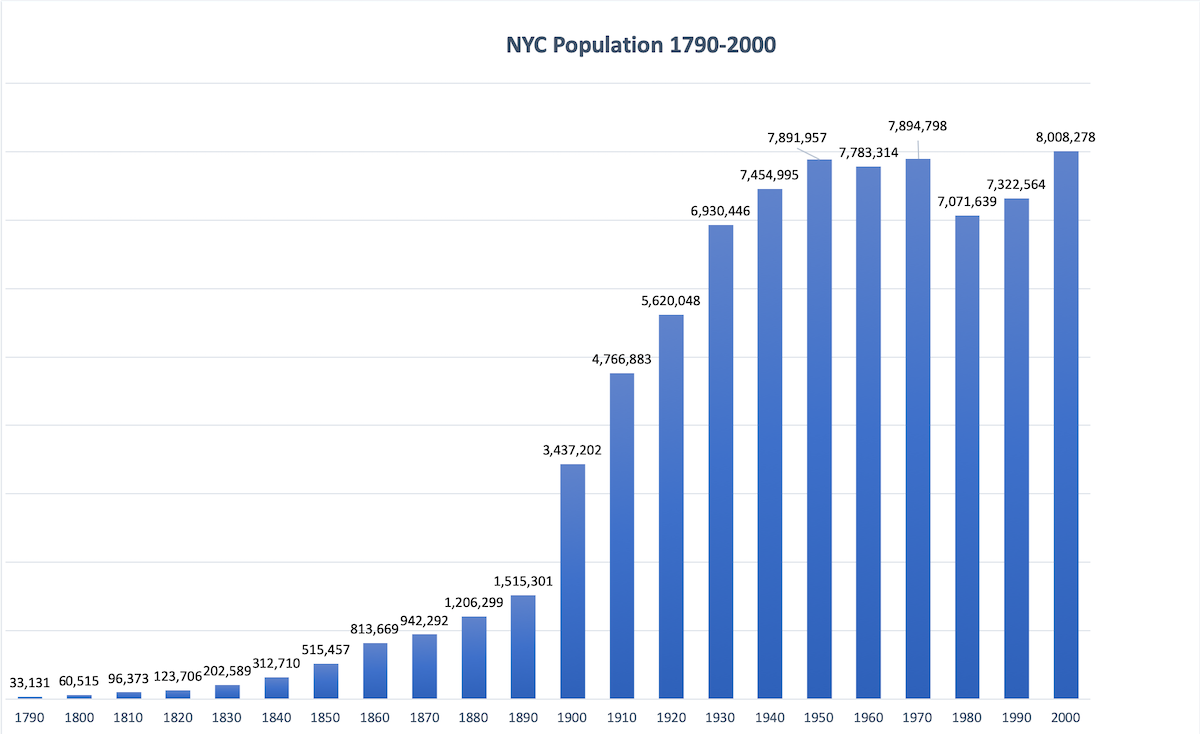
Historically, New York City’s population has seen periods of rapid growth, decline, and resurgence. In recent decades, it has experienced steady growth, though this has sometimes been punctuated by external factors such as economic downturns or global crises. Demographic projections suggest continued, albeit perhaps slower, growth in the coming years. This growth is often driven by a combination of international immigration, a high birth rate, and domestic migration from other parts of the United States drawn by economic opportunities and cultural attractions.
The urban landscape continues to adapt to these population shifts. Neighborhoods once overlooked are revitalized, infrastructure projects aim to enhance connectivity and capacity, and new residential and commercial developments continuously reshape the skyline. The demand for housing and services remains high, reflecting the city’s persistent appeal as a place to live, work, and thrive. This continuous development also creates new opportunities for unique accommodations and emerging cultural hotspots, ensuring that New York remains a fresh and exciting destination for repeat visitors.
Why Millions Call New York Home (or Visit)
The reasons behind New York City’s massive and diverse population are as numerous as the people themselves.
- Economic Opportunity: As a global financial hub (home to the New York Stock Exchange and numerous multinational corporations) and a leader in technology, media, fashion, and arts, New York offers unparalleled career prospects. This draws ambitious individuals from around the world.
- Cultural Hub: The city’s reputation as a cultural capital is well-earned. With Broadway theaters, world-class museums, live music venues, and a vibrant arts scene in every borough, there’s an endless supply of entertainment and intellectual stimulation.
- Diversity and Inclusivity: The melting pot nature of New York means it’s a place where people from all backgrounds can find a community, feel accepted, and experience a wide array of global cultures without ever leaving the city limits. This sense of belonging, combined with exposure to different ways of life, is a powerful draw.
- Iconic Status and Energy: For tourists, the allure of New York City lies in its iconic landmarks and its undeniable energy. It’s a city that never sleeps, offering a constant buzz that is both exhilarating and inspiring. From the bright lights of Times Square to the serene paths of Central Park, every corner holds a story.
- Connectivity: As a major international gateway, New York is incredibly well-connected, making it a convenient base for both business travel and extensive exploration.
In conclusion, the population of New York City is far more than just a number. It is the very essence of what makes this city extraordinary. It drives the infrastructure, fuels the economy, enriches the culture, and shapes the unique experiences that await every resident and visitor. Whether you’re coming for a luxury stay, a budget adventure, a family trip, or a business endeavor, understanding the vibrant tapestry of millions who call The Big Apple home is the first step to truly appreciating its unparalleled dynamic.
LifeOutOfTheBox is a participant in the Amazon Services LLC Associates Program, an affiliate advertising program designed to provide a means for sites to earn advertising fees by advertising and linking to Amazon.com. Amazon, the Amazon logo, AmazonSupply, and the AmazonSupply logo are trademarks of Amazon.com, Inc. or its affiliates. As an Amazon Associate we earn affiliate commissions from qualifying purchases.