
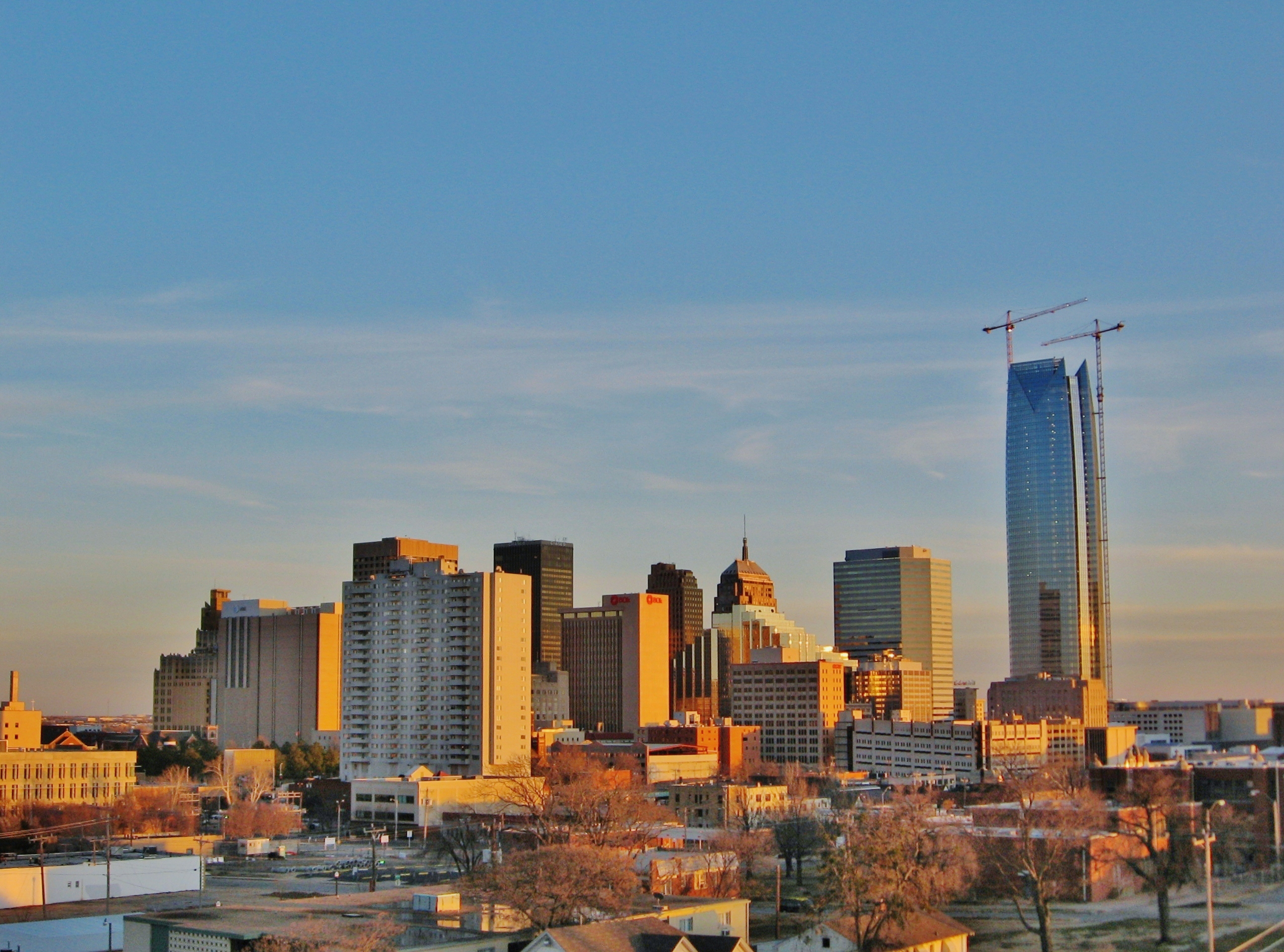
Understanding the population of a city is a foundational element for grasping its scale, dynamism, and the resources available to its residents and visitors. For Oklahoma City, the capital of Oklahoma, its population figures offer insight into its growth trajectory, economic opportunities, and its evolving cultural landscape. While the exact number is subject to fluctuations due to births, deaths, and migration, official census data provides a reliable benchmark. As of recent estimates, Oklahoma City stands as a significant metropolitan hub in the central United States, consistently ranking among the larger cities in its region. This demographic foundation is crucial for anyone considering visiting, relocating, or investing in this vibrant urban center.

A Look at the Numbers: Oklahoma City’s Population Growth
The demographic story of Oklahoma City is one of steady expansion. The city, established in the Land Run of 1889, has evolved from its frontier origins into a modern metropolis. Its population has seen consistent growth over the decades, driven by a combination of factors including a favorable business climate, affordable living, and a strategic location.
Census Data and Projections
The United States Census Bureau provides the most authoritative data on population. The most recent decennial census offers a snapshot of the city’s demographic makeup. Following the census, annual population estimates are released, offering a more current, albeit projected, understanding of population trends. These figures are invaluable for urban planners, policymakers, and businesses to anticipate future needs and opportunities.
- 2020 Census: The 2020 United States Census reported a significant population for Oklahoma City, solidifying its status as a major American city.
- Annual Estimates: Following the census, the Census Bureau releases annual estimates that reflect ongoing demographic shifts. These estimates are critical for understanding the immediate population trends and planning for infrastructure and services.
- Metropolitan Statistical Area (MSA): It is also important to consider the population of the broader Oklahoma City Metropolitan Statistical Area. This encompasses the central city and its surrounding suburban counties, which often experience substantial population growth as well. The MSA population provides a more comprehensive picture of the economic and social influence of the city.
Factors Driving Population Change
Several key drivers contribute to the population dynamics of Oklahoma City. A robust job market, particularly in sectors like aerospace, energy, and biosciences, attracts new residents. The city’s relatively lower cost of living compared to many other major metropolitan areas also plays a significant role in its appeal. Furthermore, ongoing urban development projects and improvements in quality of life continue to draw people to the area.
What Does the Population Size Mean for Visitors?
The population of Oklahoma City has direct implications for the visitor experience. A substantial population indicates a well-developed infrastructure, a wide array of attractions, and a diverse range of services catering to both locals and tourists. This demographic scale translates into a vibrant urban environment with plenty to explore.
Infrastructure and Accessibility
A city with a large and growing population typically boasts a well-established transportation network. Oklahoma City is no exception, with Will Rogers World Airport serving as a key gateway for air travel. The city’s road infrastructure, including major interstates like I-40 and I-35, facilitates easy access. Public transportation options, while perhaps not as extensive as in some older, larger cities, are continually developing to serve the growing populace. This connectivity ensures that reaching and navigating Oklahoma City is a manageable and often pleasant experience for travelers.
A Wealth of Attractions and Activities
The demographic density of Oklahoma City fuels a dynamic cultural and recreational scene. A larger population base supports a diverse ecosystem of entertainment venues, restaurants, museums, and parks.
- Museums and Cultural Institutions: The city is home to world-class institutions such as the National Cowboy & Western Heritage Museum and the Oklahoma City Museum of Art, which cater to a wide range of interests. The presence of these institutions is often a reflection of a city’s commitment to cultural enrichment, supported by a population that values such offerings.
- Entertainment Districts: Areas like the Bricktown Entertainment District thrive on the energy of a sizable population, offering a plethora of dining, shopping, and nightlife options. The success of these districts is directly tied to the number of people who can support them.
- Outdoor Recreation: From the Myriad Botanical Gardens to the expansive Scissortail Park, the city offers numerous green spaces and recreational opportunities. A larger population often means more resources are dedicated to developing and maintaining these public spaces for the enjoyment of all.
Diverse Culinary Scene
The culinary landscape of a city is often a direct mirror of its population’s diversity and size. A substantial population base supports a wide variety of restaurants, from established local favorites to international cuisine. In Oklahoma City, visitors can explore everything from classic Oklahoma barbecue and Tex-Mex to upscale dining experiences and ethnic eateries. This diversity is a testament to the city’s ability to attract and retain a varied population, each contributing to the rich tapestry of its culinary offerings.
Population and Economic Opportunity
The population of Oklahoma City is inextricably linked to its economic vitality. A growing population signifies a healthy economy with demand for goods and services, creating opportunities for businesses and individuals alike. For visitors, this translates into a dynamic job market and potential for investment.
Business and Industry Hub
Oklahoma City has established itself as a significant economic hub, particularly in sectors like aerospace, energy, telecommunications, and biosciences. The presence of major corporations and a growing startup ecosystem attracts a skilled workforce, contributing to the city’s population growth. This economic strength underpins the city’s ability to fund public services and infrastructure, which in turn enhances its appeal to residents and visitors.
Cost of Living and Affordability
Compared to many other major metropolitan areas in the United States, Oklahoma City offers a comparatively lower cost of living. This affordability is a significant draw for individuals and families looking for a high quality of life without the exorbitant expenses often associated with larger cities. This economic advantage further fuels population growth and contributes to a stable and engaged resident base, which benefits the tourism sector through a consistent flow of both local and visiting patrons.
Innovation and Development
The city’s growing population is a key indicator of its ongoing development and innovation. New residential areas, revitalized downtown districts like Bricktown, and significant infrastructure projects are testaments to the city’s forward-looking approach. These developments are often spurred by the needs and desires of a growing population, creating a positive feedback loop of growth and improvement that enhances the overall experience for everyone who engages with Oklahoma City.
Understanding the Future: Population Trends and Impact
Predicting future population trends is a complex endeavor, but understanding the current trajectory and the factors influencing it provides valuable insight into the continued evolution of Oklahoma City. As the city continues to grow, its character and offerings will undoubtedly evolve, presenting new opportunities and challenges.
Urban Planning and Infrastructure Needs
A growing population necessitates forward-thinking urban planning. City officials and planners in Oklahoma City are continuously working to ensure that the city’s infrastructure – including transportation, utilities, schools, and public safety – can adequately support its expanding population. This includes strategic investments in public transit, road improvements, and the development of new community facilities.
Cultural Evolution and Diversity
As Oklahoma City attracts new residents from diverse backgrounds, its cultural landscape is becoming increasingly rich and varied. This demographic shift leads to a broader spectrum of traditions, cuisines, and perspectives, enriching the city’s identity. For visitors, this means a more dynamic and multifaceted experience, with opportunities to engage with a wider array of cultural expressions.

Sustainability and Growth
Managing population growth sustainably is a key focus for many modern cities. Oklahoma City is actively exploring ways to balance its expansion with environmental stewardship and the preservation of its quality of life. This includes promoting green initiatives, investing in renewable energy, and developing smart growth strategies that ensure the city remains a desirable place to live, work, and visit for generations to come. The population figures, therefore, are not just numbers; they represent a living, breathing entity that shapes the present and future of this dynamic American capital.
LifeOutOfTheBox is a participant in the Amazon Services LLC Associates Program, an affiliate advertising program designed to provide a means for sites to earn advertising fees by advertising and linking to Amazon.com. Amazon, the Amazon logo, AmazonSupply, and the AmazonSupply logo are trademarks of Amazon.com, Inc. or its affiliates. As an Amazon Associate we earn affiliate commissions from qualifying purchases.