
The population of Oklahoma is a dynamic figure, constantly evolving with births, deaths, and migration patterns. Understanding this demographic snapshot is crucial for anyone interested in the state’s trajectory, whether for personal relocation, business investment, or simply a deeper appreciation of American geography and its people. As of recent estimates, Oklahoma is home to millions of residents, each contributing to the unique cultural tapestry of the Sooner State. This article delves into the current population figures, historical trends, and the factors shaping the demographic landscape of Oklahoma, providing insights relevant to its tourism and lifestyle appeal.
Current Population Dynamics
The most recent available data places the population of Oklahoma at just over 3.9 million individuals. This number, while significant, positions Oklahoma as a moderately populated state within the United States. Its population density is lower than many eastern and western coastal states, offering a sense of space and openness that is often attractive to visitors and potential residents alike.
Major Urban Centers and Their Demographics
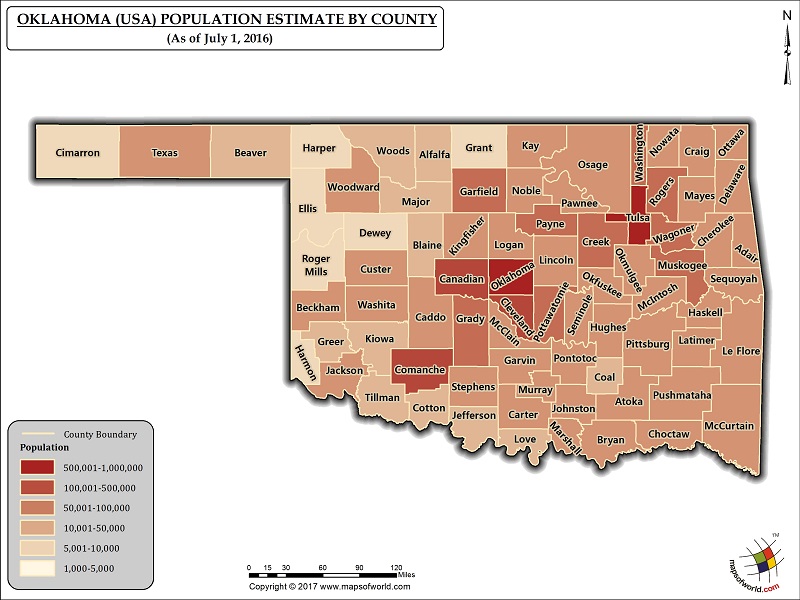
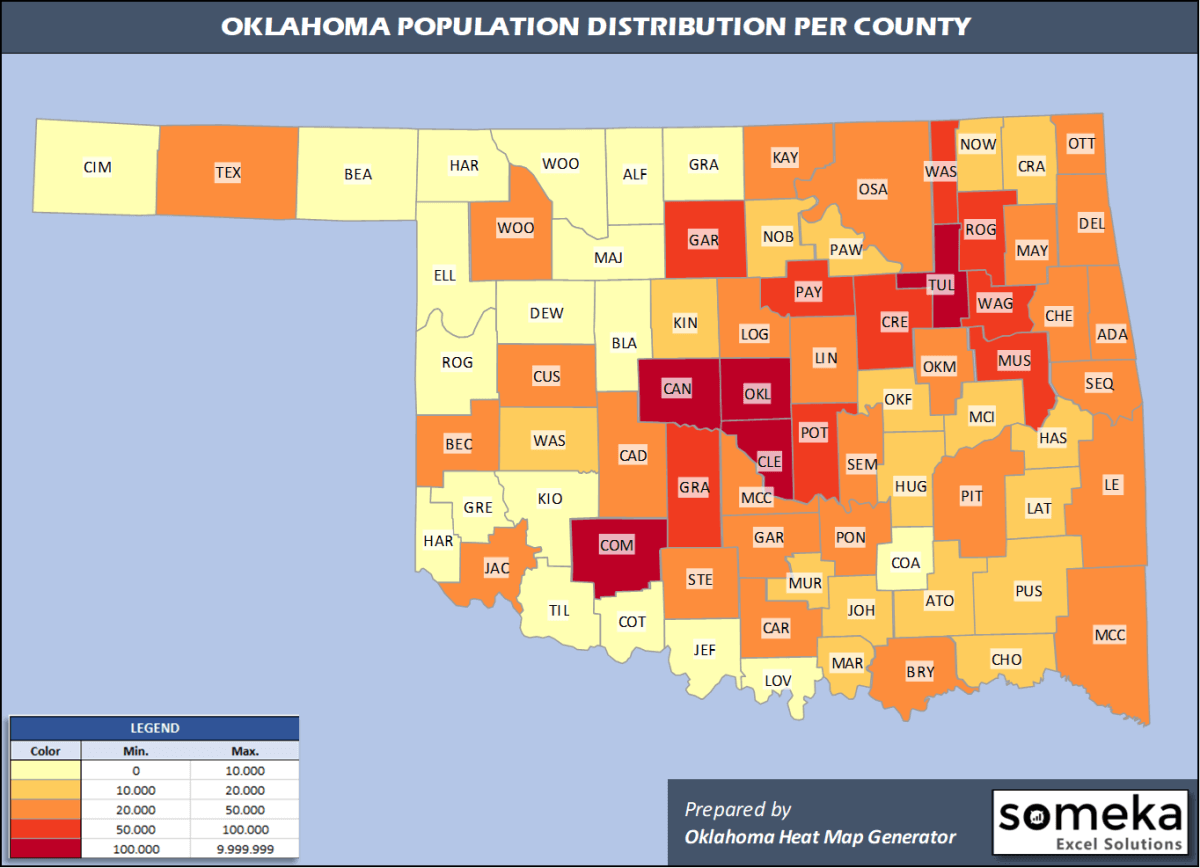
The population is not uniformly distributed across the state. Like most states, Oklahoma sees a concentration of its residents in and around its major metropolitan areas.
Oklahoma City Metropolitan Area
The capital city, Oklahoma City, is the most populous city in the state. Its metropolitan area, often referred to as OKC, encompasses a significant portion of the state’s residents. This region is a hub for business, government, and culture, attracting a diverse population. The growth in Oklahoma City has been steady, driven by economic development and a relatively low cost of living compared to other major American cities. This makes it an appealing destination for families and professionals.
Tulsa Metropolitan Area
Second only to Oklahoma City in population is Tulsa. Known for its rich history in the oil industry and its vibrant arts scene, Tulsa also boasts a substantial population. The Tulsa metropolitan area provides a different flavor of urban living, with its own unique attractions and community feel. The growth in Tulsa has also contributed significantly to the state’s overall population figures.
Smaller Cities and Rural Areas
Beyond these two primary urban centers, Oklahoma features numerous smaller cities and vast rural expanses. While these areas may have smaller populations individually, they collectively represent a significant portion of the state’s geographic area and contribute to its agrarian and frontier heritage. These regions often offer a slower pace of life and are popular for those seeking a more secluded or nature-focused lifestyle.
Population Growth Trends
Oklahoma has experienced consistent population growth over the past century, though the rate of growth has varied. Historically, migration played a significant role, particularly during periods of westward expansion and economic booms related to oil and gas. In recent decades, the state has seen a steady, moderate increase in its population.
Factors Driving Growth
Several factors contribute to Oklahoma’s population growth.
- Economic Opportunities: The state’s robust energy sector, growing aerospace industry, and diverse manufacturing base provide employment opportunities that attract new residents.
- Affordability: Compared to many other American states, Oklahoma offers a lower cost of living, particularly in housing, which makes it an attractive option for families and individuals seeking financial stability.
- Quality of Life: Oklahoma offers a range of lifestyle benefits, including a rich cultural heritage, outdoor recreational opportunities, and a friendly, community-oriented atmosphere.
Recent Demographic Shifts
Recent trends indicate continued growth, though the pace might fluctuate based on national economic conditions. There’s also a subtle shift occurring in the demographic makeup, with increasing diversity in urban centers reflecting broader national patterns.
Historical Population Milestones
To truly understand Oklahoma’s population, it is beneficial to look back at its historical growth. The state’s identity is deeply intertwined with its demographic evolution.

Early Settlement and Statehood
The opening of the Unassigned Lands for settlement in 1889 marked a pivotal moment, leading to a rapid influx of people and the establishment of many communities. This period, often referred to as the “Oklahoma Land Run,” dramatically increased the population. Upon achieving statehood in 1907, Oklahoma already had a well-established and growing population.
20th Century Growth
Throughout the 20th century, Oklahoma experienced significant population increases, driven by the oil boom and subsequent industrial development. Major cities like Oklahoma City and Tulsa expanded considerably during this era. Migration patterns, both internal and from other states, shaped the demographic landscape, with many seeking economic prosperity.
The Modern Era
The latter half of the 20th century and the early 21st century have seen a continuation of this growth, albeit at a more measured pace. The state’s ability to adapt its economy beyond its traditional reliance on oil and gas has been crucial in sustaining this demographic trend.
Factors Influencing Oklahoma’s Population
Several interconnected factors influence the population size and composition of Oklahoma. These range from economic drivers to social and environmental considerations.
Economic Drivers
The state’s economy is a primary magnet for residents.
- Energy Sector: Historically and presently, the oil and natural gas industry has been a significant employer, attracting workers and their families. Despite market fluctuations, it remains a cornerstone of the state’s economy.
- Diversification: Oklahoma has actively worked to diversify its economy, with notable growth in aerospace, advanced manufacturing, biosciences, and technology sectors. This diversification creates a broader range of job opportunities.
- Business Climate: A favorable business climate, including incentives and a relatively low tax burden, attracts companies, which in turn brings jobs and population growth.
Quality of Life and Lifestyle
Beyond employment, the overall quality of life plays a crucial role in attracting and retaining residents.
- Outdoor Recreation: Oklahoma offers abundant opportunities for outdoor enthusiasts, from fishing and boating on its numerous lakes like Lake Texoma and Grand Lake O’ the Cherokees, to hiking in state parks such as Wichita Mountains Wildlife Refuge.
- Cultural Attractions: The state boasts a rich Native American heritage, a burgeoning arts scene, numerous museums, and live music venues, particularly in its larger cities. The Pioneer Woman Museum in Pawhuska and the National Cowboy & Western Heritage Museum in Oklahoma City are just a few examples of its cultural offerings.
- Community and Pace of Life: Many find the strong sense of community and the generally relaxed pace of life appealing, especially when compared to the hustle and bustle of more densely populated regions.
Education and Healthcare
Access to quality education and healthcare services is a significant factor for individuals and families when choosing a place to live. Oklahoma has invested in its educational institutions, from K-12 systems to universities like the University of Oklahoma and Oklahoma State University. The healthcare infrastructure, centered around major medical facilities in Oklahoma City and Tulsa, also contributes to the state’s attractiveness.
Implications for Tourism and Lifestyle
The population of Oklahoma has direct implications for its tourism and lifestyle appeal. A growing and diverse population often translates to a more vibrant and varied offering of experiences.
Catering to a Growing Audience
As Oklahoma’s population grows, so does the demand for diverse tourism and lifestyle experiences. This encourages the development of new attractions, restaurants, and cultural events.
- Urban Exploration: The growth of Oklahoma City and Tulsa has led to revitalized downtown areas, vibrant entertainment districts like Bricktown in Oklahoma City, and a burgeoning culinary scene.
- Rural and Adventure Tourism: The state’s vast open spaces and natural beauty continue to attract visitors interested in outdoor adventures, from exploring the Ozark Mountains to experiencing the unique landscapes of the Great Plains.
- Cultural Immersion: The rich history of Oklahoma, including its Native American heritage and its role in westward expansion, provides deep opportunities for cultural tourism. Landmarks such as the Chickasaw Cultural Center offer immersive experiences.
Lifestyle Opportunities
The demographic makeup of Oklahoma supports a wide spectrum of lifestyle choices.
- Family-Friendly Living: The combination of affordability, good schools, and abundant recreational activities makes Oklahoma an attractive place for families.
- Retirement Destinations: The lower cost of living and access to healthcare are also drawing retirees to various parts of the state.
- Entrepreneurial Hubs: The growing economic diversity, particularly in urban areas, fosters an environment for entrepreneurship and innovation, attracting a younger, dynamic workforce.
In conclusion, the population of Oklahoma is more than just a number; it is a reflection of the state’s economic vitality, its historical legacy, and its evolving lifestyle offerings. As the Sooner State continues to grow and change, understanding its demographic trends provides valuable insight for anyone looking to explore, visit, or reside within its borders.
LifeOutOfTheBox is a participant in the Amazon Services LLC Associates Program, an affiliate advertising program designed to provide a means for sites to earn advertising fees by advertising and linking to Amazon.com. Amazon, the Amazon logo, AmazonSupply, and the AmazonSupply logo are trademarks of Amazon.com, Inc. or its affiliates. As an Amazon Associate we earn affiliate commissions from qualifying purchases.