
Seattle: A Demographic Snapshot of the Emerald City
The question of a city’s population is more than just a number; it’s a pulse, a representation of its dynamism, its growth, and its ever-evolving character. For a city as vibrant and influential as Seattle, understanding its population provides crucial context for anyone considering visiting, investing, or simply appreciating its unique place in the Pacific Northwest. Seattle, Washington, a bustling metropolis nestled between Puget Sound and Lake Washington, has long been a magnet for innovation, culture, and, of course, people. Its population figures offer a compelling narrative of urban development, economic shifts, and the enduring allure of the Emerald City.

As of the most recent estimates, Seattle’s population hovers around the 750,000 mark. This figure, however, represents the residents within the official city limits. To truly grasp the scale and impact of Seattle’s human geography, one must also consider the broader metropolitan area, often referred to as Seattle–Tacoma–Bellevue metropolitan area. This sprawling region encompasses a much larger population, typically exceeding 4 million individuals. This distinction is vital for understanding the city’s infrastructure needs, its economic reach, and the diverse communities that contribute to its unique fabric. The interplay between the core city and its surrounding suburbs is a defining characteristic of modern urban life, and Seattle is no exception.
The growth of Seattle’s population has not been a static phenomenon. Historically, the city has experienced periods of significant expansion, often driven by economic booms. The logging industry, maritime trade, and later, the burgeoning aerospace sector with companies like Boeing, all contributed to attracting new residents. In more recent decades, the rise of the technology industry, spearheaded by giants such as Amazon and Microsoft (headquartered in nearby Redmond), has fueled an unprecedented surge in population growth. This influx of tech professionals, coupled with a strong presence in other sectors like biotechnology, healthcare, and retail, has made Seattle one of the fastest-growing major cities in the United States. This rapid expansion presents both opportunities and challenges, from housing affordability to the strain on public services.
Demographic Composition: A Diverse Tapestry
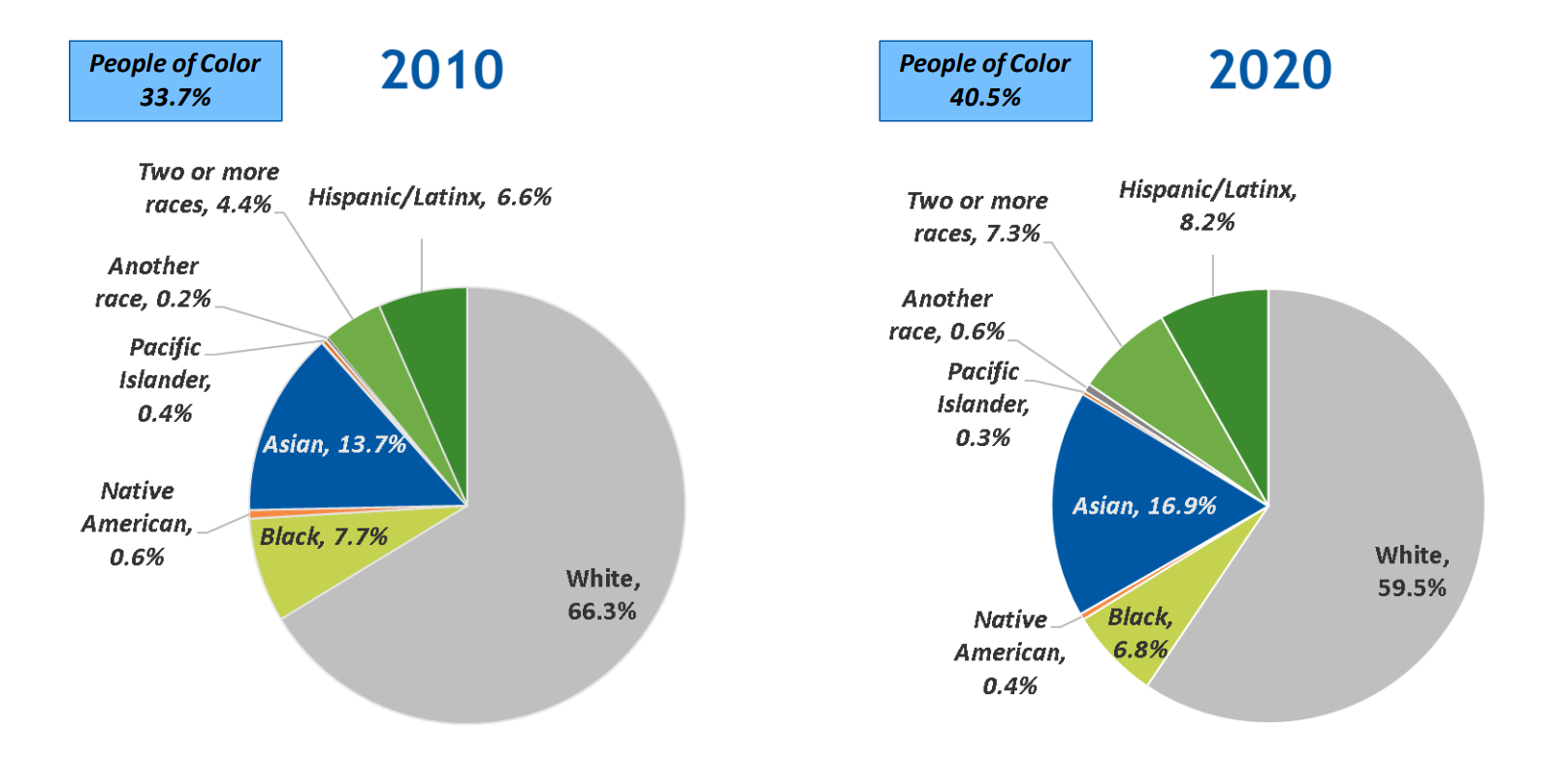
Beyond the sheer numbers, the demographic composition of Seattle offers a fascinating insight into the city’s social and cultural landscape. Like many major American cities, Seattle is a melting pot of ethnicities and backgrounds. The population is increasingly diverse, with significant representation from various Asian communities, as well as substantial Hispanic or Latino, Black or African American, and Native American populations. This diversity enriches the city’s cultural offerings, from its culinary scene to its arts and festivals.
The age distribution of Seattle’s population also tells a story of its economic drivers. The influx of young professionals in the tech sector has contributed to a relatively younger median age compared to many other cities. This demographic trend influences everything from the types of housing in demand to the recreational activities popular within the city. While the city attracts young talent, it also boasts a stable population of families and older residents, contributing to a well-rounded community. Understanding these age brackets is key for urban planners and businesses alike, as it informs the development of services and amenities catering to different life stages.
The educational attainment of Seattle residents is notably high, a reflection of its strong knowledge-based economy and world-class educational institutions like the University of Washington. A significant portion of the population holds at least a bachelor’s degree, which aligns with the city’s emphasis on innovation and skilled labor. This educated workforce is a major draw for companies seeking talent and contributes to Seattle’s reputation as a hub for research and development.
Population Trends and Future Projections
Seattle’s population trajectory has been a subject of considerable analysis and discussion. The city has consistently ranked among the top metropolitan areas for job growth, which directly correlates with its population expansion. However, this rapid growth has also led to significant challenges, most notably in the realm of housing affordability. The demand for housing has outpaced supply, driving up rents and property values, making it increasingly difficult for many to afford to live in the city. This has spurred discussions about urban planning, zoning laws, and the development of more diverse housing options.
Future projections for Seattle’s population indicate a continued, albeit perhaps moderated, growth. Factors such as the continued strength of its key industries, its attractive quality of life, and its natural beauty are expected to sustain its appeal to new residents. However, the city also faces headwinds. Rising costs of living, potential shifts in the tech industry, and environmental concerns could all influence future migration patterns. Urban planners and policymakers are actively working to address these challenges, aiming to create a more sustainable and equitable future for the city and its residents. The city’s ability to adapt and innovate in the face of these demographic shifts will be crucial to its continued success.
The impact of the population on Seattle’s infrastructure is also a critical consideration. A growing population places increased demands on transportation networks, public utilities, and social services. Significant investments are being made in public transit, road improvements, and the expansion of services to accommodate the expanding populace. The city’s commitment to sustainability also plays a role, with efforts to encourage public transportation, cycling, and walking to mitigate the environmental impact of a denser population.
Understanding Seattle Through its People
The population of Seattle is not merely a statistic; it is the lifeblood of the city. It’s the diversity of its people that fuels its innovation, enriches its culture, and shapes its future. From the tech titans shaping the digital world to the artists and entrepreneurs breathing life into its neighborhoods, every resident contributes to Seattle’s unique identity.
For travelers and tourists, understanding the scale of Seattle’s population helps to contextualize the city’s energy and its offerings. Whether it’s navigating the bustling Pike Place Market, exploring the cultural institutions like the Seattle Art Museum, or enjoying the natural beauty of Discovery Park, the presence of millions of people shapes the urban experience. The density of population means a vibrant nightlife, a wide array of dining options, and a constant buzz of activity.
When considering accommodation, the population density influences the availability and types of hotels and short-term rentals. Areas with higher population concentration often feature a greater selection of hotels, from boutique establishments to large convention centers. The demand generated by a large resident population also supports a thriving hospitality industry, offering a wide range of choices for visitors.
The local culture and everyday life in Seattle are, in essence, a reflection of its inhabitants. The city’s progressive values, its passion for coffee culture, its love for the outdoors, and its distinct independent spirit are all shaped by the collective identity of its residents. The population’s preferences and lifestyles influence the city’s trends, from the popularity of craft breweries to the focus on sustainable living.
In conclusion, while the precise population figure of Seattle is a dynamic entity, its significance extends far beyond a simple number. It represents a thriving, growing, and increasingly diverse urban center. This demographic reality is fundamental to understanding Seattle’s economy, its culture, its challenges, and its undeniable appeal as a destination in the Pacific Northwest. The story of Seattle’s population is, ultimately, the story of its people and their collective journey.
LifeOutOfTheBox is a participant in the Amazon Services LLC Associates Program, an affiliate advertising program designed to provide a means for sites to earn advertising fees by advertising and linking to Amazon.com. Amazon, the Amazon logo, AmazonSupply, and the AmazonSupply logo are trademarks of Amazon.com, Inc. or its affiliates. As an Amazon Associate we earn affiliate commissions from qualifying purchases.