
While the question “What’s the population of South Dakota?” might seem straightforward, it opens a gateway to understanding the unique character and allure of this Midwestern gem. South Dakota, a state known for its vast prairies, iconic monuments, and a deep connection to its history, possesses a population that plays a significant role in shaping its identity. As of recent estimates, the population of South Dakota hovers around 1.1 million residents. This number, while modest compared to many other U.S. states, speaks volumes about the state’s appeal to those seeking a different pace of life, a connection to nature, and a sense of community.

Delving into the population statistics of South Dakota is more than just an exercise in numbers; it’s an invitation to explore the communities that call this state home, the economic forces that drive its growth, and the very essence of what makes South Dakota a compelling destination for travelers and residents alike. From the bustling urban centers to the quiet rural landscapes, each person contributes to the rich tapestry of this fascinating state.
Understanding South Dakota’s Demographics and Distribution
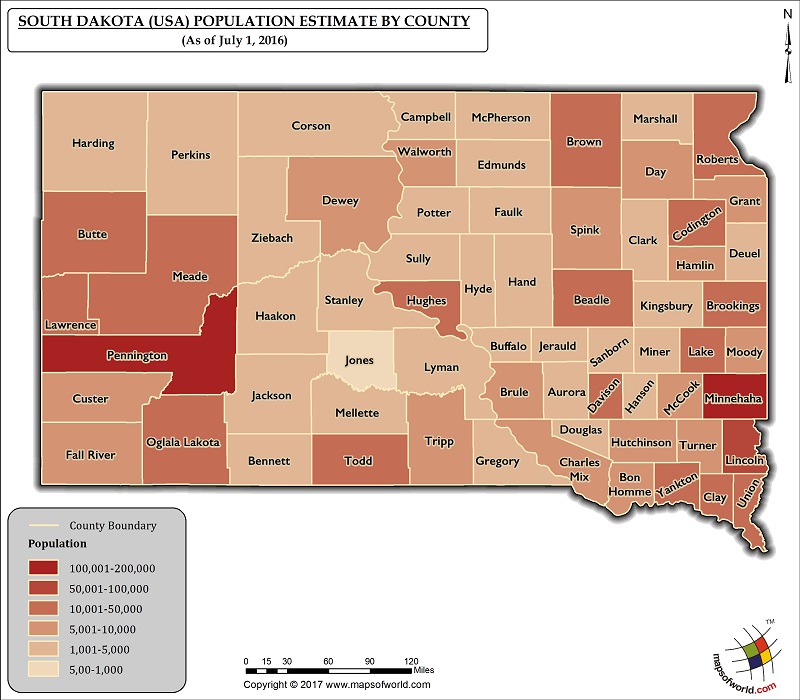
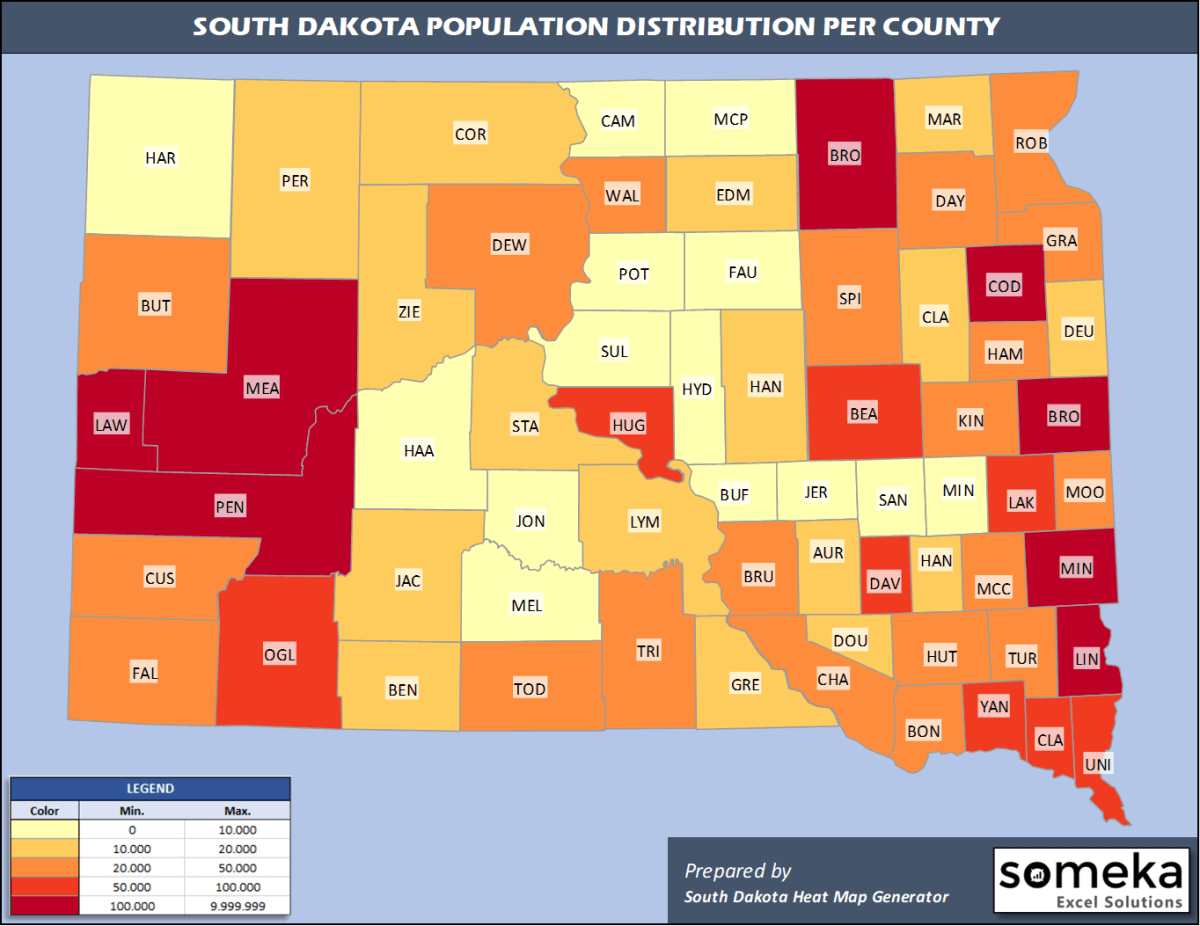
The population of South Dakota, while relatively small, is not uniformly distributed across its expansive geography. Understanding this distribution provides crucial insights into the state’s development, its challenges, and its opportunities. The majority of South Dakotans reside in a few key urban areas, while vast stretches of the state remain sparsely populated, characterized by agricultural lands and natural beauty.
Major Population Centers and Their Influence
The two largest cities in South Dakota, Sioux Falls and Rapid City, serve as the primary hubs for commerce, culture, and population density. Sioux Falls, located in the southeastern part of the state, is the most populous city. Its dynamic economy, driven by sectors such as healthcare, finance, and manufacturing, attracts a diverse range of residents and businesses. The city offers a vibrant urban experience with a growing culinary scene, numerous parks, and cultural institutions, making it a popular destination for both short-term stays and longer-term accommodation. Travelers visiting Sioux Falls can explore attractions like the beautiful Falls Park, where the Big Sioux River cascades over granite formations, and the Sioux Falls SculptureWalk, a unique outdoor art exhibition. The city also boasts a variety of hotels, from well-known chains to charming boutique establishments, catering to every type of traveler.
Further west, Rapid City acts as the gateway to the famed Black Hills region. Its population is significantly influenced by its proximity to iconic landmarks and national parks. Rapid City serves as a vital service center for the surrounding tourist industry, drawing visitors from across the globe. Here, travelers can find a range of lodging options, from comfortable hotels to unique resorts nestled amidst the scenic beauty. The city itself offers a glimpse into the Old West with its historic downtown and serves as a convenient base for exploring nearby attractions such as Mount Rushmore National Memorial, Badlands National Park, and the Crazy Horse Memorial. The population in Rapid City and its surrounding areas is deeply intertwined with the tourism sector, showcasing the state’s ability to leverage its natural and historical assets for economic prosperity.
Beyond these two primary urban centers, other cities like Aberdeen, Brookings, and Pierre, the state capital, contribute to the overall population distribution. Aberdeen, located in the northeastern part of the state, is a significant regional center with a strong agricultural base and a growing educational presence. Brookings, home to South Dakota State University, has a youthful and energetic population, contributing to a lively cultural scene. Pierre, situated on the Missouri River, is the political heart of South Dakota and maintains a more modest population, focused on government and administrative functions.
The distribution of South Dakota’s population highlights a common pattern in many geographically large states: a concentration of residents in urban centers and a more dispersed presence in rural areas. This distribution influences everything from infrastructure development and healthcare access to educational opportunities and the types of tourism experiences that are most prevalent. Understanding where people live provides context for the state’s economic strategies and its unique way of life.
Rural Life and the Agricultural Backbone
The vast majority of South Dakota‘s landmass is dedicated to agriculture, and this rural character is a defining feature of the state. While cities offer modern amenities and bustling activity, the heart of South Dakota beats in its sprawling farms and ranches. The population in these rural areas is deeply connected to the land, with a strong sense of community and a heritage rooted in farming and ranching.
The agricultural sector is not only a way of life for many South Dakotans but also a cornerstone of the state’s economy. From corn and soybeans to cattle and wheat, the fertile plains produce a significant portion of the nation’s food supply. This reliance on agriculture shapes the lifestyle, traditions, and even the architecture of rural South Dakota. Many of the local festivals and community events are tied to the agricultural calendar, celebrating harvests and the enduring spirit of the land.
For travelers seeking an authentic glimpse into the heartland of America, venturing into rural South Dakota offers unparalleled experiences. This type of travel often involves staying in charming bed and breakfasts, experiencing local diners serving hearty, home-style meals, and exploring small towns where neighbors know each other by name. The slow pace of life, the wide-open skies, and the friendly disposition of the residents create a sense of peace and connection that is hard to find elsewhere.
The lifestyle in these rural areas often embodies a blend of traditional values and modern innovation. While the connection to the land remains paramount, farmers and ranchers in South Dakota are increasingly embracing technology and sustainable practices to ensure the longevity of their operations and the preservation of the environment. This commitment to stewardship is evident in the pristine landscapes and the continued vitality of the agricultural communities.
The population of South Dakota is, therefore, a fascinating dichotomy. It’s a state that embraces both the dynamism of its growing cities and the timeless traditions of its rural heartland. This balance is what makes South Dakota a unique and appealing destination, offering a diverse range of experiences that cater to different preferences and interests. Whether you’re drawn to the urban attractions of Sioux Falls or the serene beauty of the prairie, the spirit of South Dakota is woven into the fabric of its people and the land they inhabit.
Tourism and Population: A Symbiotic Relationship
The population of South Dakota, both its residents and its transient visitors, is intrinsically linked to the state’s thriving tourism industry. The unique attractions, from natural wonders to historical landmarks, draw millions of people each year, significantly impacting the local economy and the overall visitor experience.
Iconic Attractions and Visitor Numbers
South Dakota boasts a collection of world-renowned landmarks that are central to its tourism appeal. The most prominent of these is undoubtedly Mount Rushmore National Memorial, a monumental sculpture carved into the granite face of Black Elk Peak. This iconic symbol of American patriotism attracts millions of visitors annually, many of whom travel to the state specifically to witness its grandeur. The presence of such a significant attraction naturally influences the population dynamics of nearby areas, particularly Rapid City, which serves as a primary gateway for visitors to the Black Hills.
Complementing Mount Rushmore are other significant attractions that contribute to South Dakota‘s tourism draw. The Badlands National Park, with its dramatic and otherworldly landscape of eroded buttes, pinnacles, and spires, offers a stark contrast to the rolling prairies and draws nature enthusiasts and photographers alike. Nearby, the Crazy Horse Memorial, a colossal mountain carving in progress dedicated to the Lakota warrior Crazy Horse, provides a profound cultural and historical experience, honoring the rich heritage of the Native American tribes of the region.
The Custer State Park is another major draw, renowned for its stunning scenic drives, abundant wildlife, and crystal-clear lakes. Visitors can experience a true taste of the wild West, encountering herds of bison, pronghorn, and prairie dogs roaming freely. The park’s lodges and cabins offer a unique opportunity for visitors to immerse themselves in the natural beauty, providing a different kind of accommodation experience than a typical city hotel.
The sheer volume of visitors to these attractions creates a seasonal surge in the population of certain areas. During peak tourist seasons, hotels in Rapid City, Keystone, and other gateway towns experience high occupancy rates. Restaurants, souvenir shops, and adventure tour operators all see a significant boost in business. This symbiotic relationship means that the tourism sector is not just an industry in South Dakota; it’s a vital component of the state’s economy and its identity.
Accommodation and Lifestyle Choices for Visitors
The diverse range of attractions in South Dakota caters to a wide spectrum of traveler lifestyles, influencing the types of accommodation available and the overall visitor experience. Whether one prefers the luxury of a resort, the convenience of a modern hotel, or the rustic charm of a cabin, South Dakota offers options to suit every preference and budget.
In the vicinity of Mount Rushmore and Custer State Park, visitors can find a variety of lodging. Resorts like the State Game Lodge within Custer State Park offer a more immersive experience in nature, often providing guided tours and activities. For those seeking comfort and amenities closer to the attractions, numerous hotels and motels are available in towns like Keystone and Hill City. These establishments often feature amenities catering to families, such as swimming pools and kid-friendly dining options.
Beyond the immediate vicinity of the major landmarks, South Dakota‘s tourism landscape extends to its cities and smaller towns. Sioux Falls, for example, offers a more urban lodging experience, with a wider selection of boutique hotels, suites, and apartments for longer stays. These accommodations are ideal for travelers interested in exploring the city’s cultural offerings, its burgeoning culinary scene, and its numerous parks and recreational areas. The choice of accommodation in Sioux Falls often aligns with a lifestyle that blends urban exploration with a desire for comfort and convenience.
For travelers interested in budget travel, South Dakota provides numerous camping options within its state and national parks, offering an affordable and immersive way to experience the natural beauty. Hostels are less common but can be found in larger towns, providing social and economical stays. The emphasis on outdoor activities, such as hiking, biking, and fishing, makes camping and simpler lodging choices particularly appealing to a segment of visitors.
The lifestyle choices of travelers in South Dakota are as varied as the landscapes themselves. Luxury travelers might opt for high-end resorts with spa services and fine dining, while family trips often prioritize convenience and activities that appeal to all ages. Business travelers visiting cities like Sioux Falls will find modern hotels with conference facilities and easy access to business districts. This diversity in visitor needs and preferences ensures that South Dakota‘s tourism infrastructure is constantly evolving to meet the demands of its growing visitor population. The interaction between the resident population and the influx of tourists creates a dynamic environment that benefits local communities and enhances the overall appeal of the state.
LifeOutOfTheBox is a participant in the Amazon Services LLC Associates Program, an affiliate advertising program designed to provide a means for sites to earn advertising fees by advertising and linking to Amazon.com. Amazon, the Amazon logo, AmazonSupply, and the AmazonSupply logo are trademarks of Amazon.com, Inc. or its affiliates. As an Amazon Associate we earn affiliate commissions from qualifying purchases.