
The vibrant Southwest of the United States is home to the majestic Grand Canyon State, Arizona – a land of stark desert beauty, towering saguaros, and breathtaking mountain landscapes. Beyond its iconic natural wonders and bustling urban centers, Arizona is also a state experiencing dynamic growth, making its population figures a fascinating indicator of its evolving appeal. For travelers, hoteliers, and those interested in the broader tourism and lifestyle landscape, understanding Arizona’s demographic profile offers crucial insights into its character, infrastructure, and future potential.
As of the latest estimates, the population of the State of Arizona stands at approximately 7.4 million people. This figure reflects a significant increase over the past decade, solidifying Arizona’s position as one of the fastest-growing states in the nation. This growth isn’t just a number; it translates into a dynamic cultural mosaic, a burgeoning economy, and an ever-expanding array of amenities and experiences that directly impact the travel and tourism sectors. From the sprawling metropolis of Phoenix to the artistic enclaves of Sedona and the historic charm of Tucson, each corner of Arizona tells a story shaped by its residents and visitors.

Arizona’s Growing Appeal: A Demographic Overview
The consistent influx of new residents to Arizona is a testament to its multifaceted allure. People are drawn to the state for a myriad of reasons, from its sun-drenched climate and stunning natural beauty to its robust job market and comparatively affordable lifestyle. This demographic expansion has profound implications for every aspect of the state, including its capacity to host tourists, the diversity of its cultural offerings, and the types of accommodations available.
Unpacking the Latest Population Figures
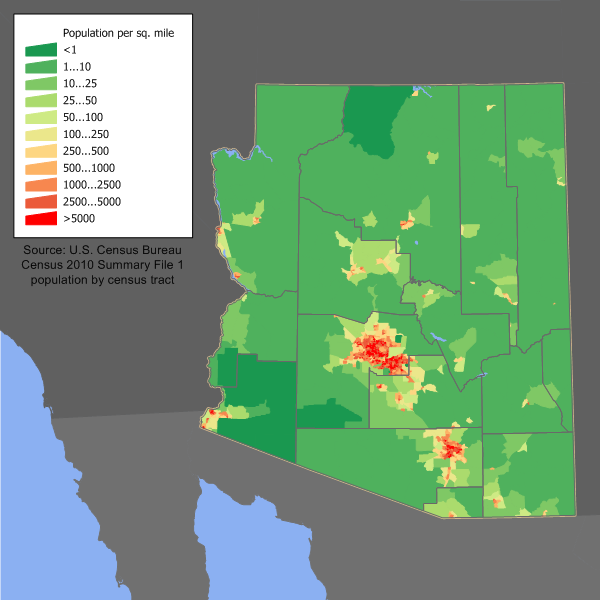
While the exact population count is always in flux, driven by birth rates, death rates, and migration patterns, the approximately 7.4 million residents of Arizona represent a diverse cross-section of communities. The majority of the population is concentrated in the two major metropolitan areas: the Phoenix metropolitan area (also known as the Valley of the Sun) and the Tucson metropolitan area. These urban centers act as economic engines and cultural hubs, attracting both domestic and international migrants seeking new opportunities and a higher quality of life.
The Phoenix area alone is home to over 4.9 million people, encompassing major cities such as Mesa, Chandler, Scottsdale, Glendale, Gilbert, and Tempe. This concentration of population translates into a vibrant urban lifestyle, replete with world-class dining, shopping, arts, and entertainment, all of which enhance the visitor experience. Tucson, to the south, with over 1 million residents in its metro area, offers a distinct blend of Sonoran Desert culture, historic architecture, and a strong culinary scene, designated as a UNESCO City of Gastronomy.
Beyond these major urban centers, smaller cities like Flagstaff in the north, known for its cooler climate and proximity to the Grand Canyon, and Yuma in the southwest, a popular winter haven for snowbirds, also contribute significantly to the state’s population and unique character. This distribution of people across diverse geographic and climatic zones underscores Arizona’s ability to offer a wide range of lifestyles and travel experiences, from desert warmth to mountain snow.
The Dynamics of Growth: What Attracts New Residents?
Several key factors contribute to Arizona’s sustained population growth. The state’s economic landscape, particularly in sectors like technology, aerospace, healthcare, and advanced manufacturing, has created numerous job opportunities. Major companies continue to establish or expand their presence, drawing in a skilled workforce. Furthermore, the allure of Arizona’s climate, especially during the colder months in other parts of the United States and Canada, attracts retirees and those seeking a more pleasant living environment.
The quality of life in Arizona is another significant draw. With abundant sunshine, access to incredible natural parks like Grand Canyon National Park, Saguaro National Park, and Petrified Forest National Park, and a relatively lower cost of living compared to coastal states, Arizona presents an attractive option for families and individuals. This population boom directly fuels the expansion of tourism infrastructure, from new hotels and resorts to diverse dining options and cultural venues, all catering to a growing and increasingly sophisticated market.
Population and Tourism: A Symbiotic Relationship in the Grand Canyon State
The relationship between Arizona’s population and its thriving tourism industry is deeply symbiotic. A growing population not only provides a larger local customer base for tourism-related businesses but also contributes to the cultural richness and diversity that attracts visitors from around the globe. The vibrant communities that emerge from this growth offer more compelling reasons for travelers to explore beyond the traditional landmarks, delving into local culture, food, and activities.
Major Urban Hubs: Gateways to Adventure and Culture
The large population centers like Phoenix and Tucson serve as crucial gateways for tourists. Phoenix Sky Harbor International Airport, one of the busiest airports in the country, connects millions of passengers to Arizona each year. These cities are not just transit points; they are destinations in themselves, offering a wealth of attractions and experiences.
In Phoenix, visitors can explore the Desert Botanical Garden, hike Camelback Mountain or South Mountain Park and Preserve, delve into art at the Heard Museum or Musical Instrument Museum, and experience the vibrant nightlife of Old Town Scottsdale. The presence of a large local population supports a thriving restaurant scene, a diverse calendar of events, and a multitude of shopping opportunities, from upscale boutiques to sprawling outdoor malls. This dense population ensures that there is always something happening, enriching the overall visitor experience.
Tucson, with its rich Mexican and Native American influences, offers a distinct cultural flavor. Visitors can wander through the historic Barrio Viejo, explore the Mission San Xavier del Bac, or immerse themselves in the natural beauty of Saguaro National Park, which borders the city. The city’s growing population has fostered a creative arts scene and a culinary landscape renowned for its authentic Sonoran cuisine, attracting foodies and culture enthusiasts alike.
From Desert Oases to Mountain Retreats: Diverse Lifestyles and Attractions
Beyond the major cities, Arizona’s population is distributed in ways that highlight the state’s incredible geographical diversity. The cooler climate and pine forests of Flagstaff appeal to those seeking outdoor adventures, offering skiing in winter and hiking in summer. The mystical red rock landscapes of Sedona attract spiritual seekers and outdoor enthusiasts, boasting a robust community of artists and wellness practitioners. These smaller, yet significant, population centers contribute unique flavors to Arizona’s tourism tapestry.
This demographic spread supports a wide array of attractions:
- Natural Wonders: The aforementioned national parks, along with landmarks like Monument Valley and Antelope Canyon, draw millions. The presence of nearby towns and cities (even if smaller) provides essential services and accommodations for these visitors.
- Man-Made Marvels: The engineering feat of the Hoover Dam on the border with Nevada and the transplanted London Bridge in Lake Havasu City showcase different aspects of Arizona’s appeal, each supported by a local population that benefits from tourism.
- Historical Sites: Tombstone, the “Town Too Tough to Die,” provides a vivid glimpse into the Wild West, preserved and maintained by a community dedicated to its heritage.
The varying population densities across the state mean that visitors can choose from bustling city breaks to tranquil wilderness retreats, each experience shaped by the local residents and the infrastructure they’ve built.
Navigating Arizona: Infrastructure, Accommodation, and Visitor Experience
The growing population of Arizona directly correlates with the development and expansion of its infrastructure, particularly in hospitality and transportation. As more people choose to live and visit Arizona, the demand for high-quality accommodation, efficient travel networks, and diverse amenities surges, leading to continuous investment and innovation in these areas.
Hotels and Resorts: Catering to a Diverse Influx
The hospitality sector in Arizona has flourished in response to both residential and tourist growth. In major cities like Phoenix and Scottsdale, luxury resorts and boutique hotels offer world-class amenities, spas, golf courses, and fine dining experiences. These establishments often cater to a blend of leisure travelers, business guests, and local residents seeking staycations or event venues. The proliferation of suites, resorts, apartments, and villas reflects the varied needs and preferences of a diverse clientele.
Beyond the high-end options, a wide range of hotels caters to different budgets and travel styles, from family-friendly chains to charming bed and breakfasts in smaller towns. The emphasis on booking convenience, transparent reviews, and easy comparison tools online has become paramount for travelers planning their stays in a competitive market. Furthermore, the concept of long-term stays is gaining traction, particularly in areas frequented by seasonal residents or business travelers on extended assignments, further showcasing the adaptability of Arizona’s accommodation sector.
Lifestyle and Leisure: Experiences Shaped by Community
The population’s demographic makeup and lifestyle preferences significantly influence the types of tourism experiences available. Arizona’s active outdoor lifestyle, driven by its sunny climate, is evident in the abundance of hiking trails, golf courses, and water sports opportunities on lakes like Lake Pleasant. This active community provides a ready market for adventure tourism and contributes to the overall energetic atmosphere of the state.
The burgeoning arts and culture scene in cities like Phoenix and Tucson reflects a growing and diverse population that values cultural enrichment. Museums, galleries, live music venues, and performing arts centers thrive, offering visitors an authentic glimpse into the state’s creative spirit. The popularity of luxury travel experiences, such as high-end spa retreats and exclusive golf resorts, is supported by a segment of the population that appreciates and invests in these amenities, as well as by affluent visitors. Conversely, the state also caters to budget travelers, family trips seeking wholesome fun, and business stays requiring efficient, comfortable facilities. The diversity of Arizona’s population ensures that there’s a niche for every type of traveler and a wide range of lifestyle choices to explore.

The Future of Arizona: Sustainable Growth and Continued Allure
Looking ahead, Arizona’s population is projected to continue its upward trajectory, albeit with a keen focus on sustainable development. The state faces challenges related to water management, urban planning, and preserving its natural landscapes in the face of rapid expansion. However, these challenges are also met with innovative solutions and a commitment to maintaining the quality of life that attracts so many.
The continued growth will undoubtedly fuel further expansion in the tourism sector. As the population becomes more diverse, so too will the range of cultural events, culinary offerings, and niche travel experiences available. Arizona will remain a magnet for those seeking both thrilling adventures and serene escapes, benefiting from its unique blend of natural beauty, dynamic urban centers, and a welcoming community. From exploring geological wonders like Kartchner Caverns State Park to understanding space exploration at Biosphere 2, or discovering the intricate beauty of Organ Pipe Cactus National Monument, the opportunities for discovery are endless.
In conclusion, Arizona’s population of approximately 7.4 million is more than just a statistic; it’s a living, breathing testament to the state’s enduring appeal. This demographic vitality shapes everything from the vibrancy of its cities and the richness of its cultural fabric to the expansive infrastructure that supports its booming tourism industry. For anyone looking to travel, invest, or simply experience a unique lifestyle, Arizona offers a dynamic and evolving landscape promising continued growth and unforgettable experiences.
LifeOutOfTheBox is a participant in the Amazon Services LLC Associates Program, an affiliate advertising program designed to provide a means for sites to earn advertising fees by advertising and linking to Amazon.com. Amazon, the Amazon logo, AmazonSupply, and the AmazonSupply logo are trademarks of Amazon.com, Inc. or its affiliates. As an Amazon Associate we earn affiliate commissions from qualifying purchases.