
Florida, often affectionately known as the Sunshine State, is a beacon for those seeking warmth, vibrant culture, and unparalleled natural beauty. Beyond its reputation as a premier travel destination, it’s also a rapidly growing state, constantly attracting new residents with its promise of a unique lifestyle and abundant opportunities. The question of “What’s the population of the State of Florida?” is more than just a statistical query; it’s an inquiry into the dynamic forces shaping one of the United States‘ most captivating regions, influencing everything from its bustling travel industry to its diverse accommodation landscape and the very fabric of its local culture.
Understanding Florida’s population isn’t merely about numbers; it’s about comprehending the immense draw that makes millions choose this peninsular paradise as their home or their preferred vacation spot. This demographic vibrancy directly impacts the state’s tourism infrastructure, the availability and variety of hotels and resorts, the preservation of its iconic landmarks, and the evolving lifestyles of its inhabitants. Let’s delve into the fascinating story of Florida’s population, exploring its current status, the reasons behind its explosive growth, and the profound implications for travelers, residents, and the state’s future.
Florida’s Dynamic Population: A Snapshot
Florida’s population story is one of consistent and often remarkable growth, placing it among the fastest-expanding states in the nation. This demographic surge is a primary driver behind the constant evolution of its cities, the expansion of its infrastructure, and the ceaseless innovation within its hospitality and tourism sectors.
Current Figures and Growth Trends
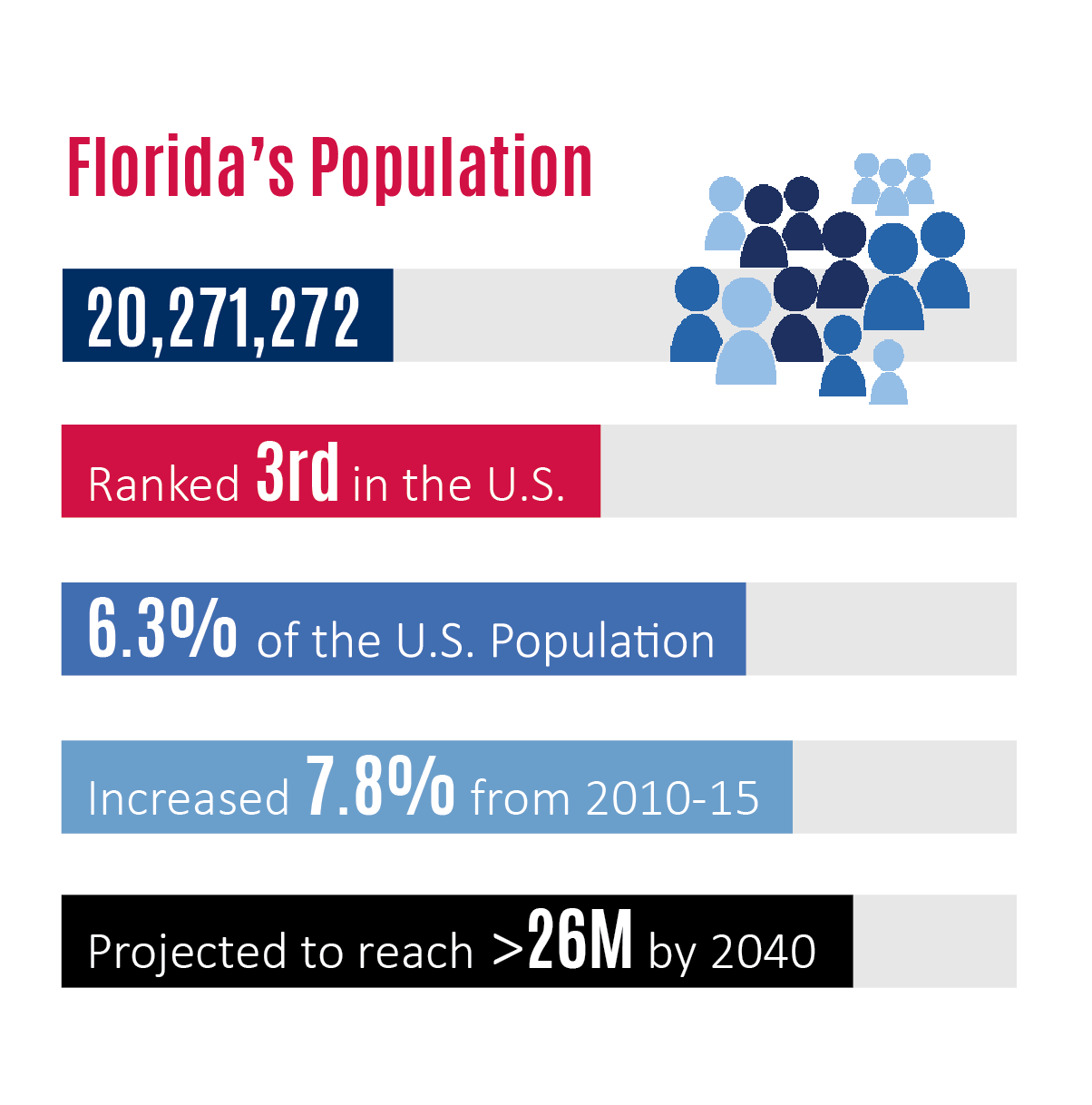
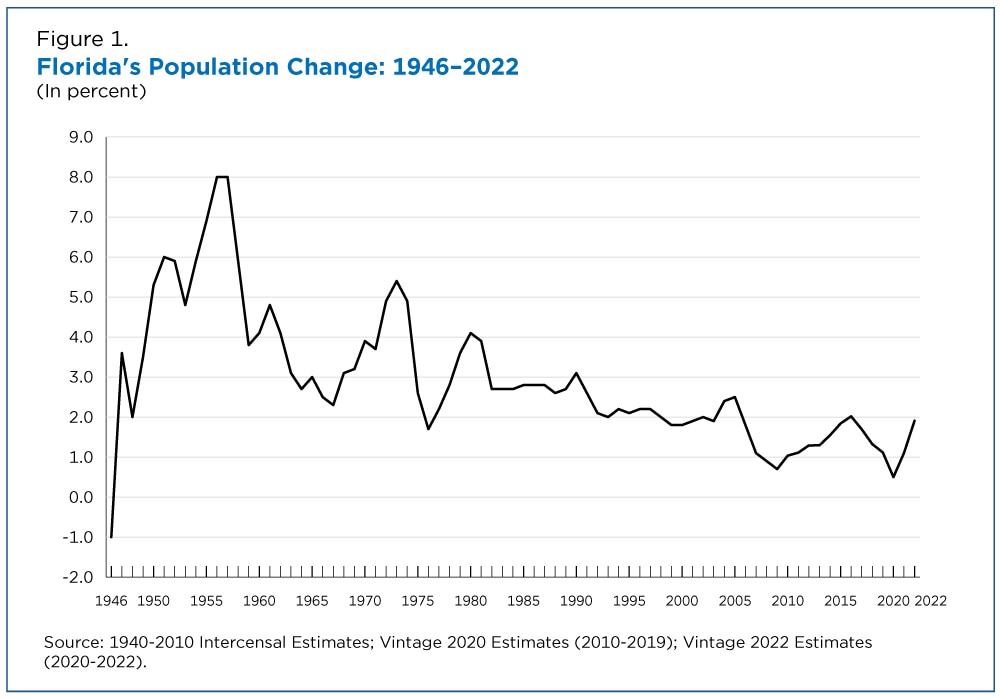
As of recent estimates, the population of Florida hovers around 22.6 million residents, solidifying its position as the third most populous state in the United States, behind only California and Texas. This figure represents a significant increase over the past decade, with Florida consistently adding hundreds of thousands of new residents each year. The growth rate frequently outpaces the national average, attracting people from across the country and around the globe.
This steady influx isn’t a new phenomenon; Florida has been a magnet for migration for decades, initially drawing retirees seeking sun-drenched winters, and now a far more diverse array of individuals and families. The pace of this growth has presented both exciting opportunities and unique challenges, fundamentally shaping the state’s character and its offerings for both residents and visitors alike.
Demographic Shifts and Driving Factors
The composition of Florida’s population is as diverse and vibrant as its landscape. While retirees still constitute a significant portion of new arrivals, especially in regions like Southwest Florida, the state is increasingly attracting younger professionals, families, and entrepreneurs. Major metropolitan areas like Miami, Orlando, Tampa, and Jacksonville are experiencing booms driven by job creation in technology, finance, healthcare, and of course, the ever-expanding tourism industry.
Several key factors contribute to this sustained population growth:
- Economic Opportunity: Florida boasts a robust and diversified economy, particularly strong in tourism, aviation, aerospace, logistics, international trade, and agriculture. The absence of a state income tax is also a significant draw for individuals and businesses.
- Climate and Lifestyle: The allure of year-round sunshine, warm temperatures, and abundant outdoor activities remains a primary magnet. From pristine beaches on the Gulf Coast and Atlantic Coast to sprawling golf courses and natural parks like Everglades National Park, Florida offers a lifestyle centered around leisure and well-being.
- Affordability (Relative): While housing costs have risen, particularly in major cities, Florida has historically offered more affordable living options compared to states like California or New York, although this gap is narrowing.
- Diversity and Culture: The state’s rich tapestry of cultures, heavily influenced by Latin American and Caribbean communities, particularly in Southeast Florida, creates a vibrant and welcoming environment. This cultural fusion enriches local cuisine, music, arts, and festivals, offering unique experiences for both residents and tourists.
- Infrastructure and Amenities: Continuous investment in transportation networks, healthcare facilities, and educational institutions makes the state attractive for long-term residency.
These demographic shifts are not just statistics; they are the human stories behind the transformation of Florida, influencing every aspect of life, from the demand for luxury travel experiences to the need for accessible long-term accommodation.
Population and the Pillars of Florida Tourism
The symbiotic relationship between Florida’s burgeoning population and its world-renowned tourism industry cannot be overstated. Each influences the other in a perpetual cycle of growth and adaptation. A larger population provides a steady base for local tourism, while the industry itself draws more people to settle in the state.
The Magnetism of Destinations and Attractions
Florida’s appeal as a top travel destination is intricately linked to its demographic profile. The sheer number of residents provides a consistent local market for attractions and services, ensuring their viability even during off-peak tourist seasons. However, it’s the millions of tourists drawn to the state each year that truly define its global tourism standing. These visitors are drawn by a host of iconic destinations, many of which owe their scale and sophistication to the constant flow of people through the state.
- Theme Park Capital: Orlando, in Central Florida, is the undisputed theme park capital of the world, home to giants like Walt Disney World Resort and Universal Studios Florida. The continuous expansion and innovation at these parks are driven by both the resident population’s leisure spending and the millions of tourists they attract annually. The presence of such massive entertainment complexes contributes significantly to the population density and economic vitality of the Orlando metropolitan area.
- Coastal Charms: The miles of pristine beaches along both the Atlantic Coast and Gulf Coast are major draws. From the vibrant energy of South Beach in Miami Beach to the tranquil beauty of the Florida Keys and the family-friendly shores of Clearwater Beach and Siesta Key, these coastal areas attract visitors and new residents alike. The demand for beachfront hotels, resorts, and vacation rentals in these areas is directly proportional to the population’s desire for coastal living and leisure.
- Historical and Natural Wonders: Beyond the beaches and theme parks, Florida boasts rich historical sites like St. Augustine, the nation’s oldest continuously inhabited European-established settlement, and natural marvels such as the unique ecosystem of Everglades National Park and the space exploration hub of Kennedy Space Center Visitor Complex on the Space Coast. These landmarks contribute to the diverse tourism offerings, drawing specific niches of travelers and often influencing where people choose to settle for proximity to their interests.
The growth in Florida’s population also leads to a diversification of its tourism offerings. As communities grow, so does their local culture – new restaurants emerge, art scenes flourish, and unique local activities become available. This enriches the overall tourism experience, offering more authentic and varied options beyond the well-trodden paths.
Accommodating the Influx: Hotels and Housing
One of the most immediate and significant impacts of Florida’s population growth, both resident and transient, is on its accommodation sector. The demand for hotels, resorts, vacation rentals, and long-term housing is consistently high, driving innovation and expansion across the state.
- Booming Hotel Industry: From opulent luxury resorts in Palm Beach and Naples to budget-friendly motels near theme parks and boutique hotels in historic districts, Florida’s hotel landscape is vast and constantly expanding. New hotels are continually being built to keep pace with the influx of tourists, while existing properties undergo renovations and expansions. This competitive market ensures a wide array of options for travelers, catering to every preference and budget.
- Resorts and Suites for Every Lifestyle: The state is synonymous with resort living. Whether it’s a family-friendly resort near Walt Disney World, an exclusive spa resort on Amelia Island, or a golf resort in Sarasota, these establishments are designed to cater to diverse lifestyle preferences. The population growth provides a steady clientele for these establishments, both from tourists and from Floridians seeking staycations. Many new residents initially explore Florida through resort stays before deciding to make a permanent move.
- The Rise of Vacation Rentals and Long-Term Stays: Beyond traditional hotels, the popularity of vacation rentals (apartments, villas, homes) has skyrocketed, fueled by platforms connecting property owners with travelers. This trend is particularly evident in tourist hotspots like Orlando, Kissimmee and coastal towns. For those considering a longer stay or even a relocation, these options provide a taste of local living. Furthermore, with an increasing number of snowbirds and remote workers, demand for long-term accommodation, including furnished apartments and extended-stay hotels, has seen significant growth, directly linking back to the demographic trend of people spending more time in Florida.
- Residential Real Estate: The impact extends beyond temporary stays to permanent housing. The booming population has led to rapid development of new residential communities across the state, from urban high-rises in Fort Lauderdale and St. Petersburg to sprawling suburban developments. This growth in housing directly impacts the landscape, economy, and available amenities for both residents and visitors.
The intertwining of population dynamics and accommodation options creates a vibrant ecosystem where demand constantly pushes the boundaries of supply, leading to a diverse and evolving set of choices for anyone looking to visit or reside in Florida.
Lifestyle, Economy, and Future Outlook
Florida’s population isn’t just a number; it represents a mosaic of lifestyles, economic aspirations, and a vision for the future. The sheer volume and diversity of people choosing Florida as their home or destination significantly shapes its socio-economic fabric.
Diverse Lifestyles and Travel Preferences
The demographic makeup of Florida directly translates into a wide spectrum of lifestyles and, consequently, varied travel preferences. This diversity ensures that the state caters to virtually every type of traveler.
- Luxury Travel: With an influx of affluent residents and visitors, especially in areas like South Florida, the demand for luxury travel experiences is robust. This includes high-end resorts, private yacht charters, gourmet dining, designer shopping, and exclusive experiences in cities like Miami, Palm Beach, and Boca Raton. The presence of a significant wealthy population helps sustain this high-end market.
- Budget-Friendly Adventures: At the other end of the spectrum, the state’s popularity also attracts budget-conscious travelers and residents. Many seek out affordable accommodations, free natural attractions, and cost-effective ways to enjoy the Florida sunshine. The variety of state parks, free beach access, and diverse dining options cater to this segment.
- Family Trips: Florida remains a quintessential destination for family trips, largely due to its world-class theme parks and family-friendly beaches. The state’s large resident family population also contributes to a thriving local market for family entertainment and activities.
- Business Stays and Conventions: Major cities like Orlando, Miami, and Tampa are significant hubs for conventions and business travel. The growing professional population in these areas further fuels the demand for business-oriented hotels, meeting spaces, and related services, contributing to the year-round vitality of the tourism sector.
- Retirement Living and Snowbirds: The original demographic magnet for Florida – retirees and “snowbirds” (seasonal residents) – continues to be a crucial segment. This group often seeks long-term stays, accessible amenities, and communities designed for active adult living, influencing the development of specific types of accommodation and services in regions like Southwest Florida, Fort Myers, and Naples.
This mosaic of lifestyles ensures that Florida’s travel and tourism industry is remarkably resilient and adaptable, constantly evolving to meet the nuanced demands of its diverse populace and visitor base.
Economic Impact and Infrastructure Challenges
The rapid population growth in Florida has profound economic implications, largely positive, but also presenting significant challenges. Economically, a larger population means a larger workforce, increased consumer spending, and a broader tax base, all contributing to a vibrant economy. The construction industry, real estate, and the service sector, particularly tourism and hospitality, are direct beneficiaries. The state’s GDP has consistently grown, supported by this demographic expansion.
However, such rapid growth is not without its hurdles. The burgeoning population places immense strain on existing infrastructure. Traffic congestion, especially in metropolitan areas and during peak tourist seasons, is a persistent issue. The demand for new roads, public transportation, and utilities like water and electricity is constant. Public services, including schools and healthcare facilities, must continuously expand to meet the needs of a growing populace. Environmental concerns also arise, as development expands into natural habitats, putting pressure on Florida’s delicate ecosystems and iconic natural landmarks. Balancing economic growth with environmental preservation is a continuous and critical task for state and local governments.

Sustaining Growth and Preserving Florida’s Charm
Looking ahead, the question for Florida isn’t if its population will continue to grow, but how it will manage that growth sustainably while preserving the very charm and natural beauty that draws people to it. Strategic planning is crucial for the future of Florida’s travel and tourism sectors, as well as for its residents.
- Sustainable Development: Future development must prioritize sustainable practices, ensuring that natural resources are protected and urban expansion is thoughtfully managed. This includes investing in green infrastructure, protecting vital wetlands, and promoting eco-tourism that respects the environment.
- Infrastructure Investment: Continuous investment in modernizing and expanding transportation networks, public transit, and smart city technologies will be essential to accommodate the increasing population and visitor numbers.
- Diverse Tourism Offerings: Encouraging the development of new attractions and experiences beyond the most popular ones can help distribute tourist traffic and promote local economies in lesser-known areas, such as the Florida Panhandle or towns along the St. Johns River. This also enriches the experience for returning visitors and residents.
- Community Engagement: Involving local communities in tourism planning and development is vital to ensure that growth benefits residents and preserves the unique character of Florida’s towns and cities, from the historic streets of Daytona Beach to the artsy vibe of St. Petersburg.
In conclusion, Florida’s population of approximately 22.6 million is not just a statistical milestone; it’s a living, breathing testament to the state’s enduring appeal. This vibrant demographic reality is the bedrock upon which Florida’s world-class travel, hotel, and tourism industries are built. It shapes the lifestyles of its residents, influences the preservation of its landmarks, and dictates the pace of its development. As Florida continues to grow, its ability to gracefully manage this expansion will determine its continued success as a coveted destination for both visitors and those seeking to call the Sunshine State home.
LifeOutOfTheBox is a participant in the Amazon Services LLC Associates Program, an affiliate advertising program designed to provide a means for sites to earn advertising fees by advertising and linking to Amazon.com. Amazon, the Amazon logo, AmazonSupply, and the AmazonSupply logo are trademarks of Amazon.com, Inc. or its affiliates. As an Amazon Associate we earn affiliate commissions from qualifying purchases.