
Planning a trip to the Sunshine State? Whether you’re dreaming of sun-kissed beaches, thrilling theme parks, or vibrant urban adventures, a visit to Florida promises unforgettable experiences. From the bustling streets of Miami to the magical kingdoms of Orlando, and the serene beauty of the Florida Keys, this diverse state offers something for every traveler. However, amidst the excitement of planning your itinerary and booking your ideal accommodation, one crucial detail often overlooked is the impact of sales tax. Understanding Florida’s sales tax system is essential for accurate budgeting, ensuring your dream vacation doesn’t come with unexpected financial surprises. This comprehensive guide will break down the intricacies of sales tax in Florida, covering everything from statewide rates and local surtaxes to how it affects your hotel stays, dining experiences, shopping sprees, and overall travel lifestyle.
Understanding Florida’s Sales Tax System
At its core, Florida’s sales tax is a consumption tax, meaning it’s applied to the purchase of most goods and services within the state. Unlike some other states in the United States that have income taxes, Florida relies heavily on sales tax revenue, making it a significant component of the state’s economy and, consequently, a key consideration for both residents and visitors.
The Statewide Sales Tax Rate
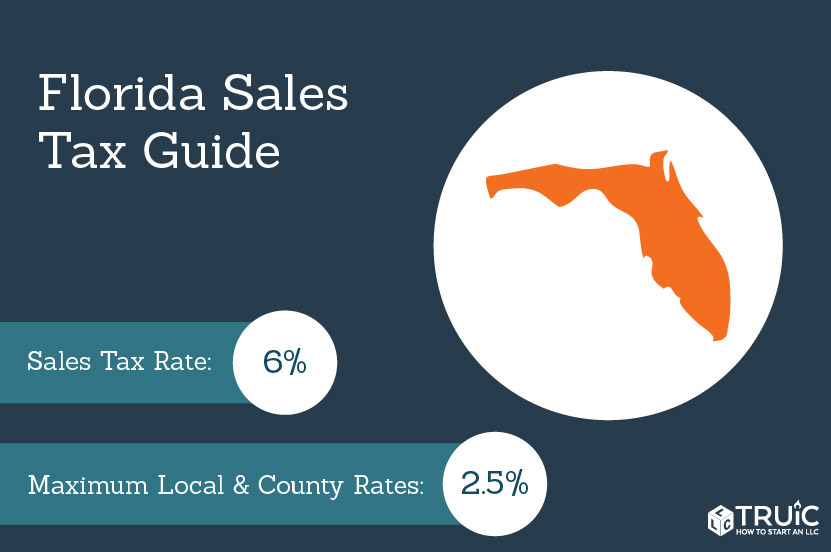
The state of Florida imposes a standard sales tax rate of 6%. This rate applies to the sale of most tangible personal property, admissions, and certain services. When you buy a souvenir t-shirt, a new pair of sunglasses, or even a meal at a restaurant, you can expect this 6% to be added to the price. This consistent statewide rate provides a baseline for understanding your expenses, but it’s only part of the picture.
Local Option Surtaxes: A County-by-County Breakdown
What often complicates budgeting for sales tax in Florida is the addition of local option surtaxes, also known as discretionary sales surtaxes. These are county-specific taxes that are levied on top of the statewide 6% sales tax. Every one of Florida’s 67 counties has the authority to implement these surtaxes, and the rates can vary significantly, typically ranging from 0.5% to 1.5%.
For example, Miami-Dade County (which includes Miami and Miami Beach) has an additional surtax, making the total sales tax higher than in, say, Collier County (home to Naples), which might have a different surtax rate or none at all. This means that an item priced at $100 could cost you $106 in a county with only the state sales tax, but $107 or more in a county with a 1% or higher local surtax.
This variability is crucial for travelers who plan to visit multiple destinations across the state. A road trip from Jacksonville down to the Florida Keys will likely involve navigating different total sales tax rates as you pass through various counties. Keeping an eye on the specific county you’re in will help you understand the final price of your purchases, whether it’s a gourmet meal, a hotel stay, or a new outfit for an evening out. Always check the current surtax rate for your specific destination to get the most accurate estimate of your expenditures.
How Sales Tax Impacts Your Florida Experience
Beyond the basic purchase of goods, sales tax significantly influences various aspects of your travel and lifestyle in Florida. From where you sleep to what you eat and how you get around, sales tax plays a role in almost every transaction.
Accommodation: Hotels, Resorts, and Vacation Rentals
One of the largest expenditures for any traveler is accommodation, and in Florida, this category comes with its own set of tax considerations. In addition to the standard state sales tax (and applicable local surtax) on the cost of your room, you’ll also encounter the Tourist Development Tax (TDT), often referred to as the “bed tax” or “resort tax.”
The TDT is a county-level tax specifically levied on transient rentals, which include hotel rooms, motel rooms, vacation rentals, and other accommodations rented for six months or less. The rates for the TDT vary widely by county, typically ranging from 1% to 6% on top of the base sales tax. For instance, Orange County (home to Orlando’s major theme parks) has a TDT, as does Miami-Dade County and Monroe County (the Florida Keys).
This means that a $200 per night hotel room in a county with a 6% state sales tax, a 0.5% local surtax, and a 5% TDT could effectively cost you an additional 11.5% in taxes ($200 * 0.115 = $23), bringing the total to $223 per night before any resort fees. For a week-long stay, these taxes can add hundreds of dollars to your budget. When booking through popular platforms like Booking.com or directly with properties like a Hyatt resort or a Marriott vacation club, ensure you review the final price breakdown, as taxes and fees are usually displayed transparently. Understanding this layered taxation is crucial for anyone planning a long-term stay or even a short luxurious getaway in a beachfront villa.
Dining Out and Entertainment
Florida’s culinary scene is as diverse as its landscapes, from fresh seafood shacks in Destin to Michelin-starred restaurants in Tampa and Miami. Whether you’re enjoying a casual family meal, a romantic dinner, or a quick snack, sales tax applies to all prepared food and beverages purchased at restaurants, cafes, bars, and food trucks. This includes alcoholic beverages.
Similarly, tickets for entertainment and attractions are subject to sales tax. This encompasses everything from entry into Walt Disney World Resort or Universal Orlando Resort, a concert at an arena in Fort Lauderdale, a show at a local theater, or even admission to a museum or historical landmark like those in St. Augustine. The combined state and local sales tax rate will be applied to the base price of your meal or ticket, so remember to factor this into your daily spending budget, especially if you plan on frequenting various tourist attractions or indulging in Florida’s vibrant nightlife.
Shopping and Souvenirs
No trip is complete without a bit of shopping, whether it’s for essential beach gear, high-end fashion, or memorable souvenirs to bring home. Sales tax applies to the vast majority of retail purchases in Florida. From designer boutiques on Worth Avenue in Palm Beach to outlet malls like Sawgrass Mills near Fort Lauderdale, you’ll pay the combined state and local sales tax rate on clothing, electronics, gifts, and most other tangible goods.
Even items like groceries are generally taxable if they are considered “prepared food” (e.g., hot deli items, sandwiches), whereas unprepared groceries for home consumption are typically exempt. However, the exact rules can sometimes be nuanced, so it’s safer to assume tax will be applied. For those indulging in luxury travel or extensive shopping excursions, these taxes can accumulate quickly, so always keep the final price in mind.
Transportation and Rentals
Getting around Florida often involves renting a vehicle, whether it’s a car, a scooter, or even a boat for a day of exploring the Gulf Coast or the Intracoastal Waterway. Car rentals are subject to the standard sales tax, plus an additional state rental car surcharge of $2.00 per day. This surcharge is separate from the sales tax and is specifically for motor vehicle rentals.
Similarly, other rentals, such as bicycles, paddleboards, jet skis, or even golf carts in resort communities, may also be subject to sales tax. Public transportation like buses or trains typically includes the tax in the fare or is exempt, but ride-sharing services (like Uber or Lyft) will have sales tax applied to their charges. Factor in these additional costs when planning your transportation budget, especially if you intend to explore multiple destinations or engage in various water sports.
Navigating Sales Tax in Key Florida Destinations
Given the varying local surtaxes and tourist development taxes, understanding the specific tax landscape of your chosen destination is key. Here’s a look at some of Florida’s most popular areas.
Orlando: The Theme Park Capital
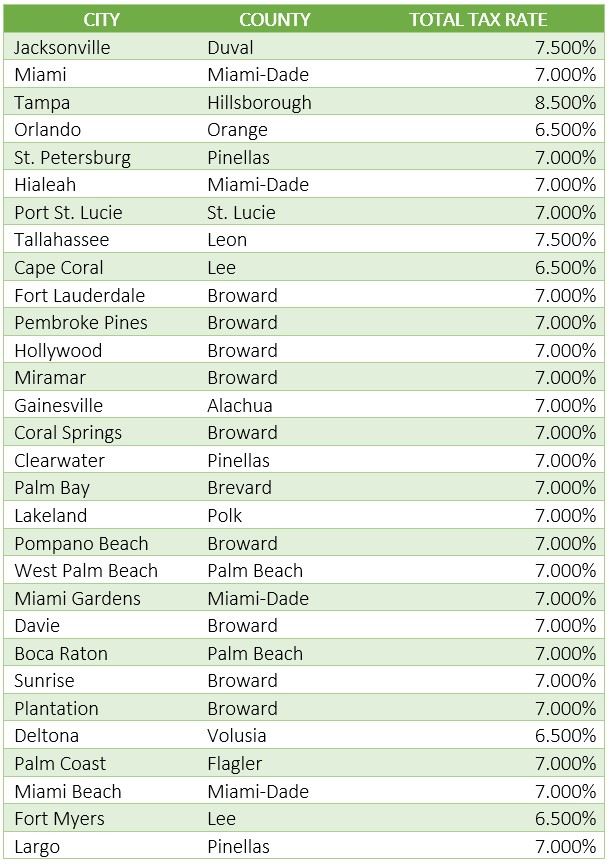
Orlando is synonymous with world-class theme parks like Walt Disney World Resort, Universal Orlando Resort, SeaWorld Orlando, and LEGOLAND Florida Resort. As part of Orange County, visitors to Orlando will pay the 6% state sales tax plus a local surtax (check current rates, often 0.5% or 1%), making the combined sales tax rate around 6.5% to 7.0%. Additionally, Orange County levies a significant Tourist Development Tax (TDT), typically 6%, on accommodations. This means your total tax on a hotel room in Orlando could easily exceed 12% of the room rate. Factor this into your budget for park tickets, resort stays, and dining within and outside the resorts, which can be considerable for family trips.
Miami and Miami Beach: Urban Glamour
Miami and its glamorous neighbor, Miami Beach, are part of Miami-Dade County. This region often has one of the higher combined sales tax rates in the state due to a local surtax (often 1% or 1.5%), pushing the total sales tax to 7% or 7.5%. On top of this, Miami-Dade County also imposes a substantial Tourist Development Tax, which can be as high as 6% for most areas and even higher in specific districts like South Beach or certain resort areas, reaching 7% or more. This means luxury hotels, high-end dining experiences, and shopping for designer brands will incur a total tax closer to 13% or 14% on accommodation, and 7% or 7.5% on other purchases. Budgeting for a luxurious lifestyle experience in Miami needs careful consideration of these higher rates.
Florida Keys: Island Paradise
The Florida Keys, stretching from Key Largo down to Key West, fall under Monroe County. This county typically has a local surtax (often 0.5%), bringing the combined sales tax rate to 6.5%. The Tourist Development Tax in Monroe County is generally 5%, which applies to all transient accommodations, including charming boutique hotels in Key West or eco-resorts in Islamorada. While the TDT might be slightly lower than in some other major destinations, the overall cost of living and tourism in the Keys can be higher due to logistics, so careful budgeting for accommodation and activities like fishing charters or scuba diving excursions is still paramount.
Tampa Bay and the Gulf Coast: Beaches and Culture
The Tampa Bay area, encompassing Tampa, St. Petersburg, and Clearwater, is primarily in Hillsborough County and Pinellas County. Both counties typically have a 1% or 1.5% local surtax, bringing the combined sales tax to 7% or 7.5%. The Tourist Development Tax in these counties is usually 5% or 6%. So, whether you’re visiting Busch Gardens Tampa Bay, exploring the Florida Aquarium, or relaxing at a beach resort in Sarasota, you’ll need to factor in these rates. The Gulf Coast offers diverse attractions, from vibrant city life to serene nature experiences, and understanding the tax implications helps in planning a comprehensive travel itinerary.
Smart Strategies for Managing Sales Tax on Your Florida Trip
Navigating sales tax doesn’t have to be daunting. With a few smart strategies, you can effectively manage your budget and ensure a smooth, enjoyable Florida experience.
Budgeting for the Unexpected
Always create a detailed travel budget that includes a dedicated line item for taxes and fees. Instead of just looking at the advertised price for hotels, car rentals, or major attractions, dig into the final cost, which will include all applicable sales taxes, local surtaxes, and Tourist Development Taxes. A good rule of thumb is to add an extra 10-15% to your estimated costs for accommodation and a general 7-8% for most other purchases (dining, shopping, entertainment) to account for sales tax, depending on the specific county you’re in. This approach is particularly helpful for family trips or budget travel where every dollar counts. Overestimating slightly is better than underestimating.
Understanding Tourist Development Taxes
The Tourist Development Tax (TDT) is often the most significant “hidden” cost for short-term visitors. Research the TDT rate for each county you plan to stay in, not just the general sales tax. This tax is applied to hotels, motels, vacation rentals, and even some campgrounds. Websites for county tax collectors usually list their current TDT rates. For long-term stays (over 6 months) in apartments or villas, this tax may not apply, but confirm with your accommodation provider. This knowledge empowers you to compare total accommodation costs more accurately between different areas or property types.
Tax-Free Shopping Events
While not as common for general purchases, Florida occasionally offers sales tax holidays. These are periods when certain items are exempt from sales tax, usually aimed at specific categories like back-to-school supplies, hurricane preparedness items, or sometimes even energy-efficient appliances. While a general tax-free holiday for all retail purchases is rare, it’s worth checking the Florida Department of Revenue website before your trip to see if any such events coincide with your visit. If you’re planning a trip around shopping, timing it with one of these events could lead to significant savings.
Considerations for International Visitors
For international visitors, it’s important to note that the United States generally does not offer sales tax refunds to tourists on purchases, unlike many countries in Europe or Asia. This means that all sales taxes paid in Florida are typically non-refundable. Therefore, international travelers should budget for sales tax as a final cost, just like domestic visitors. However, some duty-free shops at international airports might offer tax-exempt purchases on certain goods for travelers leaving the country, but this is a separate consideration from state sales tax.
In conclusion, while the sales tax in Florida might seem like a minor detail, its cumulative effect can significantly impact your travel budget and overall lifestyle experience. By understanding the statewide 6% rate, factoring in county-specific surtaxes, and being aware of additional tourist development taxes on accommodation, you can plan a more accurate and stress-free trip. Whether you’re exploring the natural beauty of the Everglades, marveling at rockets at Kennedy Space Center Visitor Complex, or simply enjoying the vibrant culture of Tallahassee or Amelia Island, a little preparation regarding sales tax will ensure your focus remains on creating unforgettable memories in the Sunshine State. Happy travels!
LifeOutOfTheBox is a participant in the Amazon Services LLC Associates Program, an affiliate advertising program designed to provide a means for sites to earn advertising fees by advertising and linking to Amazon.com. Amazon, the Amazon logo, AmazonSupply, and the AmazonSupply logo are trademarks of Amazon.com, Inc. or its affiliates. As an Amazon Associate we earn affiliate commissions from qualifying purchases.