
Embarking on a journey to the Lone Star State promises a mosaic of experiences, from the vibrant urban pulse of Houston to the historic charm of San Antonio, the musical heartbeat of Austin, and the sprawling landscapes of Big Bend National Park. Whether you’re planning a luxurious resort stay, a family-friendly adventure, or a budget-conscious exploration, understanding the financial landscape is key to a smooth and enjoyable trip. Beyond the cost of flights, accommodation, and attractions, one often overlooked but crucial element is sales tax. For travelers, sales tax isn’t just a minor add-on; it’s an important factor that can influence your overall budget, from the price of a gourmet meal to the souvenir you pick up and even the room rate at your chosen hotel or apartment rental.
Texas, renowned for its diverse culture, vast plains, and culinary delights, operates with a layered sales tax system that can initially seem complex. However, breaking it down reveals a straightforward structure that, once understood, empowers you to manage your travel finances effectively. Unlike some states that have no sales tax, Texas actively collects it, and travelers will encounter it on most purchases of tangible goods and many services. Knowing what to expect allows you to allocate funds more accurately, preventing unwelcome surprises and ensuring your focus remains on enjoying all the incredible experiences Texas has to offer. This guide aims to demystify the sales tax in Texas for visitors, providing insights into state rates, local variations, and practical tips for navigating these costs across various travel expenses, from a stay in a cozy suite to an adventurous excursion.
Understanding the Basics: State and Local Sales Tax
At its core, Texas imposes a statewide sales and use tax rate. This foundational percentage applies uniformly across the entire state. However, this isn’t the final rate you’ll typically pay. Cities, counties, and various special purpose districts have the authority to levy their own local sales taxes, which are then added on top of the state rate. This layered approach means that the combined sales tax rate can vary significantly depending on your specific location within Texas.
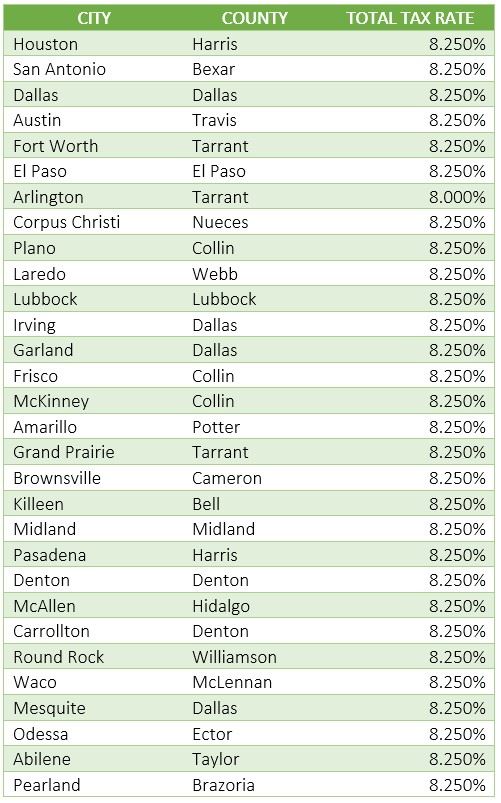
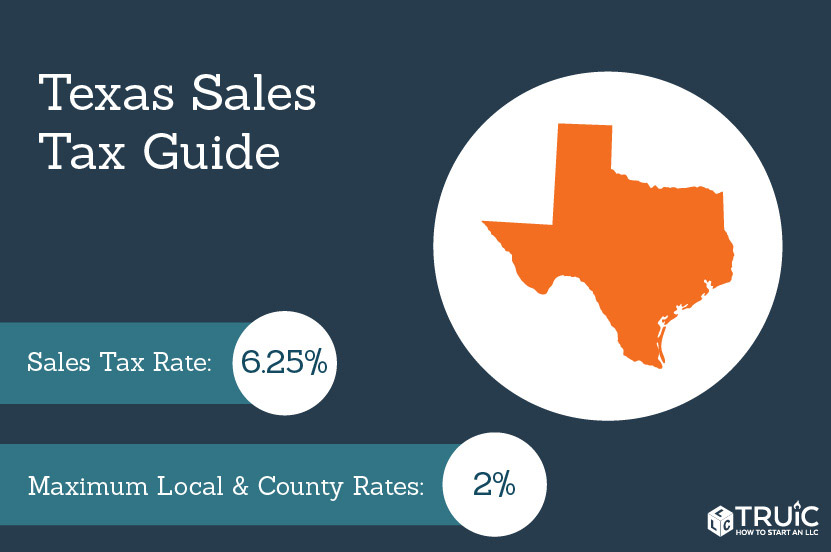
The statewide sales tax in Texas is 6.25%. This is the baseline from which all other calculations begin. Local taxing jurisdictions, such as cities, transit authorities, and special purpose districts, can impose an additional sales tax of up to 2%. This means that the maximum combined sales tax rate a consumer could pay in Texas is 8.25%. For instance, if you’re exploring the historic missions in San Antonio or shopping for cowboy boots in Fort Worth, the final price you see at the register will reflect this combined rate.
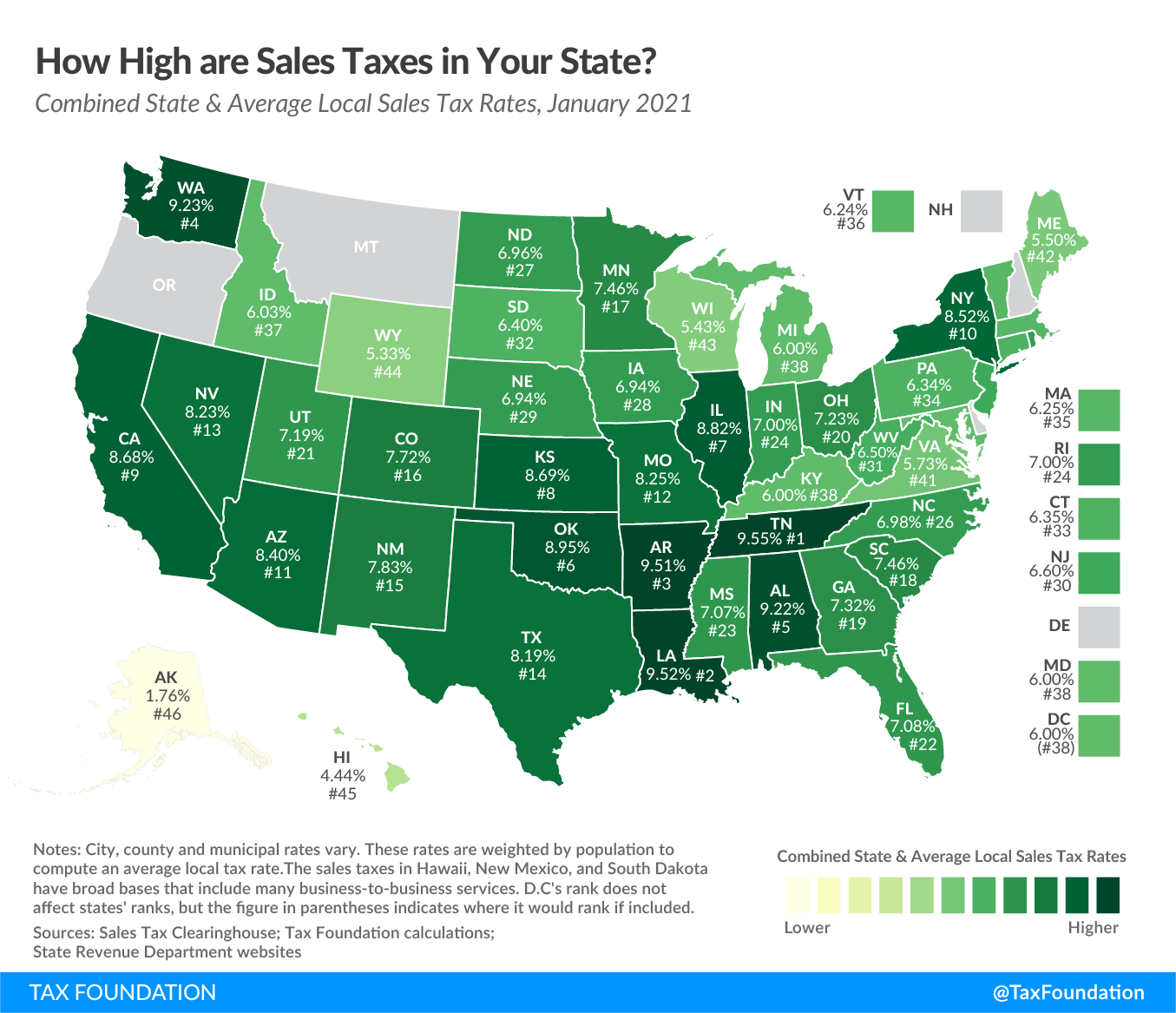
The local sales tax is crucial for funding municipal services, public transportation, and other community improvements, directly impacting the quality of infrastructure and services travelers often enjoy. When planning your trip, especially if you intend to visit multiple cities or regions, it’s wise to be aware that the sales tax you pay on a meal in Austin might be slightly different from what you pay for the same meal in Houston. While the difference of a percentage point or two might seem minor on a single purchase, it can accumulate, particularly on larger expenditures like extensive shopping sprees or longer hotel stays, making it a noteworthy consideration for any travel budget.
Navigating Sales Tax on Your Texas Travel Expenses
For visitors to Texas, sales tax impacts a wide array of purchases. It’s not just about what you buy in stores; it extends to many services and aspects of your travel experience. Being aware of where and how sales tax applies can help you budget more accurately, ensuring your Texas adventure remains enjoyable and free from financial surprises.
Accommodation and Lodging Taxes
One of the most significant expenses for any traveler is accommodation, and Texas has a specific system for taxing hotel stays and similar lodging options. In addition to the standard state and local sales tax, guests often encounter a separate “hotel occupancy tax” (HOT tax). This tax is specifically levied on hotel rooms, motels, bed and breakfasts, and even short-term apartment rentals.
The state of Texas imposes a hotel occupancy tax, and local jurisdictions, such as cities and counties, can impose their own additional HOT taxes. These local taxes are typically a percentage of the room rate and are used to fund local tourism promotion and convention facilities, directly benefiting the traveler by enhancing attractions and services. For example, major cities like Houston, Dallas, Austin, and San Antonio all have their respective city HOT taxes, which when combined with the state HOT tax and general sales tax on the room, can significantly increase the final price of your stay. A luxurious suite in Dallas could have a total tax approaching 15-17% on the room rate alone. It’s imperative to factor these occupancy taxes into your accommodation budget, as they are a distinct charge separate from the general sales tax and can vary widely from one city to another, impacting your overall spend on hotels, resorts, or apartments. Always check the final price, including all taxes, before booking your accommodation to get a clear picture of the cost.
Dining and Entertainment
Exploring the culinary landscape is an essential part of any Texas trip, from savoring authentic BBQ to enjoying Tex-Mex or a high-end dining experience. Travelers should anticipate paying sales tax on virtually all restaurant meals, whether it’s a sit-down dinner, a take-out order from a food truck, or even a coffee from a cafe. Alcoholic beverages purchased at bars and restaurants are also subject to sales tax, along with any other prepared foods or beverages. This means that when you order that sizzling fajita platter in San Antonio or a craft beer in Austin, the final bill will include the combined state and local sales tax rate applicable to that specific city.
Beyond food and drink, many entertainment options also incur sales tax. This includes tickets for concerts, sporting events, movie theaters, amusement parks, and entrance fees for various attractions like museums or historical sites. If you’re planning a visit to a major theme park near Dallas-Fort Worth or attending a live music show in Austin, remember to factor in the sales tax when purchasing your tickets. While some smaller, non-profit museums or cultural centers might have exemptions, it’s a good general rule to assume that entertainment expenses will be subject to sales tax, adding a small percentage to the advertised price of your fun-filled activities.
Shopping for Souvenirs and Essentials
For many travelers, a trip isn’t complete without bringing home a piece of the destination. Whether you’re shopping for unique artisan crafts, fashion apparel, Texas-themed memorabilia, or just essential items for your stay, sales tax will apply to most tangible goods. Clothing, electronics, gifts, and souvenirs purchased in retail stores are all subject to the combined state and local sales tax rate of the area where you make the purchase. This holds true whether you’re browsing the boutiques in Houston’s Galleria or picking up local artwork near the San Antonio Riverwalk.
However, there’s a common exemption that travelers often appreciate: most unprepared food items. Groceries purchased for consumption at home or in your accommodation, such as fresh produce, meat, dairy, and packaged staple foods, are generally exempt from sales tax. This means if you’re staying in an apartment with a kitchen and plan to cook some of your meals, your grocery bill will likely be lower than if you were to eat out every night. However, prepared foods, deli items, or hot foods sold at grocery stores that are meant for immediate consumption are typically taxable. Understanding this distinction can offer minor savings, especially for longer stays or for families managing a budget-conscious trip.
Regional Variations: Sales Tax Across Key Texas Destinations
The diverse landscape of Texas offers a spectrum of experiences, and with it, slight variations in the sales tax rates you’ll encounter. While the state sales tax remains constant, local rates can differ, making it worthwhile to understand how this might impact your spending in popular tourist destinations.
Major Urban Hubs
Houston, Texas’s largest city and a bustling hub of culture, business, and space exploration, imposes a combined sales tax rate of 8.25%. This rate includes the 6.25% state sales tax and an additional 2% from local jurisdictions, primarily for public transit. Travelers exploring Houston’s world-class museums, dining at its diverse restaurants, or shopping at the Galleria should budget for this rate on most purchases and services. When considering accommodation, Houston also has a significant hotel occupancy tax, adding to the cost of stays at its numerous hotels and resorts.
The Dallas-Fort Worth metroplex, a sprawling urban area offering a blend of modern sophistication and Western heritage, typically features a combined sales tax rate of 8.25% in its major cities. This rate applies whether you’re enjoying the vibrant arts scene and shopping in Dallas, or experiencing the historic stockyards and Western culture of Fort Worth. Both cities also have their own substantial local hotel occupancy taxes, which will factor into the total price of your stay, from luxury hotels to more budget-friendly options.
Austin, the state capital and a renowned live music mecca, generally has a combined sales tax rate of 8.25%. Visitors enjoying Austin’s unique food truck scene, exploring its natural springs, or catching a show on Sixth Street will find this rate applied to their purchases. Like its larger counterparts, Austin levies an additional hotel occupancy tax, contributing to the cost of staying in its trendy hotels, boutique apartments, or charming bed and breakfasts.
San Antonio, a city rich in history and culture, famous for the Alamo and the picturesque Riverwalk, also applies a combined sales tax rate of 8.25%. This rate will be part of your purchases when you dine along the Riverwalk, buy souvenirs at the Market Square, or visit its historic missions. San Antonio’s local hotel occupancy tax is also a significant component of accommodation costs, which is important for those planning to immerse themselves in the city’s deep historical roots and vibrant atmosphere.
Coastal Escapes and Natural Wonders
Moving towards the coast, destinations like Galveston and South Padre Island offer different vibes but similar sales tax considerations. Galveston, with its historic architecture, beautiful beaches, and family attractions, typically has a combined sales tax rate of 8.25%. This applies to everything from antique shopping on The Strand to dining at seafood restaurants. The island also has a specific hotel occupancy tax, which is vital for visitors booking beachfront resorts or quaint Victorian-era bed and breakfasts.
South Padre Island, a popular resort town known for its stunning beaches and vibrant spring break scene, also maintains a combined sales tax rate of 8.25%. This will be part of the cost for parasailing adventures, dining at waterfront eateries, or purchasing beachwear and souvenirs. As a major tourism destination, South Padre Island also has a local hotel occupancy tax that significantly impacts the price of its numerous resorts, hotels, and vacation rentals.
Even when exploring the vast wilderness of Big Bend National Park, while entrance fees to federal parks are typically not subject to state sales tax, any purchases made at park stores, concessions, or in the nearby gateway towns (like Terlingua or Marathon) will be subject to their local combined sales tax rates, which might be slightly lower than the major urban centers, but still include the 6.25% state rate. Similarly, for Texas State Parks, while entrance fees are generally untaxed, items purchased within park gift shops or certain rentals will incur sales tax. Understanding these regional nuances helps travelers anticipate costs more accurately, whether they are enjoying a luxury Texas vacation or a more rugged, budget-friendly adventure.
Maximizing Your Budget: Smart Tips for Travelers
Understanding Texas sales tax is more than just knowing a percentage; it’s about smart budgeting and making informed spending decisions throughout your journey. With a little foresight, you can minimize financial surprises and ensure your travel funds are stretched as far as possible, whether you’re seeking a high-end luxury experience or a practical budget-conscious trip.
Budgeting for the Unseen Costs
The most critical tip for any traveler in Texas is to always factor in the combined sales tax rate for every purchase you anticipate making. Remember, the advertised price of goods and services rarely includes the sales tax, meaning your final bill will be higher. For instance, a $100 purchase at a souvenir shop in Houston will actually cost you $108.25. While 8.25% might not seem like much on a single small item, these percentages can add up rapidly, especially on larger purchases, extensive shopping trips, or longer stays at hotels, resorts, or apartment rentals.
Consider the cumulative effect: multiple meals, several attraction tickets, and daily small purchases can quickly add significant amounts to your overall expenses. For a family trip, where expenses multiply per person, these “unseen” costs can dramatically impact your daily budget. It’s prudent to set aside an extra 10% on top of your estimated expenses for sales and occupancy taxes. This buffer ensures you won’t feel short-changed or stressed by unexpected charges when it’s time to pay the bill.
Identifying Exemptions and Savings
While sales tax is pervasive, knowing about specific exemptions can lead to minor savings. As mentioned, most unprepared food items (groceries) are exempt from sales tax. If your accommodation offers kitchen facilities, consider purchasing staple foods from a local grocery store rather than eating out for every meal. This strategy not only saves on sales tax but often on the base price of the food itself, making it a great budget travel hack.
Certain services that don’t involve a tangible product might also be exempt. However, the line can sometimes be blurry, so it’s best to confirm if unsure. For instance, personal services like haircuts or certain professional services are typically not subject to sales tax. While not directly linked to tourism, it’s an example of how the tax system distinguishes between goods and certain service categories.
Furthermore, Texas occasionally offers sales tax holidays, typically for back-to-school items like clothing and school supplies. While these are usually timed for residents and specific goods, they are a testament to the state’s potential for temporary exemptions. However, for general tourism-related purchases outside of these specific periods, it’s safer to assume sales tax will apply.
Price Awareness and Planning Ahead
To effectively manage your travel budget, adopt a habit of price awareness. When researching tours, packages, or hotel rates, always look for the “total price” that includes all taxes and fees. Many online booking platforms now provide this transparency, but it’s always wise to double-check. Don’t hesitate to call a hotel or attraction directly to inquire about the final price with all taxes if it’s not clearly stated.
For longer-term stays or specific events, check the official websites of the relevant city or county for their exact sales and hotel occupancy tax rates. This is especially useful if you are considering different types of accommodation, from a traditional hotel suite to a unique Airbnb apartment. Knowing the precise percentage can help you compare costs more accurately between various options in Houston, Dallas, Austin, or San Antonio. By planning ahead and being proactive in understanding the full cost of your Texas adventure, you can allocate your resources wisely, ensuring a more relaxed and enjoyable trip focused on experiences rather than financial concerns.
Conclusion: Informed Spending for an Unforgettable Texas Journey
A trip to Texas promises an unforgettable experience, filled with diverse landscapes, rich history, vibrant culture, and unparalleled hospitality. From the sprawling urban centers teeming with world-class attractions to the serene beauty of its natural parks and the allure of its coastal escapes, there’s something for every type of traveler. By understanding the intricacies of the state and local sales tax system, alongside specific hotel occupancy taxes, you equip yourself with the knowledge needed to budget effectively and avoid any unexpected financial surprises.
The combined sales tax rate, typically around 8.25% in major cities like Houston, Dallas, Austin, and San Antonio, and the additional hotel occupancy taxes, are integral parts of your travel expenses. Factoring these into your plans for accommodation, dining, entertainment, and souvenir shopping is not just a recommendation—it’s a smart strategy for seamless travel. Recognizing what’s taxable and where potential minor exemptions lie, such as for unprepared groceries, can further refine your spending.
Ultimately, an informed traveler is a confident traveler. When you know what to expect regarding sales tax in Texas, you can focus less on the numbers and more on immersing yourself in the unique charm of the Lone Star State. Whether you’re indulging in a luxurious resort experience, embarking on a family adventure, or exploring the vastness on a budget, being prepared for sales tax ensures your focus remains squarely on creating cherished memories. So pack your bags, plan your adventures, and get ready to experience all the grandeur and excitement Texas has waiting for you, with your budget confidently in hand.
LifeOutOfTheBox is a participant in the Amazon Services LLC Associates Program, an affiliate advertising program designed to provide a means for sites to earn advertising fees by advertising and linking to Amazon.com. Amazon, the Amazon logo, AmazonSupply, and the AmazonSupply logo are trademarks of Amazon.com, Inc. or its affiliates. As an Amazon Associate we earn affiliate commissions from qualifying purchases.