
New York City, a titan among global metropolises, is instantly recognizable by its dazzling skyline—a vertical tapestry of glass, steel, and concrete that tells tales of ambition, innovation, and resilience. For centuries, this city has been at the forefront of architectural marvels, consistently pushing the boundaries of height and design. Visitors from across the globe flock to witness these engineering feats, to gaze up in awe, and to experience the dizzying perspectives from their observation decks. But amidst this forest of towering structures, one question frequently arises for both first-time travelers and seasoned explorers: What’s the tallest building in New York City?
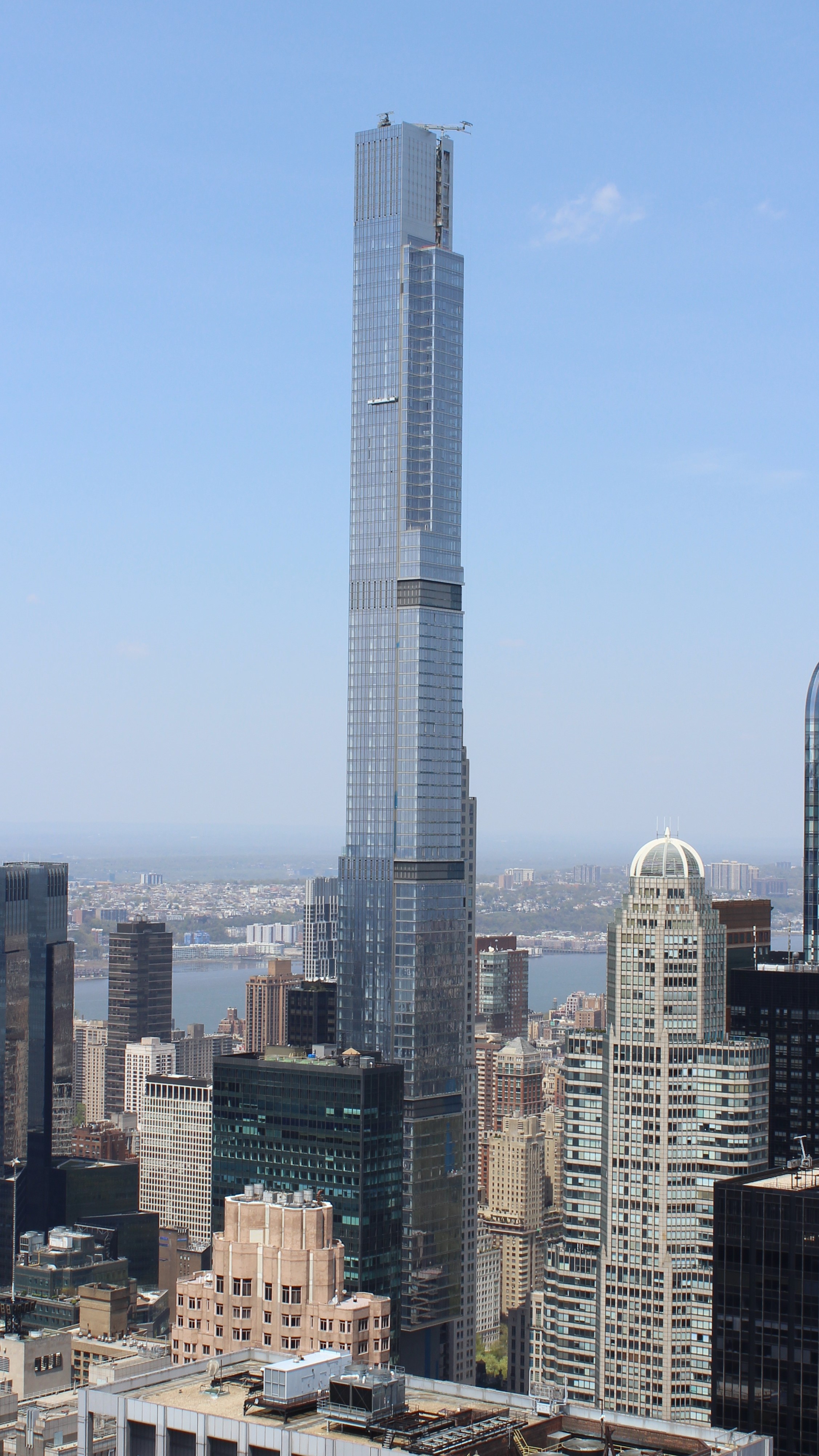
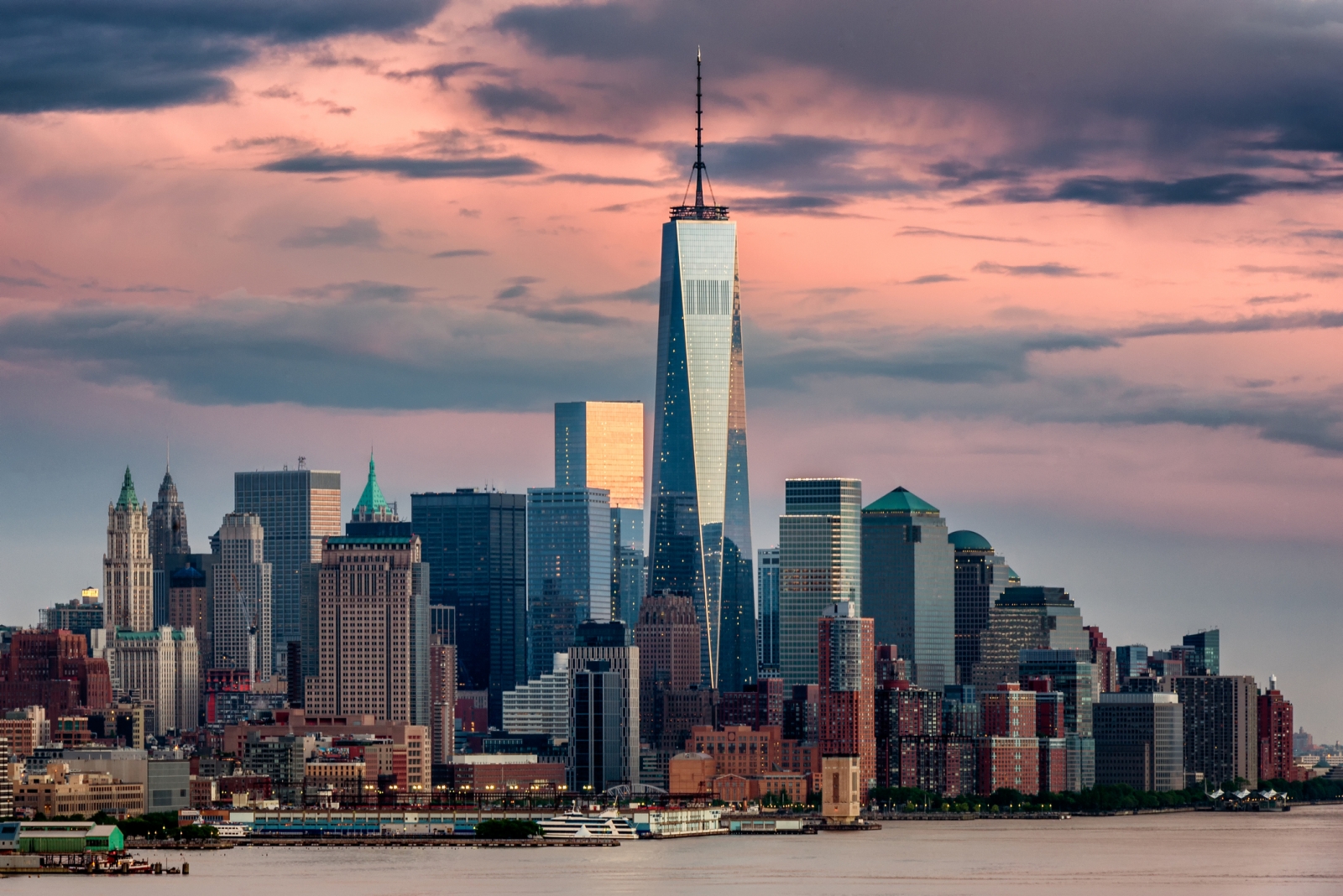
The answer, unequivocal and profound, is One World Trade Center. Rising majestically to a symbolic 1,776 feet (541 meters) at its spire, it not only dominates the Lower Manhattan skyline but also stands as a beacon of hope and strength. Its height is a poignant nod to the year of American independence, a powerful statement of enduring spirit in the face of adversity. This iconic skyscraper is more than just a measurement; it’s a living monument, a bustling hub for commerce, and a must-visit destination for anyone looking to understand the pulse of New York City. Exploring its history, design, and the experiences it offers reveals why it holds such a significant place in the heart of the city and its visitors.
One World Trade Center: A Symbol of Resilience and Awe
Rising from the ashes of tragedy, One World Trade Center, often referred to as the Freedom Tower, is not merely the tallest building in New York City but a profound symbol of resilience, remembrance, and the unyielding human spirit. Its completion in 2014 marked a significant chapter in the city’s narrative, redefining its skyline and offering a powerful testament to rebirth. For any traveler to New York City, a visit to this landmark is an essential part of understanding the city’s recent history and its bright future. The building, designed by David Childs of Skidmore, Owings & Merrill (SOM), is a marvel of modern architecture, seamlessly blending aesthetic elegance with robust functionality and deep symbolic meaning.
Architectural Grandeur and Engineering Marvel
The design of One World Trade Center is a masterclass in contemporary skyscraper architecture. Its striking silhouette tapers subtly from a perfect square base to eight isosceles triangular glass facets, culminating in a magnificent 408-foot spire. This spire, a critical component in reaching its symbolic height of 1,776 feet, makes it the tallest building in the Western Hemisphere. The building’s reflective glass facade mirrors the ever-changing New York City sky, creating a dynamic visual experience that shifts with the light and weather. From its robust, blast-resistant base to its elegant spire, every element of One World Trade Center speaks to advanced engineering and a commitment to safety and sustainability. It incorporates numerous green building features, aiming for LEED Gold certification, reflecting a modern lifestyle approach that values environmental responsibility alongside monumental scale.
Beyond its impressive height, the structural integrity and design innovation are equally compelling. The building boasts high-strength concrete, reinforced steel, and a redundant steel frame, all designed to exceed safety standards. The core, housing elevators and utility shafts, is encased in thick concrete for maximum protection. For visitors interested in the confluence of modern architecture and responsible development, the building itself is a fascinating case study. Its prominence in Lower Manhattan has also revitalized the surrounding Financial District, attracting new businesses, hotels, and vibrant urban life, creating a holistic experience for both business and leisure travelers.
The Observatory Experience: Views from the Top
For tourists, the pinnacle experience at One World Trade Center is undeniably the One World Observatory. Located on floors 100, 101, and 102, this observation deck offers unparalleled 360-degree views of New York City and beyond. The journey to the top itself is an attraction, with the SkyPod elevators ascending 102 stories in just 47 seconds. During the ascent, immersive LED screens display a virtual time-lapse evolution of New York City’s skyline from the 16th century to the present day, providing a captivating historical context to the city’s architectural prowess.
Once at the summit, visitors are treated to breathtaking panoramas that stretch across all five boroughs, encompass the Hudson River, the East River, the Statue of Liberty, Ellis Island, and even glimpses of New Jersey, Connecticut, and Pennsylvania on clear days. The experience is enhanced by interactive exhibits, including “City Pulse,” a circular platform where tour guides share insights about the city’s landmarks and neighborhoods using gestures that activate high-definition video. Dining options are also available, from casual cafes to fine dining at ONE DINE, allowing guests to savor the views with gourmet cuisine. This blend of stunning vistas, educational content, and upscale amenities makes One World Observatory a prime attraction for anyone interested in tourism, travel, and creating unforgettable experiences in the Big Apple. Adjacent to the building, the deeply moving 9/11 Memorial & Museum provides a solemn counterpoint, grounding the towering achievement in a history of remembrance.
A Legacy of Giants: New York City’s Iconic Skyscraper History
While One World Trade Center currently reigns supreme, New York City’s architectural history is punctuated by a series of titans that have each, in their time, held the title of the world’s or the city’s tallest building. These structures are not just feats of engineering; they are cultural landmarks, historical markers, and testaments to eras of unprecedented growth and ambition. Understanding this lineage offers a richer appreciation for the city’s constant evolution and its enduring fascination with verticality. For those passionate about architecture and history, tracing this progression is a fascinating journey through the heart of American innovation.
From the Woolworth Building to the Chrysler Building
The early 20th century was a golden age for skyscraper construction in New York City. Buildings were not just functional spaces but grand statements of corporate power and artistic expression. The Woolworth Building, completed in 1913, was dubbed the “Cathedral of Commerce” for its elaborate Gothic Revival architecture. Standing at 792 feet (241 meters), it was the tallest building in the world until 1930, a title it held for 17 years. Its ornate facade, terra cotta details, and lavish lobby interiors continue to captivate, making it a beloved landmark in Lower Manhattan and a testament to early 20th-century luxury.

The race for height intensified in the late 1920s, culminating in the dramatic “skyscraper wars” of 1930 and 1931. The first victor in this rapid succession was the Chrysler Building. Completed in 1930, its Art Deco design, with its terraced arches and distinctive spire resembling a 1920s car radiator grille, made it an instant icon. Soaring to 1,046 feet (319 meters), it briefly held the title of the world’s tallest building for just 11 months. Its distinctive aesthetic, particularly its shimmering stainless steel crown, is a quintessential symbol of Midtown Manhattan and an enduring favorite for architecture enthusiasts and photographers alike. The building’s lobby, with its exquisite murals and Art Deco details, offers a glimpse into the glamorous lifestyle of the era.
The Reign of the Empire State Building
Hot on the heels of the Chrysler Building, the Empire State Building burst onto the scene in 1931, dramatically snatching the tallest building title. At 1,250 feet (381 meters), with its distinctive mast originally intended as a mooring for dirigibles, it became the tallest building in the world—a record it would hold for a remarkable 40 years. Its construction during the Great Depression was a Herculean effort, becoming a symbol of American ingenuity and perseverance. The Empire State Building quickly became a global cultural phenomenon, featured in countless films and media, solidifying its status as an undisputed New York City icon.
Today, the Empire State Building remains one of the city’s most popular tourist attractions. Its 86th-floor and 102nd-floor observatories offer classic open-air and indoor panoramic views, respectively, providing a different perspective of the city’s grid than the modern vantage of One World Trade Center. Visiting the Empire State Building is a step back in time, offering a sense of the grandeur and optimism of the early 20th century, combined with modern visitor amenities. Its central location in Midtown Manhattan makes it easily accessible for travelers exploring attractions like Times Square, Grand Central Terminal, and Rockefeller Center. The experience offers a unique blend of history, breathtaking views, and a touch of Hollywood glamor, making it a must-see landmark for anyone delving into New York City’s tourism scene.
Other notable skyscrapers that have redefined New York City’s skyline include One Vanderbilt, home to the innovative Summit One Vanderbilt observation experience, and the ultra-luxury residential towers like Central Park Tower, 432 Park Avenue, and Steinway Tower (111 West 57th Street), which, while not as tall as One World Trade Center, stand as some of the tallest residential buildings globally, showcasing the city’s continuous pursuit of vertical living and luxury lifestyle.
Beyond the Heights: Experiencing New York City’s Vertical Landscape
While the allure of New York City’s tallest buildings is undeniable, experiencing this vertical landscape goes far beyond simply gazing up or visiting an observation deck. It intertwines with every aspect of travel, accommodation, local culture, and lifestyle, offering a multifaceted immersion into one of the world’s most dynamic urban environments. The presence of these towering landmarks profoundly shapes the daily rhythm, the views from hotels, and the very identity of the neighborhoods they inhabit.
Navigating the Urban Jungle: Travel and Accommodation
For travelers, interacting with New York City’s skyscrapers means strategically planning their movements and choosing their accommodation wisely. The city’s extensive subway system and robust public transport make navigating between iconic buildings like One World Trade Center in Lower Manhattan and the Empire State Building in Midtown Manhattan relatively easy. Many travel guides emphasize efficient transit to maximize sight-seeing time.
When it comes to accommodation, the verticality of New York City offers a unique selling proposition: rooms with a view. Luxury travel often includes stays in hotels like the Four Seasons Hotel New York Downtown or the Conrad New York Downtown, which offer stunning vistas of One World Trade Center and the surrounding Financial District. Further uptown, establishments such as The Ritz-Carlton New York, Battery Park or even the historic The Plaza Hotel and Lotte New York Palace provide unparalleled views of other landmarks like Central Park or the Chrysler Building. For those on a budget travel plan, even more affordable boutique hotels or apartments (for longer stays) can still offer glimpses of the city’s vertical marvels, adding an unexpected touch of magic to their experience. The lifestyle choice of waking up to a skyline view, whether from a plush suite or a modest room, is a distinctly New York experience. Choosing an accommodation close to key landmarks or with convenient subway access is often a top tip for tourists looking to immerse themselves in the city’s vibrant life and easily access attractions like The Oculus (World Trade Center Transportation Hub).
Lifestyle and Landmarks: Living Among the Towers
The skyscrapers of New York City are not just tourist attractions; they are integral to the city’s unique lifestyle and define its very fabric. They house offices, residences, and retail spaces, shaping the daily lives of millions. The areas surrounding these landmarks are bustling hubs of activity, offering diverse cultural, culinary, and recreational experiences.
In Lower Manhattan, near One World Trade Center and the 9/11 Memorial & Museum, visitors can explore the historic Financial District, walk along Wall Street, snap photos with the Charging Bull and Fearless Girl statues, or find solace in the colonial-era St. Paul’s Chapel. The proximity to the Brooklyn Bridge also offers stunning panoramic views of the skyline from an entirely different perspective, particularly at sunset.
Midtown Manhattan, dominated by the Empire State Building, Chrysler Building, and Rockefeller Center (home to the Top of the Rock observation deck), is a vibrant district teeming with activities. From shopping on Fifth Avenue to catching a Broadway show, dining at world-class restaurants, or simply people-watching in Times Square, the energy here is palpable. Nearby, the architectural splendor of Grand Central Terminal offers both a major transportation hub and a stunning landmark in itself.
Beyond the immediate vicinity of these skyscrapers, the lifestyle they inspire extends. High-rise living has become synonymous with a certain New York City dream, attracting residents to luxurious apartments in buildings like Central Park Tower that offer unmatched views. Tourism in New York City is a multifaceted experience, blending visits to iconic landmarks with explorations of diverse neighborhoods, from art galleries to food markets. From the elevated urban park of The High Line offering unique perspectives on industrial architecture, to the cultural richness of museums like the Museum of Modern Art (MoMA) or the Metropolitan Museum of Art, the city’s vertical landscape serves as a constant backdrop, enriching every experience. Whether it’s a family trip marveling at urban giants or a business stay leveraging the city’s dynamism, the skyscrapers are never far from view, shaping itineraries and impressions.
In conclusion, One World Trade Center proudly stands as the tallest building in New York City, a modern marvel reflecting the city’s indomitable spirit. Yet, its story is deeply intertwined with a rich history of architectural innovation, from the Gothic grandeur of the Woolworth Building to the Art Deco splendor of the Chrysler Building and the enduring icon that is the Empire State Building. These structures are more than just concrete and steel; they are essential characters in the ongoing narrative of New York City, shaping its travel experiences, accommodation options, cultural landscape, and unique urban lifestyle. Visiting them offers not just stunning views, but a profound connection to the heart and soul of this extraordinary metropolis.
LifeOutOfTheBox is a participant in the Amazon Services LLC Associates Program, an affiliate advertising program designed to provide a means for sites to earn advertising fees by advertising and linking to Amazon.com. Amazon, the Amazon logo, AmazonSupply, and the AmazonSupply logo are trademarks of Amazon.com, Inc. or its affiliates. As an Amazon Associate we earn affiliate commissions from qualifying purchases.