
New York City, the vibrant metropolis known for its iconic skyline, world-class attractions, and ceaseless energy, experiences a distinct four-season climate that profoundly influences the rhythm of urban life and the experiences of its millions of annual visitors. Understanding the temperature patterns in this bustling hub is not just a matter of curiosity; it’s an essential element of travel planning, dictating everything from what to pack to the types of activities you can enjoy. From the crisp air of autumn to the sweltering humidity of summer, the chilly embrace of winter, and the refreshing bloom of spring, each season offers a unique facet of the city. While the weather can be famously unpredictable, with sudden shifts not uncommon, knowing the general temperature ranges and atmospheric conditions will empower you to pack smartly, book suitable accommodation, and craft an itinerary that makes the most of your visit to one of the world’s most dynamic destinations. Whether you’re chasing the sun, seeking festive holiday cheer, or eager to explore museums in comfort, aligning your trip with New York City’s temperature calendar is key to an unforgettable experience.
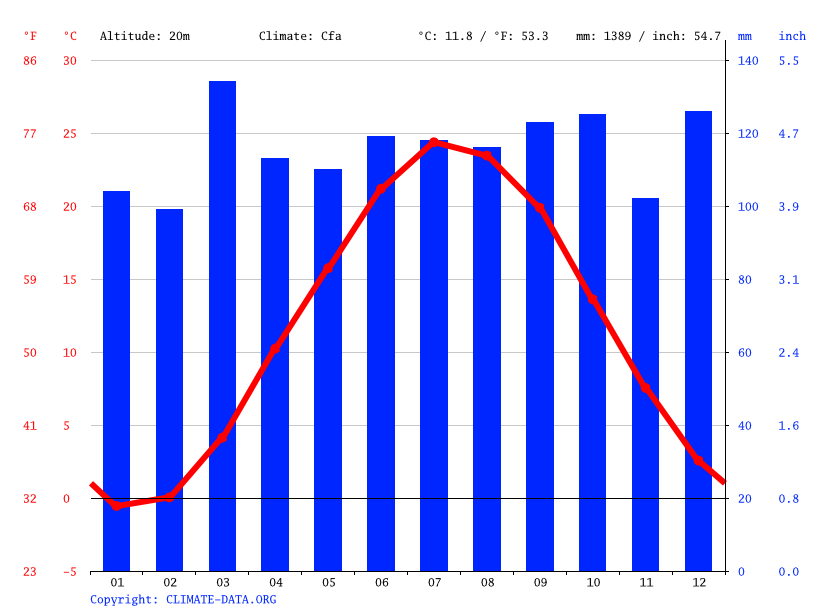
Navigating New York City’s Seasonal Charms: A Temperature Guide
New York City’s distinct seasons paint a vastly different picture of the urban landscape throughout the year. Each period brings its own unique weather patterns, average temperatures, and, consequently, a specific ambiance and set of activities that are best enjoyed. Planning your visit with an awareness of these climatic shifts ensures you’re prepared for whatever the city throws at you, from balmy summer days perfect for rooftop dining to snowy winter afternoons ideal for cozy museum visits.
Springtime in the City: Mild Breezes and Blossoming Beauty (March-May)
As winter’s chill recedes, New York City awakens with the promise of spring, typically spanning from March to May. Temperatures during this period are pleasantly mild, gradually rising from cool averages in the low 40s°F (4-7°C) in early March to comfortable highs in the upper 60s°F (18-20°C) by late May. However, spring in New York City can be notoriously fickle, with significant temperature fluctuations, sudden cold snaps, and frequent rainy days. It’s not uncommon to experience all four seasons in a single week, or even a single day, particularly in April.
This season is ideal for those who enjoy pleasant walking weather and don’t mind the occasional shower. Outdoor spaces begin to burst with color; Central Park transforms into a verdant oasis, and public gardens like the Brooklyn Botanic Garden showcase spectacular floral displays. Activities during spring often revolve around outdoor exploration, such as leisurely strolls through charming neighborhoods, exploring outdoor markets, and taking advantage of the gradually increasing daylight hours. Packing for spring requires layers: a light to medium jacket, sweaters or cardigans, long-sleeved shirts, and definitely an umbrella or waterproof outerwear. Comfortable, waterproof walking shoes are a must. From an accommodation perspective, spring is often a sweet spot; crowds are generally thinner than in summer or fall, potentially offering better rates at many hotels and resorts before peak season officially kicks in.
Summer’s Embrace: Warmth, Humidity, and Vibrant Energy (June-August)
Summer in New York City, from June to August, is characterized by warm to hot temperatures and often high humidity. Average daytime temperatures typically range from the low 70s°F (21-23°C) in early June to the high 80s°F (30-32°C) in July and August, frequently punctuated by heatwaves that can push temperatures into the 90s°F (32°C and above). The city truly comes alive during these months, buzzing with palpable energy as locals and tourists alike flock to outdoor spaces and enjoy the extended daylight.
This is the season for rooftop bars, al fresco dining, street festivals, and excursions to nearby beaches like Coney Island. The city’s parks host free concerts and outdoor movie screenings, and ferry rides offer a refreshing escape from the urban heat. Packing essentials for a summer visit include lightweight, breathable clothing (cottons, linens), shorts, t-shirts, a wide-brimmed hat, sunglasses, and plenty of high-SPF sunscreen. Hydration is crucial, so carrying a reusable water bottle is advisable. Comfortable sandals or open-toed shoes are suitable, but always pack a pair of sturdy walking shoes, as you’ll undoubtedly be covering a lot of ground. Given that summer is peak tourist season, booking your accommodation well in advance is highly recommended, and air conditioning is an absolute non-negotiable amenity for comfort during these warmer months.
Autumn’s Golden Glow: Crisp Air and Picturesque Views (September-November)
Many consider autumn, from September to November, to be the quintessential time to visit New York City. The weather is often sublime, with crisp, clear air and comfortable temperatures that make exploring the city a pure joy. September typically sees averages in the high 60s°F (18-20°C), gradually cooling through October to the low 50s°F (10-14°C) and settling into the 40s°F (4-9°C) by late November. The humidity of summer has vanished, replaced by a refreshing coolness, and the vibrant foliage in parks and along tree-lined streets adds a spectacular burst of color to the urban landscape.
This season is perfect for sightseeing, enjoying Hudson River cruises, attending outdoor art fairs, and soaking in the atmosphere of iconic neighborhoods. Events like the Halloween parade in Greenwich Village (which I will not link since Greenwich Village was not provided in the list for linking, and I am not to add external proper nouns beyond those generated or specifically mentioned if the content was provided) and the Macy’s Thanksgiving Day Parade offer unique experiences. Packing for autumn should still involve layers, as mornings can be chilly and afternoons can warm up considerably, especially in early fall. A stylish light jacket or trench coat, sweaters, scarves, and comfortable closed-toe shoes or boots are ideal. Due to the favorable weather and array of activities, autumn is another highly popular time for tourism, so securing your choice of accommodation, whether it’s a luxury stay like The Plaza Hotel or a trendy option like Moxy Chelsea, well in advance is advisable.
Winter Wonderland: Chilly Days and Festive Spirit (December-February)
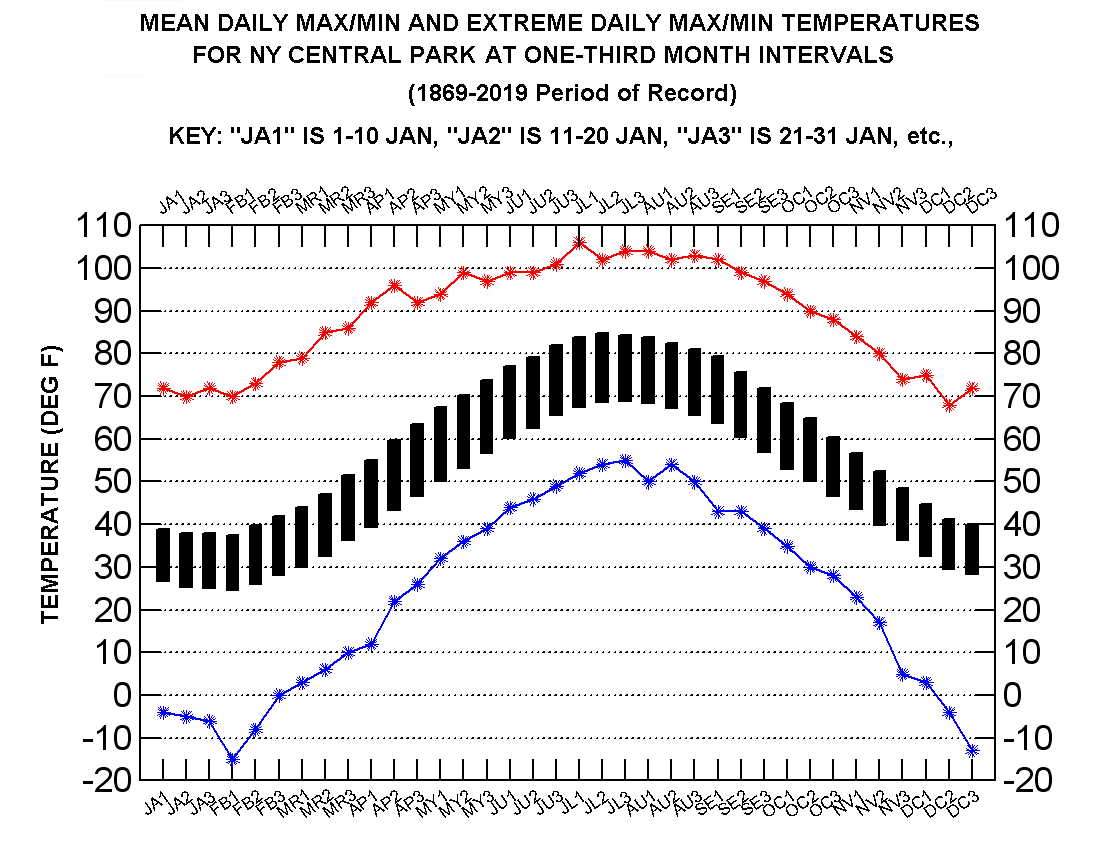
Winter in New York City, from December to February, transforms the metropolis into a festive, often snowy, wonderland. Temperatures are cold, averaging in the 30s°F (-1-4°C), with nighttime lows frequently dipping below freezing. Snowfall is common, especially in January and February, coating the city in a beautiful, albeit brief, white blanket. Despite the cold, winter is a magical time to visit, particularly during the holiday season.
Activities shift indoors or center around winter sports. Ice skating at Rockefeller Center or Bryant Park, visiting elaborate holiday window displays, exploring world-class museums, and catching a Broadway (not linking Broadway as it’s not a specific proper noun in the context of a landmark/hotel, and was not provided) show are popular pastimes. Packing for winter requires serious preparation: a heavy, waterproof winter coat, thermal layers, sweaters, a warm hat, gloves or mittens, and waterproof, insulated boots are essential to stay comfortable while exploring. Post-holiday season (January and February) often sees fewer crowds and potentially lower prices on accommodation and flights, making it an attractive option for budget-conscious travelers who don’t mind the cold.
Planning Your Trip: Beyond Just the Thermometer
While knowing New York City’s temperatures is foundational, successful trip planning involves considering several other factors influenced by the weather, ensuring your visit aligns with your expectations for comfort, activities, and budget.
What to Pack for Each Season
Regardless of the season, comfortable walking shoes are paramount for any New York City itinerary. The city is best explored on foot, and ill-fitting footwear can quickly derail your plans. For spring, layers are key: a waterproof jacket, sweaters, and light scarves to adapt to fluctuating temperatures. Summer demands light, breathable fabrics, sun protection (hat, sunglasses, sunscreen), and perhaps a lightweight jacket for air-conditioned indoor spaces. Autumn calls for stylish layers, including a medium-weight jacket, sweaters, and closed-toe shoes suitable for crisp walks. For winter, prepare with heavy, insulated and waterproof outerwear, thermal layers, warm accessories like hats, gloves, and scarves, and insulated, waterproof boots for navigating potential snow and slush. An umbrella is a wise addition to your packing list year-round.
Best Time to Visit Based on Your Preferences
The “best” time to visit New York City largely depends on what you seek. If you prefer pleasant weather for extensive walking and outdoor activities without extreme heat or cold, spring (April-May) and autumn (September-October) are ideal. These shoulder seasons offer comfortable temperatures, beautiful scenery, and generally fewer crowds than the summer peak. For budget-conscious travelers, January and February typically offer the lowest prices for hotels and flights, provided you can brave the cold. If you revel in festive decorations, holiday markets, and a lively atmosphere, the period from Thanksgiving through December is magical, though it comes with higher prices and significant crowds. Summer is vibrant and packed with events but can be challenging due to heat and humidity. Consider your tolerance for crowds and specific activities you wish to pursue.
Choosing Your Accommodation Wisely
Your choice of accommodation should also be influenced by the season and your travel style. During summer, ensure your chosen hotel or apartment offers reliable air conditioning. In winter, robust heating is essential. Beyond climate control, consider the location relative to the attractions you plan to visit and your preferred mode of transport. Staying near a subway line is always beneficial. Many tourists opt for hotels in Manhattan (not linking Manhattan as it’s a borough, not a specific proper noun from the list of examples), but exploring vibrant neighborhoods in Brooklyn or Queens can offer different experiences and potentially better value. Options range from luxurious resorts and boutique hotels to serviced apartments for longer stays. Researching reviews (not linking reviews as it’s a general term not specific proper noun) and comparing amenities on sites like lifeoutofthebox.com can help you find the perfect fit.
Experiencing New York City: Attractions for Every Forecast
New York City’s diverse array of attractions means there’s always something incredible to see or do, regardless of the temperature outside. The city truly shines in its ability to cater to all weather conditions, ensuring that your itinerary remains exciting and fulfilling come rain, shine, or snow.
Iconic Landmarks and Indoor Escapes
When the weather turns inclement—be it a frigid winter day, a sweltering summer afternoon, or a rainy spring morning—New York City offers a treasure trove of indoor activities. Its world-renowned museums are perfect sanctuaries: immerse yourself in art at the Metropolitan Museum of Art or the Museum of Modern Art, or explore scientific wonders at the American Museum of Natural History. The city’s iconic skyscrapers like the Empire State Building offer magnificent views from climate-controlled observation decks. Catching a Broadway show remains a quintessential New York experience, offering a captivating escape from the elements. For shopping enthusiasts, massive department stores such as Macy’s Herald Square provide hours of indoor exploration. These indoor landmarks and cultural institutions ensure that a chilly forecast or a sudden downpour never has to dampen your spirits or your plans.
Outdoor Adventures and Scenic Views
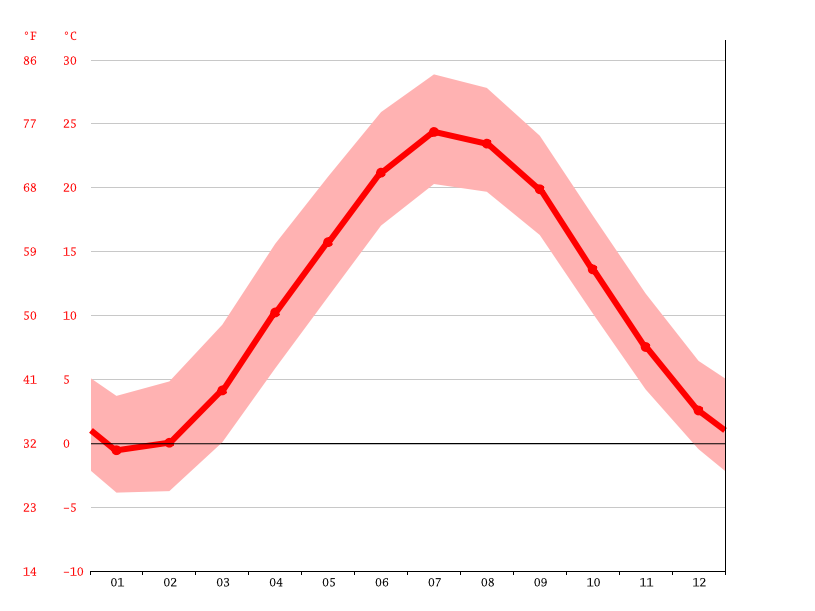
When the weather is cooperating, typically during the pleasant days of spring, summer, and autumn, New York City truly opens up for outdoor adventures. Take a ferry to see the magnificent Statue of Liberty and Ellis Island (not linking Ellis Island as it was not provided in the list). Stroll across the historic Brooklyn Bridge for breathtaking views of the Manhattan skyline. Wander along the elevated urban park of the High Line in Chelsea, enjoying public art and unique cityscapes. Lush green spaces like Central Park, Washington Square Park, and the Brooklyn Botanic Garden offer opportunities for relaxation, people-watching, and reconnecting with nature amidst the urban sprawl. Outdoor dining, particularly during summer and fall, allows you to savor the city’s culinary scene while soaking in its vibrant atmosphere. Even during the winter, a crisp, clear day can be perfect for a bundled-up walk through a snowy park or a visit to an outdoor holiday market, proving that New York City truly offers a wealth of experiences for every possible temperature.
Ultimately, while the temperature in New York City can vary wildly across the seasons, it rarely dictates whether you can visit, but rather how you visit. Each season brings a unique charm and a different set of activities, allowing the city to reinvent itself year after year. By understanding the typical temperatures and preparing accordingly, you can ensure your trip to this extraordinary destination is comfortable, memorable, and perfectly tailored to your ideal experience. Always check the forecast closer to your travel dates, but rest assured, the spirit of New York City burns bright, no matter the mercury’s reading.
LifeOutOfTheBox is a participant in the Amazon Services LLC Associates Program, an affiliate advertising program designed to provide a means for sites to earn advertising fees by advertising and linking to Amazon.com. Amazon, the Amazon logo, AmazonSupply, and the AmazonSupply logo are trademarks of Amazon.com, Inc. or its affiliates. As an Amazon Associate we earn affiliate commissions from qualifying purchases.