
Understanding the ambient conditions in Arlington, Texas is a fundamental aspect of planning any visit, whether for leisure, business, or a specific event. This vibrant North Texas city, nestled between Dallas and Fort Worth, experiences a climate that is characteristic of the region: hot summers, mild winters, and distinct spring and fall seasons. Knowing the typical temperatures throughout the year allows travelers to pack appropriately, schedule outdoor activities, and make the most of their time in this dynamic metropolitan area.
Understanding Arlington’s Climate Patterns
Arlington is situated in a humid subtropical climate zone, meaning it experiences significant seasonal variations. Summers are notably hot and humid, while winters are generally cool and can occasionally dip below freezing. Spring and autumn offer the most pleasant weather, characterized by moderate temperatures and lower humidity levels, making them ideal times to explore the city’s many attractions.

Summer (June – August)
Summers in Arlington are defined by high temperatures and humidity. Average daily high temperatures frequently reach the high 90s Fahrenheit (around 35-37°C), with heat index values often pushing into the triple digits due to the humidity. Overnight lows typically remain in the upper 70s Fahrenheit (around 25-26°C), offering little respite from the heat. Rainfall during the summer months often comes in the form of afternoon thunderstorms, which can bring brief, intense downpours and a temporary drop in temperature. Staying hydrated and seeking indoor or shaded activities during the peak heat of the day is highly recommended. For those attending events at AT&T Stadium or Globe Life Field, understanding the heat is crucial for comfort.
Autumn (September – November)
As summer wanes, Arlington transitions into its fall season, which is often considered one of the most enjoyable times to visit. September can still carry residual summer heat, but by October and November, temperatures become significantly more moderate. Average daily highs in October typically range from the mid-70s to low 80s Fahrenheit (24-28°C), while November sees highs in the 60s and 70s Fahrenheit (15-24°C). Evenings become cooler, with average lows dropping into the 40s and 50s Fahrenheit (4-15°C). This period is perfect for exploring outdoor attractions like Six Flags Over Texas or enjoying the various festivals and events that take place in the city. The lower humidity and crisp air make for a comfortable experience.
Winter (December – February)
Arlington experiences mild winters, though cold snaps are not uncommon. Average daily high temperatures in December and January hover around the mid-50s Fahrenheit (12-14°C), while February sees a slight increase, with highs in the upper 50s Fahrenheit (14-16°C). Overnight lows, however, frequently drop into the 30s Fahrenheit (around 0-4°C), and freezing temperatures are a regular occurrence. Light snow is possible, though significant accumulations are rare. While the winter weather is generally mild enough for outdoor exploration on many days, it’s advisable to check the forecast for any incoming cold fronts. The city’s indoor attractions, such as the Arlington Museum of Art or the various dining establishments, offer warm havens during cooler days.
Spring (March – May)
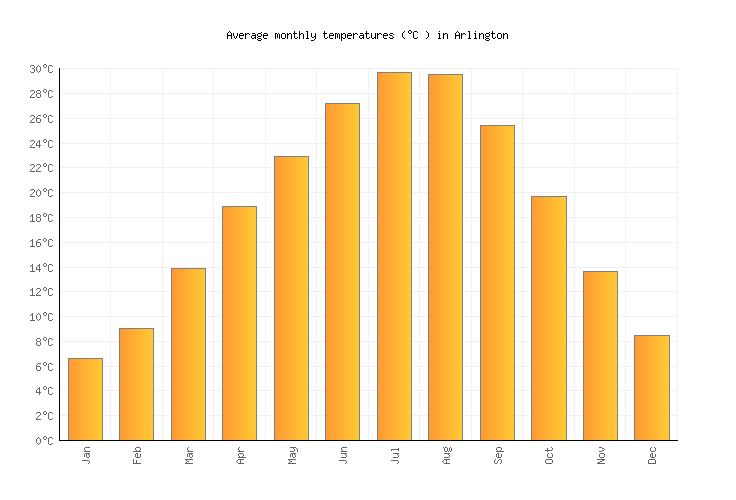
The spring season in Arlington is characterized by a rapid warming trend and increasing humidity. March often starts with cooler temperatures, similar to late winter, with average highs in the 60s Fahrenheit (15-20°C). However, by April and May, temperatures climb into the 70s and 80s Fahrenheit (21-32°C), with May frequently feeling like summer. Spring is also a time for increased rainfall, with showers and thunderstorms becoming more frequent as the season progresses. The blooming of flowers and the lush greenery make this a visually appealing time to visit, but travelers should be prepared for the potential for unseasonably warm days and the possibility of severe weather.
Seasonal Temperature Averages and Considerations
To provide a more detailed understanding, here are the typical average temperature ranges for each month in Arlington, Texas:
Monthly Temperature Breakdown
- January: Average High: 55°F (13°C), Average Low: 35°F (2°C)
- February: Average High: 59°F (15°C), Average Low: 38°F (3°C)
- March: Average High: 67°F (19°C), Average Low: 46°F (8°C)
- April: Average High: 75°F (24°C), Average Low: 54°F (12°C)
- May: Average High: 82°F (28°C), Average Low: 63°F (17°C)
- June: Average High: 90°F (32°C), Average Low: 71°F (22°C)
- July: Average High: 94°F (34°C), Average Low: 74°F (23°C)
- August: Average High: 94°F (34°C), Average Low: 73°F (23°C)
- September: Average High: 87°F (31°C), Average Low: 66°F (19°C)
- October: Average High: 77°F (25°C), Average Low: 55°F (13°C)
- November: Average High: 66°F (19°C), Average Low: 44°F (7°C)
- December: Average High: 57°F (14°C), Average Low: 37°F (3°C)
It is important to remember that these are averages, and actual temperatures can fluctuate considerably. Heatwaves can push summer temperatures well above 100°F (38°C), while cold fronts can bring prolonged periods of sub-freezing temperatures in the winter.
Packing and Preparation Recommendations
- Summer: Lightweight, breathable clothing is essential. Pack shorts, t-shirts, sundresses, and comfortable walking shoes. A wide-brimmed hat and sunglasses are highly recommended for sun protection. Don’t forget sunscreen and a reusable water bottle.
- Autumn: Layers are key. Pack a mix of short-sleeved and long-sleeved shirts, light sweaters or jackets, and comfortable trousers or jeans. A light rain jacket is also a good idea.
- Winter: Pack warmer clothing, including sweaters, long-sleeved shirts, and a heavier coat or jacket. Scarves, hats, and gloves may be necessary, especially for early mornings and evenings. Waterproof shoes can be beneficial in case of rain or occasional sleet.
- Spring: Similar to autumn, layers are advisable. Pack a variety of clothing that can be easily added or removed. Be prepared for warmer days and cooler evenings, as well as potential rain showers.
Factors Influencing Temperature
Several factors contribute to the temperature fluctuations in Arlington. Its inland location means it doesn’t benefit from coastal moderation. The presence of large urban areas, like nearby Dallas, can contribute to the urban heat island effect, slightly increasing temperatures. Additionally, prevailing wind patterns, particularly those coming from the Gulf of Mexico, can bring moisture and contribute to higher humidity levels during the warmer months.
Making the Most of [Arlington]’s Weather
The weather in Arlington, Texas plays a significant role in shaping the visitor experience. By understanding the seasonal temperature patterns and planning accordingly, travelers can ensure a comfortable and enjoyable trip. Whether you are here to catch a Dallas Cowboys game, explore the entertainment district, or visit the many family-friendly attractions, being informed about the temperature will enhance your visit. Always check the local forecast closer to your travel dates for the most accurate and up-to-date information.
LifeOutOfTheBox is a participant in the Amazon Services LLC Associates Program, an affiliate advertising program designed to provide a means for sites to earn advertising fees by advertising and linking to Amazon.com. Amazon, the Amazon logo, AmazonSupply, and the AmazonSupply logo are trademarks of Amazon.com, Inc. or its affiliates. As an Amazon Associate we earn affiliate commissions from qualifying purchases.