
When planning a journey to the capital city of Idaho, one of the first questions travelers ask is, “What is the temperature in Boise?” While the numbers on a thermometer provide a baseline, the true essence of tourism in this vibrant city is defined by how those temperatures shape the local culture, outdoor activities, and seasonal festivities. Nestled in the high desert of the United States, Boise offers a four-season climate that caters to every type of adventurer, from the sun-seeking river floater to the snow-loving alpine skier.

Seasonal Transitions and Tourist Activities
The climate in Boise is characterized by its semi-arid nature, meaning that while temperatures can fluctuate, the humidity remains low, making even the hottest days more manageable for sightseeing. Understanding the nuances of each season is essential for any visitor looking to maximize their experience in the Treasure Valley.
Spring Blooms and Mild Adventures
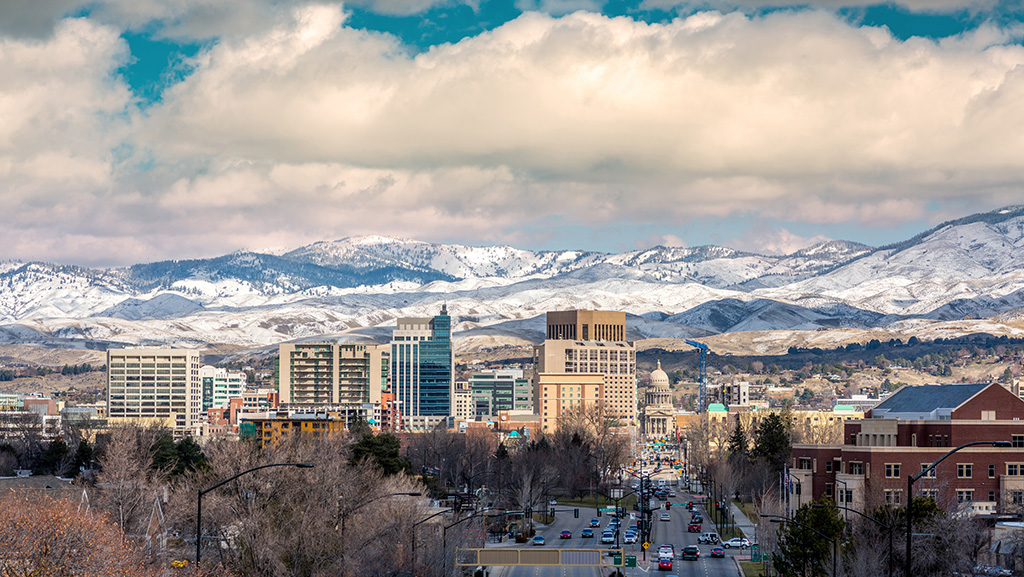
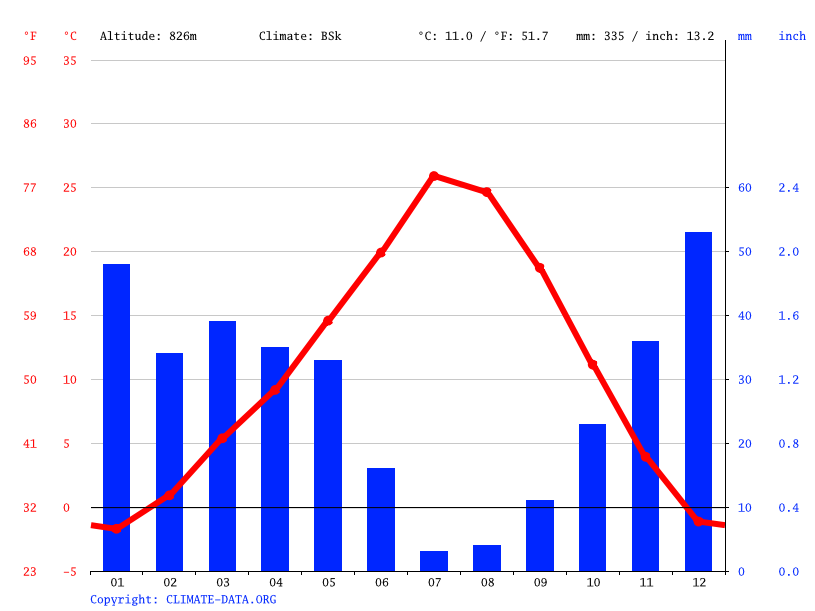
As the winter frost thaws, Boise transforms into a lush landscape, earning its nickname as the “City of Trees.” During the months of March through May, the temperature in Boise typically ranges from the mid-40s to the high 60s Fahrenheit. This mild climate is the perfect window for hikers and mountain bikers to tackle the Boise Foothills. The trails, such as those leading up to Table Rock, offer panoramic views of the city skyline and the Idaho State Capitol without the intense heat of the coming summer.
In the heart of the city, Julia Davis Park becomes a hub of activity. Tourists can wander through the Rose Garden or visit the Boise Art Museum and Zoo Boise comfortably. The spring air is crisp, necessitating light layers, but the sight of the Boise River rushing with snowmelt from the nearby Sawtooth National Forest is a spectacle of nature’s power.
Summer Heat and River Culture
When July and August arrive, the temperature in Boise frequently climbs into the 90s, occasionally breaking the 100-degree mark. However, the “dry heat” of Idaho allows for a unique brand of summer tourism. The centerpiece of summer life is the Boise River Greenbelt, a 25-mile scenic pathway that stays remarkably cool under a canopy of cottonwood trees.
Floating the Boise River is a rite of passage for any visitor. Starting at Barber Park and ending at Ann Morrison Park, this leisurely tube ride is the ultimate way to beat the afternoon sun. For those seeking more expansive waters, a short drive to Lucky Peak State Park provides opportunities for boating and swimming against a backdrop of desert cliffs. Evenings in the summer are particularly pleasant; as the sun sets behind the Owyhee Mountains, the temperature drops rapidly, creating the perfect environment for outdoor dining and rooftop cocktails.
Cultural Events and the Thermometer
The rhythm of Boise tourism is dictated as much by the calendar of events as it is by the weather. The city has cultivated a reputation for hosting world-class festivals that leverage the specific temperatures of the season to create an unforgettable atmosphere.
The Treefort Music Fest Experience
Originally a spring event but occasionally shifting based on regional planning, the Treefort Music Fest is a city-wide celebration of music, film, and art. When the temperature in Boise hovers in that “sweet spot” of the low 60s, the downtown core becomes a walkable playground. Tourists can hop between venues like the Knitting Factory or various pop-up stages. The moderate weather encourages a “street fair” vibe where local food trucks and craft breweries showcase the best of Idaho agriculture.
Winter Markets and Holiday Lights
Winter in Boise brings a different kind of magic. From December to February, temperatures usually sit between 20 and 40 degrees Fahrenheit. While the valley floor may only see occasional snow, the surrounding peaks are buried in white. This is the peak season for Bogus Basin, a mountain recreation area located just 16 miles from downtown. Tourists can enjoy a morning of skiing or snowboarding and return to the city for a warm meal by late afternoon.
In the city center, the holiday spirit is bolstered by the Winter Garden aGlow at the Idaho Botanical Garden. Walking through thousands of twinkling lights in the crisp, cold air is a favorite activity for families and couples alike. The temperature in Boise during this time demands heavy coats and scarves, but the warmth of the local community and the abundance of heated patios in the North End ensure that the cold never dampens the tourist experience.
Planning Your Trip Based on Local Weather Tips
To truly enjoy a visit to Boise, one must look beyond the daily high and low. The high-altitude environment of the Intermountain West means the sun is more intense, and the weather can change with little warning.
Packing Essentials for the High Desert
When considering the temperature in Boise, the most important tip for any tourist is to dress in layers. Even in the height of summer, a 30-degree temperature swing between day and night is common. A morning hike at Camel’s Back Park might require a light windbreaker, while the afternoon would necessitate sunblock and moisture-wicking fabrics.
For winter visitors, the “inversion” is a local phenomenon to be aware of. Sometimes, the valley stays cold and foggy while the mountains like Borah Peak are sunny and warmer. Checking the mountain webcams is a pro tip for tourists who want to find the sun during a gray winter week. Additionally, the dry climate means hydration is key; tourists often find themselves thirstier in Idaho than they do in coastal cities like Seattle or Portland.
Navigating the Boise Foothills Safely
The Boise Foothills are a primary draw for visitors, but the temperature plays a vital role in trail etiquette. During the spring and fall, trails can become muddy. The local tourism board and conservation groups often advise visitors to stay off muddy trails to prevent erosion. Conversely, in the summer, the temperature in the foothills can be significantly higher than in the city due to the lack of shade. Tourists are encouraged to start their treks at sunrise to avoid heat exhaustion and to witness the spectacular sunrise over the Idaho State Capitol.
Culinary Tourism Across the Seasons
The food scene in Boise has evolved significantly, and much of it is designed to complement the local climate. Whether it’s a refreshing cider in the heat or a hearty potato-based dish in the cold, the temperature in Boise dictates the menu.
Outdoor Dining on 8th Street
The pedestrian-friendly 8th Street is the heart of Boise dining. During the warmer months, the street is lined with umbrellas and misting systems to keep diners cool. This is the best place to sample local trout or seasonal salads featuring produce from the Capital City Public Market. The vibrant atmosphere, fueled by the warm evening air, makes it a must-visit for any food-focused tourist.
For a more historic vibe, the Hyde Park district in the North End offers charming patios where the temperature is moderated by the neighborhood’s old-growth trees. It is the perfect spot for an ice cream cone after a long day of exploring the Old Idaho Penitentiary.
Comfort Foods for Idaho Winters
When the temperature in Boise drops and the wind picks up, the city’s culinary focus shifts indoors. This is the time to explore Boise Basque culture. Idaho is home to one of the largest Basque populations outside of Spain, and the Basque Block offers hearty stews, lamb dishes, and chorizos that are perfect for a cold winter night.
Visitors can also take a day trip to McCall or Sun Valley to experience the high-mountain culinary scene, but many find that Boise offers a more accessible and diverse range of options. From the warm, artisanal breads found at local bakeries to the robust red wines produced in the nearby Snake River Valley, the flavors of Boise are deeply connected to the cycle of the seasons.
In conclusion, while the literal answer to “What is the temperature in Boise Idaho?” varies by the day, the functional answer is that it is a climate built for tourism. Every degree on the thermometer opens a new door to adventure, whether it is the cooling breeze of the Boise River in July or the crisp mountain air of Bogus Basin in January. By planning around these seasonal shifts, travelers can experience the very best of what this dynamic Pacific Northwest gem has to offer.
LifeOutOfTheBox is a participant in the Amazon Services LLC Associates Program, an affiliate advertising program designed to provide a means for sites to earn advertising fees by advertising and linking to Amazon.com. Amazon, the Amazon logo, AmazonSupply, and the AmazonSupply logo are trademarks of Amazon.com, Inc. or its affiliates. As an Amazon Associate we earn affiliate commissions from qualifying purchases.