
Cape Coral, Florida, a vibrant city nestled in Southwest Florida, is renowned for its extensive canal system, Gulf access, and, perhaps most importantly for travelers, its alluring subtropical climate. Understanding the typical temperature patterns in this unique destination is paramount for anyone planning a visit, as it significantly influences what to pack, what activities to pursue, and ultimately, the overall enjoyment of your trip. Far from a monotonous tropical heat, Cape Coral experiences distinct, albeit mild, seasonal shifts that offer varied experiences throughout the year. From the pleasantly warm winters that draw snowbirds from colder climes to the balmy, sun-drenched summers perfect for water enthusiasts, the local temperature dictates the rhythm of life and leisure here. This comprehensive guide will delve into the nuances of Cape Coral’s climate, providing travelers with the insights needed to plan an unforgettable Florida escape, perfectly attuned to the local thermometer.
Understanding Cape Coral’s Unique Climate
Cape Coral benefits from a humid subtropical climate, a classification that promises warm temperatures for the majority of the year, punctuated by a distinctive wet season and a drier, cooler period. Its geographical position on the southwestern coast of Florida, in close proximity to the Gulf of Mexico, plays a crucial role in moderating its temperatures. The vast expanse of the Gulf acts as a natural thermostat, warming the air in winter and providing a cooling sea breeze during the hotter months. This oceanic influence prevents extreme temperature fluctuations, making Cape Coral an attractive destination year-round. However, “warm” doesn’t mean static. The nuances between seasons are significant enough to warrant careful consideration when packing and planning activities.
The Influence of the Gulf of Mexico
The proximity to the Gulf of Mexico is the single most defining factor in Cape Coral’s climate. Warm Gulf waters contribute to higher humidity levels throughout the year, especially during the summer. These waters also serve to keep winter temperatures mild, rarely allowing frost or freezing conditions to settle for long. The prevailing sea breezes, particularly noticeable in the afternoons, offer a welcome respite from the summer heat, making outdoor activities more pleasant even on the warmest days. This continuous interaction with the Gulf shapes everything from the local flora and fauna to the preferred recreational activities, cementing water-based pursuits as central to the Cape Coral experience.
Average Temperature Ranges and Patterns
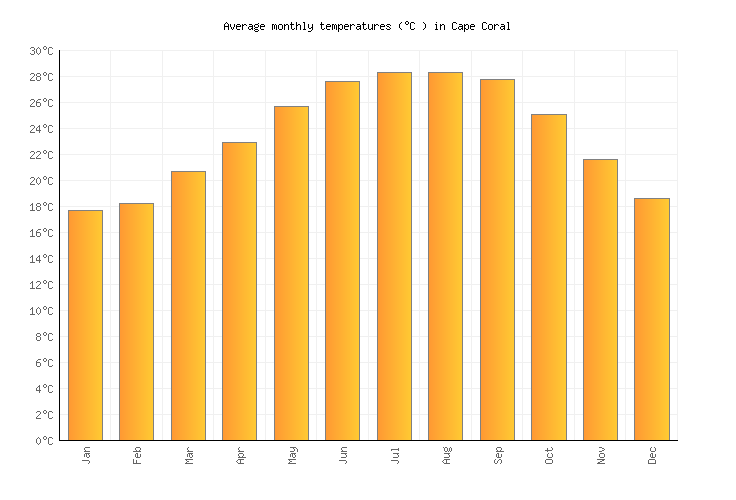
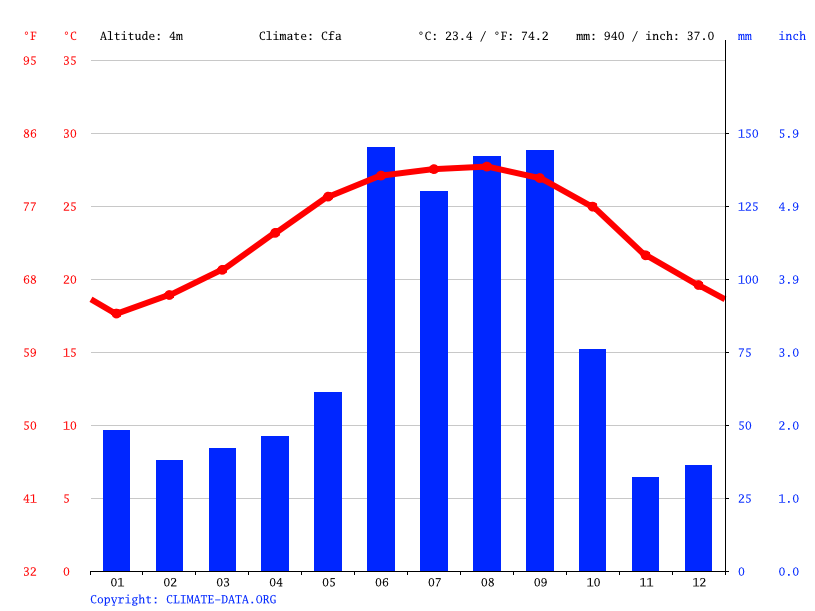
Generally, Cape Coral experiences average daily temperatures ranging from the low 60s Fahrenheit (around 16-18°C) in the winter months to the high 80s and low 90s Fahrenheit (around 30-34°C) in the summer. Nighttime temperatures typically drop by about 10-15 degrees Fahrenheit, offering comfortable evenings even after warm days. Precipitation follows a distinct pattern, with a dry season from roughly October to May and a wet season from June to September. The wet season is characterized by daily afternoon thunderstorms, often brief but intense, which help to cool the air and contribute to the lush subtropical landscape. Sunshine is abundant year-round, making sunglasses and sun protection essential regardless of the season.
Seasonal Breakdown: Navigating Cape Coral’s Temperatures Year-Round
Understanding the specific temperature characteristics of each season is key to maximizing your Cape Coral travel experience. Each period offers a distinct ambiance and range of optimal activities.
Winter (December to February): The Peak Season for Comfort
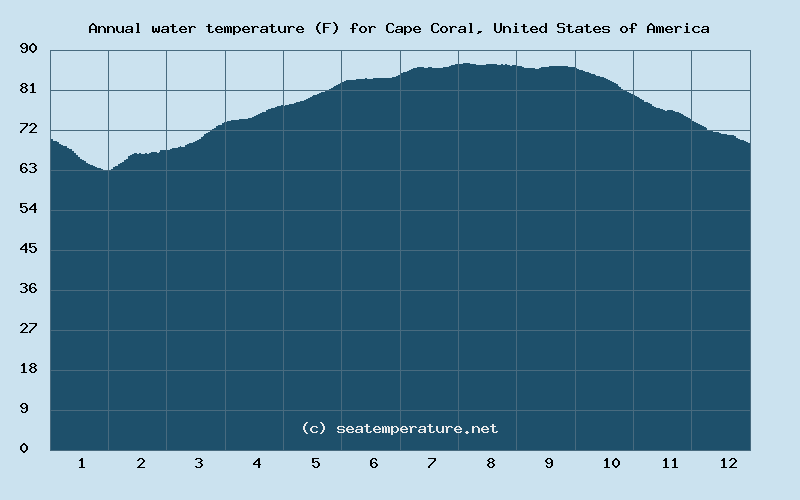
Winter in Cape Coral is idyllic, characterized by mild, dry, and sunny weather. Average daytime temperatures typically hover in the low to mid-70s Fahrenheit (21-24°C), with nights cooling down into the 50s Fahrenheit (10-15°C). This is the region’s driest period, meaning clear skies and abundant sunshine are the norm. The comfortable temperatures make it the most popular time to visit, attracting tourists seeking refuge from colder climates. While swimming in the Gulf or heated pools is still pleasant, the water temperature might be a bit cool for some, generally in the low 60s Fahrenheit.
Spring (March to May): Warming Up to Summer
Spring sees a gradual increase in temperatures and humidity, offering a beautiful transition period. March and April maintain much of winter’s pleasant dryness, with daytime averages climbing into the upper 70s to low 80s Fahrenheit (25-29°C). By May, temperatures regularly reach the mid-80s Fahrenheit (29-31°C), and humidity starts to become more noticeable. Rainfall remains relatively low compared to summer, making spring an excellent time for outdoor exploration before the peak heat and humidity of summer set in. The Gulf waters also begin to warm considerably, inviting more swimming and water sports.
Summer (June to August): Hot, Humid, and Thundery
Summer in Cape Coral is hot and humid, with average daytime temperatures consistently in the high 80s to low 90s Fahrenheit (31-34°C), often feeling even warmer due to the high humidity. Nighttime lows typically stay in the mid-70s Fahrenheit (24-25°C). This is the wet season, characterized by frequent, often daily, afternoon thunderstorms. These storms are usually short-lived, providing a dramatic downpour and a temporary cooling effect before the sun returns. Despite the heat, the warm Gulf waters (in the high 80s Fahrenheit) are perfect for swimming, boating, and enjoying the numerous water attractions.
Fall (September to November): Cooling Down and Quieting Down
Fall brings a welcome decrease in both temperature and humidity as the region transitions out of the wet season. September can still feel very much like summer, with high temperatures and occasional thunderstorms. However, by October and especially November, temperatures begin to drop into the low to mid-80s Fahrenheit (27-29°C) during the day and the 60s Fahrenheit (16-21°C) at night. The frequency of rain also diminishes significantly, leading to clearer, sunnier days. This period often offers some of the most pleasant weather of the year, similar to spring, but with fewer crowds as the peak tourist season approaches.
Planning Your Cape Coral Adventure: Activities & Packing by Season
The local temperatures profoundly shape the travel experience in Cape Coral. Tailoring your activities and packing list to the season ensures comfort and maximizes enjoyment.
Winter Wonders: Outdoor Exploration and Events
With its delightful winter temperatures, this is the prime time for extensive outdoor activities. Enjoy long walks along the beaches of nearby Fort Myers or Sanibel Island, kayaking through the canal system, or exploring nature preserves without the oppressive heat. Golfing and tennis are extremely popular. This season also hosts numerous outdoor festivals, art shows, and farmers markets. Pack layers: light jackets or sweaters for cooler evenings and early mornings, alongside comfortable shorts and t-shirts for sunny afternoons. Sunscreen, hats, and sunglasses are essential year-round.
Spring into Action: Boating, Beaches, and Wildlife
Spring’s warming temperatures are ideal for boating, fishing, and spending extended periods on the beaches. The water temperatures become increasingly inviting for swimming and snorkeling. It’s also an excellent time for wildlife viewing, as many migratory birds are still present. Kayaking and paddleboarding are particularly enjoyable on the calm waters. Packing should include swimwear, light clothing, and perhaps a light long-sleeved shirt for sun protection. Remember to bring sturdy walking shoes for exploring and bug spray, especially if venturing into natural areas.
Summer Fun: Water Parks, Indoor Attractions, and Early Mornings
Embrace the heat in summer by planning activities around water. SunSplash Family Waterpark is a popular destination, as are the local beaches and pools. Early mornings are best for outdoor activities like fishing, cycling, or a round of golf before the midday heat and afternoon thunderstorms. Indoor attractions, such as museums in nearby Fort Myers, shopping centers, or even a leisurely lunch at one of Cape Coral’s many restaurants, are perfect for the hottest parts of the day. Packing should prioritize lightweight, breathable fabrics like cotton or linen, multiple swimsuits, and reliable rain gear (a light raincoat or umbrella). Hydration is key, so carry a reusable water bottle.
Fall Favorites: Fishing, Festivals, and Fantastic Weather
Fall offers a fantastic balance of comfortable temperatures and fewer crowds. It’s an excellent time for fishing, as the waters are still warm and active. The cooling temperatures make it pleasant for exploring charming areas like Matlacha and Pine Island or enjoying a sunset cruise from Tarpon Point Marina. Many local festivals begin to ramp up in October and November. Light clothing is still appropriate for daytime, but a sweater or light jacket might be needed for cooler evenings, especially late in the season. Enjoy the quieter atmosphere before the winter rush begins.
Beyond Temperature: Humidity, Sunshine, and Weather Considerations
While temperature is a primary concern, other climatic factors significantly influence the comfort and enjoyment of a trip to Cape Coral.
Humidity’s Role in Perceived Temperature
Humidity is a constant companion in Southwest Florida, particularly from May through October. High humidity can make warm temperatures feel even hotter, as it hinders the body’s ability to cool itself through sweat evaporation. Travelers unaccustomed to humid conditions should factor this into their activity planning, opting for shaded areas, air-conditioned spaces, and frequent hydration breaks during the summer months. Even in winter, while humidity is lower, it is still noticeable compared to arid climates.
Abundant Sunshine: A Year-Round Reality
Cape Coral boasts an impressive number of sunny days annually, making it a desirable destination for sun-seekers. This abundant sunshine is wonderful for outdoor activities, but it also necessitates consistent sun protection. High SPF sunscreen, wide-brimmed hats, and UV-protective clothing are recommended throughout the year, especially between 10 AM and 4 PM when UV radiation is strongest. Even on cloudy days, UV rays can penetrate, so never underestimate the power of the Florida sun.
Hurricane Season and Travel Insurance
Florida is located in a hurricane-prone region, with the official hurricane season running from June 1st to November 30th. While direct hits are rare, tropical storms and hurricanes can impact weather conditions, leading to heavy rain, strong winds, and potential travel disruptions. The peak of the season is typically from August through October. Travelers planning visits during these months should stay informed about weather forecasts and consider purchasing travel insurance that covers weather-related cancellations or interruptions. Local authorities and media provide ample warning in the event of a developing storm, allowing time for preparation or evacuation if necessary.
In conclusion, Cape Coral’s temperature profile offers a diverse range of experiences throughout the year. From the comfortably cool and dry winters to the hot and humid summers, each season presents unique opportunities for exploration and relaxation. By understanding these climatic nuances and planning accordingly, visitors can ensure their trip to this Southwest Florida gem is as pleasant and fulfilling as the warm Florida sunshine itself.
LifeOutOfTheBox is a participant in the Amazon Services LLC Associates Program, an affiliate advertising program designed to provide a means for sites to earn advertising fees by advertising and linking to Amazon.com. Amazon, the Amazon logo, AmazonSupply, and the AmazonSupply logo are trademarks of Amazon.com, Inc. or its affiliates. As an Amazon Associate we earn affiliate commissions from qualifying purchases.