
Fairbanks, Alaska, a city nestled in the heart of the Interior Alaska region, is renowned worldwide for its dramatic temperature swings, from bone-chilling winters to surprisingly warm summers. For travelers planning a journey to this unique destination in the United States, understanding the local climate is not just a matter of curiosity; it’s fundamental to crafting an unforgettable and comfortable experience. Often referred to as the “Gateway to the Arctic,” Fairbanks promises adventures that are deeply intertwined with its extreme temperatures, offering everything from spectacular Northern Lights displays to invigorating outdoor summer pursuits under the Midnight Sun. Whether you’re seeking the solitude of a frosty landscape or the vibrancy of an endless summer day, Fairbanks’s mercury dictates the rhythm of life and the possibilities for exploration. This comprehensive guide will delve into the seasonal temperatures, what they mean for your travel plans, essential packing advice, and the incredible attractions that thrive in this fascinating climate.
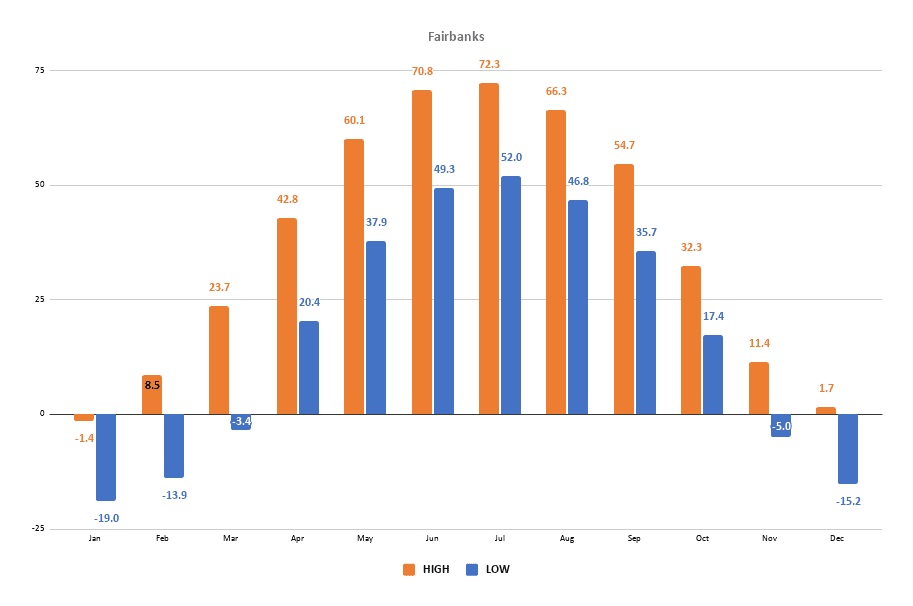
Understanding Fairbanks’ Extreme Climate: A Seasonal Overview
The defining characteristic of Fairbanks’s climate is its subarctic nature, resulting in pronounced seasonal variations. Situated just 120 miles south of the Arctic Circle, the city experiences distinct periods of extreme cold and surprising warmth, making it a destination of stark contrasts.
Winter Wonderland: Embracing the Deep Freeze (October to April)
For many, the image of Fairbanks is synonymous with its legendary winters. This season typically spans from October through April, characterized by consistently frigid temperatures and abundant snowfall.
- Temperatures: Average daily temperatures during the peak winter months (December, January, February) hover between -10°F to -20°F (-23°C to -29°C), though it’s not uncommon for mercury to plunge much lower, often reaching -40°F (-40°C) or even colder. Record lows have touched -66°F (-54°C), a testament to the city’s extreme climate. While these numbers might sound daunting, the dry Arctic air often makes the cold feel less penetrating than humid cold at higher temperatures.
- Daylight: A significant factor during winter is the limited daylight. Around the winter solstice in December, Fairbanks experiences only a few hours of indirect sunlight, creating an ethereal twilight landscape for much of the day. This “polar night” effect is, however, precisely what makes Fairbanks one of the best places on Earth to witness the mesmerizing Northern Lights (Aurora Borealis). The long, dark nights provide an expansive canvas for the celestial ballet.
- Activities: Despite (or perhaps because of) the cold, winter in Fairbanks is a hub of unique activities. Dog sledding tours, ice fishing on frozen lakes, snowmobiling through vast wilderness trails, and cross-country skiing are popular pursuits. The city also hosts the World Ice Art Championship (presented by Ice Alaska) from February to March, transforming parks into dazzling open-air galleries of intricate ice sculptures. Cozy accommodations with roaring fires and hearty local cuisine become even more appealing, offering a warm refuge from the cold.
Summer’s Midnight Sun: Warmth and Endless Days (May to September)
As the ice melts and the snow recedes, Fairbanks undergoes a dramatic transformation into a vibrant summer paradise, basked in nearly continuous daylight.
- Temperatures: Summer temperatures are surprisingly pleasant and often quite warm. From June to August, average daytime temperatures typically range from 60°F to 75°F (15°C to 24°C), with highs occasionally reaching into the 80s°F (27°C) or even low 90s°F (32°C). The record high for Fairbanks is a balmy 99°F (37°C), demonstrating the impressive range of its climate. The air is generally dry, making these temperatures feel quite comfortable, even during warmer spells.
- Daylight: The most striking feature of a Fairbanks summer is the phenomenon of the Midnight Sun. From late May to late July, the sun never fully sets, casting a golden glow over the landscape for 24 hours a day. This abundance of light energizes locals and visitors alike, extending the hours available for outdoor adventures.
- Activities: Summer unlocks a different set of activities. Hiking and mountain biking on scenic trails, salmon fishing in rivers like the Tanana River, riverboat cruises, and wildlife viewing opportunities abound. Golf courses operate late into the night, allowing for rounds played under the glowing sun. Visitors can explore the region’s rich Gold Rush history, visit local farms and botanical gardens like the Georgeson Botanical Garden, or even take day trips to nearby natural wonders such as Denali National Park (though this is a significant journey from Fairbanks itself). Accommodation during summer can be competitive, as it’s a popular time for cruises and independent travelers, so booking ahead is advisable.
Planning Your Trip Around the Thermometer: Travel Implications
The extreme temperature variations in Fairbanks mean that timing your visit and packing appropriately are paramount to a successful trip. The “best” time to visit entirely depends on your desired experiences.
When to Visit: Matching Desires with Degrees

- For the Northern Lights Enthusiast (Late August to April): The colder, darker months are prime for aurora viewing. While the lights can be seen as early as late August, the deeper winter offers more consistent darkness and often clearer skies. Temperatures will range from chilly to severely cold, requiring significant preparation. Accommodation during this period, especially around peak aurora season, tends to be popular, with many hotels and lodges offering aurora wake-up calls.
- For the Midnight Sun Explorer and Outdoor Adventurer (June to August): If endless daylight, hiking, fishing, and a milder climate appeal to you, summer is your season. Expect pleasant to warm temperatures, vibrant greenery, and a bustling atmosphere. This is ideal for exploring the natural beauty of Alaska without the extreme cold. However, be prepared for longer daylight hours potentially affecting sleep patterns and an increased presence of mosquitoes in some areas.
- Shoulder Seasons (May & September): These months offer a transition. May brings increasing daylight and warming temperatures, with some snow still on the ground, but fewer crowds. September offers crisp air, stunning fall foliage as the leaves turn golden, and a chance to catch early aurora displays as darkness returns. Temperatures during these times are moderate, making them a good choice for travelers seeking a balance between activities and a more relaxed atmosphere.
Packing Essentials for Fairbanks’ Fluctuations
Regardless of the season, layering is key, but the emphasis shifts dramatically between winter and summer.
- Winter (October – April): This requires serious preparation.
- Outerwear: A heavy, insulated, waterproof/windproof parka (rated for -40°F/-40°C or colder is ideal).
- Mid-layers: Fleece jackets, down vests, wool sweaters.
- Base-layers: Thermal underwear (wool or synthetic, never cotton).
- Legs: Insulated snow pants or ski pants over thermal leggings.
- Footwear: Insulated, waterproof winter boots (rated for extreme cold) with thick wool socks.
- Accessories: A warm hat covering ears, an insulated neck gaiter or balaclava, thick mittens (warmer than gloves) or glove liners with waterproof over-mitts. Hand and foot warmers are also highly recommended.
- Eyewear: Sunglasses for bright snow glare, and ski goggles for windy conditions.
- Summer (May – September): While milder, still prepare for varied conditions.
- Outerwear: A waterproof and windproof jacket.
- Mid-layers: Fleece or light sweater for cool evenings or chilly days.
- Base-layers: T-shirts and long-sleeved shirts (synthetic or breathable fabrics).
- Legs: Jeans, convertible pants, shorts.
- Footwear: Comfortable walking shoes, hiking boots, and maybe sandals for very warm days.
- Accessories: Hat for sun protection, sunglasses, insect repellent (mosquitoes can be prevalent), and an eye mask for sleeping through the Midnight Sun.
Beyond the Temperature: Fairbanks’ Unique Attractions and Lifestyle
While temperature dictates much of the experience, Fairbanks offers a rich tapestry of attractions and a distinct lifestyle that captivates visitors, regardless of the thermometer’s reading. The city, often called the “Golden Heart City,” embraces its environment, turning climatic challenges into unique opportunities for tourism and local culture.
Iconic Experiences, Whatever the Weather
Fairbanks boasts a variety of attractions that are either enhanced by its climate or offer a warm escape from it.
- Chena Hot Springs Resort: A must-visit destination, located just an hour northeast of Fairbanks. This natural hot spring resort provides an idyllic retreat, especially in winter when you can soak in the mineral-rich waters surrounded by snow, perhaps even spotting the Northern Lights overhead. The resort also features an Ice Museum built entirely of ice and snow, maintained year-round.
- University of Alaska Museum of the North: This world-class museum offers a deep dive into Alaska’s natural and cultural history. Its exhibits cover everything from ancient ice age animals to contemporary Alaska Native art, providing a fascinating indoor activity perfect for any weather.
- Santa Claus House in North Pole, Alaska: Just a short drive south of Fairbanks, this festive attraction allows visitors to experience Christmas year-round, send postcards stamped from North Pole, and even meet Santa. It’s a charming diversion, especially for families.
- Morris Thompson Cultural and Visitors Center: This modern center serves as an excellent starting point for any Fairbanks visit, offering extensive information on local attractions, cultural exhibits, and a warm, inviting space to learn about the region.
- Local Cuisine and Culture: The lifestyle in Fairbanks is defined by its resilience and connection to the wilderness. Sample local delights like Alaskan salmon, reindeer sausage, and fresh berries. Engage with local artists and craftsmen, whose work often reflects the majestic beauty and ruggedness of the Alaskan landscape.

Accommodation Choices in a Land of Extremes
Fairbanks offers a range of accommodation options to suit various budgets and travel styles, all designed to provide comfort against the elements. From luxury resorts to cozy B&Bs, your choice of lodging can significantly enhance your experience.
- Luxury and Full-Service Hotels: Options like the Fairbanks Princess Riverside Lodge and Pike’s Waterfront Lodge offer comprehensive amenities, including on-site dining, tour desks, and comfortable rooms, often with scenic views of the Chena River. Many provide special packages for aurora viewing or summer activities.
- Boutique Hotels and Bed & Breakfasts: For a more personalized experience, numerous charming B&Bs offer local insights, homemade breakfasts, and a cozy atmosphere. These often provide a more intimate base for exploring the area.
- Budget-Friendly Options: Several motels and extended-stay hotels cater to travelers looking for more economical choices, without compromising on essential comforts like heating or air conditioning.
- Unique Stays: Some accommodations offer cabins or yurts, allowing for a more rustic yet comfortable experience, often closer to nature and ideal for aurora viewing away from city lights.
- Essential Amenities: Regardless of your choice, ensure your accommodation offers reliable heating in winter and, increasingly, air conditioning in summer, especially important for managing the Midnight Sun for sleeping. Many hotels also provide shuttle services to the airport or popular attractions.
The temperature in Fairbanks, Alaska, is more than just a number on a thermometer; it’s an intrinsic part of its identity and a powerful determinant of the unique experiences it offers. From the biting cold of a starry winter night, perfect for chasing the Northern Lights, to the unending warmth of a Midnight Sun summer ripe for outdoor adventures, Fairbanks promises a journey unlike any other. By understanding and preparing for its dramatic climate, travelers can unlock the full potential of this Alaskan gem, transforming extreme temperatures into opportunities for extraordinary memories. Plan your visit thoughtfully, pack wisely, and prepare to be enchanted by the magic of Fairbanks, where every season tells a different, compelling story.
LifeOutOfTheBox is a participant in the Amazon Services LLC Associates Program, an affiliate advertising program designed to provide a means for sites to earn advertising fees by advertising and linking to Amazon.com. Amazon, the Amazon logo, AmazonSupply, and the AmazonSupply logo are trademarks of Amazon.com, Inc. or its affiliates. As an Amazon Associate we earn affiliate commissions from qualifying purchases.