
The question “What’s the temperature in Flagstaff, Arizona?” is more than just a query for immediate weather conditions; it’s a gateway to understanding the unique character of this high-altitude city. Nestled in the heart of Northern Arizona, Flagstaff enjoys a distinct climate influenced by its elevation of over 7,000 feet above sea level. This elevation is the primary reason for its cooler temperatures compared to the sprawling desert cities like Phoenix and Tucson, making it a year-round destination for travelers seeking a respite from the heat or a charming winter wonderland. Understanding Flagstaff’s temperature is crucial for planning any trip, from packing the right clothing to selecting the best activities, ensuring your visit is as comfortable and enjoyable as possible.

Flagstaff’s climate is characterized by four distinct seasons, each offering a unique experience. The city experiences warm summers, crisp autumns, cold and snowy winters, and mild springs. This varied weather pattern is a significant draw for tourists, influencing everything from the types of festivals held to the availability of outdoor adventures. Whether you’re dreaming of hiking through pine forests under a clear blue sky, enjoying a cozy fireplace in a mountain lodge, or marveling at the vibrant fall foliage, knowing the temperature is your first step to unlocking Flagstaff’s potential.
Understanding Flagstaff’s Climate: A Seasonal Overview
Flagstaff’s temperate climate is a defining feature, distinguishing it significantly from much of the rest of Arizona. The city’s high elevation plays a pivotal role, moderating summer highs and contributing to significant snowfall in the winter. This makes it a fascinating study in microclimates within a state often associated with extreme desert heat. For travelers, this means packing layers is always a good idea, as conditions can change rapidly throughout the day and across the seasons.
Summer in Flagstaff: Warm Days and Cool Nights
From June through August, Flagstaff experiences its summer season. Unlike the scorching temperatures found in lower elevations, Flagstaff’s summer days are typically warm and pleasant, with average high temperatures ranging from the mid-70s to the low 80s Fahrenheit. This makes it an ideal time for outdoor activities. Mornings and evenings, however, can still be cool, often dropping into the 50s Fahrenheit, so a light jacket or sweater is recommended. Thunderstorms are common in the late afternoons during July and August, often bringing refreshing rain showers and spectacular lightning displays. These afternoon storms rarely disrupt daytime activities significantly and can even enhance the lush, green landscape. The consistent warmth without extreme heat allows for extended periods of exploration of the surrounding natural beauty, from the trails of the San Francisco Peaks to the historic downtown area.
Autumn in Flagstaff: Crisp Air and Vibrant Colors
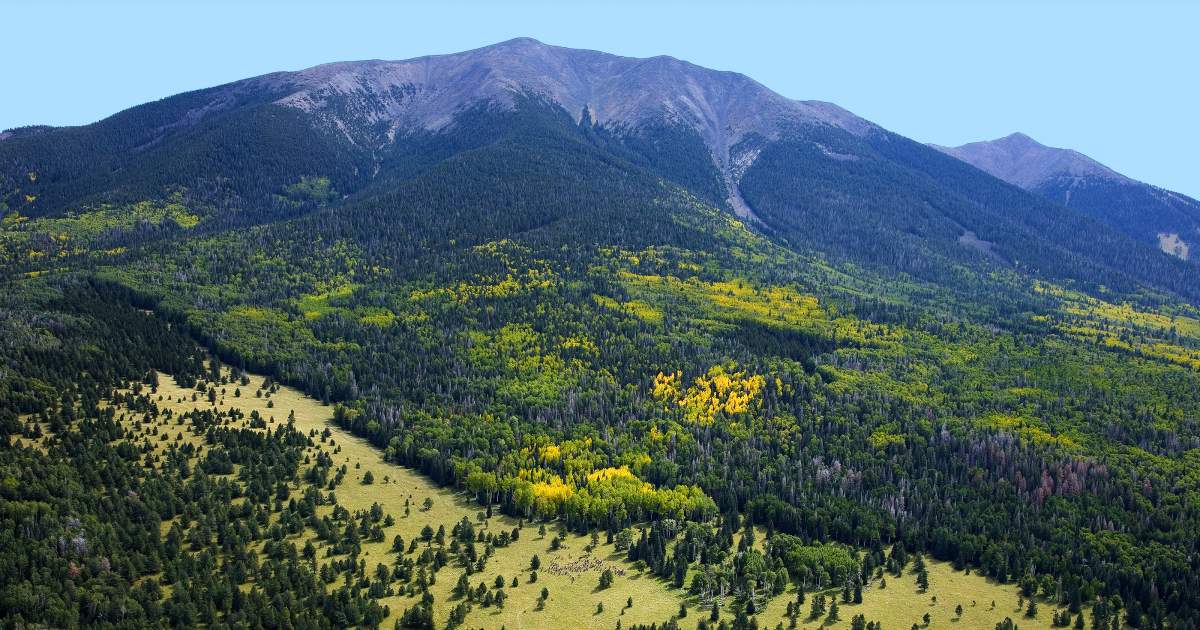
September, October, and November mark the arrival of autumn in Flagstaff, arguably one of the most picturesque seasons. The summer heat recedes, replaced by crisp, cool air. Daytime temperatures typically hover in the 60s Fahrenheit, while nighttime lows dip into the 30s and 40s Fahrenheit. This is a prime time for hiking and exploring as the Ponderosa pine forests surrounding the city take on a beautiful golden hue. The aspens, particularly at higher elevations, offer a stunning display of yellow and orange. The weather is generally stable, with sunny days and clear, cool nights, perfect for stargazing. As the season progresses, particularly in late October and November, the possibility of early snowfall increases, signaling the transition towards winter.
Winter in Flagstaff: Snowfall and Cozy Escapes
Winter in Flagstaff, from December through February, is a true winter wonderland. The city receives a significant amount of snowfall, with average accumulations often exceeding 100 inches annually. Daytime temperatures typically range from the high 30s to the low 40s Fahrenheit, while nighttime temperatures frequently drop below freezing, reaching into the teens and 20s Fahrenheit. This makes it a popular destination for winter sports enthusiasts. Ski resorts like Arizona Snowbowl offer excellent conditions for skiing and snowboarding. Even if you’re not hitting the slopes, the snow-covered landscape provides a magical backdrop for leisurely strolls, hot chocolate breaks, and enjoying the cozy ambiance of Flagstaff’s many lodges and restaurants. Packing warm clothing, including hats, gloves, and waterproof outerwear, is essential for a comfortable winter visit.
Spring in Flagstaff: A Transition with Lingering Chill
March, April, and May represent the spring season in Flagstaff. This is a period of transition, where the lingering chill of winter gradually gives way to warmer temperatures. March can still see significant snowfall, and early April can be quite cold. Daytime temperatures begin to rise, typically in the 50s and 60s Fahrenheit, but nights remain cool, often in the 30s and 40s Fahrenheit. As spring progresses, the snow melts, and the landscape begins to bloom, though this can be a slower process at higher altitudes. It’s a good time for hiking and exploring the lower trails, but visitors should be prepared for variable weather conditions, including late-season snowstorms. The thawing of the land and the emergence of greenery offer a hopeful prelude to the warmer summer months.
Planning Your Visit Based on Flagstaff’s Temperature

Understanding the typical temperatures for each season in Flagstaff is paramount for effective travel planning. This knowledge directly impacts what you should pack, what activities are best suited for your visit, and even where you might choose to stay. For instance, a summer trip might focus on hiking and outdoor festivals, while a winter visit calls for ski gear and indoor cozy experiences.
Packing Essentials: Dressing for the Altitude
Given Flagstaff’s distinct climate, packing strategically is key to a comfortable and enjoyable stay. The rule of thumb is to pack layers, regardless of the season.
- Summer: While days are warm, evenings can be cool. Pack t-shirts, shorts, comfortable walking shoes, a light jacket or fleece, and sunscreen. Don’t forget rain gear, as afternoon thunderstorms are common.
- Autumn: Similar to summer, but with a greater emphasis on warmth. Long-sleeved shirts, sweaters, jeans, a medium-weight jacket, and sturdy walking shoes are advisable. Scarves and hats can be useful for cooler mornings and evenings.
- Winter: This is when warm clothing is non-negotiable. Thermal base layers, insulated pants, heavy sweaters or fleece, a waterproof and windproof winter coat, waterproof boots, a warm hat, gloves, and a scarf are essential.
- Spring: A mix of winter and summer clothing is often needed. Layers are crucial. Pack t-shirts, long-sleeved shirts, a fleece jacket, jeans or warmer pants, and a waterproof outer layer. Waterproof shoes are a good idea, especially early in the season.
Activities Tailored to the Weather
Flagstaff’s temperature dictates a wide array of activities, catering to diverse interests throughout the year.
- Summer: Ideal for exploring the Grand Canyon National Park (a short drive away), hiking in the Coconino National Forest, visiting Walnut Canyon National Monument, exploring the Lowell Observatory, and enjoying the vibrant downtown area with its shops and restaurants. Outdoor concerts and farmers’ markets are also popular.
- Autumn: Perfect for scenic drives to witness the fall colors, hiking amidst the golden aspens, exploring historical sites like the Riordan Mansion State Historic Park, and enjoying crisp evening walks. The Grand Canyon Railway offers stunning views throughout the year, but the fall foliage adds an extra layer of beauty.
- Winter: Focus shifts to snow sports at Arizona Snowbowl, enjoying the winter scenery with snowshoeing or cross-country skiing, visiting the charming town of Williams, Arizona, for its Route 66 ambiance, and partaking in holiday events. The Polar Express train ride from Williams is a beloved winter tradition.
- Spring: As the snow melts, hiking trails begin to open up, offering opportunities to see wildflowers. Visiting attractions like Wupatki National Monument and Sunset Crater Volcano National Monument becomes more accessible. It’s also a good time for exploring the shops and culinary scene in downtown Flagstaff.
Accommodation and Lifestyle Considerations
Your choice of accommodation in Flagstaff can significantly enhance your experience, and the city offers options to suit various budgets and travel styles, all influenced by the prevailing weather.
Choosing Your Stay: From Cozy Lodges to Downtown Hotels
Flagstaff offers a range of lodging options, from rustic cabins and mountain lodges to modern hotels and vacation rentals. For those seeking a quintessential mountain experience, especially during winter, a cozy lodge or cabin with a fireplace is ideal. Hotels in downtown Flagstaff provide easy access to restaurants, shops, and cultural attractions, making them a convenient choice year-round. Several resorts and hotels cater to families, couples, and business travelers, many offering amenities like swimming pools (indoor options are great for cooler months) and on-site dining. Considering booking in advance, especially during peak seasons like summer and winter holidays, is highly recommended to secure your preferred accommodation. Popular areas to consider include downtown for convenience and proximity to amenities, or areas just outside the city for a more secluded, nature-focused retreat.
Lifestyle and Travel Tips for Flagstaff
Flagstaff embraces a lifestyle that balances outdoor adventure with a relaxed, small-town charm. It’s a destination that appeals to a wide range of travelers, from luxury seekers to budget-conscious families.
- Luxury Travel: Indulge in high-end resorts, fine dining experiences in downtown Flagstaff, and perhaps a scenic helicopter tour over the nearby Grand Canyon.
- Budget Travel: Take advantage of Flagstaff’s many free outdoor activities, such as hiking and exploring the national forests. Consider staying in budget-friendly motels or vacation rentals slightly further from the city center. Pack picnics to save on dining costs.
- Family Trips: Flagstaff is incredibly family-friendly. The Lowell Observatory offers engaging science programs, Bearizona Wildlife Park provides a drive-through safari experience, and numerous parks and trails are perfect for outdoor exploration. Winter brings the magic of snow, making it ideal for family sledding and beginner ski lessons.
- Business Stays: Flagstaff has a growing business sector, and hotels cater to corporate travelers with amenities like business centers, meeting rooms, and Wi-Fi. The city’s relaxed atmosphere also makes it a pleasant place for business trips, offering opportunities for outdoor recreation after work hours.
When visiting Flagstaff, embracing the local culture means appreciating its Native American heritage, its Route 66 past, and its strong connection to the natural environment. Respecting the altitude is also important; stay hydrated and take it easy on your first day. Whether you’re drawn by the allure of its captivating temperatures, the promise of outdoor adventures, or the charm of its high-altitude setting, Flagstaff, Arizona, offers an unforgettable experience.
LifeOutOfTheBox is a participant in the Amazon Services LLC Associates Program, an affiliate advertising program designed to provide a means for sites to earn advertising fees by advertising and linking to Amazon.com. Amazon, the Amazon logo, AmazonSupply, and the AmazonSupply logo are trademarks of Amazon.com, Inc. or its affiliates. As an Amazon Associate we earn affiliate commissions from qualifying purchases.