
Florida, often hailed as the “Sunshine State,” beckons millions of travelers each year with its promise of warm weather, stunning beaches, and a vibrant tapestry of attractions. From the enchanting theme parks of Orlando to the sun-drenched shores of Miami and the laid-back charm of Key West, Florida offers an escape for every type of adventurer. But with such a vast and diverse landscape, understanding “what’s the temperature in Florida” is more nuanced than a simple number. It’s about knowing how the climate influences your travel plans, dictates your packing list, and shapes your overall experience, from choosing the perfect resort to exploring local culture.
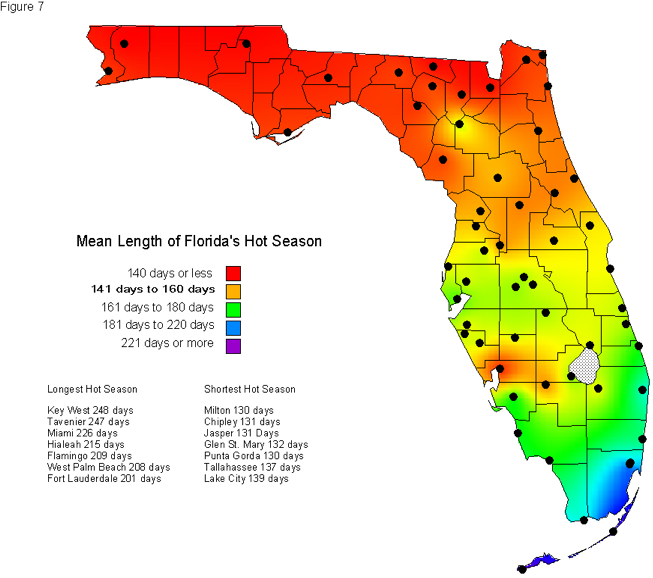
The state’s geographic position, stretching from the temperate climes of the Panhandle down to the tropical latitude of the Florida Keys, means that temperatures can vary significantly depending on the region and the time of year. This guide delves into Florida’s fascinating climate, offering insights into what to expect across its diverse regions and seasons, helping you plan an unforgettable trip that perfectly aligns with your preferred weather conditions. Whether you’re chasing winter sun, planning a summer family adventure, or seeking a tranquil spring getaway, understanding Florida’s mercury is key to unlocking its full potential as a premier travel destination.
Understanding Florida’s Diverse Climate
Florida’s climate is predominantly subtropical, characterized by warm, humid summers and mild, dry winters. However, the southern tip of the peninsula, including areas like Miami-Dade County and the Keys, ventures into a true tropical climate, where frost is a rarity and humidity remains high year-round. This north-to-south gradient creates distinct temperature profiles across the state, influencing everything from natural ecosystems to the rhythm of tourism.
Regional Variations: North to South
North Florida: Extending from Jacksonville across the Panhandle to Pensacola, North Florida experiences more pronounced seasonal changes. Winters here can be cooler, with occasional cold fronts bringing temperatures into the 40s Fahrenheit (4-9°C), and even rare, brief freezes. Summers are hot and humid, similar to much of the Southeast U.S., with daily highs often in the low 90s (32-35°C). Spring and fall offer delightful, moderate weather, making them ideal times to visit historical sites like St. Augustine or the pristine beaches of Amelia Island.
Central Florida: Home to the world-renowned theme parks of Orlando and the vibrant Gulf Coast cities of Tampa and St. Petersburg, Central Florida enjoys a classic subtropical climate. Winters are pleasantly mild, with average highs in the 70s (21-26°C), perfect for exploring Walt Disney World Resort or Universal Studios Florida. Summers are hot and humid, with frequent afternoon thunderstorms providing a brief but welcome cool-down. These daily showers are usually short-lived, allowing plenty of time for outdoor activities, especially if planned for the mornings.
South Florida and The Keys: This region, encompassing Fort Lauderdale, Palm Beach, Naples, and the entirety of the Florida Keys, boasts a truly tropical climate. Winter temperatures rarely drop below 65°F (18°C), making it a prime destination for “snowbirds” seeking guaranteed warmth. Summer temperatures consistently hover in the high 80s to low 90s (30-34°C), accompanied by high humidity and a distinct rainy season from June to October. The ocean breezes in coastal areas like South Beach often provide some relief from the heat.
A Seasonal Breakdown: What to Expect When
Winter (December – February): The Peak Season
Florida’s winter is arguably its most celebrated season. Temperatures across the state are generally mild to warm, with abundant sunshine and significantly lower humidity.
- North Florida: Average highs 60-70°F (15-21°C), lows 40-50°F (4-10°C).
- Central Florida: Average highs 70-75°F (21-24°C), lows 50-55°F (10-13°C).
- South Florida & Keys: Average highs 75-80°F (24-27°C), lows 60-70°F (15-21°C).
This period is ideal for outdoor activities, from golfing and fishing to enjoying theme parks without the oppressive summer heat. It’s also prime time for festivals and events, attracting large crowds, which means higher prices for accommodation and travel.
Spring (March – May): Pleasant and Popular
Spring offers a beautiful transition with steadily rising temperatures and relatively low humidity, especially in early spring. It’s a very popular time for families and spring breakers.
- North Florida: Average highs 70-80°F (21-27°C), lows 50-60°F (10-15°C).
- Central Florida: Average highs 75-85°F (24-29°C), lows 55-65°F (13-18°C).
- South Florida & Keys: Average highs 80-88°F (27-31°C), lows 65-75°F (18-24°C).
The weather is generally stable, making it excellent for exploring natural attractions, engaging in water sports, and enjoying al fresco dining.
Summer (June – August): Hot, Humid, and Rainy
Summer in Florida is defined by heat, high humidity, and a distinct rainy season, which brings frequent, often intense afternoon thunderstorms.
- North Florida: Average highs 90-95°F (32-35°C), lows 70-75°F (21-24°C).
- Central Florida: Average highs 90-92°F (32-33°C), lows 73-77°F (23-25°C).
- South Florida & Keys: Average highs 88-91°F (31-33°C), lows 75-80°F (24-27°C).
While temperatures are high, the daily rain showers typically last an hour or so, clearing up for pleasant evenings. This season is perfect for water parks, swimming, and enjoying attractions with air-conditioned interiors. It also typically sees lower crowds and better deals on hotels compared to peak winter months.
Fall (September – November): A Gradual Cooling
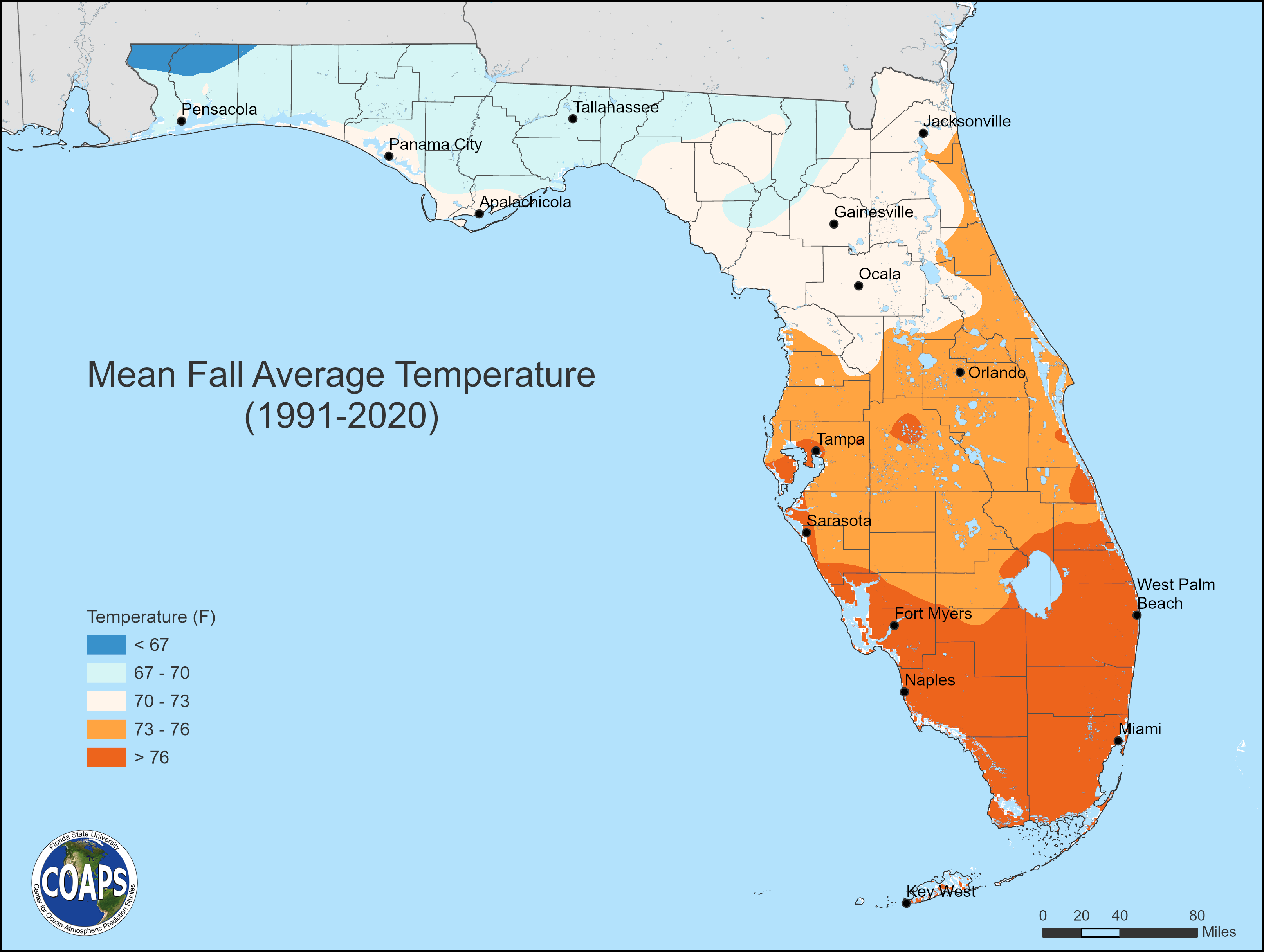
Fall offers a gradual decline in temperatures and humidity, particularly towards late October and November. However, it also coincides with the peak of hurricane season, which requires vigilance.
- North Florida: Average highs 70-85°F (21-29°C), lows 55-65°F (13-18°C).
- Central Florida: Average highs 80-88°F (27-31°C), lows 65-70°F (18-21°C).
- South Florida & Keys: Average highs 85-90°F (29-32°C), lows 70-75°F (21-24°C).
By late fall, the weather becomes quite pleasant across the state, resembling spring conditions and offering an excellent time for outdoor activities with fewer crowds than winter.
Planning Your Florida Adventure: Weather-Wise Travel
Understanding Florida’s temperatures is paramount for crafting the perfect itinerary and ensuring a comfortable, enjoyable trip. Each season presents unique opportunities and challenges, making strategic planning essential for maximizing your tourism experience.
Top Activities & Attractions for Every Season
Winter Wonders: This is the ideal time for exploring Everglades National Park, where cooler temperatures mean more active wildlife and fewer mosquitoes. Enjoy leisurely strolls along the beaches of Sarasota or Naples, partake in outdoor festivals, or spend full days at theme parks like Busch Gardens Tampa Bay without the intense summer heat. Golfing and fishing are also at their peak.
Spring Fling: Spring’s mild weather is perfect for visiting gardens and nature preserves, such as the Bok Tower Gardens or taking eco-tours. It’s also an excellent time for beach vacations, as the water temperatures begin to warm up, making swimming more inviting. Major sporting events, like spring training baseball, draw crowds, adding to the vibrant atmosphere.
Summer Fun: Embrace the heat with water-centric activities. Florida’s countless beaches, water parks (like Typhoon Lagoon or Volcano Bay), and natural springs (such as those in Ocala National Forest) offer refreshing escapes. Indoor attractions, including museums, aquariums (like the Florida Aquarium), and the Kennedy Space Center Visitor Complex, provide excellent air-conditioned alternatives during the hottest parts of the day. Plan outdoor activities for mornings and evenings.
Fall Favorites: As temperatures cool, fall becomes an excellent time for exploring landmarks and cities on foot. Historical districts, like those in St. Augustine, are particularly enjoyable. It’s also a great season for fishing, kayaking, and hiking in state parks, benefiting from fewer crowds and more comfortable temperatures.
Choosing Your Accommodation: Comfort in Any Climate
Florida’s diverse climate significantly impacts accommodation choices. During the hot summer months, a hotel or resort with a fantastic pool, robust air conditioning, and perhaps even indoor attractions becomes a priority. Properties like the Hyatt Regency Orlando or Loews Portofino Bay Hotel near theme parks are designed to offer cool comfort and abundant amenities, making summer stays luxurious and convenient.
In contrast, during the mild winter and spring, properties emphasizing outdoor spaces, balconies, and proximity to beaches or nature trails become highly desirable. Upscale beachfront resorts such as The Breakers Palm Beach or the historic The Don CeSar in St. Pete Beach truly shine when the weather allows for maximum outdoor enjoyment. For those planning a longer stay or seeking a more home-like experience, villas or apartments often come equipped with private pools or access to communal facilities, catering to various lifestyle preferences, whether it’s luxury travel or a budget-friendly family trip. Always check the amenities to ensure they align with the expected temperatures and your desired activities.
Essential Packing and Weather Preparedness
No matter the season, intelligent packing is crucial for a comfortable Florida vacation. Layers are always a good idea, especially during winter and spring when mornings can be cool and afternoons warm up significantly. Sun protection – hats, sunglasses, and high-SPF sunscreen – is non-negotiable year-round, given Florida’s powerful sun.
For summer travel, lightweight, breathable clothing (cotton, linen) is essential. A light rain jacket or umbrella is a must-have for the inevitable afternoon showers. Comfortable walking shoes are always recommended, especially if you plan to explore theme parks or extensive outdoor attractions. If you’re visiting in winter, particularly in North or Central Florida, bring a sweater or light jacket for evenings and early mornings.
Navigating Hurricane Season with Confidence
One critical aspect of Florida’s temperature and climate conversation is hurricane season, which officially runs from June 1st to November 30th, with peak activity typically from August through October. While direct hits are relatively rare for any single location, it’s wise to be prepared.
- Stay Informed: Monitor weather forecasts from reliable sources like the National Hurricane Center.
- Travel Insurance: Consider purchasing travel insurance, especially if traveling during peak hurricane season, which can protect your investment in case of cancellations or disruptions.
- Flexible Bookings: Opt for flexible booking options for flights and accommodations when possible.
- Resort Preparedness: Reputable hotels and resorts often have well-established hurricane preparedness plans and will communicate with guests if a storm threat emerges. Trust their guidance and be prepared to adjust your plans if necessary.
Despite the potential for hurricanes, millions of visitors enjoy Florida during these months without incident. The key is awareness and preparedness, allowing you to focus on the fun and relaxation that Florida so famously offers.
In conclusion, Florida’s temperature is a dynamic element that shapes every facet of a visit to the Sunshine State. From the refreshing coolness of a winter morning in Tallahassee to the balmy evenings in Key West, the climate dictates the rhythm of life and tourism. By understanding the regional and seasonal variations, travelers can strategically plan their trips, pack appropriately, and choose accommodations and activities that align perfectly with the prevailing weather. Florida truly offers a climate for every preference, ensuring that whether you seek scorching sun or mild breezes, your ideal temperature awaits.
LifeOutOfTheBox is a participant in the Amazon Services LLC Associates Program, an affiliate advertising program designed to provide a means for sites to earn advertising fees by advertising and linking to Amazon.com. Amazon, the Amazon logo, AmazonSupply, and the AmazonSupply logo are trademarks of Amazon.com, Inc. or its affiliates. As an Amazon Associate we earn affiliate commissions from qualifying purchases.