
For many, the mere mention of Hawaii conjures images of sun-drenched beaches, swaying palm trees, and an everlasting summer. This quintessential tropical paradise, nestled in the heart of the Pacific Ocean, is renowned for its remarkably consistent and pleasant temperatures. However, to truly understand “What’s the temperature in Hawaii?” is to delve deeper than a simple average. It’s about appreciating the nuanced microclimates, the subtle seasonal shifts, and how these factors profoundly influence every aspect of Travel, Tourism, Accommodation, and Lifestyle across its diverse islands. Far from a monotonous heat, Hawaii offers a spectrum of thermal experiences, from the balmy shores of Waikiki to the frosty peaks of Mauna Kea, each contributing to its unique allure as a premier destination for global adventurers.
The climate of Hawaii is a cornerstone of its identity, shaping not only the natural landscape but also the vibrant local culture and the myriad Experiences visitors seek. Whether you’re planning a luxurious escape, a budget-friendly adventure, a family vacation, or a business stay, understanding the temperature variations is crucial for packing appropriately, choosing the right activities, and even selecting the perfect Resort or Villa. This article aims to unwrap the fascinating thermal tapestry of the Hawaiian Islands, guiding you through its year-round consistency, its dramatic microclimates, and the practical implications for making your Hawaiian dream vacation a comfortably memorable reality.
Understanding Hawaii’s Tropical Climate
Hawaii’s position just below the Tropic of Cancer in the central Pacific Ocean blesses it with a classic tropical climate, characterized by warmth and humidity without extreme fluctuations. Unlike many other global destinations, Hawaii doesn’t experience the dramatic four seasons found in temperate zones. Instead, its climate is primarily divided into two main seasons: a slightly warmer, drier summer (kau wela) from May to October, and a slightly cooler, wetter winter (hoʻoilo) from November to April. This consistency is one of the main reasons Hawaii remains an attractive destination year-round, always offering inviting conditions for exploration and relaxation.
The average daytime temperature at sea level generally ranges from 75°F to 85°F (24°C to 29°C), with nighttime lows typically dipping into the mid-60s to low-70s F (18°C to 23°C). The omnipresent trade winds, blowing predominantly from the northeast, play a crucial role in moderating these temperatures, providing a constant, refreshing breeze that prevents the islands from feeling oppressively hot despite their tropical latitude. These gentle winds are a significant natural amenity, influencing everything from the architecture of Hotels and Villas to the popularity of outdoor Activities like sailing and windsurfing.
Year-Round Consistency: No Extreme Seasons
The minimal seasonal variation in Hawaii’s temperature is a defining feature of its climate. The difference between average summer and winter temperatures at sea level is often only 5-8 degrees Fahrenheit. For instance, in Honolulu on Oahu, August might see average highs around 88°F (31°C) and lows around 75°F (24°C), while January averages around 80°F (27°C) for highs and 68°F (20°C) for lows. This narrow range means visitors can expect pleasant, warm weather regardless of the time of year.
The primary difference between the seasons is often less about temperature and more about precipitation. Winter typically brings more rain, especially to the windward (northeastern) sides of the islands, which are exposed to the trade winds. However, even during the wetter season, rain showers are often localized and intermittent, giving way to sunshine, particularly on the leeward (southwestern) coasts. This predictability allows for flexible Travel planning, as there’s rarely a “bad” time to visit Hawaii from a temperature perspective. The consistent warmth supports a vibrant outdoor Lifestyle, making swimming, surfing, hiking, and exploring natural Attractions enjoyable throughout the year.
Microclimates: Where Temperature Varies Significantly
While the general picture of Hawaii’s temperature is one of consistency, the islands are renowned for their incredible diversity of microclimates. These distinct climatic zones, often found within short distances of each other, are primarily influenced by two factors: elevation and the interplay of trade winds with the islands’ volcanic topography. Understanding these microclimates is key to fully appreciating the varied Experiences Hawaii offers and ensuring you’re prepared for whatever weather conditions you might encounter.
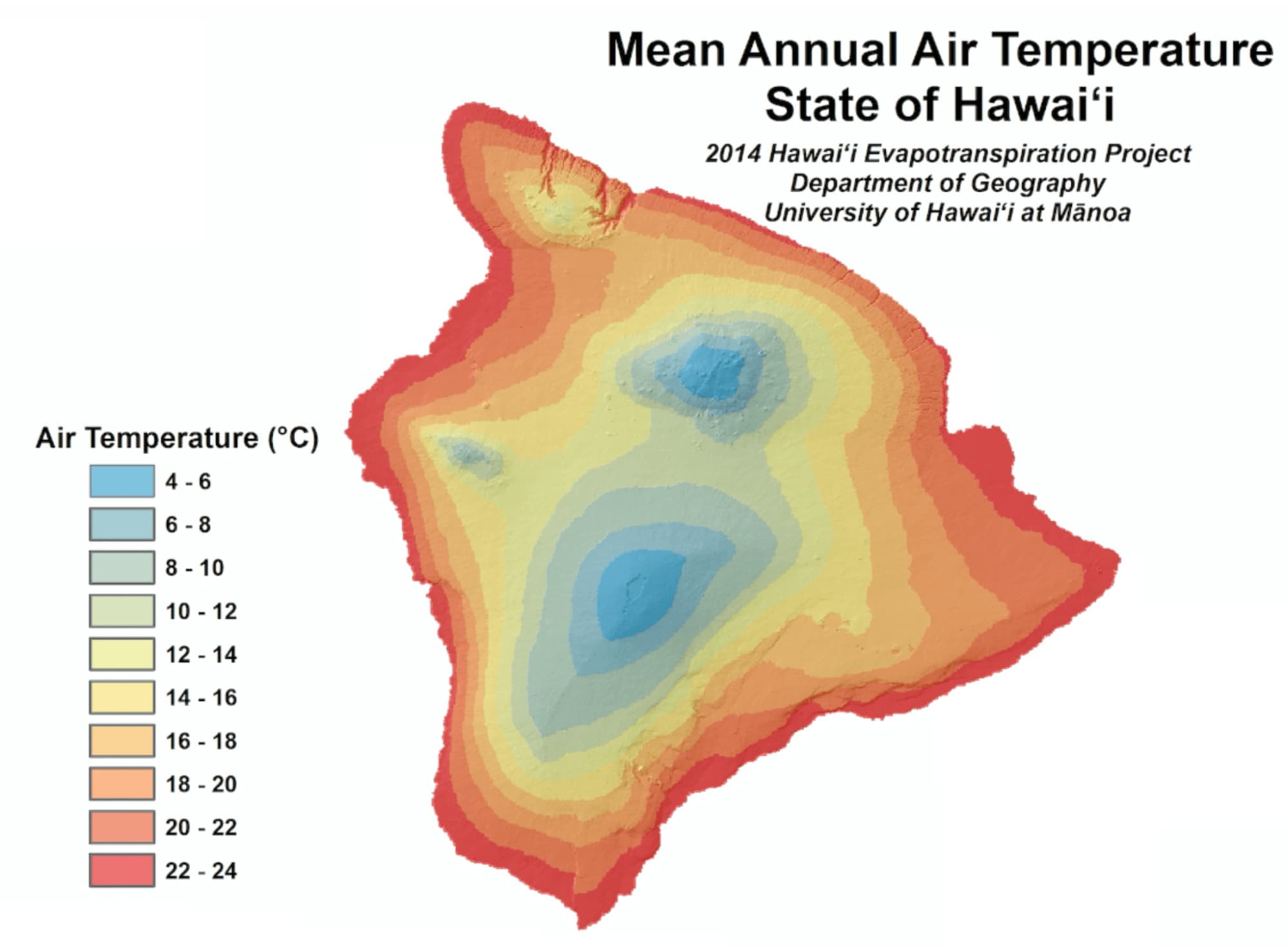
Elevation: Hawaii is home to some of the world’s tallest mountains, including Mauna Kea and Mauna Loa on the Big Island, which tower over 13,000 feet (4,000 meters) above sea level. As you ascend these majestic peaks, temperatures drop significantly. For every 1,000 feet (300 meters) in elevation, the temperature typically decreases by about 3.5°F (2°C). This means that while it might be 80°F (27°C) at sea level in Kailua-Kona, it could easily be below freezing at the summit of Mauna Kea, where snow is not uncommon, especially during winter months. Visitors planning trips to high-altitude Landmarks like Haleakala National Park on Maui or the observatories on the Big Island must pack warm layers, hats, and gloves, even if their coastal Accommodation is bathed in sunshine.
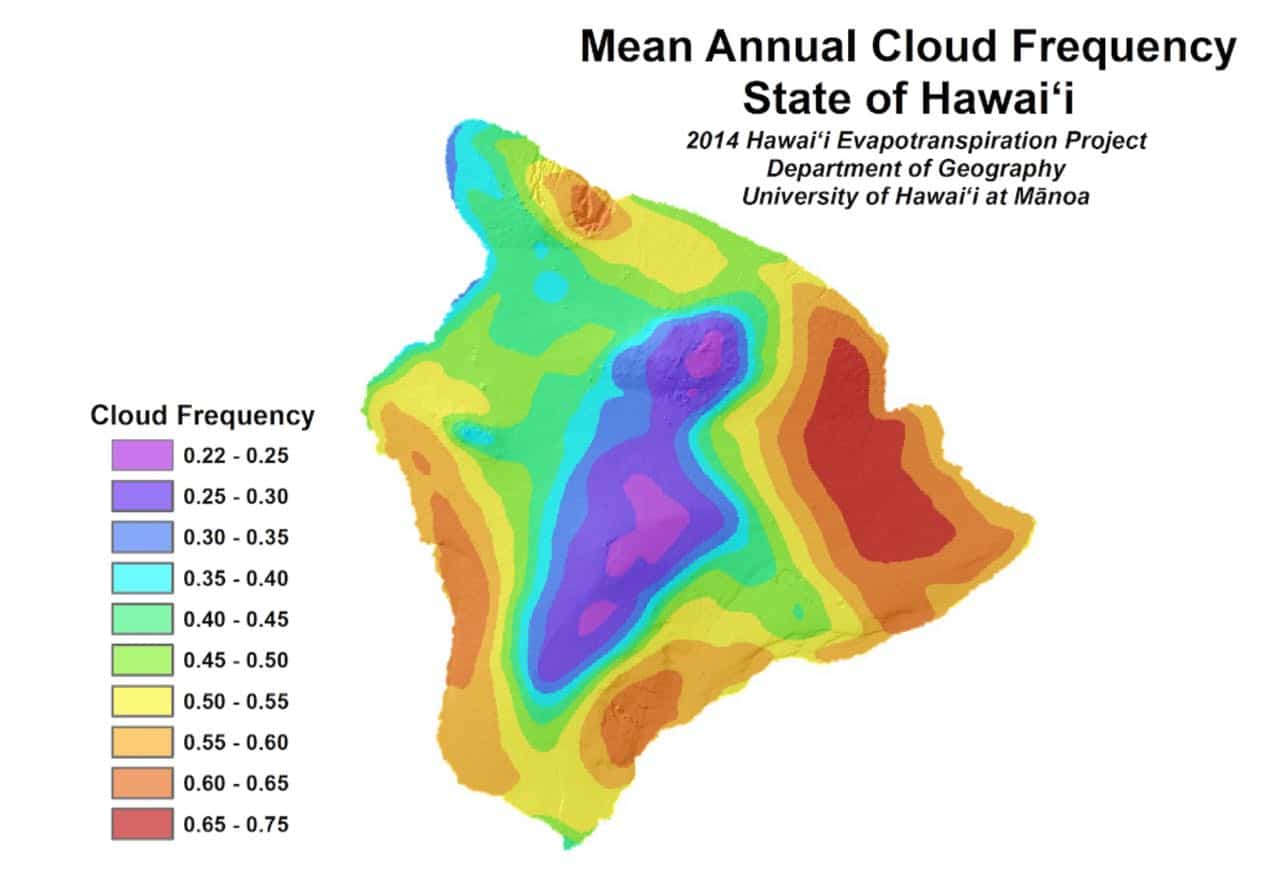
Windward vs. Leeward: The trade winds, as they encounter the islands’ mountainous terrain, create distinct windward (northeastern) and leeward (southwestern) sides. The windward sides, facing the incoming winds, experience more rainfall and generally slightly cooler temperatures due to increased cloud cover and precipitation. Areas like Hilo on the Big Island or the North Shore of Kauai are prime examples, known for their lush, green landscapes. In contrast, the leeward sides are sheltered from the trade winds by the mountains, resulting in drier, sunnier, and often warmer conditions. Popular tourist hubs like Waikiki on Oahu, Lahaina on Maui, and Kailua-Kona on the Big Island are situated on leeward coasts, making them ideal for beach-goers and sun-seekers. This dramatic contrast means you could be hiking through a rainforest on one side of an island in a light drizzle and then sunbathing on a dry, arid beach on the other side, all within an hour’s drive.
Island-Specific Temperature Breakdowns and Travel Implications
While the overall Hawaiian climate is consistently warm, each major island presents its own unique temperature profile, shaped by its specific geography and exposure to the elements. Understanding these nuances is vital for tailoring your Travel plans, from selecting your primary Destination to deciding on daily Activities and even where to book your Accommodation.
Oahu: The Gathering Place
Oahu, home to the state capital Honolulu and the iconic Waikiki Beach, generally enjoys some of the most consistent and pleasant temperatures among the islands. The leeward side, where most of the population and tourist infrastructure reside, experiences average daytime temperatures ranging from the high 70s to mid-80s Fahrenheit (25-30°C) year-round. Nighttime lows seldom drop below 65°F (18°C). This stable warmth makes Oahu perfect for exploring urban Attractions like Pearl Harbor or hiking Diamond Head Crater, as well as enjoying the vibrant nightlife and extensive dining options in Honolulu.
The windward side of Oahu, including areas like Kaneohe and the North Shore, tends to be a few degrees cooler and significantly wetter. While this makes for lush landscapes and exciting surf conditions in winter, it’s also worth considering for those sensitive to humidity or seeking purely sun-drenched beach days. Popular Resorts like the Sheraton Waikiki Beach Resort or Aulani, A Disney Resort & Spa in Ko Olina are strategically located on sunny leeward coasts, maximizing guest comfort and access to water activities.
Maui: The Valley Isle
Maui offers a compelling range of temperatures, from the warm, dry resort areas to the cool, misty slopes of Haleakala. Coastal areas like Lahaina, Kaanapali, and Wailea on the leeward west and south shores boast average daytime temperatures similar to Oahu – high 70s to mid-80s Fahrenheit (25-30°C). These regions are ideal for luxury Resorts such as the Four Seasons Resort Maui at Wailea or The Ritz-Carlton, Kapalua, which cater to guests seeking sun, sand, and ocean sports.
However, a visit to Maui would be incomplete without experiencing its more dramatic temperature shifts. The summit of Haleakala National Park, a popular spot for sunrise viewing, can have temperatures hovering around freezing, even in summer. Travelers planning this iconic excursion must bring heavy jackets, hats, and gloves. Meanwhile, the lush, windward Hana side is cooler and significantly wetter, with frequent showers contributing to its verdant beauty. This diversity means that a single day on Maui can involve swimming in warm ocean waters, enjoying a temperate hike, and then bundling up for a breathtaking view from a chilly mountain peak, making it a truly multi-faceted destination.

Kauai: The Garden Isle
Kauai, often called “The Garden Isle” due to its abundant rainfall and lush greenery, also exhibits notable temperature variations. The popular south shore, including Poipu, is typically sunnier and warmer, with temperatures averaging in the high 70s to low 80s Fahrenheit (25-28°C). This makes it a favored spot for Accommodation and beach activities, with resorts like the Grand Hyatt Kauai Resort & Spa offering prime access to warm coastal weather.
The north shore, especially around Princeville and further west towards the Na Pali Coast, experiences more rainfall and slightly cooler temperatures. While the daytime warmth remains comfortable for exploring the dramatic cliffs and verdant valleys, evenings can be a bit breezier, and rain showers are more frequent. The interior of the island, with its higher elevations, can also be significantly cooler, particularly when hiking through canyons or dense rainforests. Those planning to explore the remote and breathtaking Na Pali Coast by boat or helicopter will find the coastal temperatures comfortable, but hikers venturing into the interior should prepare for more varied conditions.
The Big Island of Hawaii: A World in Miniature
The Big Island of Hawaii lives up to its name by encompassing nearly all of the world’s climatic zones, making its temperature profile the most diverse. The leeward Kona coast, stretching from Kailua-Kona to areas like Hualalai, is famous for its consistently sunny and dry weather, with temperatures averaging in the high 70s to low 80s Fahrenheit (25-28°C). This region is a haven for beach lovers, coffee farm tours, and water sports, with many Resorts and Villas enjoying uninterrupted sunshine.
In stark contrast, the windward Hilo side is the wettest city in the United States, characterized by frequent, often heavy, rain showers and slightly cooler average temperatures, typically in the mid-70s Fahrenheit (23-25°C). While this supports incredibly lush rainforests and waterfalls, visitors to Hilo should always be prepared for rain. Further inland and at higher elevations, such as within Volcanoes National Park, temperatures drop significantly, often into the 50s and 60s Fahrenheit (10-18°C), especially after sunset. As mentioned earlier, the summits of Mauna Kea and Mauna Loa regularly experience freezing temperatures and snow. This unparalleled diversity means that on the Big Island, you can easily experience warm beach weather, cool rainforest mists, and potentially snow-capped peaks all in the same day, making careful planning and versatile packing essential.
Planning Your Hawaiian Getaway: Temperature’s Role in Lifestyle & Accommodation
The unique thermal landscape of Hawaii is not just a scientific curiosity; it’s a fundamental element that shapes the entire visitor experience. From deciding when to book your Travel to choosing the perfect Accommodation and embracing the local Lifestyle, temperature considerations are paramount.
Best Time to Visit Based on Temperature and Activities
Given Hawaii’s consistent warmth, there’s truly no “bad” time to visit. However, understanding the slight seasonal variations can help align your trip with your desired Activities and crowd preferences.
- Peak Season (Mid-December to Mid-April & June to August): These periods coincide with colder weather in North America and summer school holidays, leading to higher demand, increased prices, and larger crowds. Temperatures are consistently warm, ideal for all beach and water sports. Winter also brings higher surf to the North Shore of Oahu (perfect for expert surfers) and the start of whale-watching season (December to May), particularly around Maui.
- Shoulder Seasons (April-May & September-November): These months often offer the best balance of pleasant temperatures, fewer crowds, and more favorable rates for Hotels and flights. The weather is generally sunny and warm, with less rainfall than winter and slightly milder heat than mid-summer. These are excellent times for hiking, snorkeling, and exploring Landmarks without the peak-season rush.
Regardless of the season, packing layers is always recommended due to the diverse microclimates.
Packing Smart for Hawaii’s Climate
Packing for Hawaii should prioritize comfort and adaptability, considering the consistent warmth at sea level and potential for cooler temperatures at higher elevations or in specific microclimates.
- Lightweight, Breathable Clothing: Think shorts, t-shirts, sundresses, and swimwear. Fabrics like cotton, linen, and moisture-wicking synthetics are ideal.
- Layers for Evenings and Higher Elevations: A light jacket, cardigan, or hoodie is essential for cooler evenings, air-conditioned indoors, or trips to volcanic peaks like Haleakala or Mauna Kea. For truly high-altitude excursions, a heavier coat, hat, and gloves are advisable.
- Rain Gear: A lightweight, packable rain jacket or umbrella is useful, especially if visiting windward areas or during the wetter winter months.
- Footwear: Sandals or flip-flops are perfect for the beach, comfortable walking shoes for sightseeing, and sturdy hiking shoes if you plan to hit the trails.
- Sun Protection: The Hawaiian sun is potent year-round. Pack reef-safe sunscreen (required by law in Hawaii), a wide-brimmed hat, sunglasses, and perhaps a rash guard for extended water activities.
How Temperature Influences Your Accommodation Choices
The climate plays a significant role in the design and appeal of Hawaiian Accommodation. Most Hotels, Resorts, Apartments, and Villas are built to maximize comfort in warm, humid conditions.
- Air Conditioning: While many older Hotels might rely on ceiling fans and natural breezes, modern Resorts and Luxury Travel Villas almost universally offer air conditioning. If you’re sensitive to heat or humidity, confirm AC availability when booking, especially for budget-friendly options.
- Open-Air Design: Many Hawaiian Resorts feature open-air lobbies, restaurants, and common areas, designed to take advantage of the trade winds and blur the lines between indoor and outdoor living. This enhances the tropical ambiance but means you’ll still feel the ambient warmth.
- Proximity to Ocean Breezes: Accommodation directly on the oceanfront or with expansive lanais (balconies) often benefits from stronger, cooler breezes, which can be a significant advantage during warmer days. This can be a key factor in choosing ocean-view Suites or Villas.
- Amenities for Climate: Swimming pools, often multiple, are standard Amenities in Hawaiian Hotels and Resorts, providing a crucial way to cool off. Outdoor showers, shaded cabanas, and al fresco dining options also capitalize on the pleasant climate.
- Long-term Stay Considerations: For Long-term Stay options like Apartments or vacation rentals, ensure good ventilation, reliable air conditioning, and access to outdoor living spaces to fully embrace the Hawaiian Lifestyle.
Embracing the Hawaiian Lifestyle Through Its Climate
The warm and consistent temperatures of Hawaii are inextricably linked to its relaxed, outdoor-oriented Lifestyle and rich local Culture. The perpetual summer fosters a sense of unhurried living, encouraging residents and visitors alike to spend time outdoors, connecting with nature.
The mild temperatures facilitate a vibrant outdoor Food scene, from beachfront luaus and casual food trucks to elegant al fresco dining. The ability to dine under the stars almost every night is a luxury born from the stable climate. It also supports the year-round cultivation of fresh, tropical produce, which is a hallmark of Hawaiian cuisine. Furthermore, the climate encourages a light and comfortable dress code, reflecting the island’s easygoing attitude. The consistent warmth means less time spent worrying about changing weather conditions and more time enjoying the endless possibilities for Activities and relaxation. From learning to surf in Waikiki, exploring the Polynesian Cultural Center, to simply unwinding on a pristine beach on Lanai or Molokai, the temperature is almost always just right for whatever adventure calls.
In conclusion, “What’s the temperature in Hawaii?” is a question with a wonderfully complex answer. While the islands generally promise consistent, comfortable warmth year-round, the magic lies in their diverse microclimates. From the perpetually sunny coasts to the chilly volcanic summits and the verdant, rain-kissed valleys, Hawaii offers a climate for every preference and adventure. By understanding these thermal nuances, travelers can expertly plan their wardrobe, itinerary, and Accommodation to fully immerse themselves in the unparalleled beauty and relaxed Lifestyle of this extraordinary archipelagic Destination.
LifeOutOfTheBox is a participant in the Amazon Services LLC Associates Program, an affiliate advertising program designed to provide a means for sites to earn advertising fees by advertising and linking to Amazon.com. Amazon, the Amazon logo, AmazonSupply, and the AmazonSupply logo are trademarks of Amazon.com, Inc. or its affiliates. As an Amazon Associate we earn affiliate commissions from qualifying purchases.