
For many travelers planning a journey to the Central Pacific, the primary allure is the promise of perpetual warmth and sun-drenched beaches. Honolulu, the vibrant capital of Hawaii located on the island of Oahu, is world-renowned for its incredibly consistent tropical climate. Unlike most destinations in North America that experience four distinct seasons, Honolulu operates on a two-season cycle, influenced by the surrounding Pacific Ocean and the rhythmic arrival of the trade winds. Understanding the nuances of these temperatures is essential for any traveler looking to maximize their experience, whether they are hiking the volcanic ridges of Diamond Head or relaxing on the sands of Waikiki.
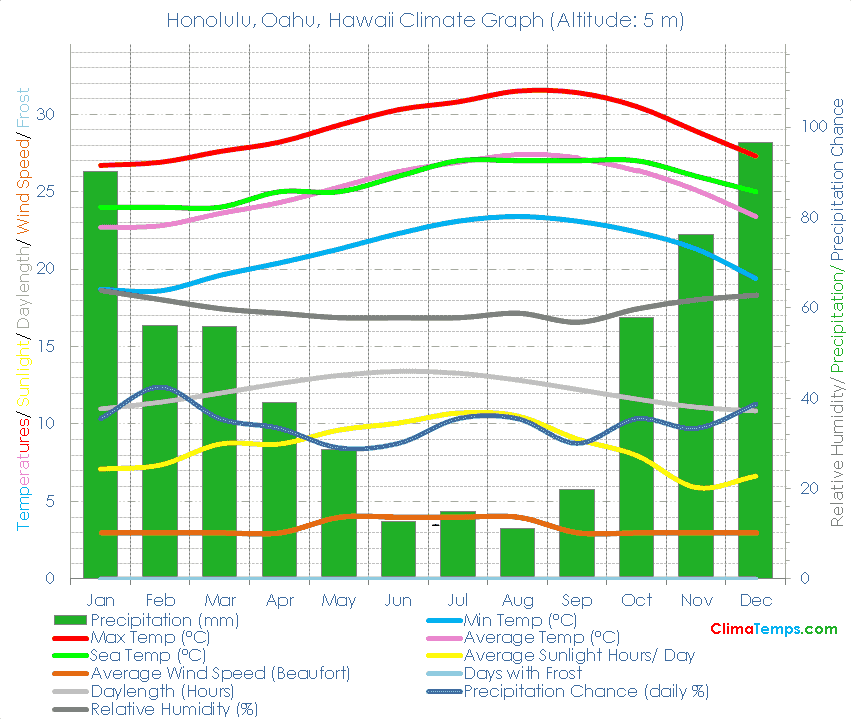
A Month-by-Month Guide to the Honolulu Climate
The beauty of the Hawaiian Islands lies in their predictability. While weather patterns can shift, the temperature in Honolulu rarely deviates from a comfortable range that supports outdoor adventure year-round. Generally, the variation between the hottest day of summer and the coolest day of winter is only about 10 to 15 degrees Fahrenheit.
The Warm Summer Months (May through October)
Known in the native Hawaiian language as “Kau,” the summer season in Honolulu is characterized by long days of sunshine and high temperatures. From June through September, daily highs typically hover between 85°F and 88°F (29°C to 31°C). It is during this time that the sun is nearly directly overhead, providing intense UV radiation that necessitates high-quality sun protection for anyone visiting Hanauma Bay or the Ala Moana Center.
Despite the heat, the “Northeast Trade Winds” play a critical role in keeping the city comfortable. these cooling breezes act as nature’s air conditioning, blowing consistently across the island from the Pacific Ocean. However, travelers should be aware of the occasional “Kona Winds.” These occur when the wind direction shifts, coming from the south or west. This often brings higher humidity and “vog”—volcanic fog—carried from the Big Island. During these periods, the air can feel stagnant and significantly warmer than the thermometer suggests.
The Mild Winter Months (November through April)
The winter season, or “Ho’oilo,” brings a slight cooling and an increase in precipitation, though it remains remarkably mild compared to the United States mainland. Daytime highs during January and February usually settle around 78°F to 82°F (25°C to 28°C). Nighttime temperatures can dip into the mid-60s°F (around 18°C), which locals might consider “chilly,” but most visitors find it refreshing.
Winter is also the rainy season. While Honolulu itself remains relatively dry compared to other parts of the island, brief, intense tropical showers are common. These rains often occur in the early morning or late evening, frequently accompanied by magnificent rainbows that have become a symbol of the state of Hawaii. This is also the premier time for whale watching, as humpback whales migrate from Alaska to the warm waters surrounding Oahu to breed and give birth.
Understanding the Microclimates of Oahu
One of the most fascinating aspects of Honolulu travel is the existence of microclimates. You can experience several different weather patterns within a single day just by driving a few miles in any direction from the city center.
The Impact of the Ko’olau Range
The Ko’olau Range acts as a massive geographical barrier that dictates the weather for the entire island. As moisture-laden clouds are pushed toward the mountains by the trade winds, they rise, cool, and release rain. This process, known as orographic lift, is why the windward side of the island and the mountain valleys are so lush and green.
If you are staying in Waikiki but decide to take a morning trip to Manoa Falls, you will likely notice a significant drop in temperature and an increase in cloud cover. Manoa Valley receives significantly more rainfall than the coast, often appearing misty and ethereal. Travelers planning to visit the Nu’uanu Pali Lookout should also prepare for high wind speeds and cooler air, even if it is a scorching day down at Magic Island.
Leeward vs. Windward Conditions
Honolulu is situated on the “leeward” (south and west) side of Oahu, which is shielded by the mountains. This positioning makes it one of the sunniest and driest parts of the island. Conversely, the “windward” (north and east) side, home to communities like Kailua and landmarks like Lanikai Beach, is more prone to breezes and passing showers.
The Waianae Range to the west creates a similar effect, protecting the Ko Olina resort area and the city of Kapolei from excessive rain. When planning a day trip to the North Shore to see the legendary waves at Banzai Pipeline or Waimea Bay, it is wise to check local forecasts, as the weather there can be drastically different from the conditions at Iolani Palace in the heart of the city.
Ocean Temperatures and Marine Activities
The air temperature is only half of the story for travelers headed to Honolulu. The temperature of the Pacific Ocean is a major draw for snorkeling, surfing, and swimming. Because Hawaii is located in the subtropics, the water remains warm enough for swimming throughout the year.
Snorkeling and Diving Conditions
In the summer, surface water temperatures in areas like Waikiki Beach or Hanauma Bay Nature Preserve can reach a balmy 80°F to 82°F (27°C to 28°C). This is ideal for long snorkeling sessions among the coral reefs, where visibility is often at its peak due to calmer seas.
During the winter months, the water temperature drops slightly to about 76°F or 77°F (24°C to 25°C). While this is still quite warm for most, those who are particularly sensitive to cold may prefer a thin neoprene rash guard or a shorty wetsuit for extended periods in the water. For historical tours such as those at Pearl Harbor, the water temperature is less relevant, but the proximity to the ocean ensures a cooling sea breeze while visiting the USS Arizona Memorial.
The Influence of North Shore Swells
Temperature and ocean conditions are also linked to the famous surf cycles of Oahu. During the winter, massive swells generated by storms in the North Pacific travel thousands of miles to crash against the North Shore. While the water remains relatively warm, the sheer power and movement of the ocean can make it feel cooler. In contrast, the south shores of Honolulu tend to see their largest waves during the summer months, although they rarely reach the gargantuan heights seen at Sunset Beach in December.
Practical Tips for Navigating Honolulu Weather
Packing for a trip to Honolulu requires a strategy that accounts for both the heat of the city and the varying conditions of the island’s interior. While the temperature is usually the main focus, factors like humidity and UV intensity are equally important for a successful vacation.
Managing Humidity and the UV Index
Because Honolulu is surrounded by water, humidity is a constant factor. While the trade winds usually mitigate the “sticky” feeling, travelers should stay hydrated. The UV index in Hawaii is often categorized as “Extreme.” Even on cloudy days, the sun’s rays can penetrate the atmosphere and cause significant burns. Travelers visiting the National Memorial Cemetery of the Pacific or walking through Kakaako to view the street art should wear wide-brimmed hats and use reef-safe sunscreen to protect both themselves and the local ecosystem.

Essential Packing for the Tropical Climate
While swimwear and shorts are the standard uniform for Waikiki, savvy travelers should pack a few additional items:
- A Light Jacket or Sweater: Even though it is warm outside, the air conditioning in malls like International Market Place and restaurants can be surprisingly cold. Furthermore, if you plan to catch the sunrise at Tantalus Lookout, you will appreciate a light layer.
- Rain Gear: A compact, breathable rain shell is invaluable for hikes to Makapuu Point Lighthouse Trail or visits to the Ho’omaluhia Botanical Garden.
- Proper Footwear: If you intend to explore the volcanic terrain of Diamond Head State Monument, sturdy sneakers or hiking sandals are much safer than flip-flops (locally known as “slippers”).
The “shoulder seasons” of April, May, September, and October are often considered the best times to visit for those seeking the perfect balance of temperature and crowd levels. During these months, the weather is exceptionally stable, the trade winds are reliable, and the ocean is generally calm on all sides of the island. Whether you are exploring the historical corridors of the Bishop Museum or enjoying a sunset dinner in Honolulu, the temperature will likely be the least of your worries, serving instead as a warm, welcoming backdrop to an unforgettable Polynesian escape.
LifeOutOfTheBox is a participant in the Amazon Services LLC Associates Program, an affiliate advertising program designed to provide a means for sites to earn advertising fees by advertising and linking to Amazon.com. Amazon, the Amazon logo, AmazonSupply, and the AmazonSupply logo are trademarks of Amazon.com, Inc. or its affiliates. As an Amazon Associate we earn affiliate commissions from qualifying purchases.