
The allure of Key West is undeniable, a vibrant jewel at the southernmost tip of the United States. Known for its unique blend of Caribbean charm, rich history, and laid-back atmosphere, it beckons travelers seeking sun-drenched days and balmy nights. A crucial element of planning any tropical getaway is understanding the prevailing weather, and for Key West, this invariably leads to questions about its temperature. While often perceived as a perpetual summer destination, the island experiences subtle shifts throughout the year that can influence the ideal time for a visit. This guide delves into the nuances of Key West’s climate, providing insights into its average temperatures, seasonal variations, and what to expect when you arrive.
Understanding Key West’s Tropical Climate
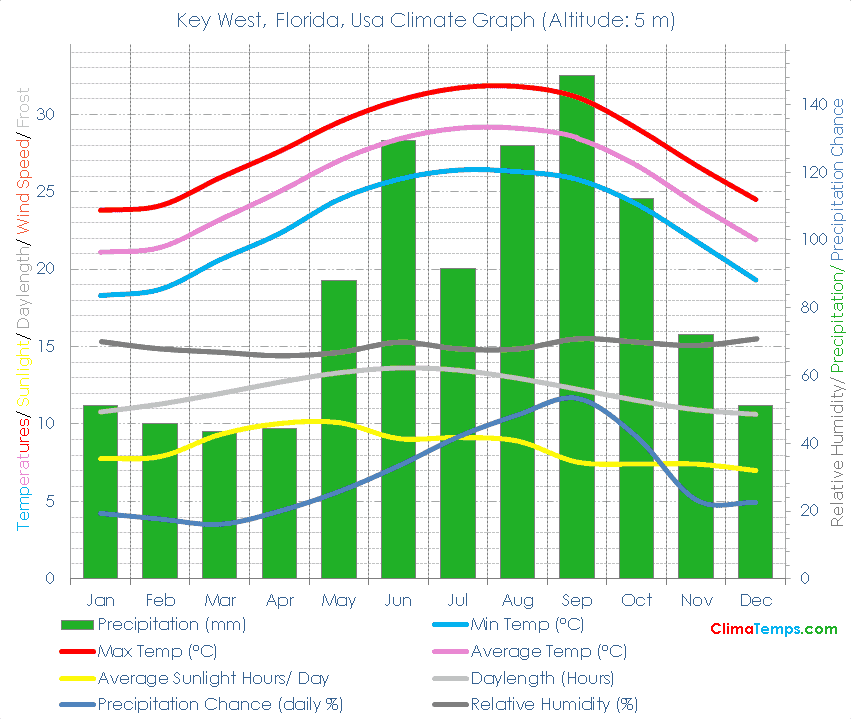
Key West boasts a tropical savanna climate, a classification that signifies warm temperatures year-round with distinct wet and dry seasons. Its geographical isolation, surrounded by the Atlantic Ocean and the Gulf of Mexico, moderates extreme temperature fluctuations, preventing the scorching heat sometimes associated with inland tropical regions. The island’s location south of the Tropic of Cancer means it receives abundant sunshine, contributing to its reputation as a sun-seeker’s paradise.
The average annual temperature hovers around a pleasant 79°F (26.1°C), making it a comfortable destination in any month. However, these averages mask the subtle but significant variations that define its seasons. Understanding these shifts is key to optimizing your Key West experience, whether you prioritize the warmest days, the driest conditions, or a more temperate atmosphere.
Seasonal Temperature Breakdown
The year in Key West can be broadly divided into two main periods: the warmer, wetter season and the cooler, drier season. Each offers a distinct ambiance and set of activities tailored to its climatic characteristics.
The Warm and Wet Season (June – October)
This period aligns with the traditional summer months and extends into early autumn. While often referred to as “summer,” it’s important to note that the term “warm” is relative. Daytime high temperatures typically range from 86°F to 89°F (30°C to 31.7°C), with overnight lows settling between 77°F and 81°F (25°C to 27.2°C). The humidity is at its peak during these months, which can make the heat feel more intense.
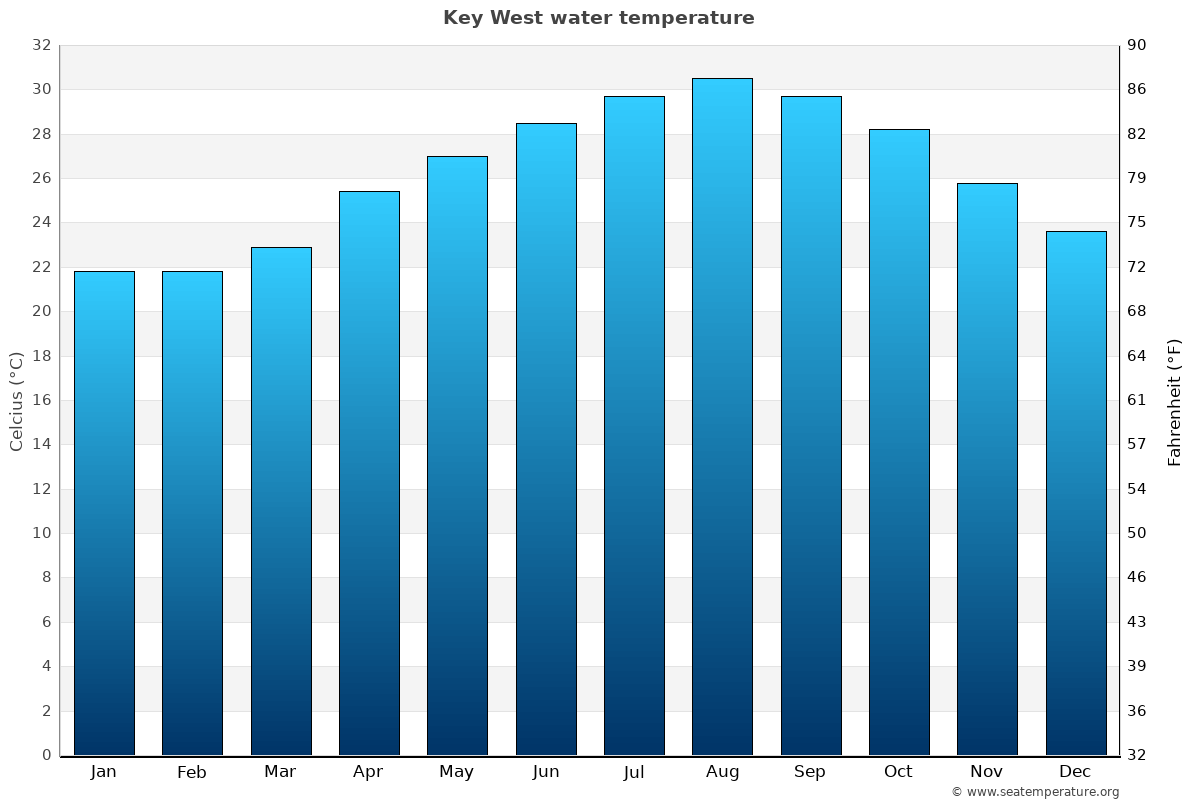
The defining characteristic of this season is the increased likelihood of rainfall. The warm, moist air masses converge, leading to frequent, though usually brief, afternoon thunderstorms. These showers are often accompanied by dramatic skies and can provide a refreshing interlude from the heat. The sea temperature is at its warmest, typically ranging from 82°F to 85°F (27.8°C to 29.4°C), making it ideal for swimming and water sports.
While this season is considered the “low season” for tourism due to the heat and humidity, it offers a more tranquil experience with fewer crowds and often more competitive pricing on accommodations and activities. For those who don’t mind occasional rain and higher humidity, this period provides an authentic taste of island life.
The Cool and Dry Season (November – May)
This is the period most travelers associate with the ideal Key West experience. The temperatures are significantly more moderate, with daytime highs typically ranging from 75°F to 83°F (23.9°C to 28.3°C). Overnight lows fall into a comfortable range of 65°F to 74°F (18.3°C to 23.3°C), offering pleasant evenings perfect for al fresco dining and exploring the vibrant streets of Old Town.
Humidity levels are considerably lower during these months, making the warm temperatures feel much more agreeable. Rainfall is scarce, with long stretches of uninterrupted sunshine. The ocean temperatures, while cooler than in the summer, remain inviting for swimming, averaging between 73°F and 79°F (22.8°C to 26.1°C).
This season is considered the “high season” in Key West, attracting a larger influx of visitors seeking respite from colder climates. Consequently, prices for lodging and flights tend to be higher, and popular attractions can be more crowded. However, the consistently pleasant weather and the abundance of outdoor activities make it a prime time to visit for many.
Navigating Specific Months and Temperatures
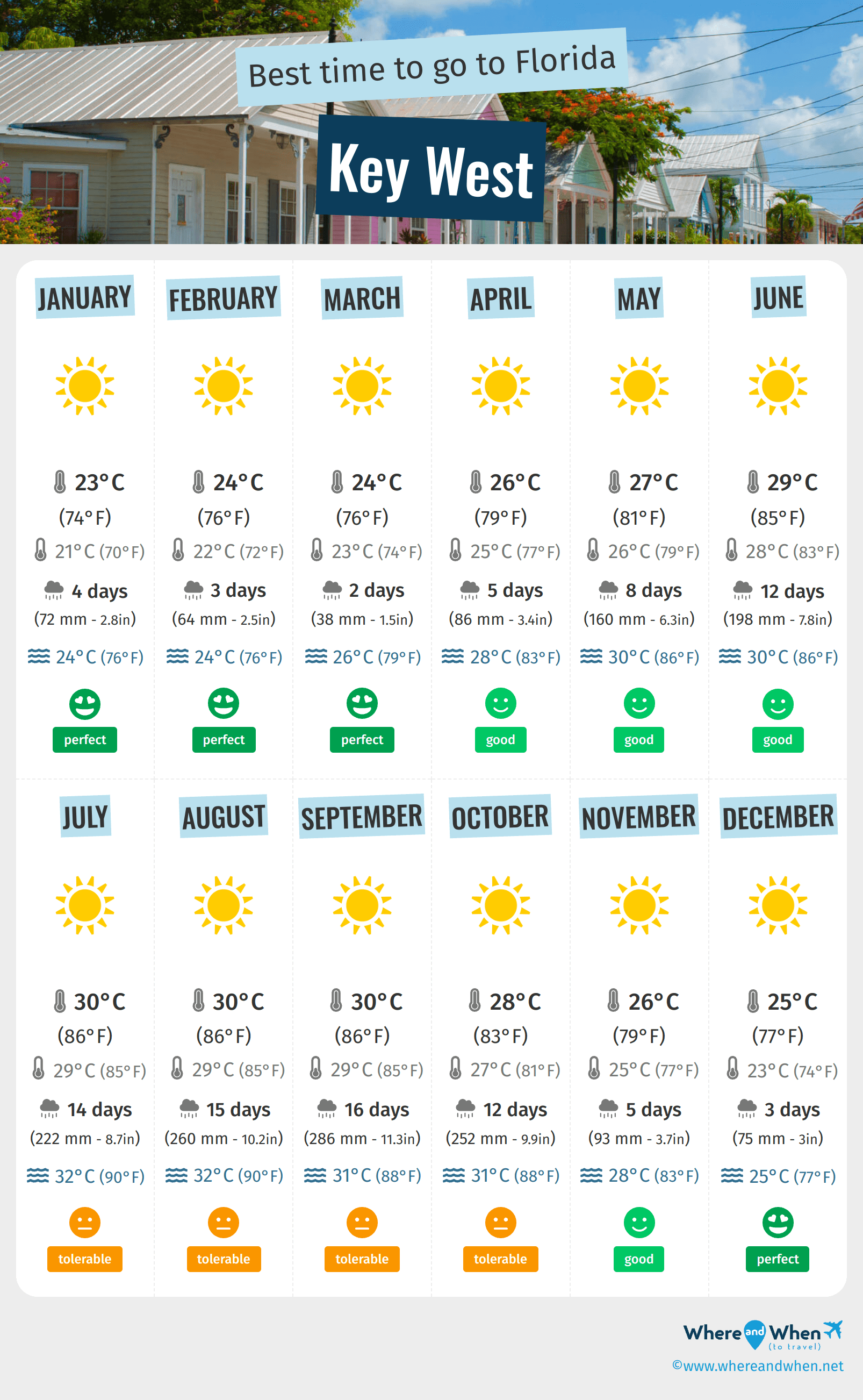
While the seasonal overview provides a general understanding, looking at individual months can offer a more granular perspective for planning.
Winter (December – February)
These months represent the peak of the “cool and dry” season. December typically sees average highs around 76°F (24.4°C) and lows of 66°F (18.9°C). January and February maintain similar temperatures, with daytime highs often in the mid-70s (°F) and nighttime lows dipping into the mid-60s (°F). This is an excellent time for exploring landmarks like the Ernest Hemingway Home and Museum or taking a leisurely stroll along Duval Street without feeling overheated. The relatively low humidity and gentle sea breezes make outdoor activities exceptionally enjoyable.
Spring (March – May)
March continues the trend of pleasant winter-like weather, with temperatures gradually warming. Average highs in March are around 77°F (25°C) and lows near 68°F (20°C). April sees a further increase, with highs often reaching the upper 70s (°F) and lows in the low 70s (°F). May marks the transition into the warmer season, with average highs climbing into the high 80s (°F) and lows in the mid-70s (°F). Humidity begins to rise in May, signaling the approach of the summer rains. Spring is a fantastic time for enjoying the island’s waters, whether it’s snorkeling near the Dry Tortugas National Park or enjoying a sunset cruise.
Summer (June – August)
As mentioned, this is the warmest and most humid part of the year. June, July, and August consistently feature average daytime highs between 87°F and 89°F (30.6°C to 31.7°C) and overnight lows in the low 80s (°F). The high humidity can make these temperatures feel more intense, with “feels like” temperatures often exceeding the actual mercury reading. Afternoon thunderstorms are common, providing temporary relief. Despite the heat, the waters are warm and inviting, perfect for diving or kayaking adventures. Many visitors find this period ideal for enjoying the indoor attractions and the vibrant nightlife of Key West.
Autumn (September – November)
September and October are typically the hottest and wettest months, often experiencing the remnants of hurricane season. Temperatures remain high, mirroring those of June and July, with average highs in the upper 80s (°F) and lows in the low 80s (°F). Rainfall can be significant. However, by November, a noticeable shift occurs. Temperatures begin to moderate, with average highs dropping back into the mid-70s (°F) and lows in the mid-60s (°F). Humidity decreases, and the rainfall becomes less frequent. November can be a beautiful shoulder season month, offering a blend of lingering warmth with the comfort of cooler evenings, before the full arrival of the peak tourist season.
Planning Your Visit Based on Temperature
The temperature in Key West is a pivotal factor for many travelers. Understanding these patterns allows for strategic planning to align with personal preferences.
For the Heat Seeker and Water Enthusiast
If your ideal vacation involves consistently warm weather and the opportunity to spend maximum time in the ocean, the summer months (June through August) and the early fall (September and October) are your best bet. The water temperatures are at their highest, perfect for extended periods of swimming, snorkeling, and diving. While humidity and rain are more prevalent, the sheer warmth of the air and sea makes these months a tropical dream for some. This is also a time when you might find better deals on accommodations, particularly outside of major holiday weekends.
For the Comfort Seeker and Explorer
Travelers who prefer moderate temperatures for extensive exploration of Key West’s rich culture, historic sites, and charming streets will find the “cool and dry” season, from November through May, to be most agreeable. The winter months (December to February) offer the coolest and driest conditions, ideal for walking tours, bicycle rides, and enjoying outdoor cafes. Spring (March to May) provides a gradual warming trend that remains comfortable for all outdoor activities. During these months, you can comfortably visit attractions like the Southernmost Point Buoy without the oppressive heat, and enjoy the lively atmosphere of Mallory Square during sunset celebrations.
For the Budget-Conscious Traveler
If budget is a primary concern, consider visiting during the shoulder seasons or the “low season.” The late spring (May) and early fall (November) can offer a good balance of pleasant weather and more affordable rates before or after the peak periods. While the summer months (June-August) are officially the “low season” due to heat and humidity, they also present opportunities for significant savings on flights and lodging, especially if you are willing to embrace the tropical heat and the possibility of afternoon showers.
Beyond the Thermometer: Microclimates and Weather Patterns
While general temperature trends are helpful, it’s worth noting that Key West can experience microclimates and weather phenomena that add to its unique character.
The Impact of Sea Breezes
The surrounding ocean plays a significant role in moderating the island’s temperature. Even on the hottest days, the refreshing sea breeze can often provide a welcome respite, making the heat more bearable than it might be inland. This breeze is more pronounced during the day and often subsides in the evening.
Hurricane Season Considerations
The Atlantic hurricane season officially runs from June 1st to November 30th, with the peak activity typically occurring in August, September, and October. While Key West is generally well-prepared and resilient, it is essential for visitors planning trips during these months to stay informed about weather forecasts and be aware of potential disruptions. Travel insurance is highly recommended for trips booked during this period.
Unpredictability and Local Wisdom
Like any destination, Key West can experience unexpected weather patterns. A sudden squall might roll in during the dry season, or a cool front could bring unseasonably mild temperatures during the summer. Local advice is always valuable; chatting with residents or hotel staff can offer real-time insights into the day’s weather and the best ways to enjoy it. The key is to be flexible and embrace the island’s dynamic atmosphere, whatever the thermometer reads.
LifeOutOfTheBox is a participant in the Amazon Services LLC Associates Program, an affiliate advertising program designed to provide a means for sites to earn advertising fees by advertising and linking to Amazon.com. Amazon, the Amazon logo, AmazonSupply, and the AmazonSupply logo are trademarks of Amazon.com, Inc. or its affiliates. As an Amazon Associate we earn affiliate commissions from qualifying purchases.