
Understanding the climate of Lincoln, Nebraska, is essential for any traveler looking to experience the heart of the United States Great Plains. This city, defined by its dramatic seasonal shifts, offers a unique travel experience that changes entirely depending on the thermometer. From the biting chill of a prairie winter to the humid, vibrant energy of a Midwest summer, knowing what to pack and when to visit is the key to enjoying your stay in this cultural and political hub.
The Seasonal Rhythms of the Great Plains
The weather in Lincoln is dictated by its location in the middle of the continent, far from the moderating influence of large oceans. This leads to a continental climate characterized by distinct seasons, each offering a different perspective on the local landscape.

Winter: The Deep Freeze
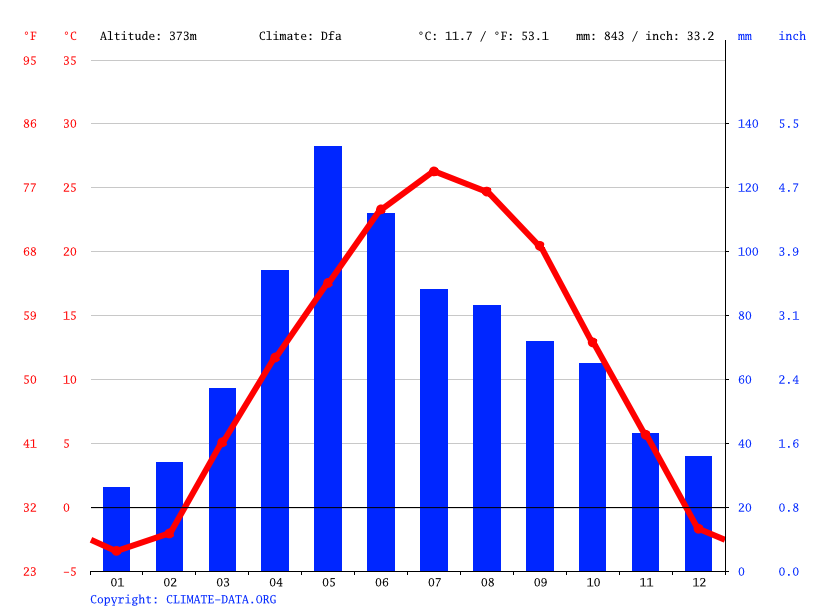
During the winter months, temperatures in Nebraska often dip well below freezing. January is typically the coldest month, with daytime highs often hovering near 30°F and overnight lows frequently dropping into the teens or single digits. When planning a visit during this time, travelers should be prepared for snow and wind. The wind chill factor across the flat plains can make the air feel significantly colder than the actual temperature reading. However, winter in the city offers a quiet beauty, with snow-dusted historical architecture and a cozy atmosphere in local cafes.
Spring: A Season of Volatility
Spring is a time of transition. As the arctic air retreats, the temperature begins to climb, but with this shift comes the region’s famous unpredictability. It is not uncommon to experience a week of sixty-degree weather followed by a sudden spring snowstorm. This is the time of year when nature begins to wake up, and the local parks, such as Pioneers Park, begin to showcase the lush green landscape that defines the state.
Summer Heat and Humidity
When the calendar turns to June, July, and August, the temperature in Lincoln rises significantly. Summer days are frequently hot, with temperatures commonly reaching into the 80s and 90s Fahrenheit. The humidity, driven by moisture flowing north from the Gulf of Mexico, can make the heat feel intense.
Despite the heat, this is the most popular time for tourism and outdoor activities. The city comes alive with festivals, outdoor concerts, and bustling patios. Travelers should focus on hydration and planning activities during the cooler morning or evening hours to make the most of the long, sun-drenched days.
Autumn: The Golden Window
Many locals and seasoned travelers consider autumn the best time to visit. As the sweltering heat of August dissipates, the city experiences a long, comfortable period of mild temperatures. September and October offer crisp, cool mornings and warm afternoons, perfect for walking tours of the University of Nebraska campus or exploring the vibrant downtown districts. The fall foliage provides a stunning backdrop to the city’s historic landmarks, creating a picturesque environment for sightseeing.
Preparing for Temperature Fluctuations
Because the weather can change rapidly within a single day, the “layering” strategy is the golden rule for visitors. You might start your morning in a light jacket and find yourself in short sleeves by the afternoon.
Essential Packing Tips
- The Versatile Outerwear: A high-quality windbreaker or a medium-weight coat is essential for much of the year. The open plains of Nebraska allow wind to sweep across the city, making wind protection just as important as temperature regulation.
- Footwear: Depending on the season, ensure you have waterproof shoes for the damp, snowy winters and comfortable, breathable sneakers for the active summer months when walking through the Haymarket District.
- Sun Protection: Even when temperatures feel mild, the sun in the Midwest can be strong. Sunglasses, hats, and sunscreen are necessary, especially during the peak summer months.
Weather Patterns and Travel Planning
The temperature fluctuations in Lincoln are not just a matter of discomfort; they are part of the local experience. The weather influences everything from the local agriculture to the community’s social schedule. For instance, the timing of major events at Memorial Stadium is always deeply affected by the seasonal climate. In the early autumn, the temperature is often perfect for game day, while late-season games require heavy winter gear.
Tracking the Trends
For those planning a trip, checking the ten-day forecast is recommended, but remember that in Nebraska, the weather service often updates predictions frequently. Utilizing local news outlets or weather apps can provide the most accurate, real-time data regarding potential storms or temperature swings.

Embracing the Extremes
Rather than viewing the weather as an obstacle, savvy travelers treat the temperature as a lens through which to view the local culture. A hot summer day is a great excuse to enjoy a cold treat in the Historic Haymarket, while a sub-zero winter day provides the perfect justification for spending an afternoon exploring the Sheldon Museum of Art or the Nebraska State Capitol. By understanding and respecting the climate of the region, you can ensure that your trip to this charming capital city is comfortable, safe, and entirely memorable.
Whether you are visiting for the academic prestige of the local universities or the rugged appeal of the prairie landscapes, the weather will be a constant companion on your journey. Stay informed, dress in layers, and remain flexible with your itinerary. In Lincoln, the temperature is just one chapter in the story of your visit, and by being prepared for the whims of the Great Plains, you can find beauty and excitement in every season.
LifeOutOfTheBox is a participant in the Amazon Services LLC Associates Program, an affiliate advertising program designed to provide a means for sites to earn advertising fees by advertising and linking to Amazon.com. Amazon, the Amazon logo, AmazonSupply, and the AmazonSupply logo are trademarks of Amazon.com, Inc. or its affiliates. As an Amazon Associate we earn affiliate commissions from qualifying purchases.