
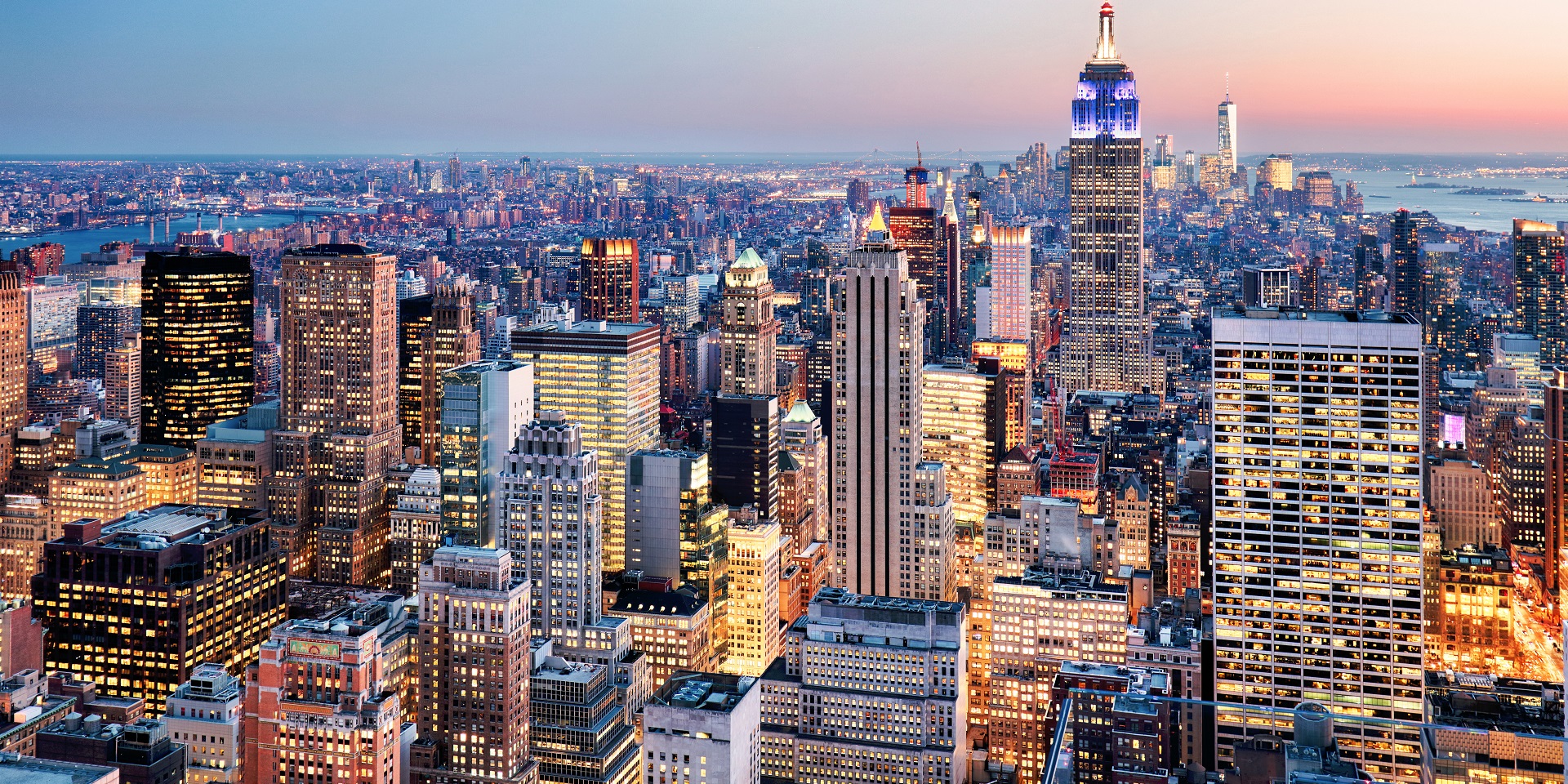
Understanding the climate of Manhattan, New York, is essential for any traveler planning to navigate the concrete canyons of this iconic metropolis. Unlike regions with static climates, this island city experiences a volatile four-season cycle that dictates everything from what you should pack to the type of footwear required to traverse its bustling avenues. Whether you are arriving for a business trip or a leisure excursion, grasping the temperature patterns is the first step toward a successful journey.
Seasonal Fluctuations and Packing Strategy
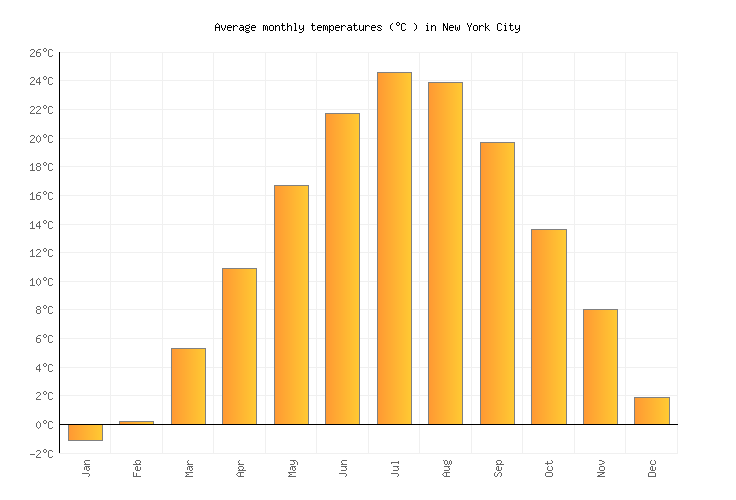
The temperature in Manhattan is defined by its humid subtropical climate, which delivers distinct shifts throughout the year. Being aware of these cycles helps you prepare for the extremes of the stifling summer heat and the biting winter chill.
The Intensity of Winter
During the peak of winter, typically January and February, temperatures often hover near or below freezing. The proximity to the Atlantic Ocean can introduce high winds that create a significant wind-chill factor, making the air feel much colder than the thermometer suggests. Travelers visiting during these months must prioritize heavy coats, thermal base layers, and waterproof footwear, as snowstorms—though beautiful—can turn the city sidewalks into slushy obstacle courses.
The Bliss of Spring and Autumn
Spring (April to June) and Autumn (September to November) are widely considered the most comfortable times to visit. Temperatures are mild, generally ranging from 55°F to 75°F. These seasons allow for comfortable exploration of outdoor spaces like Central Park or the High Line without the physical exhaustion caused by extreme heat or the discomfort of excessive bundling.
The Humidity of Summer
July and August in New York are defined by high humidity and heat waves that can push temperatures into the 90s. The “urban heat island” effect is particularly pronounced in Manhattan, where asphalt and steel trap heat, making the city feel significantly hotter than the surrounding suburbs. Lightweight, breathable clothing is a necessity for those walking the streets during these months.
Navigating Microclimates Within the City
While a weather app might provide a single temperature for Manhattan, the reality on the ground is often more complex. The city’s dense architecture creates unique microclimates that visitors should account for when planning their day.
The Wind Tunnel Effect
The grid system of Manhattan creates natural wind tunnels. When walking along East-West streets, such as 42nd Street, the wind can be significantly more intense than in open areas. This is due to the tall skyscrapers forcing air through narrow canyons, often causing the local temperature to feel five to ten degrees colder during the colder months.
The Oasis of Green Spaces
Large parks like Central Park act as cooling buffers. Because of the abundance of vegetation and open water, these areas are often a few degrees cooler during the sweltering afternoons of August. If the urban heat becomes overwhelming, ducking into these green lungs provides both a literal drop in temperature and a psychological reprieve from the intensity of the city.
Coastal Exposure
Areas along the Hudson River or the East River experience breezes that fluctuate based on the tide and the time of day. While these breezes are welcome in the summer, they can be piercing during the late autumn evenings, requiring an extra layer even if the forecast seemed mild earlier in the day.
How to Prepare for Unpredictable Conditions
Predicting the exact temperature in New York can be tricky, as the weather is notoriously fickle. A bright, sunny morning in Times Square can quickly transform into a rainy, blustery afternoon.
Layering is the Golden Rule
Regardless of the season, the best approach for any visitor is the layering system. By wearing a moisture-wicking base, a middle insulating layer, and an outer shell, you can adjust to the temperature changes as you move from the cold outdoors into the overheated interiors of museums like the Metropolitan Museum of Art or the American Museum of Natural History.
Utilizing Local Resources
When in the city, keep an eye on official weather alerts. Manhattan weather can change rapidly due to frontal systems moving in from the United States interior. Check local news channels or reputable meteorological websites before heading out to Rockefeller Center or the Empire State Building. If the temperature drops unexpectedly, the city offers thousands of cafes, department stores, and subway stations that provide instant shelter.
Staying Hydrated and Active
In the height of summer, visitors often underestimate how much they are walking. When the temperature is high, the dehydration rate increases significantly. Carry a reusable water bottle and replenish electrolytes. Conversely, in the winter, the dry indoor air can be dehydrating as well. A balance of indoor and outdoor activities—such as visiting the Museum of Modern Art during the coldest hours of the day—will help you maintain energy levels throughout your trip.
The Impact of Temperature on Tourism
The temperature in Manhattan dictates the rhythm of the city. During the pleasant months of May and October, the streets are filled with pedestrians, and dining at outdoor cafes becomes a quintessential New York experience.
Shoulder Seasons
During the shoulder seasons, attractions like Brooklyn Bridge see a surge in foot traffic, as the temperature is ideal for long walks. Hotels and tourism operators often adjust their offerings based on these predictable patterns, with many rooftop venues opening their doors in late April and closing them by early November.

Peak Seasons
When the temperature is at its most extreme, the city’s culture shifts indoors. The winter months are perfect for catching a show on Broadway, where the temperature-controlled theaters offer a cozy escape from the snow. Similarly, the heat of the summer encourages late-night visits to cultural institutions, as the sun dips and the evening temperatures allow for a more pleasant stroll through districts like Greenwich Village or Soho.
By monitoring the temperature and understanding how the city reacts to its fluctuating climate, you can curate a travel plan that allows you to enjoy Manhattan in total comfort, ensuring that no matter the forecast, your experience in New York remains nothing short of exceptional. Always remember to check the local hourly forecast, as the transition between day and night in North America can bring rapid drops in mercury that catch the unprepared traveler off guard. With the right gear and an awareness of the city’s unique micro-geography, you are ready to face whatever weather the island throws your way.
LifeOutOfTheBox is a participant in the Amazon Services LLC Associates Program, an affiliate advertising program designed to provide a means for sites to earn advertising fees by advertising and linking to Amazon.com. Amazon, the Amazon logo, AmazonSupply, and the AmazonSupply logo are trademarks of Amazon.com, Inc. or its affiliates. As an Amazon Associate we earn affiliate commissions from qualifying purchases.