
When planning a trip to any destination, understanding the local climate is paramount to ensuring a comfortable and enjoyable experience. For those considering a visit to Mesa, Arizona, this becomes especially crucial. Located in the heart of the Sonoran Desert, Mesa boasts a semi-arid climate characterized by distinct seasons, each with its own unique temperature ranges and weather patterns. Whether you’re dreaming of warm desert sunshine or cooler desert nights, knowing what to expect temperature-wise will help you pack appropriately, plan your activities, and make the most of your stay.
This article delves into the typical temperatures in Mesa, Arizona, throughout the year, providing insights that will aid travelers in their vacation planning. We’ll explore the distinct seasons, from the sweltering heat of summer to the mild pleasantness of winter, and offer guidance on what to anticipate, regardless of when you choose to visit this vibrant city. Understanding the nuances of Mesa’s climate is the first step towards crafting an unforgettable itinerary, whether your interests lie in exploring its rich history, indulging in its culinary scene, or simply soaking up the desert sun.
Understanding Mesa’s Climate: A Seasonal Overview
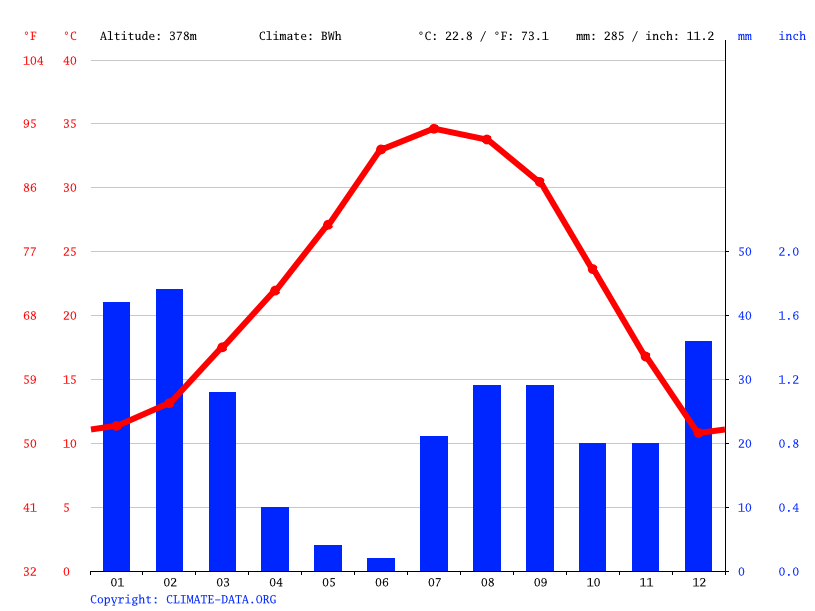
Mesa, Arizona, experiences a desert climate, which means it’s generally characterized by hot summers and mild winters. The city sits at an elevation of about 1,200 feet, which offers some relief from the extreme heat found in lower desert elevations, but it’s still a significant factor to consider for visitors. The sun is a constant companion for much of the year, making it essential to be prepared for its intensity. The proximity to the Sonoran Desert means that temperatures can fluctuate significantly between day and night, particularly during the spring and fall. Rainfall is scarce, concentrated mainly during the summer monsoon season and a brief period in winter.
Summer: Embracing the Desert Heat
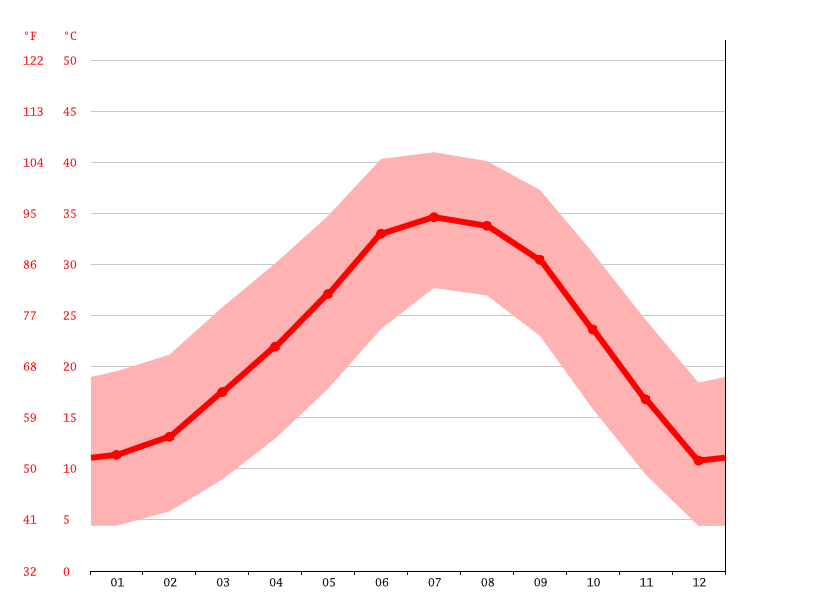
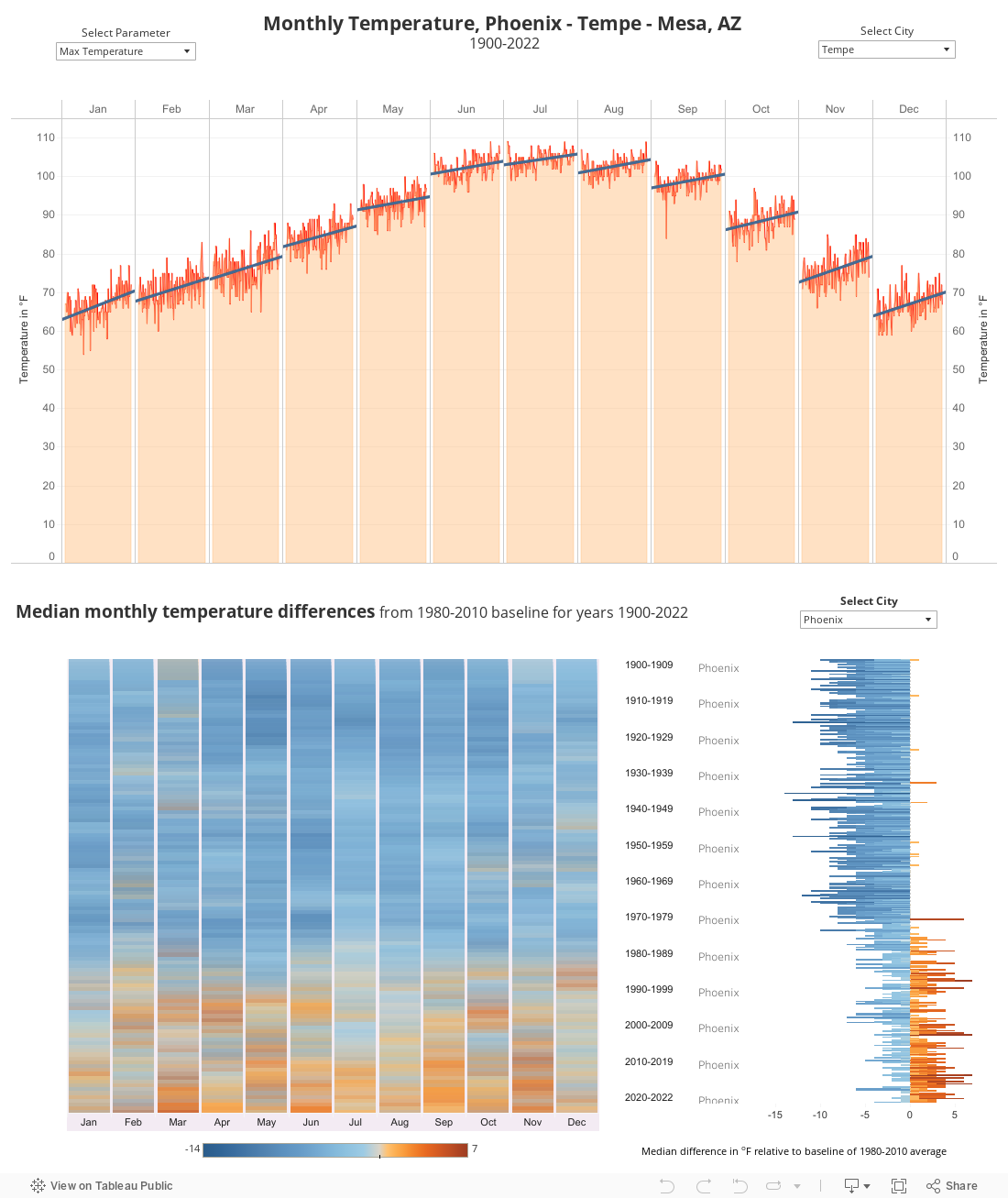
Summers in Mesa, running from June through August, are undeniably hot. Daytime temperatures frequently soar into the triple digits, with averages often hovering around 100°F (38°C). Highs can easily reach 105°F (41°C) or even higher during heatwaves. The nights offer little respite, with temperatures often remaining in the 80s°F (around 27-32°C). Humidity can also be a factor, especially during the monsoon season, which typically occurs in July and August. While the monsoons can bring dramatic thunderstorms and a brief cooling, the humidity can make the heat feel more oppressive.
Despite the intense heat, summer is still a viable time to visit Mesa, especially if you plan your activities for the early morning or late evening. Many indoor attractions, such as the Mesa Arts Center or the Arizona Museum of Natural History, offer a cool escape. Resort pools and air-conditioned accommodations are also a lifesaver. For those who enjoy the heat, water activities or early morning hikes in areas like Usery Mountain Regional Park can be very rewarding. However, it’s crucial to stay hydrated, wear sunscreen, and avoid prolonged exposure to the direct sun during the peak hours.
Fall: Pleasant Temperatures and Outdoor Adventures
As summer transitions into fall, typically from September through November, Mesa experiences a welcome shift in temperatures. This is often considered one of the most pleasant times to visit. September can still be quite warm, with average highs in the upper 90s°F (around 35-37°C), but by October, temperatures begin to moderate significantly. Average daytime highs in October often settle in the mid-80s°F (around 29-32°C), and by November, they are usually in the comfortable 70s°F (around 21-25°C). Nighttime temperatures become cooler, dropping into the 50s and 60s°F (around 10-20°C), making for ideal evenings.
This period is perfect for exploring the many outdoor attractions Mesa and its surroundings have to offer. The Desert Botanical Garden is stunning in the fall, with cooler weather making it a pleasure to wander through its diverse collection of desert flora. Hiking in nearby canyons, like those in the Superstition Mountains, becomes more enjoyable. It’s also a prime time for sporting events and outdoor festivals. The comfortable temperatures make it easier to enjoy longer periods of exploration, from visiting historical sites like the Mesa Grande Ruins to simply strolling through the charming downtown area.
Winter: Mild Days and Cool Nights
Winter in Mesa, from December through February, is characterized by mild and pleasant weather, making it a popular destination for those seeking to escape colder climates. Average daytime temperatures hover in the 60s°F (around 15-20°C), with sunshine being a common feature. Highs can occasionally reach the 70s°F (around 21-25°C). Nights, however, do get cool, often dropping into the 40s°F (around 4-9°C), and occasional frosts are possible. This temperature range is ideal for outdoor activities without the intense heat of the summer months.
Winter visitors can comfortably explore the city’s cultural attractions, visit local markets, and enjoy the numerous golf courses for which the region is known. The Freestone Park is a great spot for leisurely walks, and the nearby communities of Scottsdale and Tempe are easily accessible for day trips. Many snowbirds flock to the area during these months, contributing to a lively atmosphere in the RV parks and communities. Packing layers is recommended, with lighter clothing for the day and warmer jackets or sweaters for the cooler evenings.
Spring: Warming Up with Blooming Desert Beauty
Spring in Mesa, from March through May, offers a gradual warming trend, mirroring the blooming of the desert flora. March and April are particularly beautiful, with average daytime temperatures in the 70s°F (around 21-25°C), making them ideal for outdoor exploration. As May approaches, temperatures begin to climb, with highs often reaching the 80s and 90s°F (around 27-37°C), signaling the approaching summer heat. Nighttime temperatures are generally mild, in the 50s and 60s°F (around 10-20°C).
This season is a fantastic time to witness the Sonoran Desert in its full glory. The saguaro cacti, a symbol of the American West, often bloom during this period, painting the landscape with vibrant colors. Hiking in parks like Lost Dutchman State Park is a popular activity, offering stunning views and the chance to see native wildlife. The Phoenix Zoo, located a short drive away in Phoenix, is also a great option for families. Travelers should be prepared for increasing temperatures as spring progresses, ensuring they have sun protection and hydration readily available.
Packing for Mesa’s Climate: What to Bring
Packing for a trip to Mesa, Arizona, requires careful consideration of the prevailing temperatures and the activities you plan to undertake. Regardless of the season, sun protection should always be a priority. A wide-brimmed hat, sunglasses, and high SPF sunscreen are essential year-round. Comfortable walking shoes are a must for exploring the city and its natural surroundings.
Summer Essentials: Staying Cool and Hydrated
During the summer months, lightweight, breathable clothing is paramount. Think cotton or moisture-wicking fabrics. T-shirts, shorts, and sundresses are ideal for daytime wear. For evenings, a light sweater or a long-sleeved shirt might be useful, especially if you plan to dine outdoors. Staying hydrated is non-negotiable, so carry a reusable water bottle. If you plan on any strenuous outdoor activity, consider bringing a cooling towel. Access to air-conditioned accommodations like the Hyatt Regency Phoenix or a hotel with a good pool is a significant advantage.
Shoulder Seasons (Spring & Fall): Layering is Key
For the shoulder seasons of spring and fall, layering is the best strategy. Mornings and evenings can be cooler, while afternoons can be quite warm. Pack a mix of short-sleeved and long-sleeved shirts, a light jacket or fleece, and comfortable trousers or jeans. If you’re visiting during early spring or late fall, you might also want to pack a light sweater for cooler nights. This is a great time for hiking, so bring appropriate footwear and consider a light backpack for water and snacks. Many visitors opt for accommodations that offer both comfort and convenience, such as apartments or villas booked through platforms for long-term stays.
Winter Comforts: Mild Days, Cool Nights
Winter in Mesa is generally mild, but packing a few warmer items is wise. A medium-weight jacket or a substantial sweater will be sufficient for most days. Long-sleeved shirts, jeans, and comfortable trousers are appropriate. For the evenings, you may want to add a scarf or beanie, especially if you plan to be out after sunset. This season is perfect for exploring the city’s historical landmarks and enjoying outdoor dining without the extreme heat. Many resorts, like the JW Marriott Desert Ridge Resort & Spa, offer excellent amenities that cater to comfortable winter stays.
Beyond the Temperature: Planning Your Mesa Itinerary
While understanding the temperature in Mesa, Arizona, is a vital part of trip planning, it’s equally important to consider the wealth of activities and attractions available throughout the year. Mesa and the surrounding Phoenix metropolitan area offer a diverse range of experiences, from cultural immersion to outdoor adventures.
Cultural and Historical Exploration
Mesa boasts a rich history and a vibrant arts scene. The Mesa Arts Center hosts a variety of performances, exhibitions, and workshops, making it a cultural hub. For history buffs, the Mesa Grande Cultural Park offers a glimpse into the ancient Hohokam civilization, and the Arizona Museum of Natural History showcases the region’s paleontological and archaeological treasures. The city’s proximity to Phoenix also opens up a world of museums, art galleries, and historical sites.
Outdoor Recreation and Natural Wonders
The Sonoran Desert provides a breathtaking backdrop for outdoor enthusiasts. Usery Mountain Regional Park and Lost Dutchman State Park are popular for hiking, biking, and rock climbing, offering trails for all skill levels. The Desert Botanical Garden is a must-visit, especially during the spring when the desert is in bloom. For a unique experience, consider a hot air balloon ride over the desert at sunrise or sunset, offering unparalleled views of the landscape. Even in summer, early morning or late evening excursions can be incredibly rewarding.
Dining and Local Experiences
Mesa’s culinary scene is as diverse as its landscape. From authentic Mexican cuisine to contemporary American fare, there are options to satisfy every palate. Exploring the local food markets and tasting regional specialties is a delightful way to experience the local culture. The city also hosts various festivals and events throughout the year, offering opportunities to engage with the community and enjoy live music, art, and local crafts. Whether you’re looking for a luxury resort experience, a budget-friendly stay, or a family-friendly vacation, Mesa has accommodation options to suit every traveler’s needs. Consider exploring a range of hotels, suites, and apartments to find the perfect base for your desert adventure.