
Often stereotyped as a land of perpetual sunshine and scorching summers, Texas surprises many visitors with its distinct and often quite chilly cold seasons. While the idea of a “cold front” in the Lone Star State might conjure images of a slight breeze, the reality is that much of Texas experiences genuine cold weather, complete with frost, freezing temperatures, and even occasional snow, particularly in its northern and western reaches. Understanding the nuanced timing and intensity of these cooler periods is key for travelers planning to explore this vast and diverse state, whether for a cozy winter getaway, a festive holiday trip, or simply to enjoy outdoor activities without the oppressive summer heat.

The shift from the long, hot days of summer to the crisp, cooler air of autumn typically begins in October, gradually intensifying through November and reaching its peak chill during December, January, and February. This seasonal transformation brings with it a whole new array of travel opportunities, from exploring vibrant city attractions to embarking on scenic drives through changing landscapes. Far from being a deterrent, the colder months in Texas open up unique experiences, making it an appealing destination for those seeking different kinds of adventures, from cultural immersion to quiet nature retreats.
Unpacking Texas’s Cooler Climes: A Seasonal Deep Dive
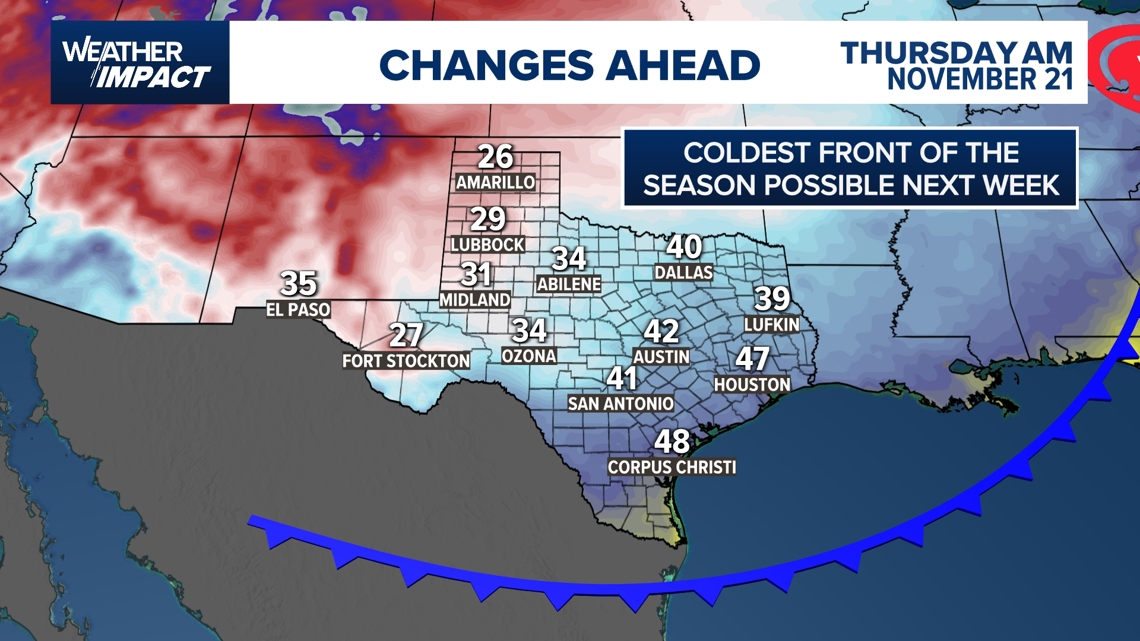
To truly answer “When will it get cold in Texas?”, one must consider the state’s immense geographical spread, which results in significant climatic variations from region to region. What might be a mild winter day in the south could be a truly frigid experience further north.
When the Mercury Drops: A Seasonal Breakdown
Fall (October – November): This is arguably one of the most pleasant times to visit Texas if you’re looking for comfortable, cooler temperatures without the intensity of winter. October sees the first significant cool downs, especially in the northern parts of the state like Dallas and Fort Worth, where average highs might hover in the low 70s Fahrenheit (20-22°C) and lows dip into the 50s F (10-15°C). As November progresses, these temperatures continue to fall, making outdoor activities much more enjoyable. Even in central Texas cities like Austin and San Antonio, the oppressive humidity of summer gives way to drier, more refreshing air, with daytime temperatures often in the 60s F (15-20°C) and evenings requiring a light jacket. While not “cold” in the traditional sense, this period signifies the definitive end of summer heat and the welcome arrival of temperate conditions. It’s an ideal time for exploring historical landmarks, enjoying patio dining, and experiencing local festivals.
Winter (December – February): This is when Texas truly gets cold. December ushers in genuinely chilly weather, particularly after the arrival of strong cold fronts, locally known as “Blue Northers.” These can drop temperatures significantly within hours. January is typically the coldest month across the state.
In North Texas (e.g., Dallas, Fort Worth), average daytime highs in January are often in the 40s or low 50s F (4-10°C), with nighttime lows frequently falling below freezing (0°C). Frost is common, and light snowfall can occur, though it rarely accumulates significantly or lasts long. Cities like Grapevine fully embrace this season, transforming into festive winter wonderlands.
In Central Texas (e.g., Austin, San Antonio), temperatures are slightly milder but still distinctly cold. January highs might be in the 50s F (10-15°C), with overnight lows often in the 30s F (0-5°C). Freezing rain or sleet can occasionally be a concern. The famous San Antonio Riverwalk sparkles with holiday lights, offering a magical experience even in the brisk air.
West Texas (e.g., El Paso, Big Bend National Park) experiences high desert conditions. While days can be sunny and relatively mild in the 50s F (10-15°C), nights can plummet well below freezing, sometimes into the teens or 20s F (-12 to -6°C). Snowfall is more common in the higher elevations.
Coastal Texas (e.g., Houston, Galveston, Corpus Christi) generally experiences the mildest winters. Highs are typically in the 50s or 60s F (10-18°C), and while freezing temperatures do occur, they are less frequent and usually shorter-lived. Humidity often remains higher, making the cold feel more penetrating. Despite the cooler weather, coastal areas like South Padre Island still offer a pleasant escape from more severe northern winters.
By March, temperatures across the state begin their gradual ascent, signaling the start of spring and warmer days ahead, though late-season cold snaps are not unheard of.
Regional Nuances: A Traveler’s Perspective on Texas Chill
Understanding these regional differences is vital for planning your trip and packing appropriately.
- North Texas, encompassing cities like Dallas and Fort Worth, experiences the most definitive cold weather. Travelers here should be prepared for freezing temperatures, occasional ice, and even light snow. These cities, however, are equipped for the cold, offering numerous indoor attractions such as museums, performance venues, and world-class dining.
- Texas Hill Country, home to Austin, San Antonio, and charming small towns like Fredericksburg, sees a milder but still chilly winter. The Hill Country in fall is particularly stunning with changing foliage. Winter still allows for pleasant outdoor exploration, especially during the sunniest parts of the day, but evenings require warm layers.
- West Texas, a rugged and expansive region, can be surprisingly cold, especially in its higher elevations. Visiting national parks like Big Bend National Park or Guadalupe Mountains National Park in winter offers breathtaking solitude and crisp, clear air, but requires careful planning for temperature extremes between day and night.
- Coastal Texas, including cities like Houston and resort towns like Galveston and South Padre Island, is the warmest region. While you won’t be sunbathing, the mild climate is perfect for birdwatching, exploring historic districts, or simply enjoying the sea air without the summer crowds.
Embracing the Chill: Travel & Tourism in Cooler Texas
The cooler months transform Texas into a different kind of destination, offering a wealth of activities and experiences that are less accessible during the intense summer heat. This period is ideal for travelers seeking comfort, culture, and outdoor exploration without the sweltering temperatures.
Outdoor Adventures Without the Sweat
Many of Texas’s natural attractions truly shine when the temperatures drop. Hiking, cycling, and exploring state and national parks become much more enjoyable.
- Big Bend National Park and Guadalupe Mountains National Park in West Texas offer unparalleled opportunities for stargazing and hiking in crisp, dry air. The cooler temperatures make tackling challenging trails, such as those to Emory Peak in Big Bend or Guadalupe Peak in Guadalupe Mountains, far more comfortable. The solitude and stark beauty of the desert in winter are truly captivating.
- Palo Duro Canyon State Park in the Panhandle, often called the “Grand Canyon of Texas,” is magnificent in the fall and winter. The vibrant autumn colors in the upper canyon and the dramatic rock formations are best explored on foot or by mountain bike when the sun is less intense.
- The Texas Hill Country offers picturesque drives through rolling hills, especially during late fall when foliage changes. State parks like Lost Maples State Natural Area are famous for their stunning autumnal displays. Even in winter, the cool air makes for perfect conditions to visit wineries or explore charming small towns.
- For a unique experience, consider visiting the underground wonders of Natural Bridge Caverns near San Antonio. The consistent cool temperature inside makes it a great year-round attraction, but it’s especially welcome when temperatures outside are chilly.
Cultural Immersion & Festive Fun
The colder months are also a vibrant time for cultural events and holiday celebrations across Texas.
- Holiday Lights and Festivities: Cities like San Antonio transform into magical landscapes. The San Antonio Riverwalk is famously adorned with millions of twinkling lights from late November through January, and boat tours offer a unique perspective. Grapevine crowns itself the “Christmas Capital of Texas” with numerous holiday events, ice skating, and festive decorations.
- Museums and Indoor Attractions: When the weather gets truly cold, Texas offers a plethora of world-class indoor attractions. In Dallas, explore the Dallas Arts District with its impressive museums like the Dallas Museum of Art and the Perot Museum of Nature and Science. Houston boasts the Houston Museum District and Space Center Houston, an essential stop for space enthusiasts. The Alamo in San Antonio offers a poignant historical experience, often less crowded in cooler months.
- Live Music and Arts: Austin, the “Live Music Capital of the World,” maintains its vibrant music scene year-round. Cozier venues become even more inviting when there’s a chill in the air. The performing arts seasons are in full swing during winter, offering ballets, operas, and theatrical performances across major cities.
- Rodeos and Western Heritage: Fall and winter also bring rodeo season to life. The Fort Worth Stockyards National Historic District is a fantastic place to experience authentic cowboy culture, with rodeos, cattle drives, and historical exhibits, all more comfortable to enjoy when temperatures are lower.
Culinary Delights for Cooler Days
Texas cuisine truly shines in the cooler months, offering hearty, comforting dishes perfect for warding off the chill.
- Authentic Texas BBQ: There’s nothing quite like a plate of slow-smoked brisket, ribs, or sausage on a cold day. Iconic BBQ joints across the state, from Franklin Barbecue in Austin to Pecan Lodge in Dallas, offer warm, smoky havens.
- Tex-Mex Comfort Food: Enchiladas, fajitas, and hearty chili con carne are staples of Texas’s culinary landscape. Seek out local favorites for a satisfying and warming meal. Many restaurants, especially in San Antonio, offer vibrant patio dining with heaters, allowing guests to enjoy the ambiance even in cooler weather.
- Craft Breweries and Wineries: The Texas Hill Country is home to a burgeoning wine industry, and numerous breweries offer seasonal craft beers. Tasting rooms provide a cozy escape, often with fireplaces and warm hospitality.
- Coffee Shops and Bakeries: Cooler weather is the perfect excuse to indulge in Texas’s thriving coffee scene and sample local pastries, from kolaches (a Czech pastry popular in Texas) to pecan pie.
Planning Your Cold-Weather Texas Escape
Successfully navigating a cold-weather trip to Texas involves strategic planning, especially concerning accommodation and packing. The goal is to maximize comfort and enjoyment, regardless of whether the day brings crisp sunshine or a biting chill.
Accommodation Choices for Cozy Stays
Texas offers a wide range of accommodation options that cater perfectly to cooler weather travel, from luxurious resorts with extensive indoor amenities to charming boutique hotels and cozy vacation rentals.
- Luxury Resorts: Many high-end resorts, such as the JW Marriott San Antonio Hill Country Resort & Spa or the Gaylord Texan Resort & Convention Center near Dallas, offer heated pools, indoor water parks (like Gaylord’s Paradise Springs), and inviting lobbies with fireplaces, perfect for cold days. These establishments often feature spas, fine dining, and various indoor activities, ensuring guests remain entertained and comfortable regardless of the outside temperature.
- Boutique Hotels: For a more intimate and personalized experience, consider one of Texas’s many boutique hotels. Properties like The Driskill in Austin or Hotel ZaZa in Dallas and Houston blend historic charm with modern luxury, often featuring cozy bars, exquisite restaurants, and plush rooms ideal for retreating from the cold. Many offer unique local experiences and exceptional service.
- Charming Bed & Breakfasts: Especially in the Texas Hill Country and smaller historic towns like Fredericksburg or Jefferson, you’ll find an abundance of delightful bed & breakfasts. These accommodations provide a warm, home-away-from-home atmosphere, often with fireplaces, gourmet breakfasts, and personalized recommendations for local activities, making them perfect for a romantic getaway or a quiet escape.
- Apartments and Villas: For longer stays or family trips, booking an apartment or villa through platforms that specialize in such accommodations can be a fantastic option. These typically come with fully equipped kitchens, allowing for cozy nights in and home-cooked meals, and provide more space for groups, which is particularly appealing during cold weather. Search for properties in desirable neighborhoods of Austin, Dallas, or San Antonio for a comfortable base.
When booking, consider amenities like heated pools, hot tubs, in-room fireplaces, and proximity to indoor attractions or excellent dining. Always check recent reviews, particularly regarding heating systems and overall comfort during colder periods. Many accommodations offer special rates during the off-peak winter season, providing excellent value for a luxurious or extended stay.
Travel Tips & What to Pack
Preparation is key for a comfortable cold-weather trip to Texas.
- Layering is Essential: Given the variability, especially during fall and spring, dressing in layers is crucial. A warm base layer, a fleece or sweater, and a waterproof/windproof outer jacket are ideal. Even on a cold day, the Texas sun can be surprisingly strong, making removable layers vital.
- Warm Accessories: Don’t forget hats, gloves, and scarves, particularly if you plan on spending time outdoors or exploring city centers in the evening.
- Comfortable Footwear: Waterproof boots are recommended, especially if you anticipate exploring national parks or walking extensively in cities where rain or even light snow might occur.
- Check Forecasts Regularly: Texas weather can be unpredictable. A cold front can sweep through quickly, dropping temperatures significantly in a day. Monitor local forecasts in the days leading up to and during your trip.
- Car Rentals: If you plan on exploring beyond major city centers, a rental car is highly recommended. While roads are generally well-maintained, be aware that ice can be an issue in the northern and western parts of the state during severe cold snaps.
- Book Accommodations in Advance: Especially around holidays or popular festivals, even in winter, desirable accommodations can fill up quickly. Booking ahead secures your preferred cozy retreat.
In conclusion, while Texas may not be the first place that comes to mind for a “cold weather” vacation, it certainly offers distinct and often beautiful cooler seasons. From the crisp air of autumn to the truly chilly days of winter, the state presents a unique opportunity for travelers to experience its rich culture, diverse landscapes, and warm hospitality in a new light. By understanding when and where the mercury drops, and planning accordingly, visitors can uncover a side of Texas that is both refreshing and profoundly charming, making it an exceptional destination for a colder-weather escape.
LifeOutOfTheBox is a participant in the Amazon Services LLC Associates Program, an affiliate advertising program designed to provide a means for sites to earn advertising fees by advertising and linking to Amazon.com. Amazon, the Amazon logo, AmazonSupply, and the AmazonSupply logo are trademarks of Amazon.com, Inc. or its affiliates. As an Amazon Associate we earn affiliate commissions from qualifying purchases.