
Understanding Minneapolis’s Climate for Your Visit
Deciding when to visit a new city often hinges on a fundamental question: what will the weather be like? For travelers planning a trip to Minneapolis, understanding its climate is paramount to packing appropriately, planning outdoor activities, and ensuring a comfortable and memorable experience. Minneapolis, often lauded for its vibrant cultural scene, stunning parks, and dynamic urban landscape, experiences a distinct four-season climate. This means the temperature can vary dramatically throughout the year, offering vastly different opportunities and challenges for visitors.
Seasonal Variations and Their Impact on Travel
The climate of Minneapolis is characterized by its continental nature, with warm to hot summers and cold, often snowy, winters. Spring and autumn offer more temperate conditions, but these transitional seasons can be unpredictable.
Summer (June to August)
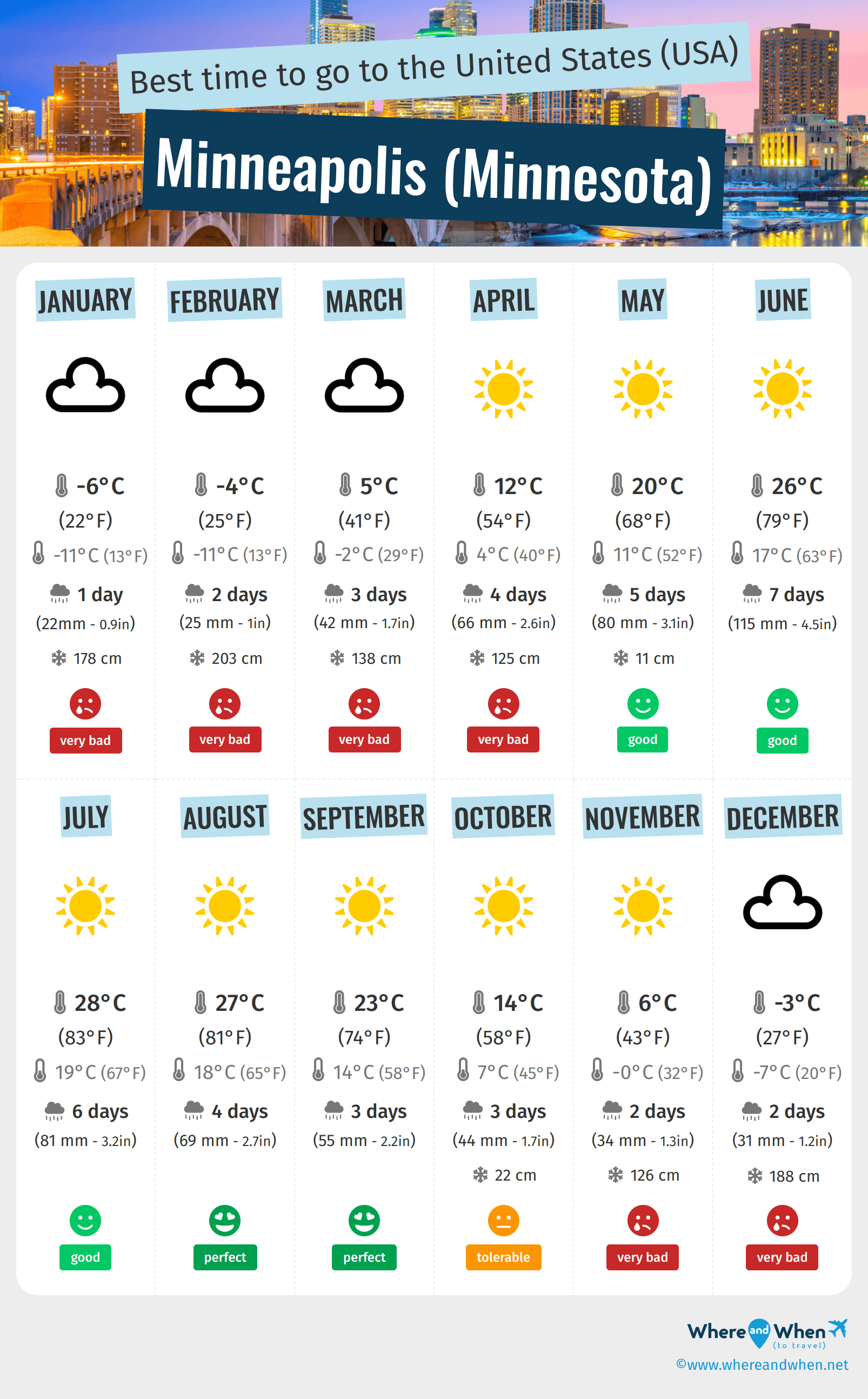
Summers in Minneapolis are typically warm and humid, with average daily high temperatures ranging from the mid-70s to low 80s Fahrenheit (around 24-28°C). However, heatwaves can push temperatures into the 90s Fahrenheit (32°C+) and beyond. These are ideal months for exploring the city’s numerous lakes, parks, and outdoor festivals. The longer daylight hours allow for extended sightseeing and activities. Visitors should pack light, breathable clothing, sunscreen, and hats. Staying hydrated is also crucial during these warmer months. Evenings can offer a slight respite from the heat, but a light jacket might be appreciated.
Autumn (September to November)
As summer fades, Minneapolis ushers in a beautiful autumn. September and October often bring crisp, clear air with temperatures gradually cooling. Daytime highs in September can still be in the 60s and 70s Fahrenheit (15-25°C), while November can see temperatures dipping into the 30s and 40s Fahrenheit (0-10°C). This season is renowned for its spectacular fall foliage, particularly in parks like Minnehaha Park and along the Mississippi River. Layering clothing is the key to dressing for autumn. Pack sweaters, long-sleeved shirts, and a medium-weight jacket. Comfortable walking shoes are essential for enjoying the colorful landscapes.
Winter (December to February)
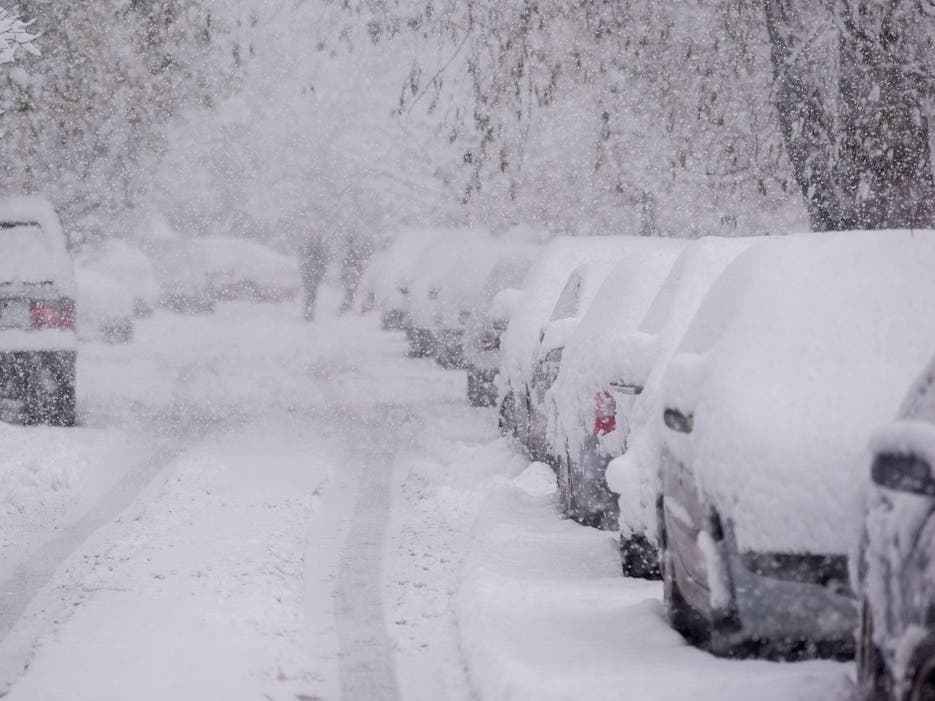
Winters in Minneapolis are undeniably cold, with average daily high temperatures hovering in the low 20s Fahrenheit (-6°C) and lows often plunging well below zero Fahrenheit (-18°C). Snowfall is common, transforming the city into a winter wonderland. For those who embrace the cold, winter offers unique opportunities such as ice skating at the Centennial Lakes Park, cross-country skiing, and enjoying the festive holiday lights. Proper winter gear is non-negotiable: thermal base layers, insulated jackets and pants, waterproof boots, hats, scarves, and gloves are essential for staying warm and comfortable. The city’s extensive skyway system offers a way to navigate between buildings and attractions without braving the extreme outdoor temperatures.
Spring (March to May)
Spring in Minneapolis is a season of transition and renewal. March can still feel very much like winter, with lingering snow and cold temperatures. However, by April and May, the weather begins to warm significantly. Daytime highs can range from the 40s Fahrenheit (4°C) in early spring to the 60s Fahrenheit (15°C) and even 70s Fahrenheit (21°C) by late May. This is a beautiful time to visit as the city awakens from winter. Flowers bloom in parks, and the lakes become more inviting. Visitors should be prepared for fluctuating temperatures and potential rain showers. Layering remains a wise strategy, and a waterproof outer layer is advisable.
Current Temperature and Weather Conditions in Minneapolis
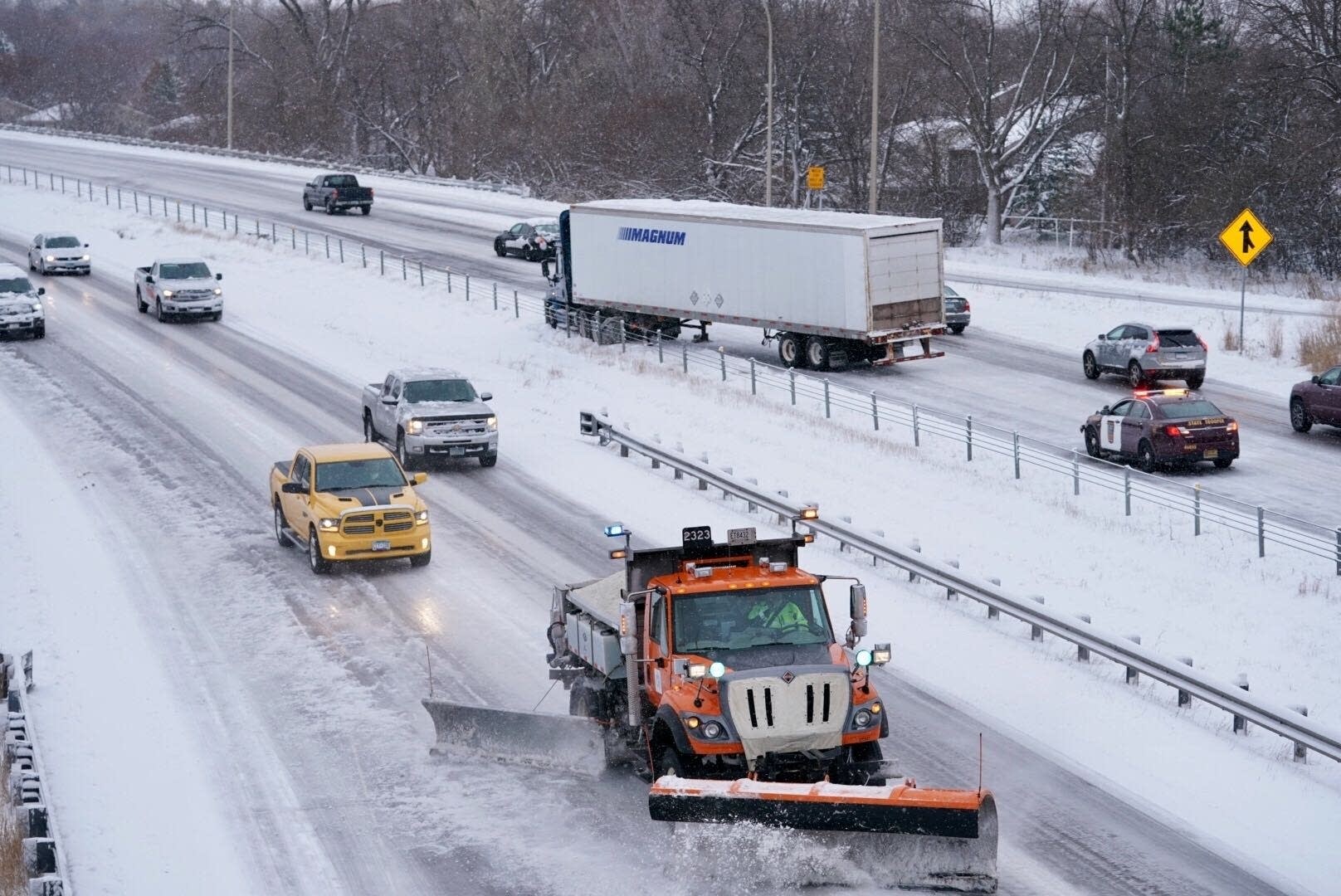
When planning your immediate travel or daily activities in Minneapolis, checking the current temperature and weather forecast is crucial. The city’s weather can change rapidly, especially during the transitional seasons of spring and fall.
Real-Time Temperature and Forecasts
To get the most up-to-date information, consulting reliable weather sources is recommended. Major weather websites and apps provide hourly, daily, and extended forecasts, including:
- Current Temperature: This will give you the immediate reading, often accompanied by “feels like” temperature, which accounts for wind chill in colder months or heat index in warmer months.
- Precipitation: Whether it’s rain, snow, or sleet, understanding the likelihood and intensity of precipitation will dictate your plans.
- Wind Speed and Direction: Wind can significantly impact how the temperature feels, especially during winter.
- Humidity: High humidity can make warm temperatures feel more oppressive, while low humidity can exacerbate cold.
- Sunrise and Sunset Times: Important for planning outdoor excursions and photography.
Factors Influencing Minneapolis’s Temperature
Several geographical and meteorological factors contribute to Minneapolis’s temperature fluctuations:
- Latitude: Situated in the upper Midwest of the United States, Minneapolis is at a latitude that experiences significant variations in daylight hours and solar intensity throughout the year, leading to distinct seasons.
- Continental Climate: Being far from large bodies of water that moderate temperature (like oceans), Minneapolis experiences a true continental climate with more extreme temperature swings between summer and winter.
- Air Masses: The city is often influenced by continental polar air masses from Canada during winter, bringing frigid temperatures, and by continental tropical air masses from the Gulf of Mexico during summer, bringing heat and humidity.
- Jet Stream: The position of the jet stream plays a critical role in determining weather patterns, bringing storms and temperature changes.
Preparing for Your Minneapolis Adventure: Packing and Activity Planning
Knowing the current temperature in Minneapolis and understanding its seasonal climate patterns directly informs how you should pack and what activities you can best enjoy.
Packing Essentials Based on the Season
- Spring/Autumn: Think layers. A t-shirt or long-sleeved shirt, a sweater or fleece, and a waterproof and windproof jacket are essential. Comfortable walking shoes are a must for exploring the city’s neighborhoods and parks. Don’t forget an umbrella for unexpected rain showers.
- Summer: Light, breathable fabrics like cotton and linen are ideal. Pack shorts, t-shirts, sundresses, and swimwear if you plan to visit the lakes. A wide-brimmed hat and sunglasses are crucial for sun protection. Comfortable sandals or sneakers are perfect for city strolls.
- Winter: This is the time for serious cold-weather gear. Thermal base layers, a warm fleece or wool mid-layer, and a heavy, insulated, waterproof and windproof outer jacket are paramount. Warm, waterproof pants, insulated boots, thick socks, a warm hat that covers your ears, and insulated gloves or mittens are non-negotiable. A scarf or neck gaiter will protect your face from the biting wind.
Activities Tailored to the Weather
The temperature and prevailing weather conditions in Minneapolis can shape your itinerary.
- Warm Months: This is prime time for outdoor activities. Explore the chain of lakes, including Lake Harriet, Lake Calhoun (Bde Maka Ska), and Lake of the Isles. Visit the famous Minnehaha Park with its impressive waterfall. Enjoy outdoor concerts, farmers’ markets, and sporting events. The Minneapolis Sculpture Garden is a must-see for art and nature lovers. Kayaking, paddleboarding, and biking are popular pursuits.
- Cold Months: Embrace the winter wonderland. Go ice skating at various rinks, including those at Loring Park. Try cross-country skiing or snowshoeing in city parks like Theo Wirth Park. Explore the extensive skyway system, which connects downtown buildings, offering a unique way to shop, dine, and sightsee indoors. Visit world-class museums such as the Minneapolis Institute of Arts or the Walker Art Center. Enjoy cozying up in a cafe with a hot drink.
- Mild Seasons: Spring and fall offer the best of both worlds. Enjoy pleasant temperatures for walking tours, exploring neighborhoods like the North Loop or Uptown, and visiting the Stone Arch Bridge for scenic views of the Saint Anthony Falls and the Mississippi River. This is also an excellent time for culinary exploration, with many restaurants offering outdoor seating during warmer days.
By staying informed about the current temperature in Minneapolis and understanding its climate nuances, you can confidently plan a trip that aligns with your interests and ensures comfort throughout your stay. The city’s diverse offerings are accessible and enjoyable year-round, provided you are prepared for the unique conditions each season presents.
LifeOutOfTheBox is a participant in the Amazon Services LLC Associates Program, an affiliate advertising program designed to provide a means for sites to earn advertising fees by advertising and linking to Amazon.com. Amazon, the Amazon logo, AmazonSupply, and the AmazonSupply logo are trademarks of Amazon.com, Inc. or its affiliates. As an Amazon Associate we earn affiliate commissions from qualifying purchases.