
Understanding the climate of a destination is paramount for any traveler seeking to make the most of their visit. For those drawn to the vibrant culture and unique charm of New Orleans, knowing the current temperature is more than just a practical detail; it’s a key to unlocking the best experiences, from enjoying a beignet at Café Du Monde to exploring the historic French Quarter. This guide delves into the current atmospheric conditions in New Orleans and explores how these temperatures influence the city’s renowned tourism landscape.
Understanding New Orleans’ Climate: A Foundation for Your Trip
New Orleans is characterized by a humid subtropical climate. This means that the city experiences hot, humid summers and mild winters. The proximity to the Gulf of Mexico plays a significant role in moderating its temperatures, often bringing a refreshing breeze but also contributing to the high humidity levels for much of the year. Understanding these general patterns provides a framework, but knowing the precise temperature at any given moment is crucial for immediate trip planning.
The Nuances of Seasonal Temperature Variations
While the general climate is humid subtropical, the daily and seasonal temperature fluctuations are significant and directly impact what activities are most enjoyable.
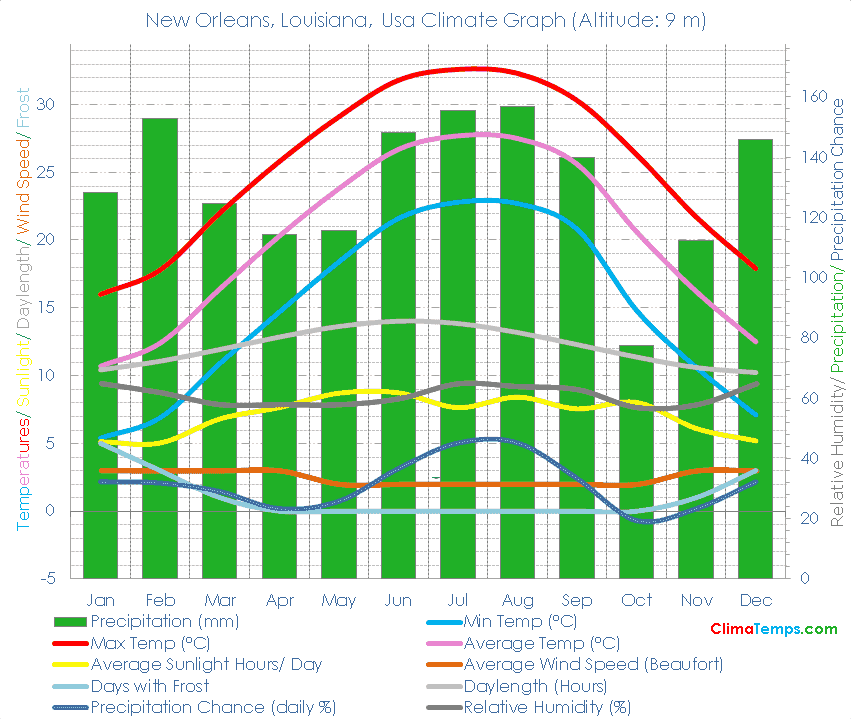
- Summer (June-August): Expect consistently high temperatures, often in the upper 80s and low 90s Fahrenheit (around 31-33°C). The humidity can make it feel even hotter, often reaching into the 90s percentile. Evenings offer a slight reprieve, but still remain warm and humid. This is the time for indoor activities, seeking out air-conditioned venues, or embracing the heat with late-night strolls and enjoying the city’s vibrant nightlife.
- Fall (September-November): This is often considered one of the most pleasant times to visit. Temperatures begin to cool down, typically ranging from the 70s to the low 80s Fahrenheit (around 21-27°C) in September, gradually dropping into the 60s and 70s Fahrenheit (around 15-21°C) by November. Humidity also recedes, making it ideal for exploring the streets, enjoying outdoor festivals like the New Orleans Jazz & Heritage Festival (though typically in spring, similar festivals occur in fall), and taking swamp tours.
- Winter (December-February): New Orleans winters are remarkably mild. Daytime temperatures often hover in the 60s Fahrenheit (around 15-20°C), with occasional dips into the 50s Fahrenheit (around 10-15°C). Freezing temperatures are rare but can occur on some nights. This is a fantastic time for those who prefer cooler weather for sightseeing and experiencing the city’s rich culinary scene without the oppressive summer heat. Many visitors also appreciate the city’s festive atmosphere during the holiday season and leading up to Mardi Gras (which typically falls in February or March).
- Spring (March-May): Similar to fall, spring offers delightful weather. Temperatures climb from the 70s Fahrenheit (around 21-27°C) in March to the mid-80s Fahrenheit (around 29°C) by May. The humidity starts to increase as summer approaches, but for most of the season, it remains comfortable for outdoor exploration. This is peak season for many festivals and events, capitalizing on the agreeable climate.
Real-Time Temperature and Its Impact on Your New Orleans Experience
While understanding the seasonal averages is helpful, the immediate temperature is the most critical factor for planning your day in New Orleans. This information dictates your attire, your choice of activities, and even your pace of exploration.
Dressing for the Day: Practical Considerations
The current temperature directly influences your wardrobe choices.
- Hot and Humid: Light, breathable fabrics like cotton and linen are essential. Loose-fitting clothing will offer the most comfort. A wide-brimmed hat and sunglasses are crucial for sun protection. Staying hydrated is paramount, so carrying a water bottle is highly recommended. Seek shade in courtyards, enjoy an iced coffee at a local café, or duck into a museum like The Cabildo or The Presbytère.
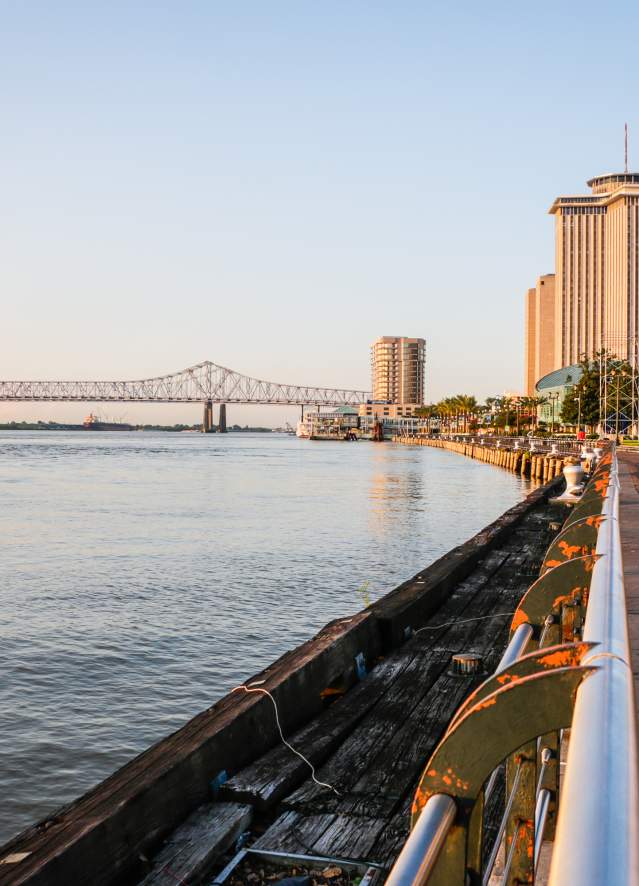
- Mild and Pleasant: Layers are key. You might start the day with a light jacket or sweater and shed it as the day warms up. Comfortable walking shoes are a must, as you’ll likely be covering a lot of ground exploring neighborhoods like the Garden District. This is the ideal weather for a leisurely streetcar ride or a stroll along the Mississippi River.
- Cooler Temperatures: A light to medium-weight jacket, a sweater, and perhaps a scarf will be sufficient for most days. Evenings can feel noticeably cooler, so bringing a warmer layer is advisable. This is a perfect time to indulge in the city’s renowned dining scene, perhaps enjoying a hearty gumbo or jambalaya at a cozy restaurant.
Activity Selection: Embracing or Escaping the Elements
The prevailing temperature significantly shapes the kinds of activities that are most enjoyable and feasible.
Embracing the Heat: Summer and Warm Spring/Fall Days
When the mercury rises, the focus shifts to activities that either provide respite from the heat or are best enjoyed during the warmer hours.
- Riverfront Activities: A cruise on the Mississippi River aboard a paddlewheel steamboat like the Steamboat Natchez offers a cooling breeze and iconic city views.
- Museum Hopping: New Orleans boasts an array of excellent museums, from the New Orleans Museum of Art to the National WWII Museum. These air-conditioned sanctuaries provide a perfect escape from the heat.
- Culinary Exploration: Dive into the city’s celebrated food scene. Enjoying a Po’boy at a classic diner, savoring fresh seafood, or indulging in frozen cocktails are all excellent ways to experience New Orleans when it’s warm.
- Nightlife: As the sun sets and temperatures begin to drop slightly, New Orleans’ legendary nightlife comes alive. Explore the bars and music venues of Frenchmen Street or the French Quarter.
Maximizing Mild Weather: Fall, Winter, and Cool Spring Days
When the weather is more temperate, the city truly opens up for exploration.
- Walking Tours: Discover the history and architecture of the French Quarter, the Garden District, and other historic neighborhoods on foot. Consider a guided ghost tour or a historical architecture tour.
- Swamp and Bayou Tours: Explore the unique ecosystems surrounding New Orleans by boat. These tours offer a chance to see wildlife and experience the natural beauty of Louisiana.
- Outdoor Markets and Festivals: Many of the city’s vibrant outdoor markets and seasonal festivals are best enjoyed in pleasant weather. This is also an excellent time for picnic lunches in City Park.
- Audubon Aquarium of the Americas and Audubon Butterfly Garden and Insectarium: While these are indoors, their immersive nature and connection to the natural world are particularly appealing when the weather encourages outdoor exploration before or after.
Planning Around Weather Events
Beyond standard temperature readings, it’s wise to be aware of the potential for weather events that can impact travel plans. New Orleans is susceptible to tropical storms and hurricanes during hurricane season (June 1 to November 30), particularly from August through October. Heavy rainfall and thunderstorms can also occur year-round, often bringing a sudden downpour followed by sunshine. Checking weather forecasts regularly, staying informed about any advisories, and having flexibility in your itinerary are prudent steps for any visitor.
Current Conditions and Forecasting Tools
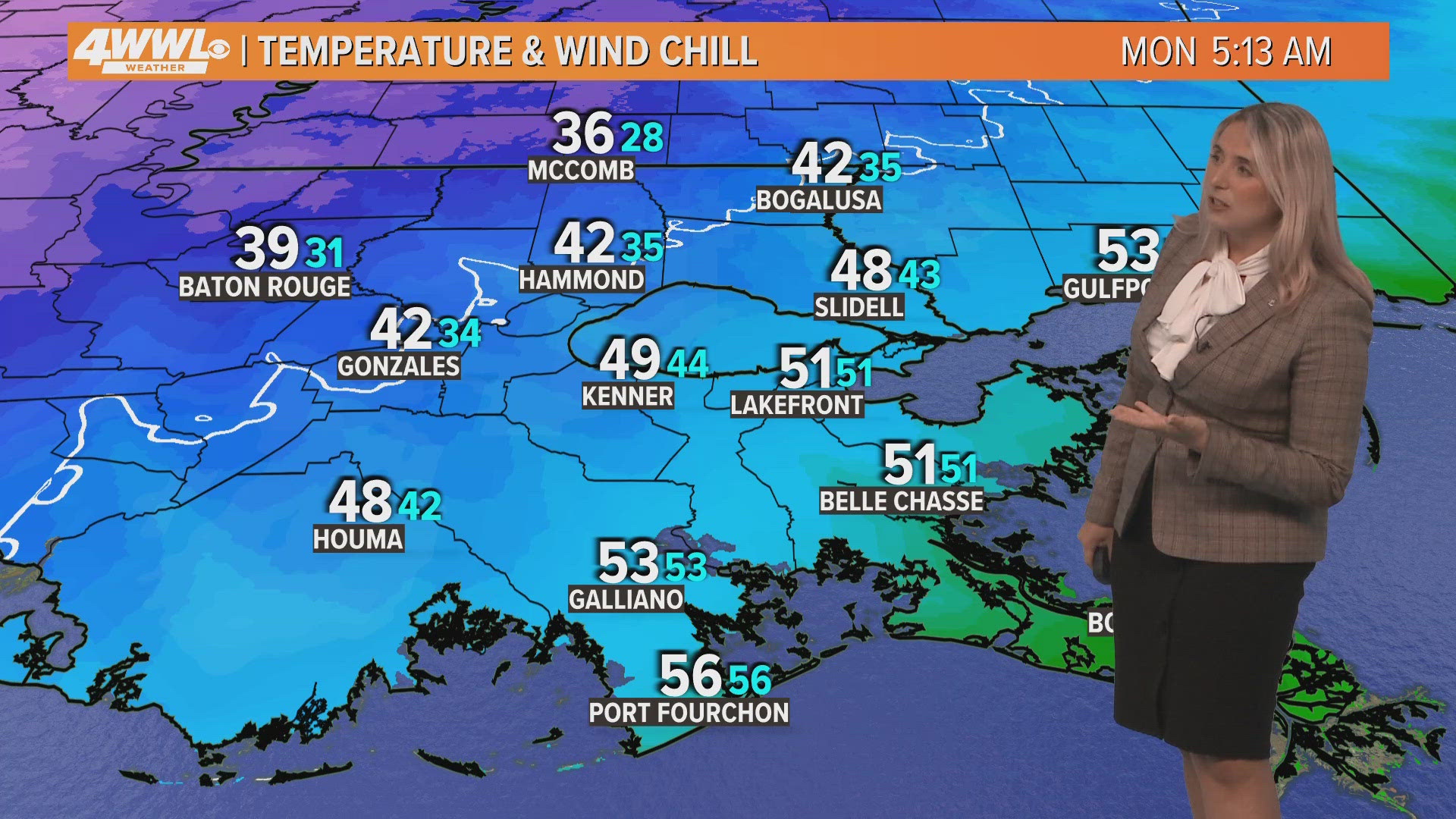
To get the most accurate and up-to-date temperature in New Orleans, it is advisable to consult reliable weather forecasting services. Many travel websites, weather apps, and local news outlets provide real-time temperature readings, hourly forecasts, and multi-day outlooks. This allows you to make informed decisions right up to the moment you step out to explore the Crescent City. Whether you’re planning to attend a festival, dine at a renowned restaurant, or simply wander through the enchanting streets, understanding the current temperature is your first step to a memorable New Orleans adventure.
LifeOutOfTheBox is a participant in the Amazon Services LLC Associates Program, an affiliate advertising program designed to provide a means for sites to earn advertising fees by advertising and linking to Amazon.com. Amazon, the Amazon logo, AmazonSupply, and the AmazonSupply logo are trademarks of Amazon.com, Inc. or its affiliates. As an Amazon Associate we earn affiliate commissions from qualifying purchases.