
Understanding the temperature in New York City is paramount for any traveler planning a visit to this iconic global hub. The climate of the Big Apple, located in the northeastern United States, is characterized by four distinct seasons, each offering a unique set of experiences and requiring specific considerations regarding packing, activities, and even accommodation choices. From the blooming vibrancy of spring to the crisp allure of autumn, the humid heat of summer to the enchanting chill of winter, the city’s mercury dictates much of the rhythm of daily life and tourism. Knowing what to expect allows you to optimize your itinerary, ensuring comfort and maximizing your enjoyment of New York City’s unparalleled attractions, culture, and lifestyle, whether you’re embarking on a luxurious escape, a budget-friendly adventure, or a family-focused trip.
Understanding New York City’s Climate: A Seasonal Breakdown
New York City experiences a humid continental climate, meaning it has hot, humid summers and cold, snowy winters. The transitional seasons of spring and autumn offer a welcome respite, providing some of the most pleasant weather conditions for exploring the city’s vast offerings across its five boroughs: Manhattan, Brooklyn, Queens, The Bronx, and Staten Island.
Spring: The Awakening City (March – May)
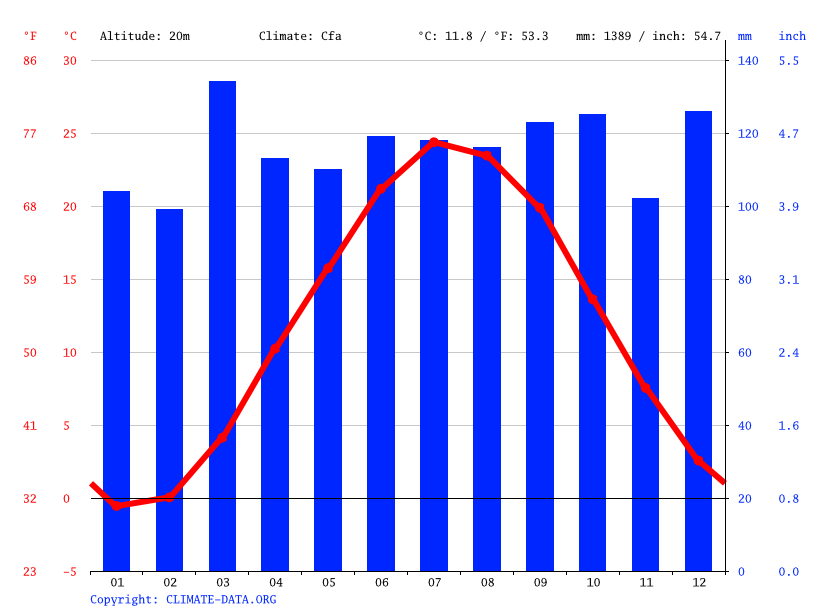
Spring in New York City is a period of gradual warming and renewal, making it a truly magical time to visit. March can still feel quite wintry, with average temperatures ranging from 35-45°F (2-7°C), sometimes bringing late snowfalls. However, by April, temperatures climb to a comfortable 45-60°F (7-15°C), and May often sees delightful averages of 55-70°F (13-21°C). The city awakens with blooming flowers in Central Park and other green spaces, outdoor cafes open their patios, and street fairs begin to pop up.
This season is ideal for sightseeing on foot, enjoying leisurely strolls across the Brooklyn Bridge, or exploring the vibrant neighborhoods of Greenwich Village and SoHo. The mild temperatures mean comfortable exploration of outdoor landmarks like the Statue of Liberty and Ellis Island, without the crowds of summer or the chill of winter. Accommodation prices tend to be moderate, though they can increase around major holidays like Easter or Memorial Day weekend. Packing layers is crucial, as mornings and evenings can be cool, even on a warm spring day.
Summer: Vibrant and Bustling (June – August)
Summer in New York City is synonymous with energy, long days, and a vibrant street life, but also with heat and humidity. Average temperatures hover around 70-85°F (21-29°C), often spiking into the 90s (32°C+) with high humidity, especially in July and August. The urban environment can intensify the heat, making air conditioning a coveted amenity.
This is peak tourist season, attracting visitors eager to experience outdoor concerts, rooftop bars, and events like SummerStage in Central Park. Attractions like Times Square and the Empire State Building are bustling. For those seeking relief from the heat, trips to Coney Island for beach access and amusement rides, or exploring the air-conditioned halls of the Metropolitan Museum of Art or the Museum of Modern Art, are popular choices. Booking accommodations well in advance is essential during these months, as demand drives up prices significantly. Lightweight, breathable clothing, sun protection, and plenty of hydration are non-negotiable.

Autumn: Crisp Air and Iconic Foliage (September – November)
Many consider autumn the most appealing time to visit New York City due to its near-perfect temperatures and stunning natural beauty. September still offers warmth, with averages of 60-75°F (16-24°C), gradually cooling through October (50-65°F / 10-18°C) and November (40-55°F / 4-13°C). The crisp air is invigorating, and the city’s parks, particularly Central Park, blaze with magnificent fall foliage, creating picturesque backdrops for photos and leisurely walks.
This “shoulder season” offers an excellent balance: pleasant weather, fewer extreme crowds than summer, and often more manageable hotel rates after the initial September surge. It’s an ideal time for walking the High Line, taking a ferry across the Hudson River or East River, or simply enjoying the outdoor dining scene. The city hosts numerous cultural events and festivals, making it rich in local experiences. Layers remain key for packing, transitioning from light jackets in early fall to warmer coats by late November.
Winter: A Magical (and Chilly) Wonderland (December – February)
Winter in New York City brings a distinct charm, especially during the holiday season, but also cold temperatures and the potential for snow. December sees averages of 30-45°F (-1-7°C), dropping to 25-40°F (-4-4°C) in January and February, which are typically the coldest months. While snowfall can occur from December to March, heavy snowstorms are most common in January and February.
The period leading up to Christmas and New Year’s is exceptionally festive, with dazzling lights, window displays, and ice skating at Rockefeller Center or Bryant Park. This festive peak drives up hotel prices dramatically. Post-New Year’s, however, the city becomes less crowded and accommodation prices drop considerably, offering excellent value for budget travelers. Winter is perfect for enjoying Broadway shows, exploring indoor markets, and warming up in cozy cafes or world-class museums. Heavy coats, scarves, gloves, hats, and waterproof footwear are essential to combat the cold, wind, and potential snow.
Beyond the Thermometer: How Temperature Shapes Your NYC Experience
The temperature in New York City doesn’t just dictate what you wear; it profoundly influences every aspect of your travel experience, from the activities you plan to the type of accommodation you seek and even your overall budget.
Travel & Tourism: Activities for Every Season
Spring invites outdoor exploration, from cherry blossom viewing in Central Park to ferry rides past the Statue of Liberty. Food tours through neighborhoods like Greenwich Village are delightful, and the pleasant walking weather makes climbing the Empire State Building a comfortable endeavor.
Summer thrives on vibrancy. Rooftop bars across Manhattan and Brooklyn become prime spots for sunset views. Open-air markets, outdoor concerts, and a visit to Coney Island’s amusement park and beach are quintessential summer activities. Indoor escapes like the Metropolitan Museum of Art, the Museum of Modern Art, or catching a Broadway show provide air-conditioned relief.
Autumn’s crisp air is perfect for long walks along the High Line, exploring the Financial District, or enjoying a scenic boat tour on the Hudson River to admire the changing foliage. It’s also prime time for art exhibitions, harvest festivals, and enjoying the city’s diverse culinary scene in cozy restaurants.
Winter transforms New York City into a festive wonderland, especially around the holidays. Ice skating at Rockefeller Center or Bryant Park, marveling at the holiday window displays on Fifth Avenue, and catching a performance at Radio City Music Hall are iconic experiences. Post-holiday, it’s an excellent time for immersive museum visits, enjoying world-class theater on Broadway, and exploring the warmth of Grand Central Terminal‘s architectural splendor.
Accommodation Choices: Finding Comfort Year-Round
The temperature significantly impacts accommodation choices and availability. During peak seasons (summer and the holiday winter), hotels across all price points, from luxury suites to budget-friendly apartments, see increased demand and higher rates. Conversely, the cooler months of late January and February often present the best deals.
When selecting accommodation, consider the season. In summer, air conditioning is a non-negotiable amenity for comfort, especially in older buildings. Many modern hotels like the Ritz-Carlton New York, NoMad or The Plaza Hotel offer excellent climate control. During winter, robust heating systems are crucial. For those on a budget, places like Pod Hotels offer compact but well-heated rooms. Regardless of the season, checking reviews for climate control effectiveness is a smart move. Long-term stays might prefer apartments with full kitchens, which can be particularly advantageous during extreme temperatures, allowing for more comfortable indoor living.
Lifestyle & Budget: Planning Your Perfect Getaway
The temperature often dictates whether your trip leans towards luxury or budget-friendly. Peak seasons, driven by ideal weather or holiday festivities, naturally attract higher prices for flights, hotels, and even some activities. Summer and early autumn, along with the pre-Christmas winter period, typically represent the most expensive times to visit.
For luxury travel, these peak times offer the full spectrum of high-end experiences, from exclusive rooftop pool access in summer to VIP shopping experiences during the festive winter. However, discerning luxury travelers might find the shoulder seasons (late spring, early autumn) more appealing, offering pleasant weather without the most extreme crowds, allowing for a more serene experience at top-tier establishments.
Budget travel is often best pursued in the off-peak seasons, particularly late winter (January-February, excluding Valentine’s Day) when temperatures are at their lowest, and tourism demand dips significantly. This is when you can find the best deals on flights and hotels, allowing you to stretch your budget further for food, entertainment, or perhaps a longer stay. Even during colder months, free attractions like walking the Brooklyn Bridge or exploring Central Park remain accessible and enchanting.
Family trips require careful consideration of temperature. Extreme heat or cold can be challenging for young children. Spring and early autumn offer the most comfortable temperatures for families, balancing outdoor play with indoor activities. Many attractions also have seasonal hours, so checking ahead is vital. For business stays, the weather’s impact is generally less about activities and more about comfortable transit and attire. Reliable public transportation is a year-round constant, but knowing whether to pack an umbrella or snow boots is key for seamless business travel.
Practical Tips for Navigating NYC’s Weather
Regardless of when you visit, being prepared for New York City’s dynamic weather patterns will significantly enhance your experience.
What to Pack: Dressing for Success
- Spring/Autumn: Layers are paramount. Think light sweaters, long-sleeved shirts, a waterproof jacket or trench coat, comfortable walking shoes, and an umbrella. Temperatures can fluctuate significantly even within a single day.
- Summer: Lightweight, breathable fabrics (cotton, linen), shorts, skirts, sunhat, sunglasses, and comfortable sandals or open-toed shoes. Always carry a light scarf or sweater for air-conditioned indoor spaces, which can be surprisingly chilly.
- Winter: Heavy, insulated coat, waterproof boots (essential for slushy snow), warm socks, hat, gloves, and scarves. Thermal layers are recommended for extended outdoor activities.
Staying Comfortable: From Heatwaves to Snowstorms
- Hydration: Always carry a water bottle, especially during summer. There are many public water fountains, and most cafes will refill your bottle.
- Indoor Escapes: Familiarize yourself with the city’s extensive network of museums, art galleries, and indoor markets, which offer excellent refuge from extreme temperatures. The subway system, while not always perfectly climate-controlled, provides an underground respite.
- Public Transport: New York City’s subway and bus systems are extensive and run year-round, offering a comfortable way to get around without battling the elements. During heavy rain or snow, these are invaluable.
- Flexibility: Be prepared to adjust your plans based on the day’s weather. A rainy day can be perfect for a Broadway matinee or a visit to a lesser-known museum.
Best Time to Visit: Aligning Weather with Your Priorities
- Best for Weather: Late April to early June (Spring) and mid-September to late October (Autumn) offer the most comfortable and visually appealing conditions, making them ideal for sightseeing and outdoor activities.
- Best for Budget: Late January and February provide the lowest accommodation rates and fewer crowds, making it excellent for budget-conscious travelers who don’t mind the cold.
- Best for Festivities: December is unparalleled for its holiday magic, though it comes with premium prices and significant crowds.
- Best for Outdoor Buzz: Summer offers a vibrant energy with numerous outdoor events, but requires tolerance for heat and humidity.
Ultimately, there’s no single “best” temperature for visiting New York City, as each season presents its unique charm and set of experiences. By understanding the typical temperatures and planning accordingly, you can ensure your trip to this dynamic metropolis is as comfortable and memorable as possible.
LifeOutOfTheBox is a participant in the Amazon Services LLC Associates Program, an affiliate advertising program designed to provide a means for sites to earn advertising fees by advertising and linking to Amazon.com. Amazon, the Amazon logo, AmazonSupply, and the AmazonSupply logo are trademarks of Amazon.com, Inc. or its affiliates. As an Amazon Associate we earn affiliate commissions from qualifying purchases.