
The question “What’s the temperature in New York City today?” is more than just a simple query about the weather; it’s often the first step in planning an unforgettable adventure in one of the world’s most dynamic urban landscapes. For travelers, understanding NYC’s climate is paramount to curating the perfect experience, from packing appropriate attire to selecting the ideal accommodations and mapping out daily activities. As a premier destination for travel enthusiasts, New York offers a kaleidoscope of experiences, each potentially influenced by the whims of its ever-changing weather patterns. Whether you’re dreaming of strolling through Central Park under a crisp autumn sky, ice skating at Rockefeller Center in winter, enjoying a vibrant street festival in summer, or exploring the city’s green spaces as spring blooms, the temperature dictates the rhythm of your visit.
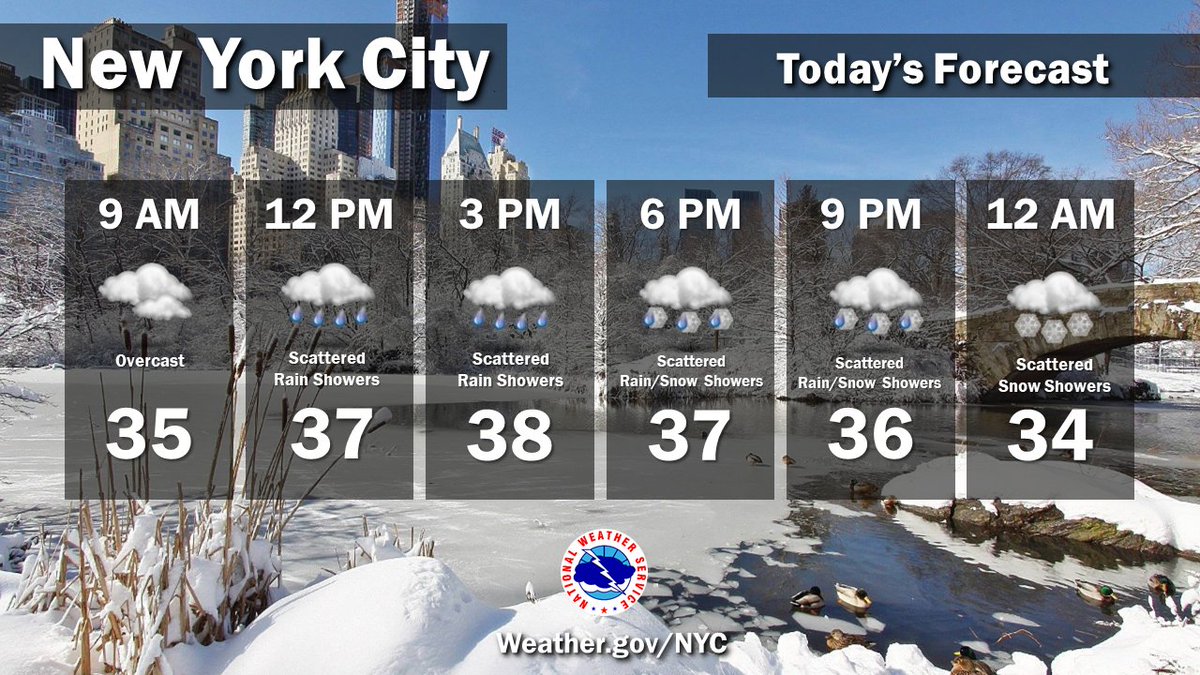
This article delves beyond the current forecast, exploring how New York City’s climate shapes everything from tourism itineraries to lifestyle choices, offering insights into optimizing your trip regardless of the mercury’s reading. We’ll uncover the seasonal nuances, recommend activities tailored to various temperatures, suggest suitable hotel stays, and provide essential tips for navigating the Big Apple in any weather.
Understanding New York City’s Climate: A Seasonal Symphony
New York City, situated on the eastern seaboard of the United States, experiences a humid subtropical climate, characterized by four distinct seasons. This means that while today’s temperature might offer a snapshot, it’s the broader seasonal patterns that truly define the travel experience. Each season brings its unique charm, challenges, and opportunities for exploration, making the city a year-round destination.
Seasonal Expectations: Spring, Summer, Autumn, Winter
Spring (March to May): As the chill of winter recedes, New York City awakens with a fresh burst of energy. Temperatures during spring can be quite variable, ranging from cool lows in the 40s°F (4-9°C) in early March to mild and pleasant highs in the 60s°F (15-20°C) and even into the 70s°F (21-26°C) by late May. This is an excellent time for outdoor activities, as parks like Central Park and the Brooklyn Botanic Garden burst into bloom. Rain showers are common, so packing layers and an umbrella is advisable. This season is perfect for sightseeing on foot, exploring neighborhoods like Greenwich Village or SoHo, and enjoying outdoor markets. Many tourists prefer spring for its comfortable temperatures and vibrant atmosphere, making it a popular time for attractions without the intense summer crowds.
Summer (June to August): New York City summers are typically hot and humid, with temperatures often soaring into the 80s°F (27-32°C) and sometimes exceeding 90°F (32°C), particularly in July and August. The humidity can make it feel even warmer. This is peak tourism season, drawing crowds to iconic landmarks such as the Statue of Liberty and Times Square. While the heat can be intense, the city thrives with outdoor festivals, street fairs, and al fresco dining opportunities. Beaches on Long Island and Staten Island, like Coney Island, become popular escapes. Air-conditioned museums, Broadway shows, and indoor shopping on Fifth Avenue offer respite from the sun. Booking accommodations well in advance is crucial during this bustling period.
Autumn (September to November): Often considered the most picturesque time to visit, New York City in autumn boasts crisp, clear days and spectacular fall foliage, especially in Central Park and along the Hudson River. Temperatures are pleasantly cool, ranging from the mid-60s°F (15-20°C) in September to the 40s°F (4-9°C) by late November. This season is ideal for walking tours, ferry rides past the Manhattan skyline, and enjoying outdoor dining before winter sets in. Events like the New York Film Festival and Halloween celebrations add to the vibrant atmosphere. Hotels can still be quite busy, particularly around the Thanksgiving holiday, so planning is essential. The mild temperatures and beautiful scenery make autumn a favorite for many discerning travelers.
Winter (December to February): New York City transforms into a magical wonderland during winter, particularly around the holidays. Temperatures are cold, typically ranging from the 20s°F (-6 to -1°C) to the 30s°F (-1 to 4°C), with snowfall a regular occurrence. While it requires bundling up, the city offers unparalleled festive experiences, from the Rockefeller Center Christmas Tree to holiday markets and ice skating rinks. Indoor attractions like the Metropolitan Museum of Art, the Museum of Modern Art (MoMA), and countless Broadway shows become prime destinations. Many hotels offer cozy amenities and festive packages. Post-holiday January and February often see fewer crowds and potentially lower accommodation rates, making it an attractive option for budget-conscious travelers seeking a unique winter experience.
Tailoring Your New York Experience to the Weather
The current temperature in New York City isn’t just a number; it’s a guide that helps shape your entire travel itinerary. From sightseeing to dining and accommodation choices, understanding the climate allows for a more comfortable and enjoyable visit.
Outdoor Adventures vs. Indoor Escapes
A beautiful, mild day in New York City calls for embracing its outdoor adventures. Imagine a walk across the Brooklyn Bridge, offering breathtaking views of the Manhattan skyline and the East River. Or a leisurely afternoon spent exploring the High Line, an elevated park built on a historic freight rail line, dotted with art installations and unique vantage points. Central Park beckons with opportunities for rowing on the lake, picnicking, or simply people-watching. A ferry ride to Ellis Island and the Statue of Liberty is always a memorable experience, best enjoyed when the weather is cooperative. For those warmer days, rooftop bars provide spectacular views and refreshing breezes, blending luxury travel with casual relaxation.
However, when the weather turns inclement – be it scorching heat, pouring rain, or biting cold – New York City offers an unparalleled array of indoor escapes. The city is a treasure trove of museums: the grandeur of the Metropolitan Museum of Art, the contemporary brilliance of MoMA, the natural wonders at the American Museum of Natural History, or the quirky charm of the Tenement Museum. Broadway theaters offer world-class entertainment, a perfect way to spend an evening regardless of the forecast. For shopping enthusiasts, indoor markets like Chelsea Market or department stores like Macy’s Herald Square provide hours of exploration. The sheer number of diverse restaurants, from Michelin-starred establishments to cozy cafes, means you can always find a warm retreat or a cool haven to enjoy local cuisine.

Accommodation Choices for Every Season
Your choice of accommodation can significantly enhance your New York City experience, especially when factoring in the temperature. During the hot summer months, prioritize hotels with excellent air conditioning, and perhaps a resort or hotel with a pool for a refreshing dip. Many luxury hotels in Manhattan offer rooftop pools or elegant indoor pools that can be a lifesaver on a sweltering day. Consider staying near a subway line to minimize outdoor walking during peak heat.
In contrast, winter calls for hotels with cozy amenities, perhaps a fireplace in the lobby or rooms equipped with luxurious bedding. Boutique hotels often excel at creating a warm, inviting atmosphere. Look for accommodation options that are close to indoor attractions or have excellent in-house dining options, reducing the need to venture out into the cold for every meal. For longer stays or family trips, an apartment rental might offer more space and the ability to cook your own meals, providing a comfortable sanctuary against the elements. Platforms offering booking and comparison tools can help you find the best suites or villas with features tailored to the season.
No matter the season, central heating and air conditioning are standard in most reputable New York City hotels. However, checking reviews for consistent comfort levels can save you from unexpected temperature woes. For example, a hotel near Grand Central Terminal provides easy subway access to almost anywhere, a boon in any weather extreme.
Navigating New York Like a Local: Tips & Tricks
Beyond knowing today’s temperature, truly experiencing New York City means adopting a few local strategies that make the most of your visit, regardless of the climate. These tourism tips focus on practicalities and cultural immersion.
Packing Essentials for Any Temperature
Preparing your wardrobe is paramount for a comfortable New York City visit. Given the city’s changeable weather, layering is always a smart strategy. In spring and autumn, pack a mix of long-sleeved shirts, sweaters, light jackets, and a waterproof outer layer. Comfortable walking shoes are a must, as you’ll be doing a lot of exploring on foot.
For summer, lightweight, breathable fabrics are key. Shorts, sundresses, and t-shirts will be your staples. Don’t forget sunscreen, a hat, and sunglasses. However, even in summer, indoor venues like museums and theaters can be heavily air-conditioned, so a light cardigan or scarf is a good idea. Hydration is also crucial – carry a reusable water bottle.
Winter demands serious cold-weather gear: a heavy-duty, waterproof coat, warm layers (thermal underwear, sweaters), a hat, gloves, and a scarf. Waterproof boots with good traction are essential for navigating snowy or icy sidewalks. Many locals also recommend hand warmers for extended outdoor activities.
Regardless of the season, a portable umbrella is a wise addition to your packing list. New York City showers can be unpredictable. Furthermore, consider a comfortable backpack or crossbody bag to carry essentials, leaving your hands free for subway navigation or capturing photos of landmarks like the Empire State Building or One World Trade Center.

Culinary Delights and Cultural Immersions Year-Round
New York City’s food scene is an integral part of its local culture, and it flourishes in every season. When it’s chilly, there’s nothing quite like a hearty meal in a cozy restaurant in Little Italy or a warm bowl of ramen in the East Village. During warmer months, outdoor dining becomes prevalent, with sidewalk cafes and rooftop bars offering prime spots for people-watching and enjoying the city’s energy. Food tours are a fantastic way to sample diverse culinary delights in neighborhoods like Chinatown or Queens, adapting to the weather with indoor stops or shaded routes.
Cultural immersions are equally diverse. Broadway shows, jazz clubs in Harlem, comedy cellars, and countless art galleries provide year-round entertainment. Seasonal events are abundant: summer brings free outdoor concerts and movie screenings in parks, while winter offers festive holiday markets and the iconic Radio City Christmas Spectacular. Even on the hottest or coldest days, you can immerse yourself in the city’s rich history by visiting sites like Fraunces Tavern Museum or exploring the historic districts of The Bronx. For those interested in a deeper dive, guided experiences focusing on specific themes, such as architecture or the arts, can be found year-round.
Ultimately, today’s temperature in New York City is just a piece of the larger picture. It’s a clue, an indicator that helps shape a tiny fraction of your experience. The true magic of New York lies in its ability to offer an extraordinary adventure, regardless of the forecast. By understanding its climate, planning accordingly, and embracing the myriad of options available, you’re not just visiting a city; you’re becoming a part of its ever-unfolding story, making memories that will last a lifetime. So, check the temperature, but more importantly, prepare to be captivated by the boundless energy and endless possibilities that only New York City can offer.
LifeOutOfTheBox is a participant in the Amazon Services LLC Associates Program, an affiliate advertising program designed to provide a means for sites to earn advertising fees by advertising and linking to Amazon.com. Amazon, the Amazon logo, AmazonSupply, and the AmazonSupply logo are trademarks of Amazon.com, Inc. or its affiliates. As an Amazon Associate we earn affiliate commissions from qualifying purchases.